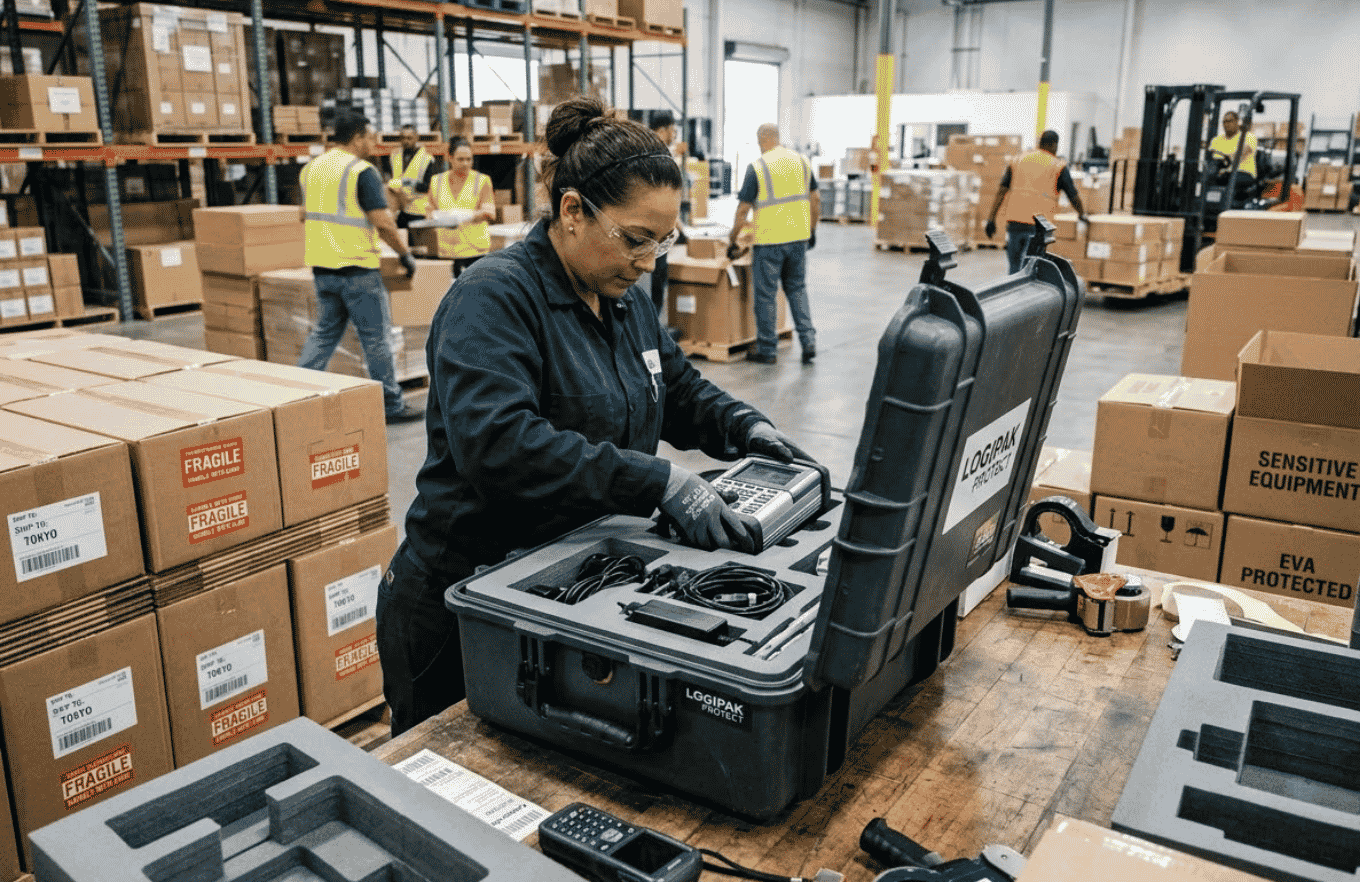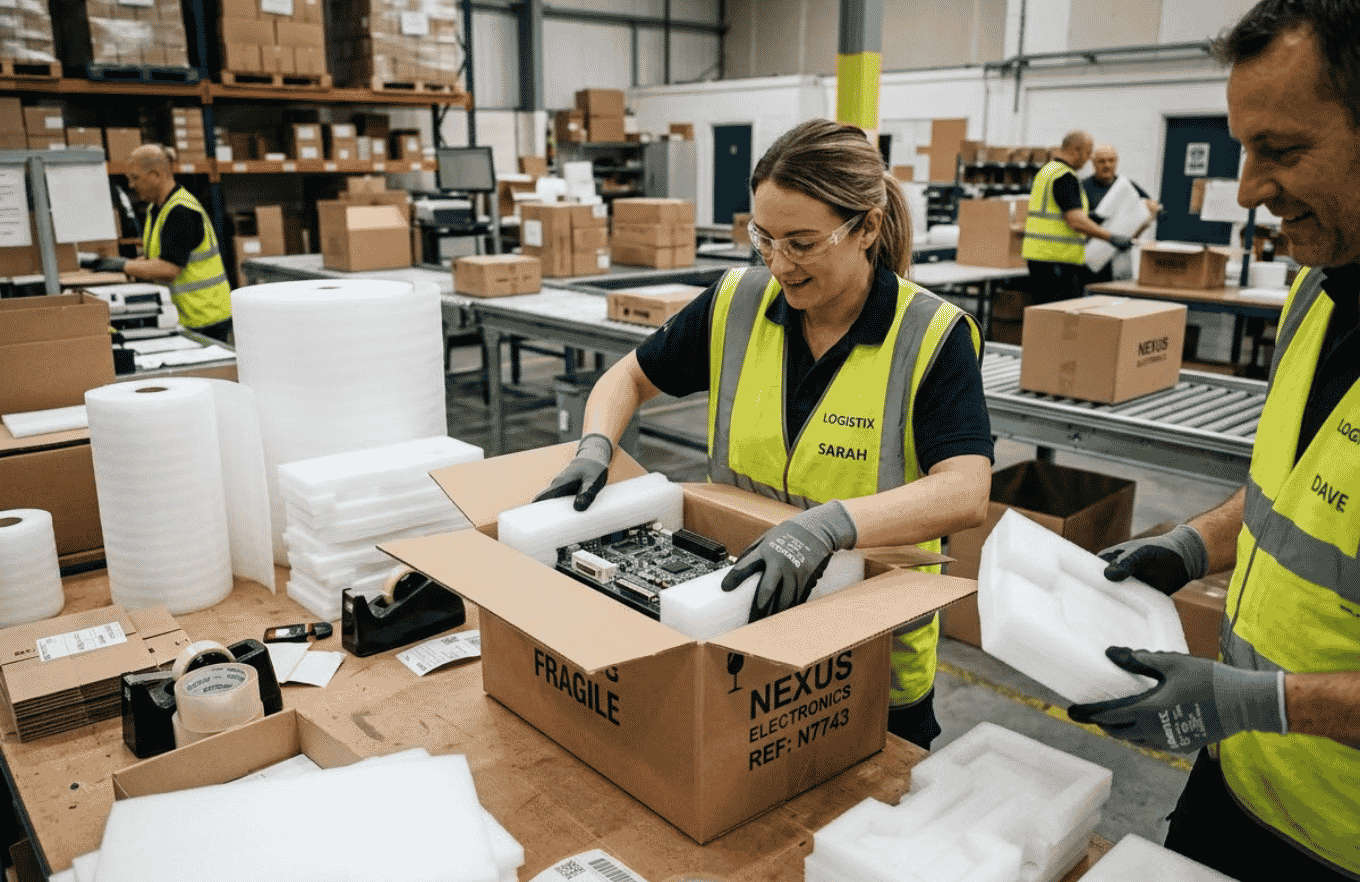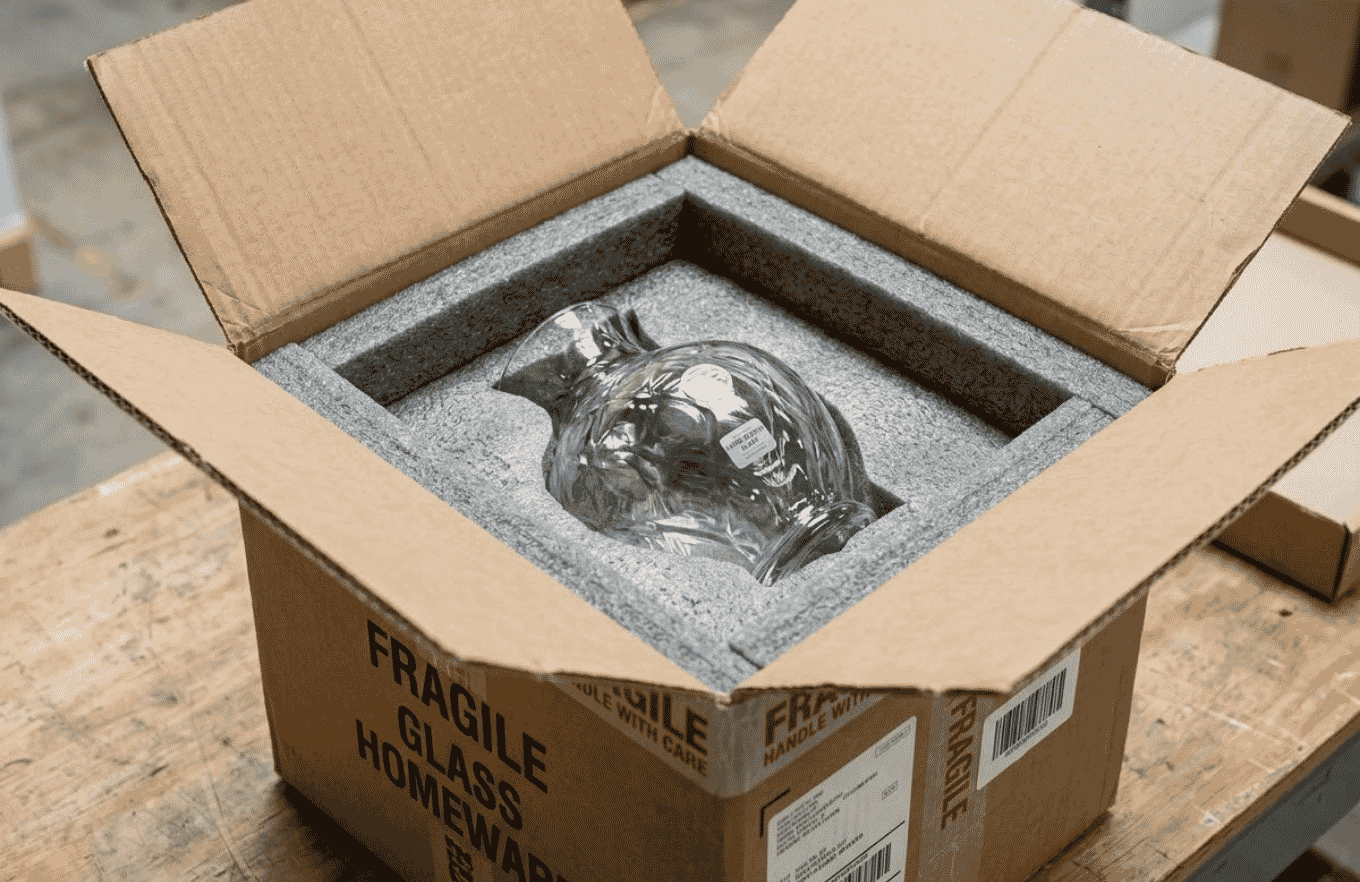
Online shopping has changed what customers expect from delivery. They want products to arrive quickly, but they also expect them to reach their doorstep looking exactly as they appeared on the website. A damaged corner, cracked component, or scratched surface can turn an otherwise successful order into a return request. This is where choosing the right Packaging Foam becomes more than a simple packing decision. It can influence product protection, shipping efficiency, customer satisfaction, and even a brand's reputation. As e-commerce businesses handle growing order volumes, packaging needs to work smarter rather than simply adding more material.
In this blog, we are going to explore why thoughtful foam selection can become a practical investment for online retailers and fulfillment operations.
The journey from warehouse shelf to customer's home can involve stacking, vibration, movement, drops, and sudden impacts. Even when an outer carton looks perfectly intact, the product inside may have experienced significant stress.
A properly selected protective material creates a buffer between the product and these external forces. It can help absorb impact, reduce movement inside the box, and keep delicate components from making direct contact with packaging surfaces.
For e-commerce sellers, this matters because the cost of damage extends beyond replacing one product. It can involve return shipping, replacement handling, customer service time, and a lost opportunity to build customer loyalty.
A glass item, electronic accessory, cosmetic container, and industrial component do not experience shipping risks in the same way. Their weight, shape, fragility, and surface sensitivity all influence the packaging design.
Foam can be cut, shaped, layered, or specified according to these requirements. That flexibility allows businesses to move away from generic packing approaches and create protection around the actual product.

It may seem counterintuitive, but spending more attention on protective materials can sometimes help control packaging costs. The goal is not to use the largest amount of material possible. It is to use the right amount in the right places.
When a product fits securely inside its carton, there may be less need for excessive void fill or additional protective layers. Better internal positioning can also reduce movement during transportation.
This becomes particularly valuable for businesses shipping hundreds or thousands of orders every month. A small improvement in packaging efficiency can create noticeable savings when multiplied across a large order volume.
Shipping costs are strongly influenced by package dimensions and weight. Adding excessive protective material may increase both, particularly when businesses use packaging solutions that are heavier or bulkier than necessary.
Foam offers an opportunity to balance protection with weight. Depending on the material and application, manufacturers can develop lightweight structures that provide cushioning without unnecessarily increasing the overall package size.
Simply filling a box with additional material does not guarantee better protection. Poor positioning can still allow a product to move, while excessive compression may fail to provide the intended cushioning effect.
A more thoughtful design considers the product's vulnerable points and creates protection where it is actually needed.

Modern e-commerce brands are under increasing pressure to think about what happens to packaging after delivery. Customers may appreciate strong protection, but they also notice excessive packaging and unnecessary waste.
This is where material selection becomes part of a broader packaging strategy. Depending on the application and manufacturing process, Recycled Foam can offer an option for businesses looking to incorporate recycled material into protective packaging solutions.
The key is to evaluate sustainability alongside performance rather than treating the two as competing goals. A protective solution that reduces product damage may prevent waste by avoiding damaged goods and unnecessary replacements in the first place.
In Europe, Samad Foam supports international foam requirements where businesses are increasingly balancing product protection with practical material considerations.
Packaging is often the first physical interaction a customer has with an online brand. A product arriving securely packed can immediately communicate care and professionalism.
On the other hand, excessive movement, damaged goods, or poorly designed internal packaging can create doubt about the quality of the business itself.
For premium products especially, the internal packaging should feel intentional. A well-fitted protective insert can make the opening experience cleaner while also keeping the product secure.
Samad Foam provides foam manufacturing solutions that can be adapted to different commercial packaging requirements, helping businesses consider protection and presentation together.
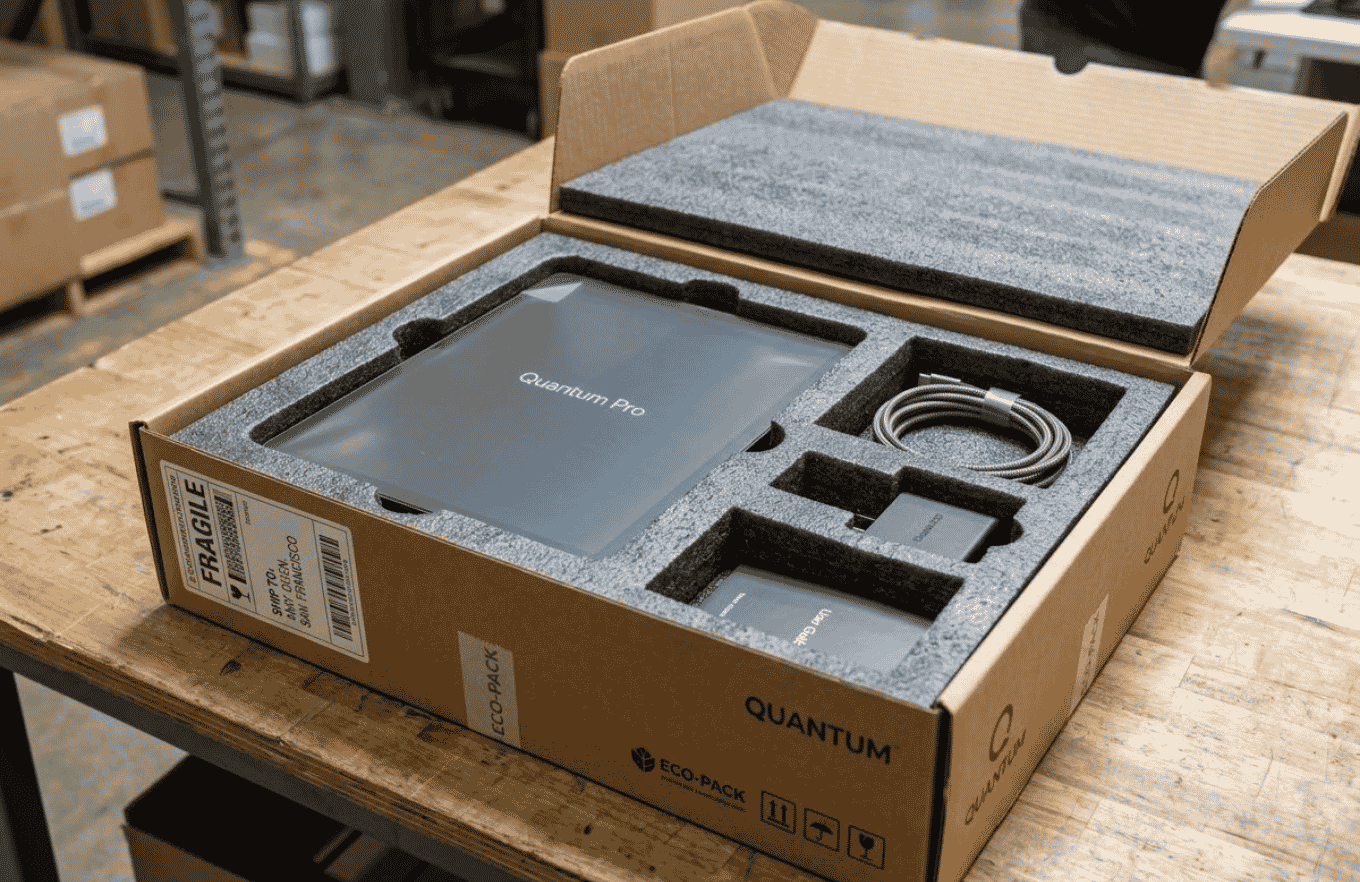
Scaling an online business introduces another challenge: consistency. A packaging design that works for 50 orders must continue working when order volumes reach thousands.
Material thickness, dimensions, density, and cutting accuracy can all affect how consistently products are packed. Reliable production therefore becomes an important part of packaging planning.
For e-commerce operations, this consistency can simplify warehouse processes and reduce the number of packaging adjustments employees need to make during fulfillment.
Packaging should not always be treated as the final step before shipping. Testing protective requirements during product development can reveal weaknesses before large-scale orders begin.
That early planning can help businesses select suitable materials, optimize box dimensions, and reduce avoidable packaging changes later.
The USA remains an important market for e-commerce operations where dependable protective packaging can support high-volume fulfillment and customer expectations.
A good packaging decision should consider more than today's unit price. Businesses should think about product damage rates, returns, shipping efficiency, material usage, warehouse handling, and customer experience.
Moreover, a packaging supplier should be able to understand the application rather than simply provide a generic material. This allows businesses to make decisions based on actual product requirements.
Samad Foam works with businesses seeking foam solutions for commercial applications, with an emphasis on consistent manufacturing and practical material selection.
E-commerce packaging has evolved from a basic protective layer into an important part of product strategy. The right foam solution can help reduce damage, improve handling, support shipping efficiency, and create a better delivery experience.
For growing online businesses, investing in suitable protective materials can therefore deliver value well beyond the packaging itself. Samad Foam can help businesses evaluate foam requirements and develop solutions suited to their products, production needs, and commercial goals.
Contact Samad Foam today for customized packaging foam solutions that protect products, improve shipping efficiency, and support dependable e-commerce growth worldwide.
It can cushion products against impacts, reduce movement inside cartons, and create separation between fragile surfaces and external packaging forces during transportation.
Yes, depending on the product and performance requirements, recycled foam materials can be considered where businesses want to incorporate recycled content into protective packaging.
Businesses should consider product weight, fragility, dimensions, shipping conditions, cushioning requirements, package size, material performance, and expected order volume before selecting foam.
.svg)

.svg)