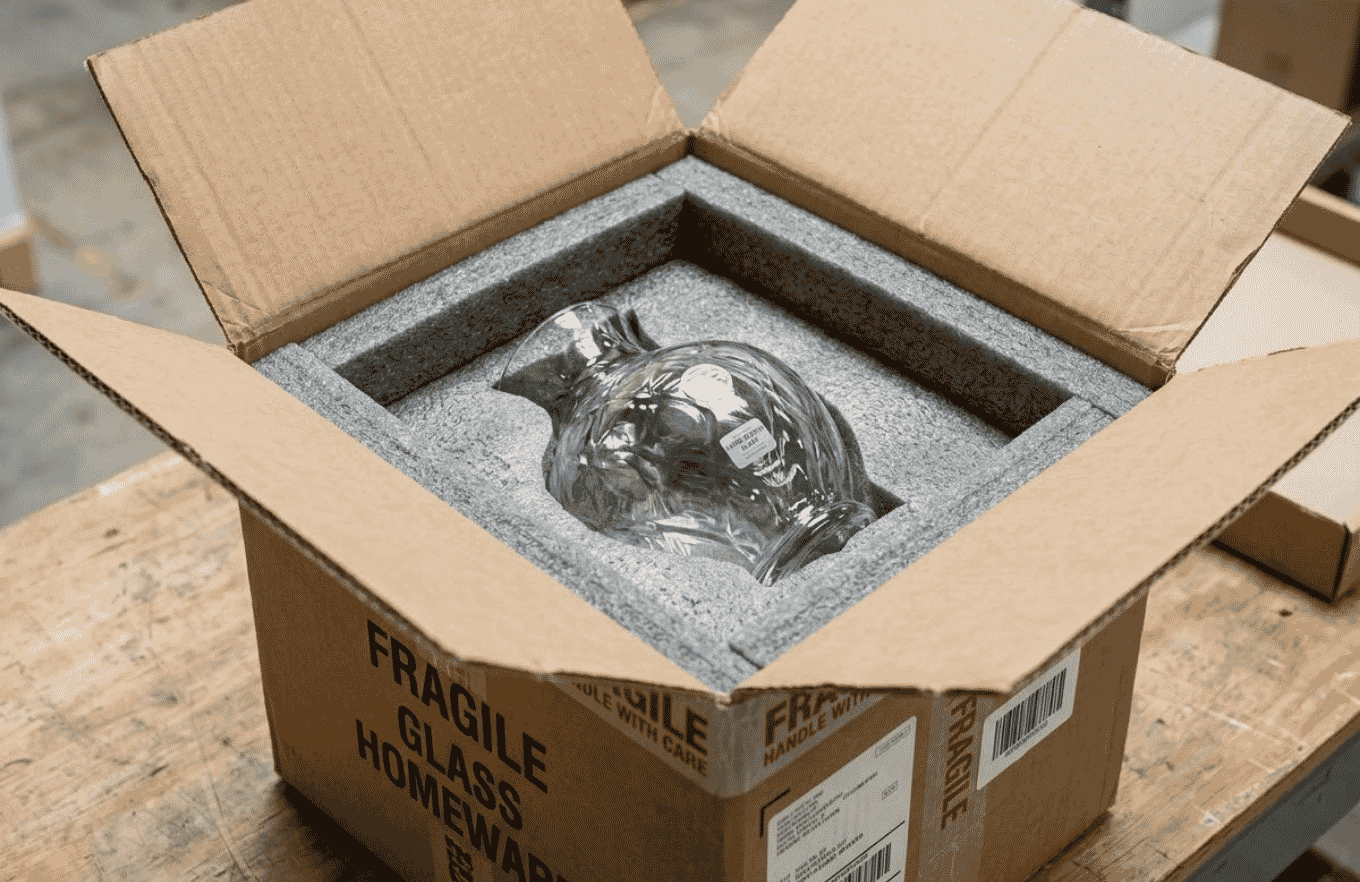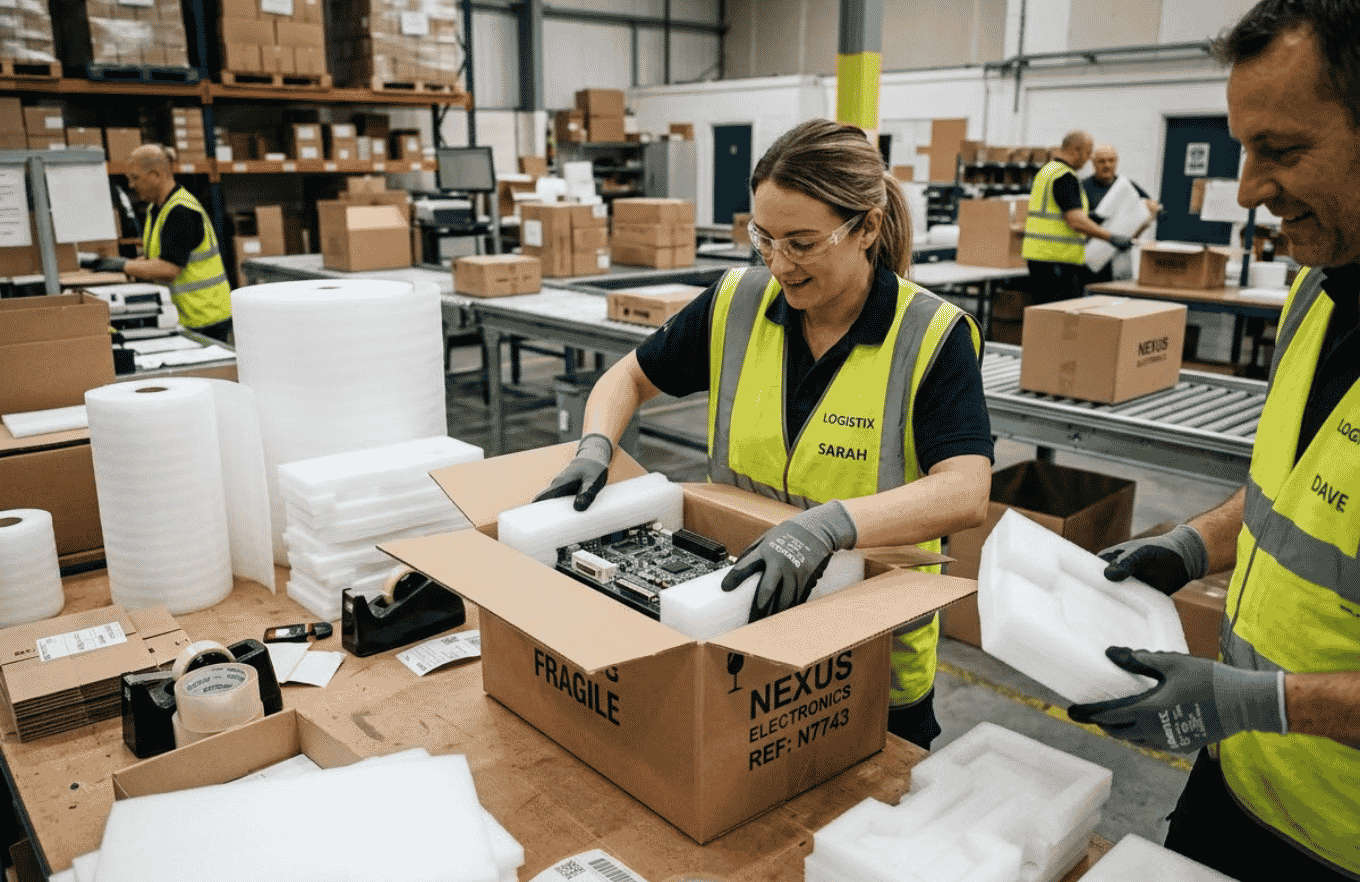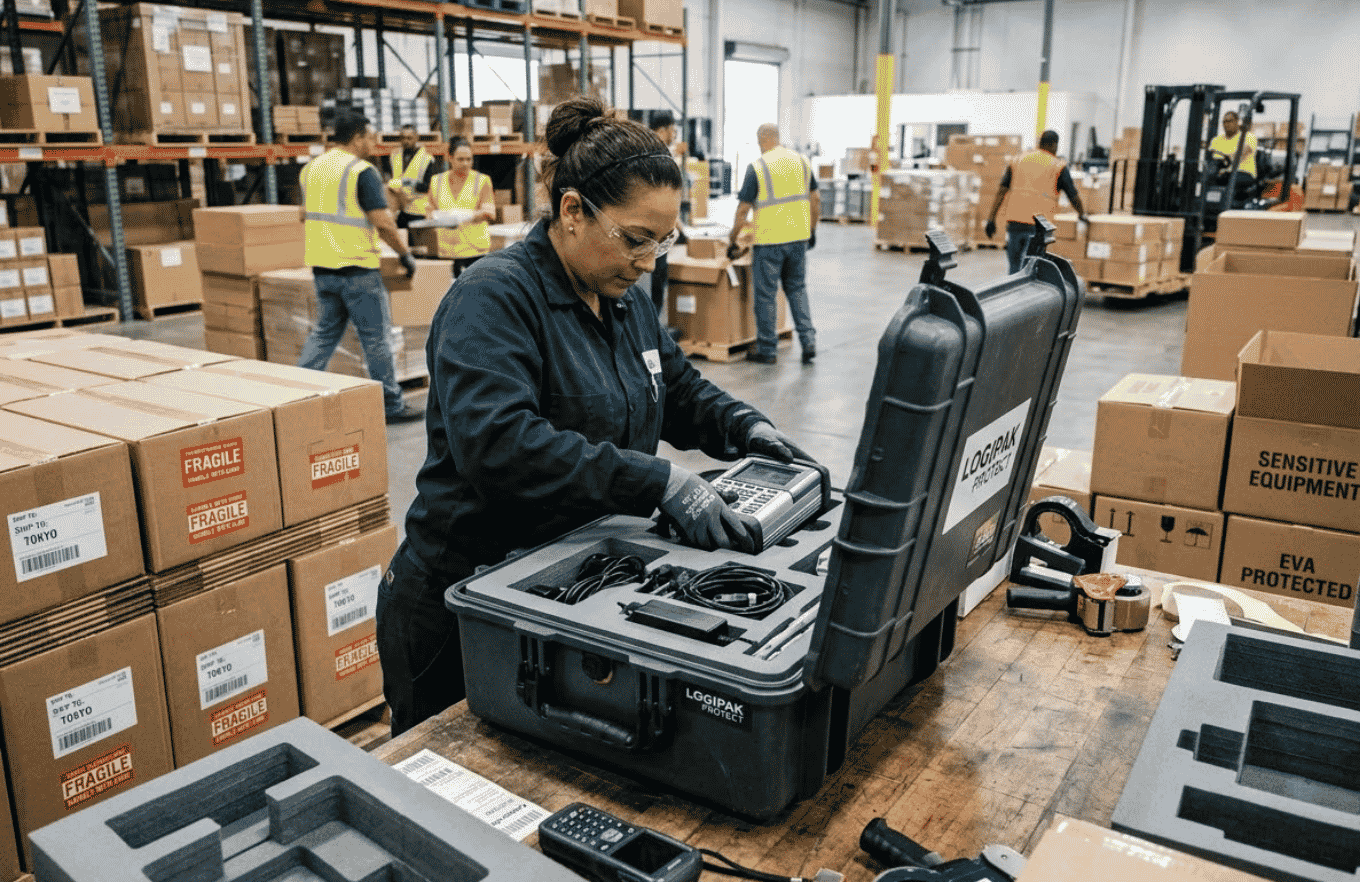
When a product needs protection from sudden force, choosing the right foam can make a surprisingly big difference. Packaging inserts, protective components, sports equipment, automotive parts, and industrial products may all experience drops, compression, vibration, or repeated impact. In these situations, TPE Foam can offer a useful combination of flexibility, resilience, and cushioning, while alternative materials may bring different performance advantages. The better choice depends on what kind of impact the product experiences, how frequently it occurs, and what other properties the finished component requires. A material that absorbs one type of force effectively may not be ideal for another. In this blog, we are going to compare TPE and LDPE foam to understand how their impact absorption characteristics differ and where each material can make the most sense.
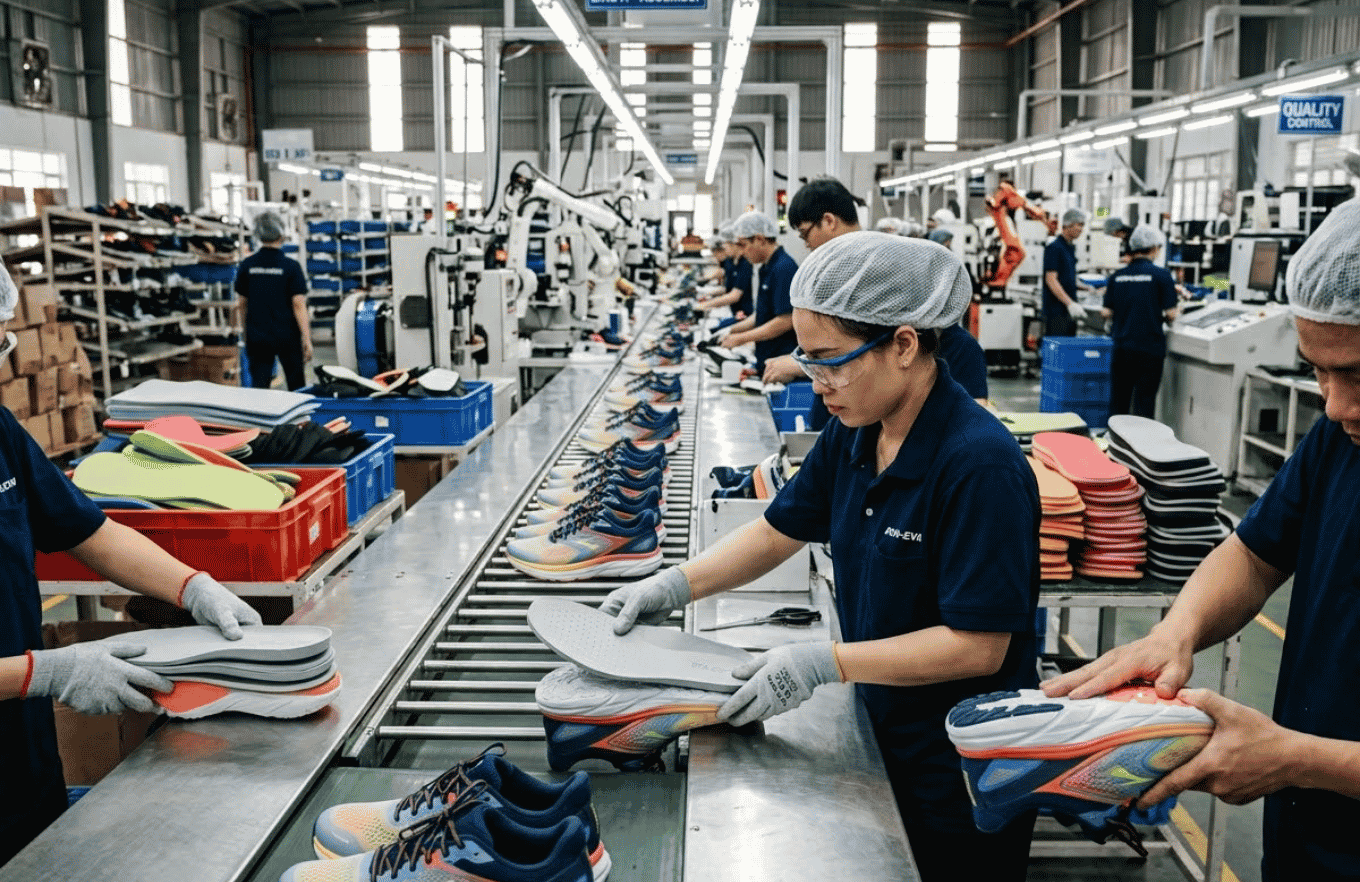
Impact absorption is not simply about making a material soft. A useful protective foam needs to deform under force, absorb part of the energy, and recover appropriately afterward.
Several factors influence this behavior, including density, thickness, cellular structure, flexibility, resilience, and formulation. The design of the finished component also matters because geometry can determine how force is distributed through the material.
A very soft foam may compress quickly but provide limited protection once it reaches its compression limit. A firmer material may distribute force differently and perform better under repeated loading.
That is why material selection should begin with the actual impact conditions rather than simply choosing whichever foam feels softer by hand.
For applications requiring flexibility and repeated recovery, TPE Foam can provide a useful balance of cushioning and resilience. Its elastic characteristics can allow the material to deform when force is applied and recover afterward.
This can be valuable in products exposed to repeated impacts rather than one isolated event. If a protective component is compressed again and again, its ability to recover can influence its useful performance over time.
The exact behavior still depends on formulation, density, thickness, and application. There is no universal foam specification that automatically wins every impact test.
LDPE foam is widely considered when lightweight cushioning, flexibility, and protective performance are required. Its closed-cell structure can provide useful resistance to compression and help protect products from knocks and movement during handling.
For packaging applications, LDPE Foam can be particularly practical because it combines lightweight construction with cushioning and protective characteristics.
It can also be useful when moisture resistance and low material weight matter alongside impact protection. The right grade, thickness, and density remain important because these factors influence the final result.
A short, sharp impact is different from repeated compression during transportation. Likewise, protecting a fragile electronic component requires a different approach from cushioning an industrial part.
This is why comparing materials only by general descriptions can lead to poor purchasing decisions. Actual impact conditions should guide the specification.
Repeated-use applications place additional demands on foam. The material must continue providing suitable cushioning after multiple compression cycles rather than losing performance too quickly.
Here, the resilience of TPE Foam can be attractive for products where recovery and flexibility are important. Meanwhile, LDPE-based solutions may be preferable where lightweight cushioning, structural support, or protective packaging characteristics are the priority.
Samad Foam evaluates foam requirements according to application needs, helping manufacturers consider material properties rather than choosing solely by price.
Impact protection may be the main requirement, but it is rarely the only one. Manufacturers should also consider weight, moisture exposure, temperature, flexibility, compression behavior, dimensional requirements, processing methods, and expected service life.
Moreover, the thickness of the foam can significantly influence how much energy it can absorb. Increasing thickness does not automatically guarantee better performance, but it can provide additional space for controlled deformation in some applications.
In Europe, Samad Foam supports international customers seeking foam solutions for commercial and industrial applications where consistent material performance matters.
The USA is another market where protective foam may need to satisfy demanding requirements across packaging, manufacturing, sports, and industrial applications.
Laboratory specifications are useful, but application-specific testing can provide a much clearer picture. Manufacturers should consider testing representative samples using the expected load, impact conditions, temperature, and frequency of use.
This approach can prevent a common mistake: selecting a material because it performs well in theory without confirming whether it works effectively in the actual product.
There is no universal winner between these two materials. TPE Foam can be an excellent option when flexibility, resilience, and repeated recovery are central requirements.
By comparison, LDPE Foam may be better suited to applications prioritizing lightweight cushioning, protective packaging, and dependable compression performance.
Samad Foam helps businesses assess foam requirements based on the intended application, allowing material selection to focus on practical performance rather than a one-size-fits-all comparison.
The best impact-absorbing foam depends on the force involved, frequency of impact, product design, environmental conditions, and required service life. TPE can bring strong resilience and flexibility, while LDPE offers useful lightweight cushioning and protective characteristics.
Rather than asking which material is universally better, manufacturers should ask which material fits their specific impact scenario. Samad Foam provides application-focused foam manufacturing support to help businesses make that decision with greater confidence.
Contact Samad Foam today for application-focused foam solutions, material guidance, customized specifications, and dependable manufacturing support for impact protection requirements worldwide.
Not universally. TPE may suit applications requiring resilience and repeated recovery, while LDPE can work well for lightweight cushioning and protective packaging.
Density, thickness, cellular structure, hardness, resilience, formulation, impact speed, load, and the design of the finished component can all influence performance.
Manufacturers should evaluate the expected impact type, frequency, compression requirements, environment, product weight, thickness, durability expectations, and application-specific testing results.
.svg)

.svg)