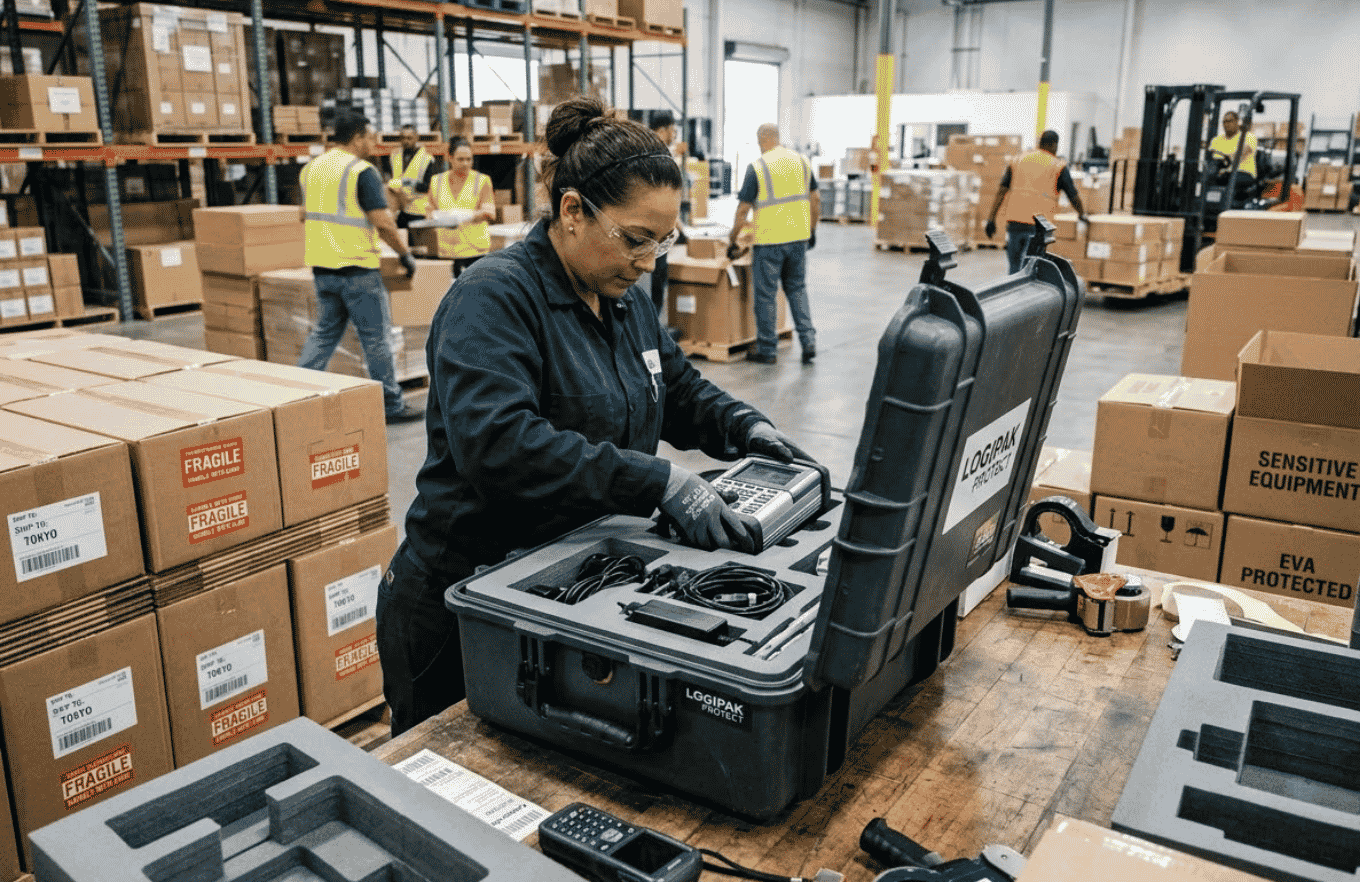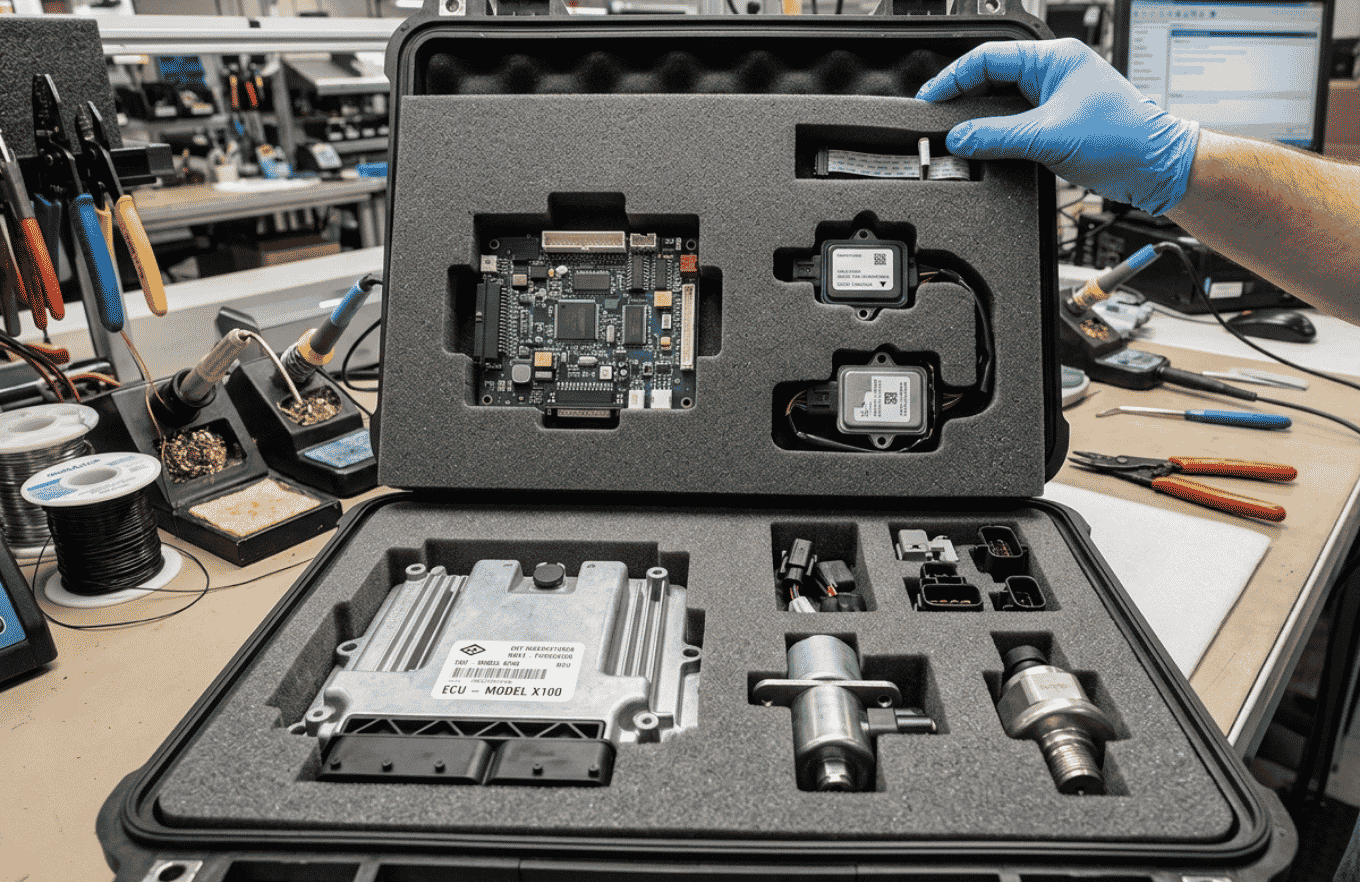
Packaging foam has become a core component in modern industrial supply chains. From protecting fragile electronics to securing heavy machinery, packaging foam ensures products reach their destination intact. Within the first few steps of logistics, the choice of material matters more than most businesses realize. Well, packaging foam is not just about cushioning. It is about performance, efficiency, and long-term reliability. As industries evolve, manufacturers are also integrating recycled foam into solutions to meet sustainability demands without compromising strength or protection.
Packaging foam is designed to absorb shock, resist pressure, and maintain structural integrity during transit. In industrial environments, products are exposed to vibrations, impacts, and varying temperatures. Without proper protection, even minor damage can lead to significant losses. This is where high-quality foam solutions step in.
Samad Foam has been working with businesses across the USA to provide reliable solutions tailored to industrial needs. Their materials are engineered to handle complex packaging challenges while maintaining consistency in performance. The right foam reduces product returns, improves customer satisfaction, and enhances brand credibility.

Polyethylene foam is widely used due to its durability and lightweight nature. It offers excellent shock absorption and is resistant to moisture and chemicals. This makes it ideal for packaging electronics, automotive parts, and medical equipment. Its closed-cell structure ensures long-lasting protection even in demanding conditions.
Polyurethane foam is softer and more flexible compared to PE foam. It is commonly used for cushioning delicate items like glassware and sensitive instruments. Its ability to conform to shapes makes it a preferred choice for custom packaging solutions. However, it is less resistant to moisture compared to other options.
EPS foam is known for its rigid structure and strong impact resistance. It is often used for packaging appliances and heavy-duty items. While it provides excellent protection, industries are gradually shifting towards more sustainable alternatives, including recycled foam, to reduce environmental impact.
Cross-linked foam offers a smoother surface and higher strength. It is commonly used in high-end packaging where both aesthetics and protection matter. This type of foam is often seen in luxury product packaging and specialized industrial applications.

Sustainability is no longer optional. Many industries are now integrating recycled foam into their packaging strategies to reduce waste and meet environmental standards. Recycled foam provides a balance between performance and eco-consciousness.
Samad Foam has expanded its product range to include environmentally responsible solutions, especially for clients in Europe where sustainability regulations are stricter. These materials maintain durability while reducing the carbon footprint of packaging operations.
Using recycled foam not only helps the environment but also enhances brand perception. Customers are increasingly drawn to businesses that adopt greener practices without compromising quality.
Selecting the right packaging foam depends on several factors, including product type, transportation conditions, and budget. A lightweight product may require flexible cushioning, while heavy machinery needs rigid support.
Density plays a critical role in determining how much impact the foam can absorb. Thickness is equally important, as it directly affects the level of protection. Businesses should also consider environmental exposure, such as humidity or temperature fluctuations, when choosing materials.
Samad Foam works closely with industries to assess these requirements and deliver tailored solutions that align with operational goals. Their expertise ensures that every packaging solution is optimized for performance and cost efficiency.
Modern packaging foam solutions address several common industrial challenges. Damage during transit is one of the biggest concerns, especially for fragile or high-value products. Foam materials are designed to absorb shocks and minimize movement within packaging.
Another challenge is cost efficiency. Poor packaging leads to returns and replacements, increasing operational costs. High-quality foam reduces these risks and ensures consistent product delivery.
Sustainability is also a growing concern. By incorporating recycled foam, businesses can reduce waste while maintaining packaging performance. This balance is essential for companies aiming to meet global environmental standards.

The future of packaging foam is shifting towards smarter, more sustainable solutions. Innovations are focusing on lightweight materials that offer maximum protection with minimal resource usage. Advanced manufacturing techniques are also improving consistency and customization.
Samad Foam continues to adapt to these trends by investing in research and development. Their approach combines innovation with practical application, ensuring that industries receive solutions that meet both current and future demands.
Get reliable packaging foam solutions tailored to your industry needs. Contact our team today for expert guidance and customized support that enhances product safety and efficiency.
Packaging foam is more than just a protective layer. It is a strategic component that influences product safety, cost efficiency, and customer satisfaction. From polyethylene to recycled foam, each type serves a unique purpose in industrial applications. Businesses that invest in the right materials gain a competitive edge by reducing damage, improving logistics, and aligning with sustainability goals. With evolving industry demands, choosing a trusted partner like Samad Foam ensures long-term reliability and performance in every shipment.
The best packaging foam depends on the product type and shipping conditions. Polyethylene foam is widely preferred for its durability, while polyurethane foam is ideal for delicate items requiring soft cushioning.
Recycled foam reduces waste and lowers environmental impact while maintaining protective qualities, making it a practical choice for eco-conscious businesses.
Industries such as electronics, automotive, healthcare, and manufacturing rely heavily on packaging foam to ensure safe transportation and product integrity.
.svg)

.svg)