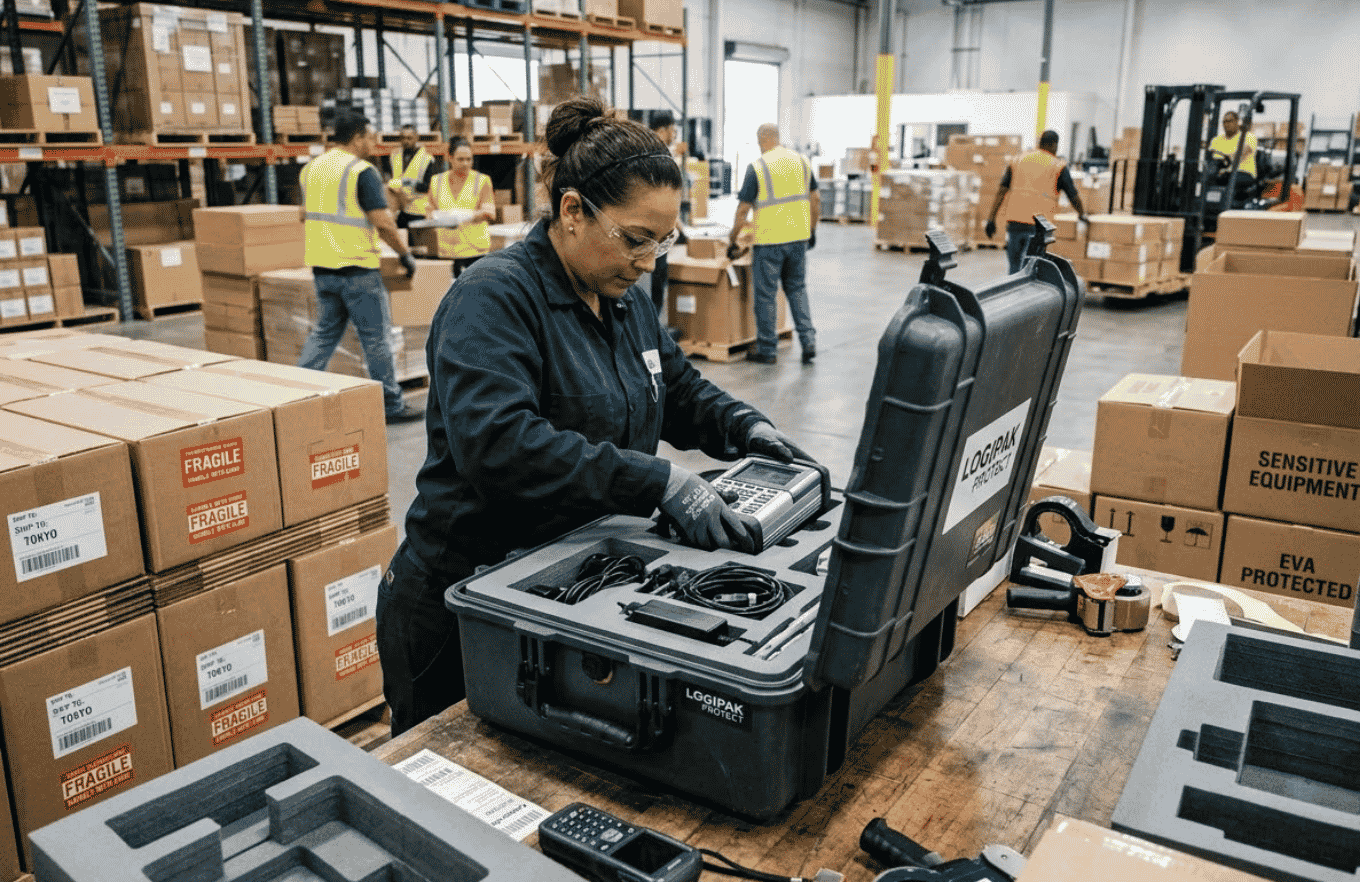
Buying foam in bulk is not simply about finding the lowest price per roll, sheet, or unit. When thousands of units are involved, a small difference in material quality can quickly become a major production issue. TPE Foam is valued for its flexibility, resilience, lightweight structure, and suitability for various commercial applications, but those benefits depend heavily on choosing the right specification and supplier. Bulk buyers need to look beyond samples and quotations to evaluate consistency, physical properties, customization, supply capacity, and long-term value. A smart purchase should fit both the product and the production process. In this blog, we are going to explore six important factors that can help businesses evaluate bulk foam purchases more confidently and avoid costly surprises later.
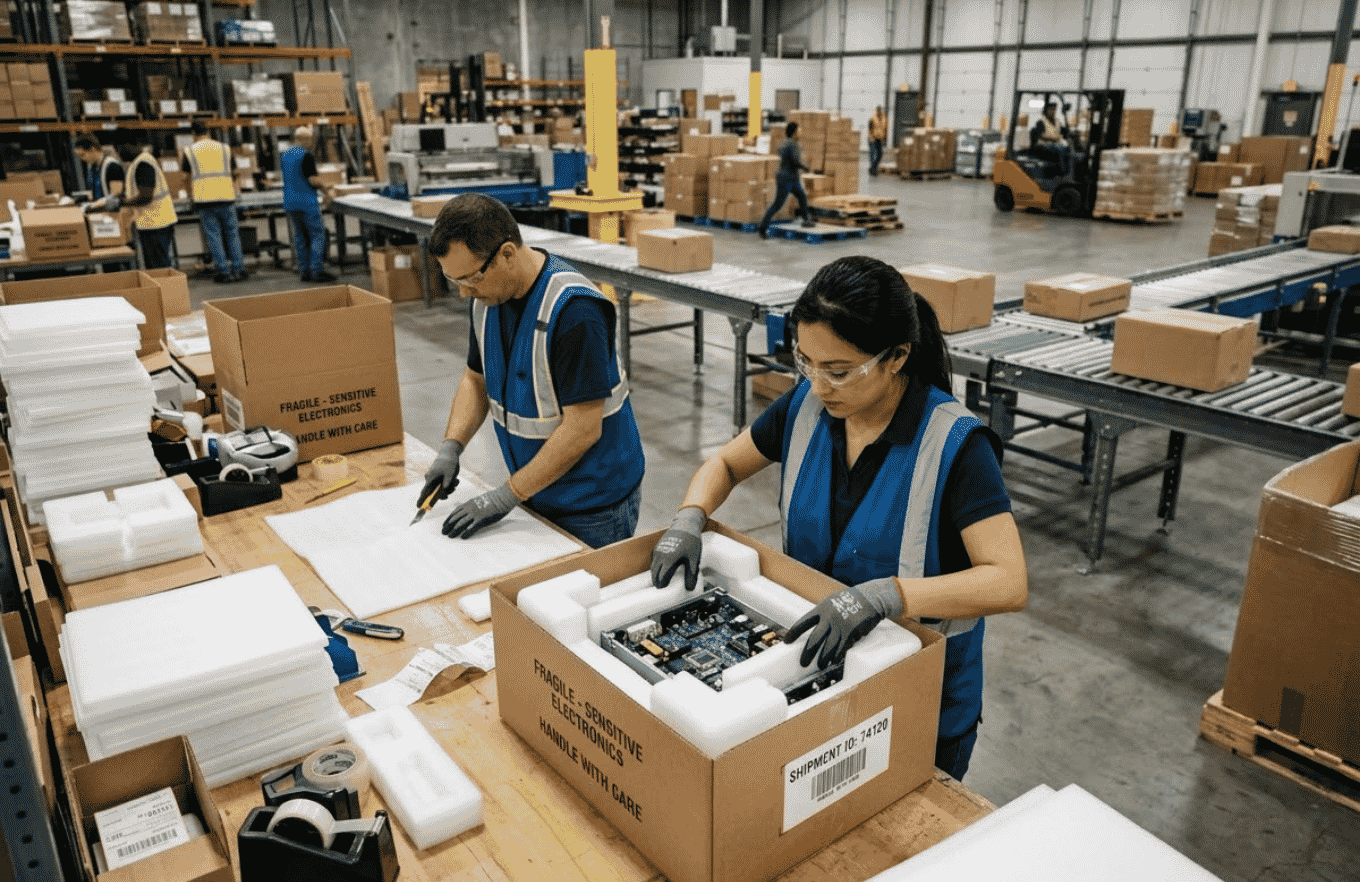
The first consideration should always be how the foam performs under its intended conditions. Different products can demand different levels of flexibility, cushioning, resilience, compression resistance, and durability.
A supplier should be able to provide clear technical specifications rather than relying on vague descriptions such as "premium" or "high quality." Buyers should understand whether the material is suitable for repeated compression, bending, impact, or prolonged use.
A sample can demonstrate appearance and basic feel, but bulk purchasing requires confidence that the same characteristics will remain consistent throughout production. Ask about material specifications, testing procedures, and batch-to-batch controls before placing a large order.
Density and hardness can significantly influence how foam behaves in a finished product. Density relates to the material's mass within a specific volume, while hardness indicates its resistance to indentation.
The correct combination depends on the application. A cushioning product may require a softer feel, whereas an industrial component might need greater structural support.
LDPE Foam can also be considered where different performance characteristics are required, particularly when lightweight protection, cushioning, or packaging performance is a priority. Comparing materials according to the actual application is more useful than assuming one foam works for every purpose.
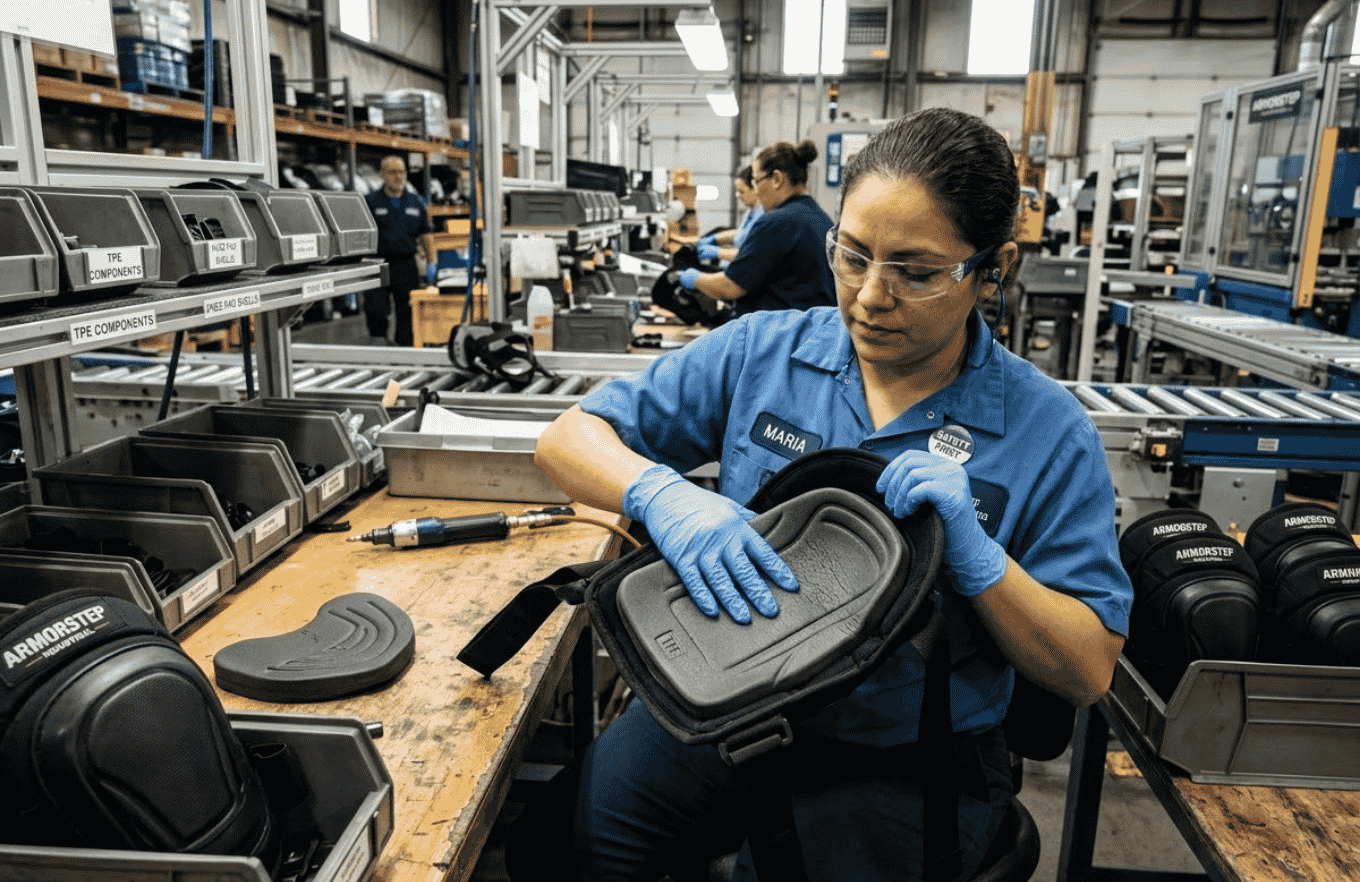
Consistency becomes extremely important when purchasing large quantities. Variations in thickness, width, density, or surface characteristics can create problems during cutting, laminating, molding, or assembly.
For example, if a manufacturer purchases hundreds of foam sheets and their thickness varies noticeably, downstream equipment may require adjustments or finished products may fail to meet specifications.
Samad Foam emphasizes consistent manufacturing practices to help businesses maintain predictable material performance across larger requirements. Clear specifications established before production can make quality checks considerably easier.
Consistent material reduces waste and helps manufacturers maintain uniform finished products. It can also simplify inventory planning because purchasing teams know what characteristics to expect from one shipment to the next.
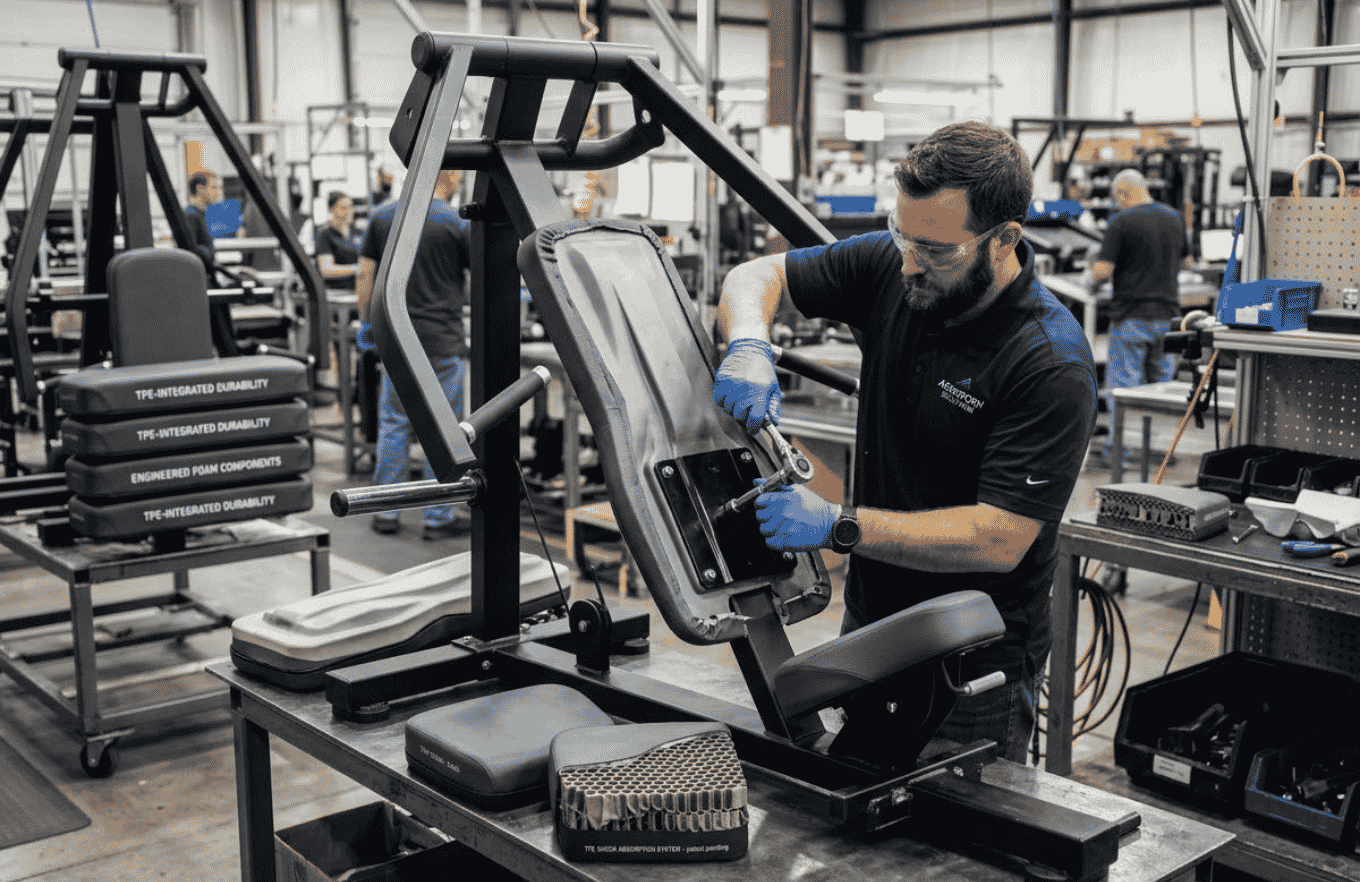
Bulk buyers should consider whether standard foam specifications are genuinely suitable for their products. Sometimes a small adjustment in thickness, dimensions, density, or surface characteristics can make the material much more practical for manufacturing.
Customization can be particularly valuable when foam must fit a particular component or production line. Instead of adapting the product around an unsuitable material, businesses can discuss application requirements with the supplier before manufacturing begins.
Samad Foam works with businesses requiring foam solutions aligned with different commercial and industrial applications, helping buyers consider material requirements before committing to large-volume production.
A low quotation can look attractive until hidden costs enter the equation. Shipping, waste, inconsistent batches, storage requirements, production delays, and replacement orders can all affect the real cost of bulk purchasing.
For this reason, buyers should compare the total value provided by each supplier. A slightly higher initial price may make financial sense if the material delivers better consistency, fewer production problems, and more predictable supply.
Furthermore, purchasing teams should consider whether the supplier can maintain pricing and specifications as order volumes change.
Bulk purchasing requires more than manufacturing capability. A supplier must have the capacity to handle recurring orders, communicate clearly, and maintain agreed specifications as demand grows.
In Europe, Samad Foam supports international requirements where dependable foam sourcing and consistent specifications are important for commercial buyers.
The USA is another market where manufacturers often need reliable supply arrangements that support production schedules and product quality. Buyers should therefore evaluate lead times, order capacity, packaging, logistics coordination, and communication before selecting a long-term supplier.
A bulk order should be viewed as the beginning of a supply relationship rather than a one-time transaction. Reliable communication becomes especially valuable when specifications change, demand increases, or a new product needs to be developed.
Buying foam in bulk requires careful evaluation because the wrong specification can affect quality, production efficiency, and overall costs. Material performance, density, hardness, consistency, customization, total cost, and supply capacity should all influence the final decision.
For businesses sourcing foam at scale, Samad Foam provides manufacturing expertise and application-focused solutions designed around commercial requirements. A thoughtful supplier selection process can turn bulk purchasing from a risky cost exercise into a reliable part of long-term production planning.
Contact Samad Foam today for reliable bulk foam sourcing, customized specifications, consistent quality, and professional manufacturing support tailored to your commercial requirements worldwide.
Check material specifications, density, hardness, dimensional consistency, customization options, production capacity, lead times, and the supplier's quality control process.
LDPE Foam can be suitable for applications requiring lightweight cushioning, protection, flexibility, and packaging performance, depending on the product's specific requirements.
Establish clear technical specifications, request appropriate testing information, confirm quality-control procedures, and work with a manufacturer capable of maintaining consistent production standards.
.svg)

.svg)