Sustainability is no longer just a trend. It's becoming the standard for modern manufacturing! As industries search for smarter ways to reduce waste without sacrificing performance, innovative material choices are taking center stage. One solution gaining remarkable attention is Recycled Foam, which combines environmental responsibility with durability, versatility, and long-term value. From protective packaging to construction materials, recycled foam is proving that sustainable products can perform just as effectively as traditional alternatives.
Businesses today face increasing pressure to improve efficiency while meeting environmental expectations from customers and global markets. Selecting high-quality recycled materials helps reduce waste, conserve valuable resources, and support circular manufacturing practices. Samad Foam continues supplying advanced foam solutions that meet international quality standards while serving customers across multiple industries. In this blog, we are going to explore five industries driving the growing adoption of recycled foam and why this material continues gaining momentum worldwide.
Manufacturers are rethinking how products are designed, produced, and transported. Rising environmental awareness, stricter sustainability initiatives, and increasing material costs have encouraged businesses to adopt more responsible manufacturing practices.
Modern recycled materials are no longer viewed as lower-quality alternatives. Improved processing technologies now produce foam products that deliver excellent cushioning, durability, insulation, and flexibility across numerous applications.
As industries continue balancing performance with environmental goals, recycled materials have become an important part of long-term business strategies.
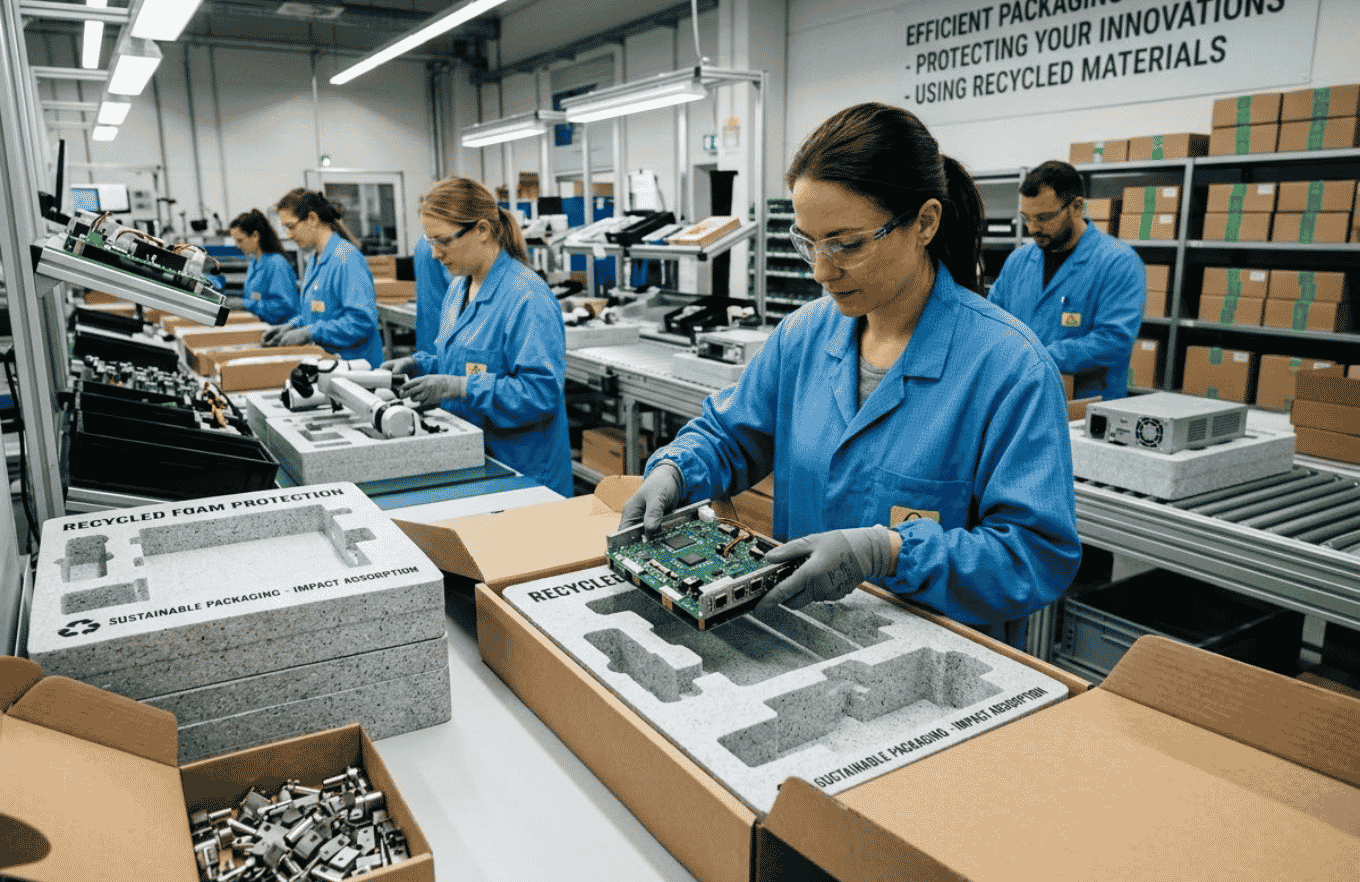
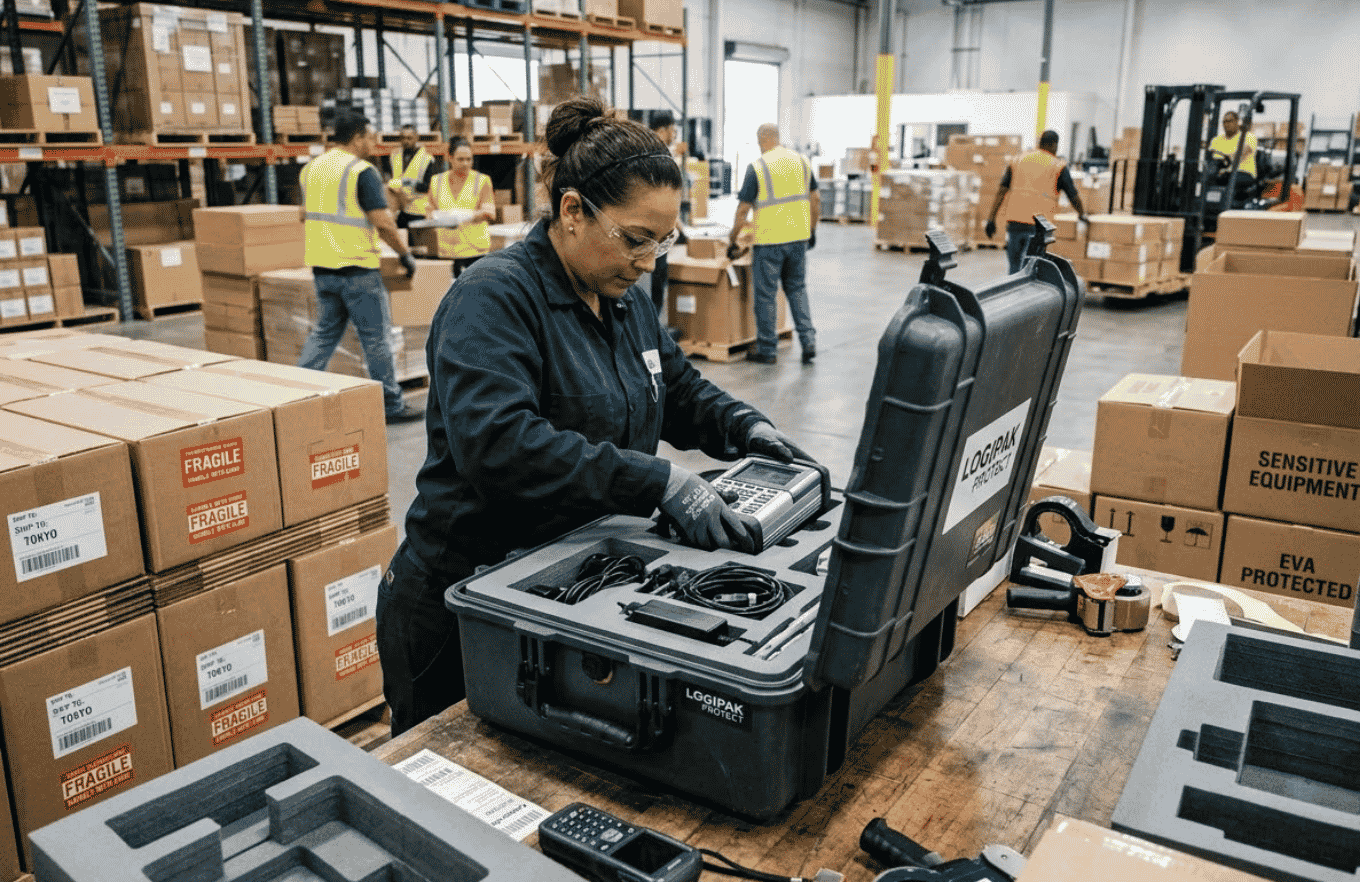
The packaging sector remains one of the largest adopters of Recycled Foam because product protection remains essential throughout shipping and storage. Businesses require materials capable of absorbing impacts while minimizing product damage and transportation costs.
Advanced foam solutions help manufacturers create lightweight protective packaging that reduces shipping weight while maintaining reliable cushioning. Improved recycling technologies have also increased confidence in recycled materials for demanding packaging applications.
Manufacturers throughout the USA increasingly choose sustainable packaging materials to improve environmental performance while maintaining high customer satisfaction.
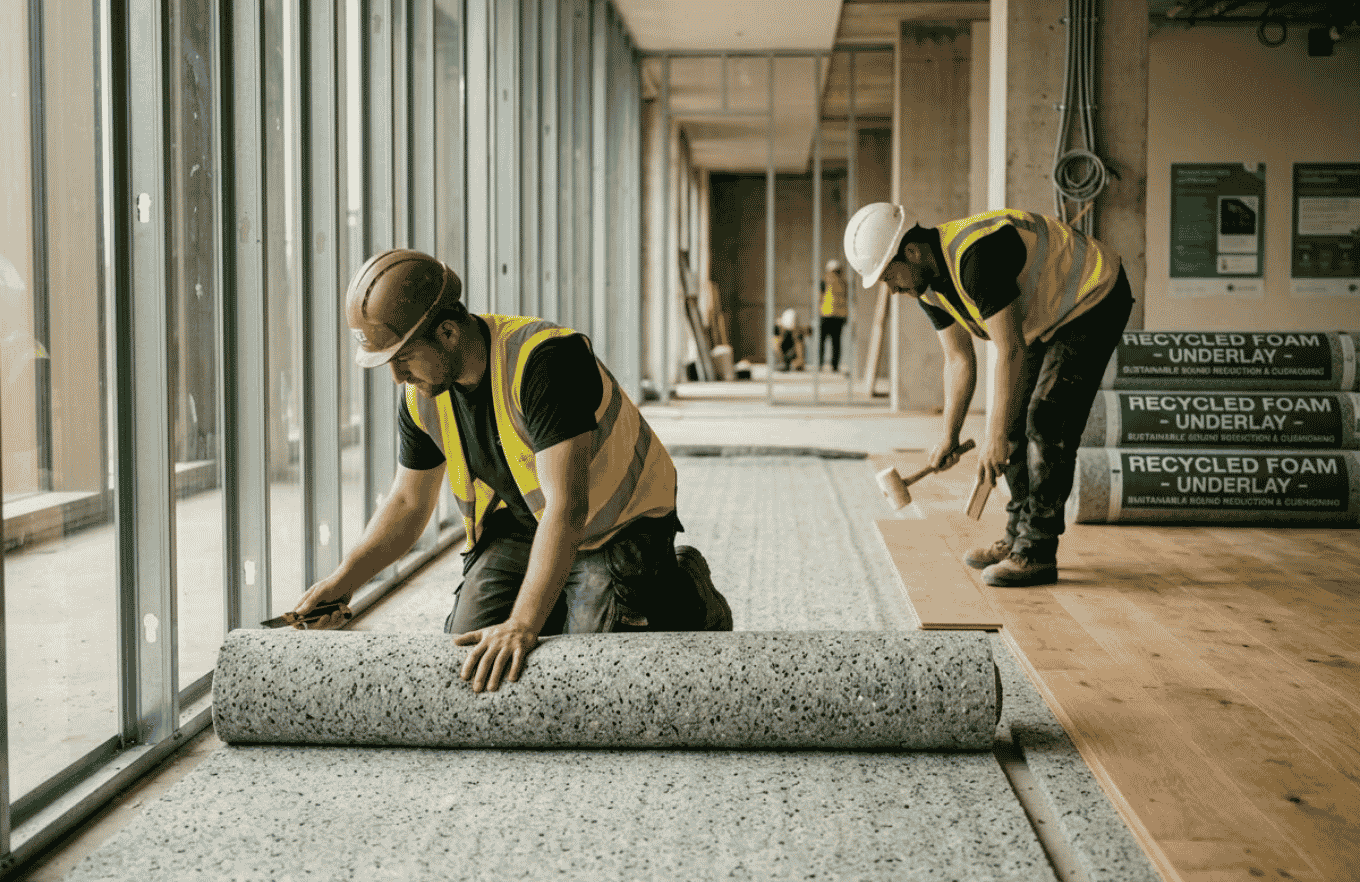
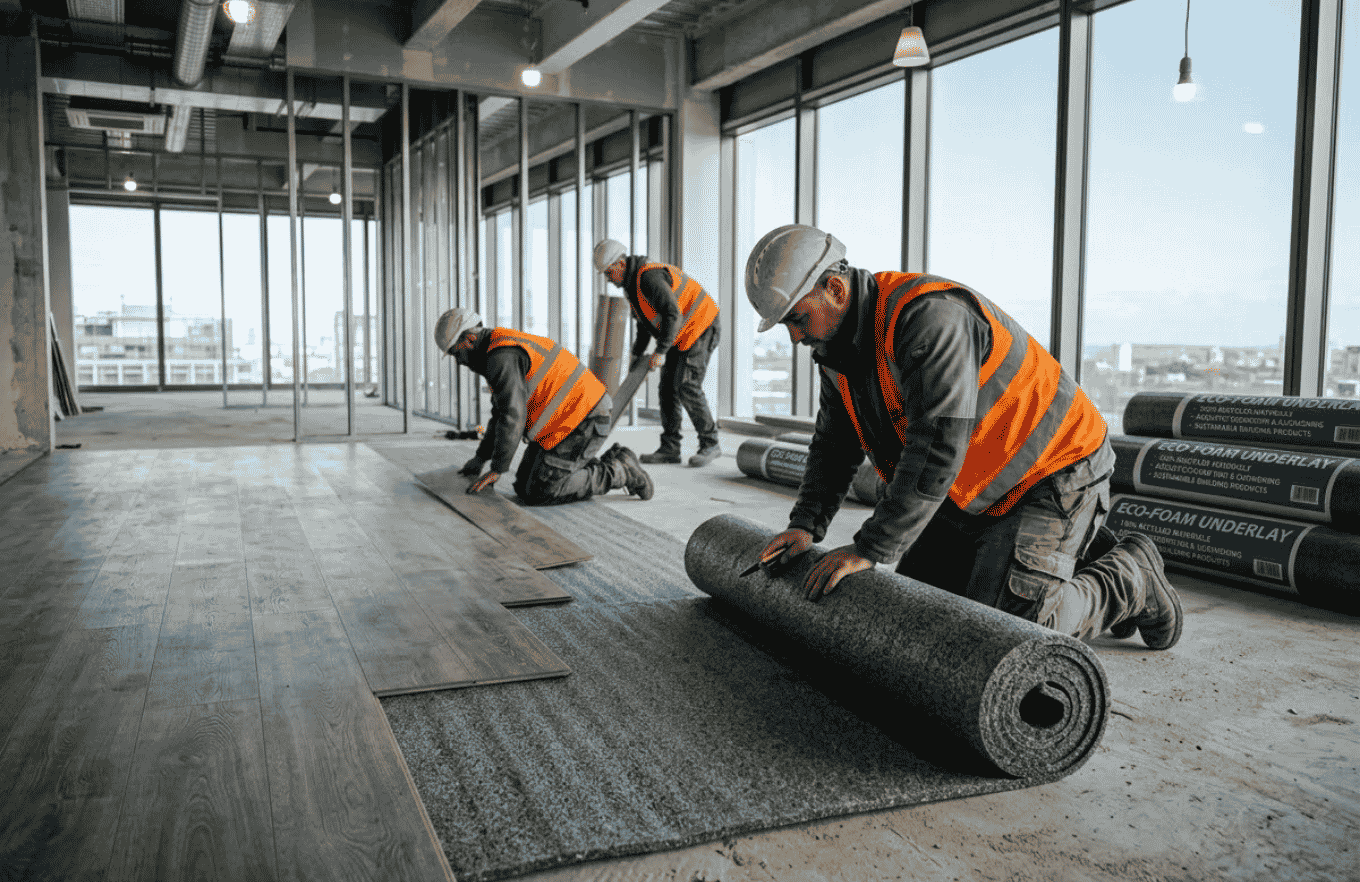
Construction projects increasingly incorporate sustainable materials to improve insulation, sound reduction, and overall building efficiency. Foam products contribute to flooring underlays, insulation systems, expansion joints, and protective construction components.
Many modern building materials also integrate EVA Foam where flexibility, cushioning, and shock absorption are required. Moreover, combining recycled content with advanced manufacturing allows builders to improve sustainability without compromising product reliability.
Samad Foam continues developing foam solutions that support evolving construction requirements while delivering dependable quality for customers across international markets.
The automotive industry continues adopting sustainable materials to improve efficiency while reducing environmental impact. Foam products are widely used for interior cushioning, insulation, protective inserts, vibration reduction, and component packaging. High-quality Recycled Foam helps manufacturers lower material waste while maintaining the durability required for demanding automotive applications.
Vehicle manufacturers also value lightweight materials because they contribute to improved transportation efficiency throughout the supply chain. Selecting sustainable foam solutions allows businesses to support both performance goals and environmental initiatives without compromising quality.
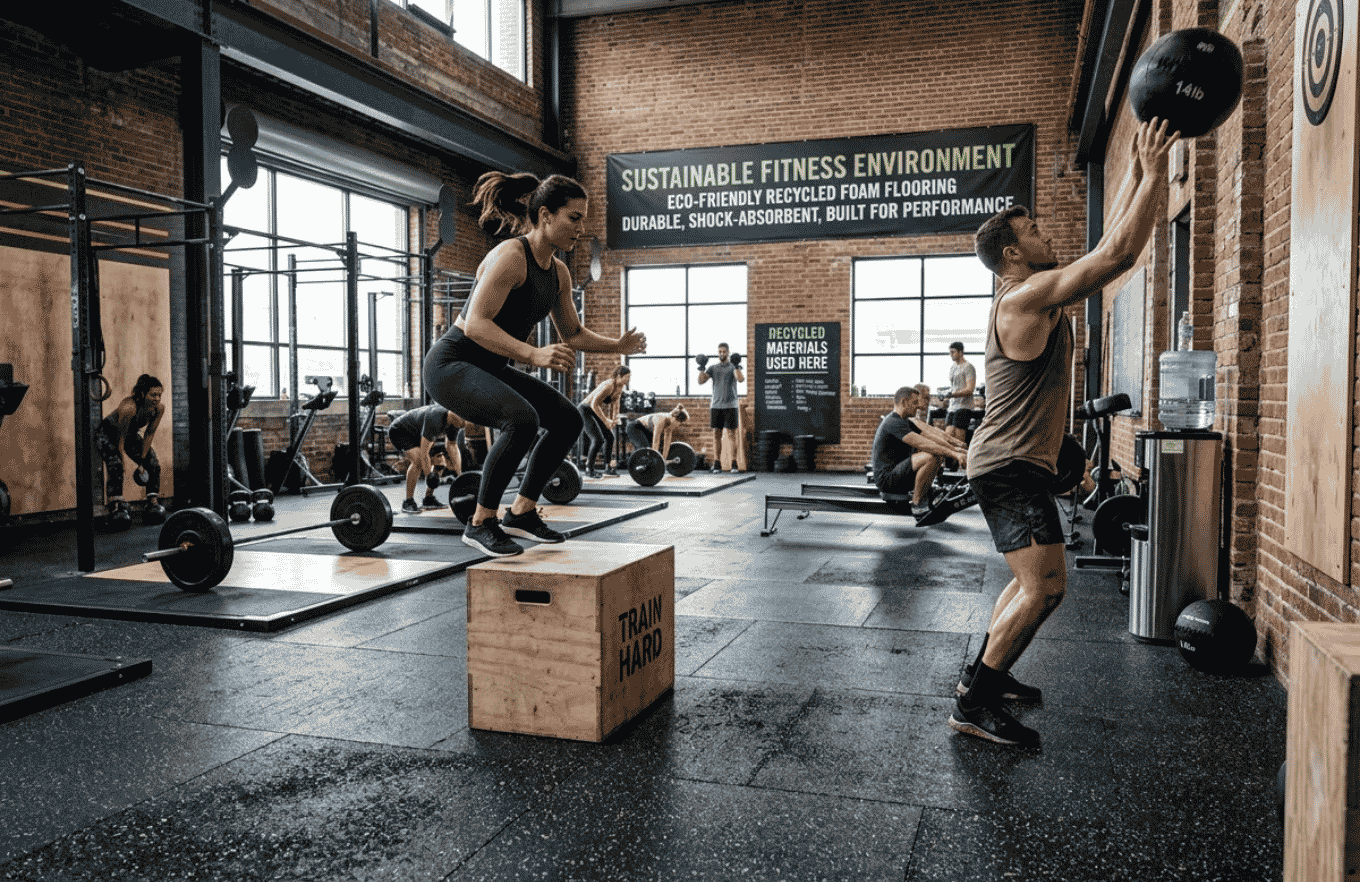
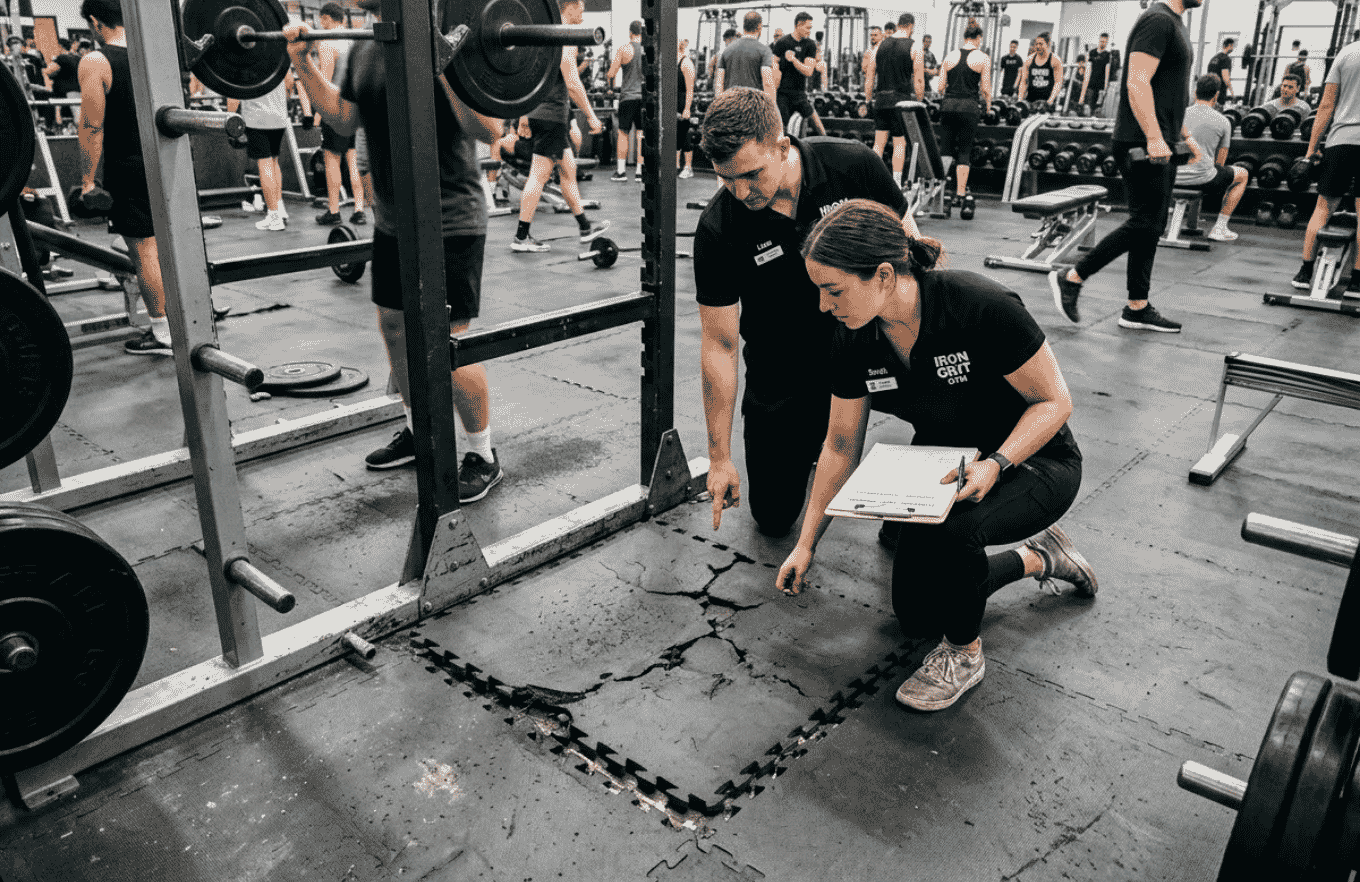
Fitness brands increasingly prioritize environmentally responsible materials while maintaining user comfort and safety. Foam products are commonly used in gym flooring, protective equipment, exercise accessories, and training surfaces where impact absorption is essential.
Premium EVA Foam remains an important material for many fitness applications because of its cushioning properties and resilience. Furthermore, incorporating recycled content into selected foam products allows manufacturers to reduce waste while continuing to meet performance expectations for commercial and recreational environments.
As consumer awareness grows, sustainable fitness products are becoming an increasingly important purchasing consideration.
Furniture manufacturers are also embracing recycled materials for cushioning, protective components, and comfort applications. Consumers increasingly expect products that combine durability with environmentally responsible production methods.
Modern foam processing technologies allow recycled materials to deliver reliable support while extending product life. This balance between sustainability and functionality helps manufacturers remain competitive as environmental standards continue evolving.
Customers throughout Europe increasingly prioritize responsibly manufactured products, encouraging businesses to adopt materials that support long-term sustainability goals. Samad Foam supplies high-quality foam solutions that help manufacturers meet these changing market expectations through dependable production and consistent quality.
The growing demand for environmentally responsible manufacturing is creating new opportunities across multiple industries. Businesses recognize that sustainable materials can improve operational efficiency, strengthen brand reputation, and support long-term environmental commitments.
Most importantly, recycled foam technology continues improving through better manufacturing techniques, stricter quality standards, and increased investment in sustainable innovation. As performance continues advancing alongside environmental benefits, more industries are expected to integrate recycled materials into future product development.
Partner with Samad Foam today for innovative recycled foam solutions that strengthen product performance, support sustainability goals, reduce manufacturing waste, and deliver dependable quality for global markets.
The adoption of Recycled Foam is accelerating because modern industries require materials that balance sustainability, performance, and long-term value. From packaging and automotive manufacturing to construction, fitness, and furniture production, recycled foam continues proving that environmentally responsible materials can meet demanding commercial requirements. Businesses investing in sustainable solutions today are positioning themselves for stronger growth and greater customer confidence tomorrow.
Packaging, automotive, construction, furniture, and sports equipment manufacturers are among the leading industries benefiting from recycled foam solutions.
Yes. EVA Foam is commonly used in applications requiring excellent cushioning, flexibility, and durability, while recycled foam supports sustainability initiatives across many industries.
Manufacturers value recycled foam because it helps reduce waste, supports sustainability goals, improves resource efficiency, and delivers reliable performance across a wide range of industrial applications.
.svg)

.svg)