Choosing the right foam material can significantly impact product performance, durability, and long-term operational costs. Industries today require materials that offer flexibility, protection, insulation, and lightweight performance all at once.
Well, businesses often begin comparing LDPE Foam with other advanced materials to determine the most efficient solution for their applications. While TPE Foam has gained attention for flexibility and elasticity, many manufacturers are now shifting toward LDPE Foam because of its cost-effectiveness, durability, and reliable industrial performance. Moreover, modern industries demand foam materials that support packaging, insulation, and shock absorption without compromising efficiency. Samad Foam continues delivering high-quality foam solutions to international markets, helping industries across the USA meet changing industrial requirements with dependable material performance.
Before choosing between these materials, it is important to understand how they function and where they perform best.
LDPE Foam is a lightweight foam made from low-density polyethylene. It is known for excellent cushioning, moisture resistance, thermal insulation, and shock absorption capabilities. Furthermore, it performs exceptionally well in industrial packaging and protective applications.
TPE Foam is produced using thermoplastic elastomers, offering flexibility and rubber-like softness. It is commonly used in applications where elasticity and comfort are important. However, its performance characteristics can differ depending on environmental and industrial demands.
Performance is one of the biggest deciding factors when selecting industrial foam materials.
One of the strongest advantages of LDPE Foam is its consistent shock absorption. It protects products from impact during handling and transportation while maintaining structural stability.
Key cushioning advantages include:
● Excellent impact resistance
● Reliable product protection
● Reduced vibration during shipping
● Long-term cushioning stability
● Lightweight protective performance
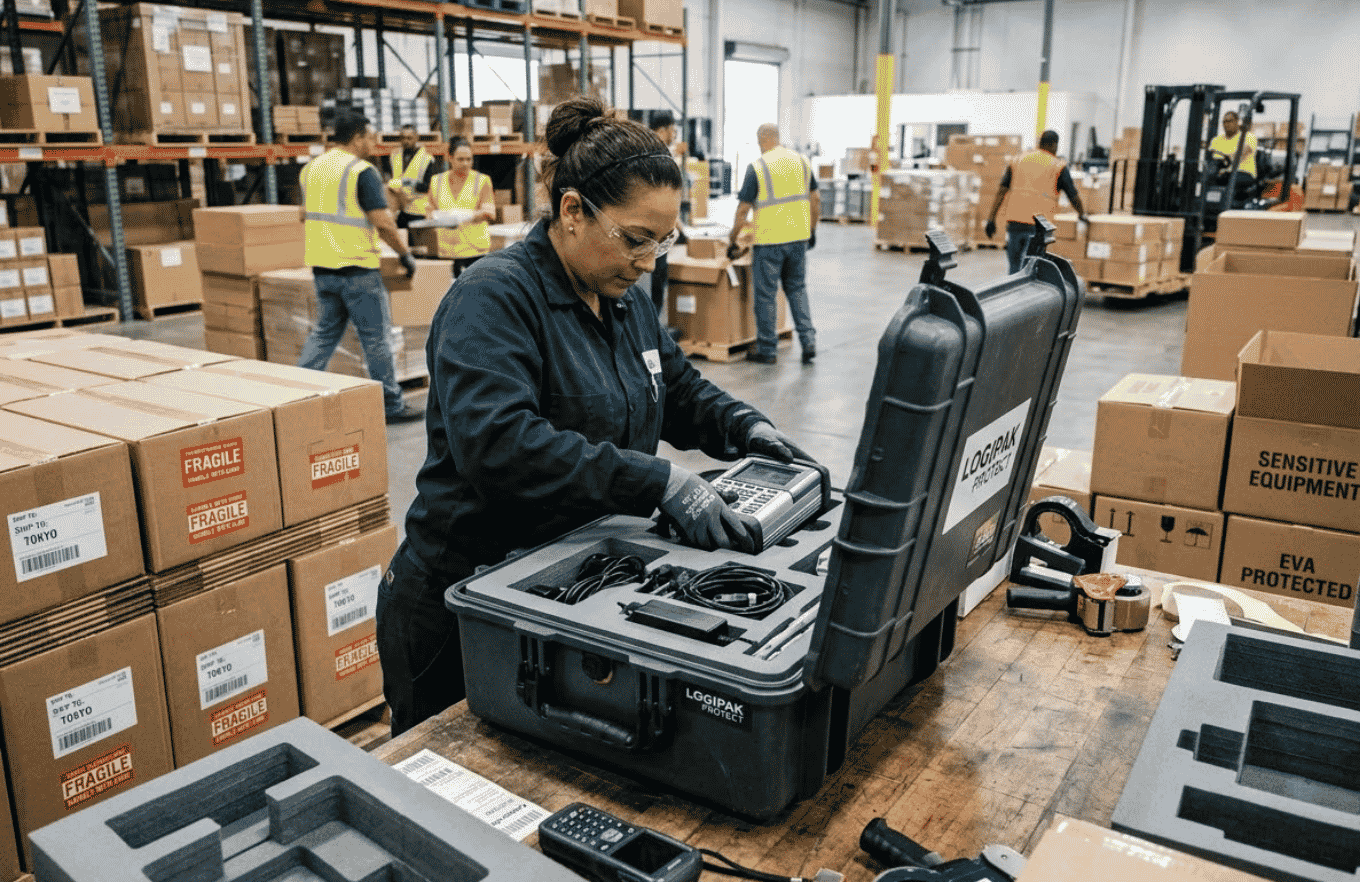
Furthermore, industries dealing with electronics and machinery often prefer this foam because it reduces damage risks during transportation.
TPE Foam performs well in applications requiring flexibility and soft-touch surfaces. However, excessive softness may not always provide the structural protection needed in industrial packaging environments.
Most importantly, businesses should evaluate whether flexibility or long-term protective durability matters more for their specific application.
Industrial materials frequently encounter moisture, temperature shifts, and chemicals during operation and storage.
Foam materials exposed to humid environments must maintain performance without degradation. LDPE Foam performs exceptionally well in moisture-prone conditions because of its closed-cell structure.
Benefits of moisture-resistant foam include:
● Better product safety during storage
● Reduced mold and moisture damage
● Longer packaging life cycle
● Improved outdoor performance
Moreover, industrial packaging companies value materials that maintain quality under unpredictable shipping conditions.

TPE Foam offers decent chemical resistance, but LDPE Foam often provides better long-term durability when exposed to industrial chemicals and environmental stress.
Samad Foam develops industrial-grade foam materials specifically designed for demanding packaging and insulation requirements across various sectors.
Budget considerations play a major role in industrial material selection.
One of the reasons industries increasingly choose LDPE Foam is its balance between performance and affordability. Businesses can achieve reliable protection without excessive production expenses.
Cost-saving benefits include:
● Reduced shipping damage costs
● Lower material weight for transportation
● Long-lasting packaging performance
● Minimal replacement requirements
Furthermore, lightweight materials help lower freight expenses, improving overall operational efficiency.
Foam materials often require customization depending on product dimensions and industry needs. LDPE Foam can be easily cut, molded, laminated, and fabricated into different shapes.
This adaptability allows manufacturers to create packaging inserts, insulation sheets, and protective layers more efficiently.
Different industries require different material characteristics. Most importantly, selecting the right foam depends on the specific operational environment.
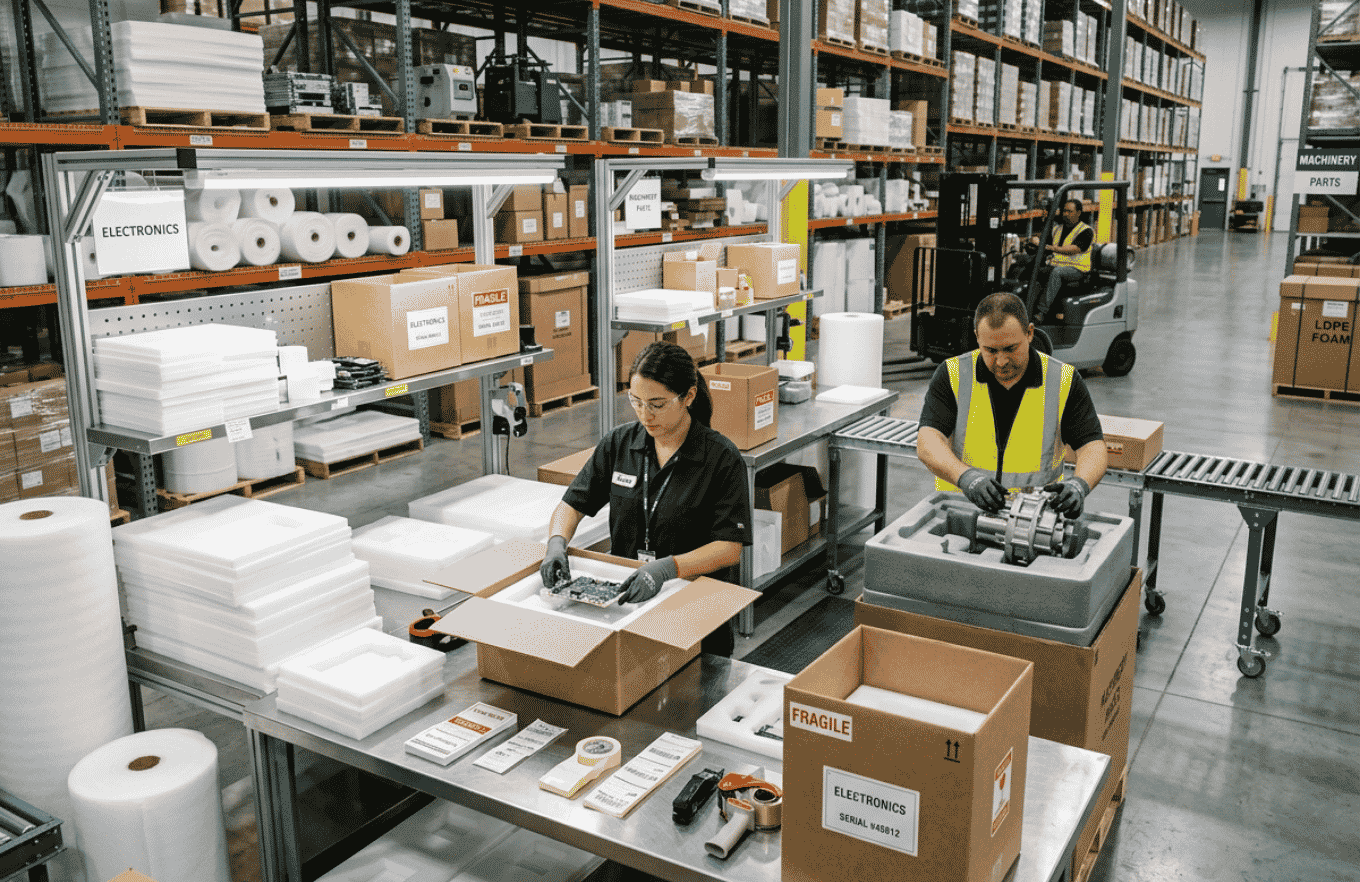
Protective packaging remains one of the largest applications for foam materials. LDPE Foam cushions fragile products while preventing scratches and movement during transportation.
Automotive manufacturers use foam for insulation and vibration reduction. Construction industries rely on foam for sealing and thermal control applications.
Sensitive equipment requires precise cushioning and insulation. Foam solutions help protect delicate components from vibration, impact, and environmental exposure.
Samad Foam has expanded internationally by supplying advanced foam solutions tailored to industrial packaging and insulation needs in Europe.
Sustainability has become an important factor in industrial purchasing decisions.
Industries are now seeking recyclable and environmentally responsible packaging solutions. Manufacturers are improving foam production methods to reduce waste and improve sustainability performance.
Sustainability-focused improvements include:
● Better recyclable foam technologies
● Reduced manufacturing waste
● Improved material efficiency
● Longer product lifespan
Moreover, businesses increasingly prioritize suppliers that support environmentally responsible production practices.
The decision ultimately depends on your operational priorities.
● Strong industrial protection
● Lightweight packaging performance
● Better moisture resistance
● Cost-effective long-term solutions
● Reliable cushioning for shipping
● High flexibility and softness
● Rubber-like feel
● Comfort-focused applications
● Elastic performance in consumer products
Most importantly, businesses should evaluate product sensitivity, environmental exposure, and transportation conditions before finalizing material selection.
Selecting the right foam material is essential for balancing protection, durability, flexibility, and operational efficiency. While both materials offer unique benefits, LDPE Foam continues gaining popularity because of its strong cushioning performance, moisture resistance, lightweight structure, and cost-effectiveness. Furthermore, industries requiring reliable packaging and insulation solutions often find it more practical for long-term industrial use. TPE Foam remains valuable for comfort-focused applications, but businesses focused on protection and shipping performance may benefit more from advanced polyethylene foam solutions. As industrial requirements continue evolving, choosing the right material can significantly improve both product safety and operational efficiency.
Contact Samad Foam today for customized industrial foam solutions that improve packaging protection, operational efficiency, and long-term product performance globally.
LDPE Foam is often preferred for industrial packaging because it offers excellent shock absorption, moisture resistance, and lightweight protective performance.
Industries including electronics, automotive, construction, medical equipment, and industrial packaging widely use LDPE Foam for protection and insulation.
TPE Foam provides greater flexibility and softness, while LDPE Foam focuses more on durability, cushioning strength, and industrial protective performance.
.svg)

.svg)