LDPE Foam has quietly become a go-to material across industries that demand stability, consistency, and long-term performance. From protective packaging to industrial insulation, its reputation continues to grow. When compared with TPE Foam, many professionals notice a clear difference in how LDPE Foam holds its structure under pressure.
The conversation around material stability is not just technical; it directly impacts product safety, durability, and cost efficiency. Whether it is handling delicate shipments or maintaining form in demanding environments, LDPE Foam often stands out.
Well, it becomes clear that choosing the right foam is less about trends and more about performance. This is where LDPE Foam proves its value, especially in applications where reliability cannot be compromised.
LDPE Foam is built with a closed-cell structure that gives it a unique balance of flexibility and rigidity. This structure prevents air and moisture penetration, which directly contributes to its stability. Unlike many materials that degrade or lose shape over time, LDPE Foam maintains its integrity even after repeated use.
This structural advantage becomes especially important in industries where consistency matters. For example, packaging materials must absorb shocks while maintaining their shape. LDPE Foam does exactly that, offering a reliable cushion without collapsing under pressure.
TPE Foam, on the other hand, is known for its elasticity and softer feel. While this makes it suitable for applications requiring flexibility, it may not always deliver the same level of dimensional stability as LDPE Foam in more demanding environments.
One of the biggest strengths of LDPE Foam is its resistance to compression. It can absorb impact and return to its original shape without permanent deformation. This makes it ideal for protective packaging and structural applications.
TPE Foam tends to compress more easily and may not fully recover its original shape after repeated stress. This difference becomes critical in long-term use scenarios.
LDPE Foam performs exceptionally well in environments where moisture is a concern. Its closed-cell design prevents water absorption, keeping the material stable even in humid conditions.
TPE Foam, while durable, may not offer the same level of resistance to environmental factors, especially in prolonged exposure scenarios.
Temperature fluctuations can affect material performance. LDPE Foam maintains its structure across a wide temperature range, making it suitable for both hot and cold environments.
TPE Foam can soften or lose firmness under extreme heat, which may impact its overall stability depending on the application.

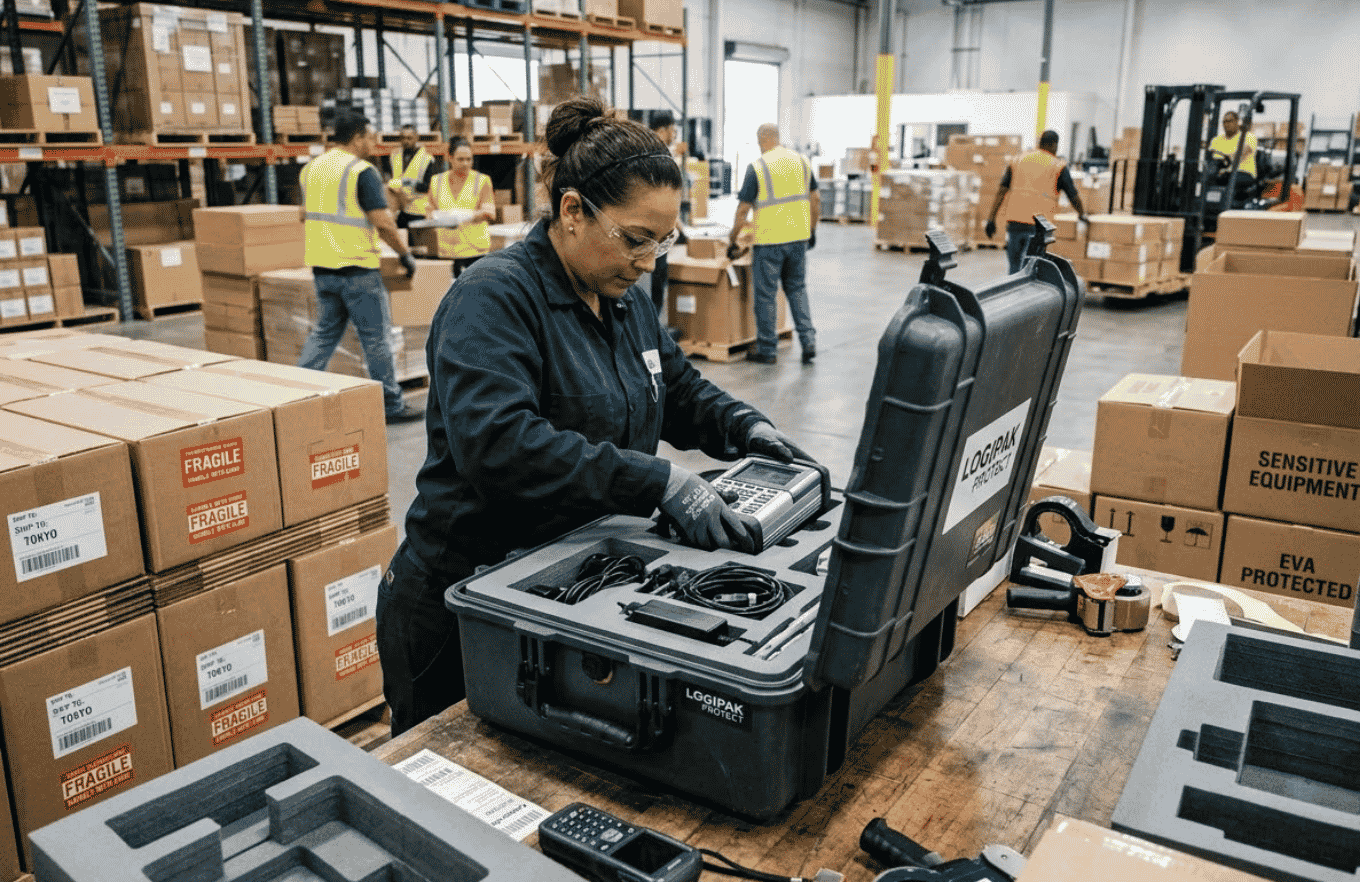
In packaging, stability is everything. LDPE Foam provides consistent cushioning, ensuring products remain secure during transit. Its ability to retain shape means fewer risks of damage.
Companies like Samad Foam have leveraged this property to deliver reliable packaging solutions not only locally but also in the USA market, where shipping standards are highly demanding.
Industrial environments require materials that can handle pressure, temperature changes, and wear over time. LDPE Foam fits perfectly into this space due to its durability and resilience.
Samad Foam continues to support industries with high-performance foam solutions, offering materials that meet strict quality expectations.
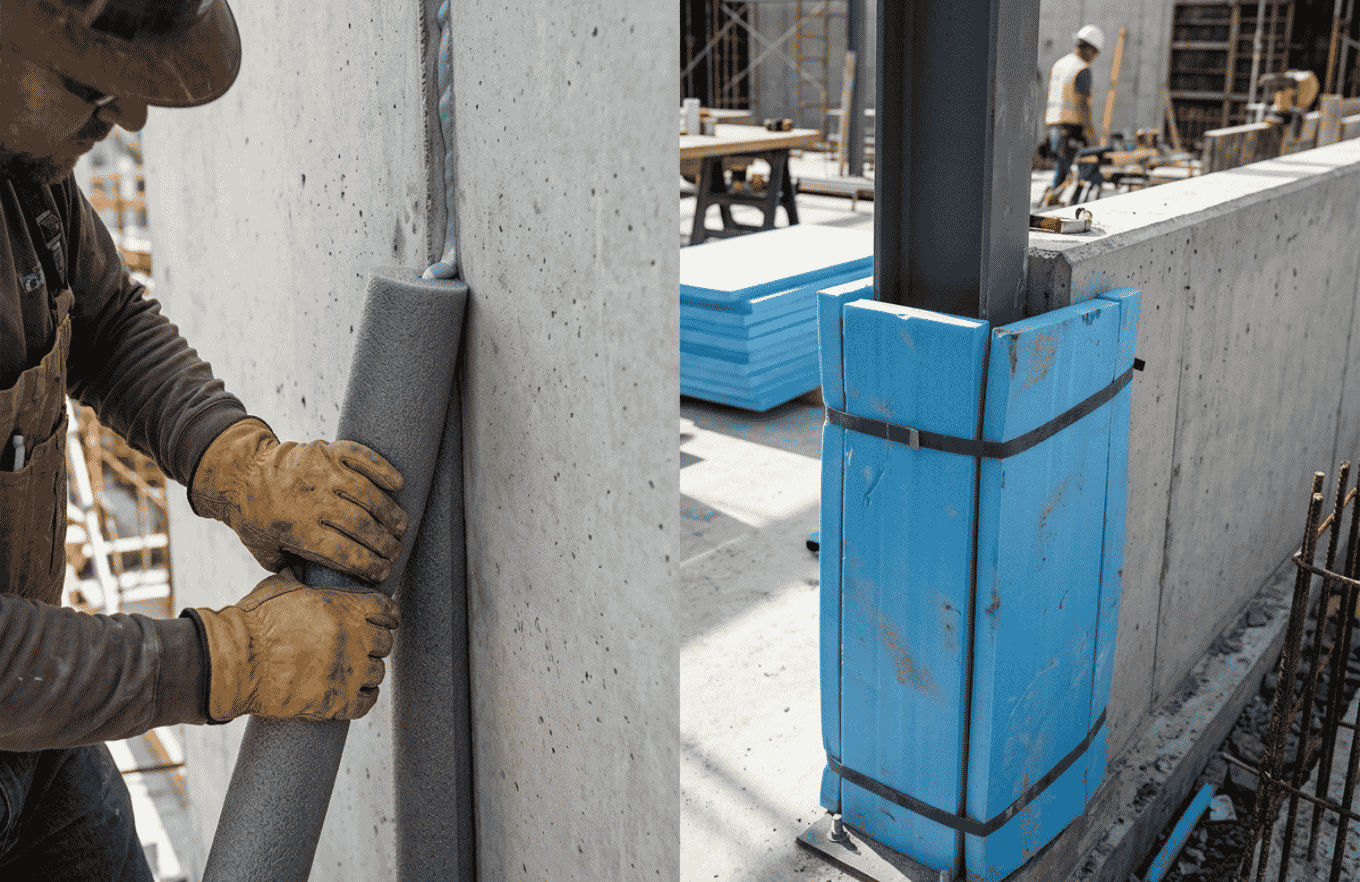
In automotive interiors and construction padding, stability translates into safety and longevity. LDPE Foam ensures components remain intact and perform consistently over time.
Its ability to maintain structure under load gives it an edge over TPE Foam in these applications.
While LDPE Foam leads in stability, TPE Foam is not without value. It offers excellent flexibility and a softer texture, making it suitable for products where comfort and elasticity are priorities.
Applications like ergonomic grips, soft-touch surfaces, and flexible components often benefit from TPE Foam. The choice ultimately depends on the specific requirements of the project.
That said, when stability becomes the deciding factor, LDPE Foam tends to outperform.
Choosing between LDPE Foam and TPE Foam is not just about performance; it also affects cost efficiency. Materials that lose shape or degrade quickly may require frequent replacement, increasing overall expenses.
LDPE Foam offers long-term reliability, reducing maintenance and replacement costs. This makes it a smart investment for businesses focused on sustainability and operational efficiency.
Samad Foam has consistently provided solutions that balance cost and performance, helping clients achieve better outcomes without compromising quality. Their reach in Europe reflects the growing demand for stable and durable foam materials.

Understanding the specific needs of your application is key. If stability, durability, and resistance are priorities, LDPE Foam is often the better choice.
Consider where the material will be used. Exposure to moisture, temperature changes, and physical stress can influence performance.
While initial costs may vary, long-term performance should guide the decision. A more stable material can lead to better returns over time.
Get in touch with our team today to explore high-performance foam solutions tailored to your business needs and ensure reliable results across every application.
When it comes to stability, LDPE Foam sets a strong benchmark across multiple industries. Its ability to resist compression, handle environmental challenges, and maintain structural integrity makes it a preferred choice for demanding applications.
While TPE Foam offers flexibility and comfort, it may not always match the consistency required in high-performance environments. The decision ultimately comes down to what the application demands.
For businesses looking to invest in reliable, long-lasting materials, LDPE Foam presents a practical and proven solution. With the right supplier, the benefits go even further, ensuring quality, performance, and peace of mind.
LDPE Foam maintains its shape under pressure and resists compression, making it ideal for protecting products during shipping and handling.
TPE Foam can be used in certain cases, but it may not provide the same level of structural stability required for heavy-duty or long-term applications.
Industries like packaging, automotive, construction, and electronics benefit significantly from the consistent performance and durability of LDPE Foam.
.svg)

.svg)