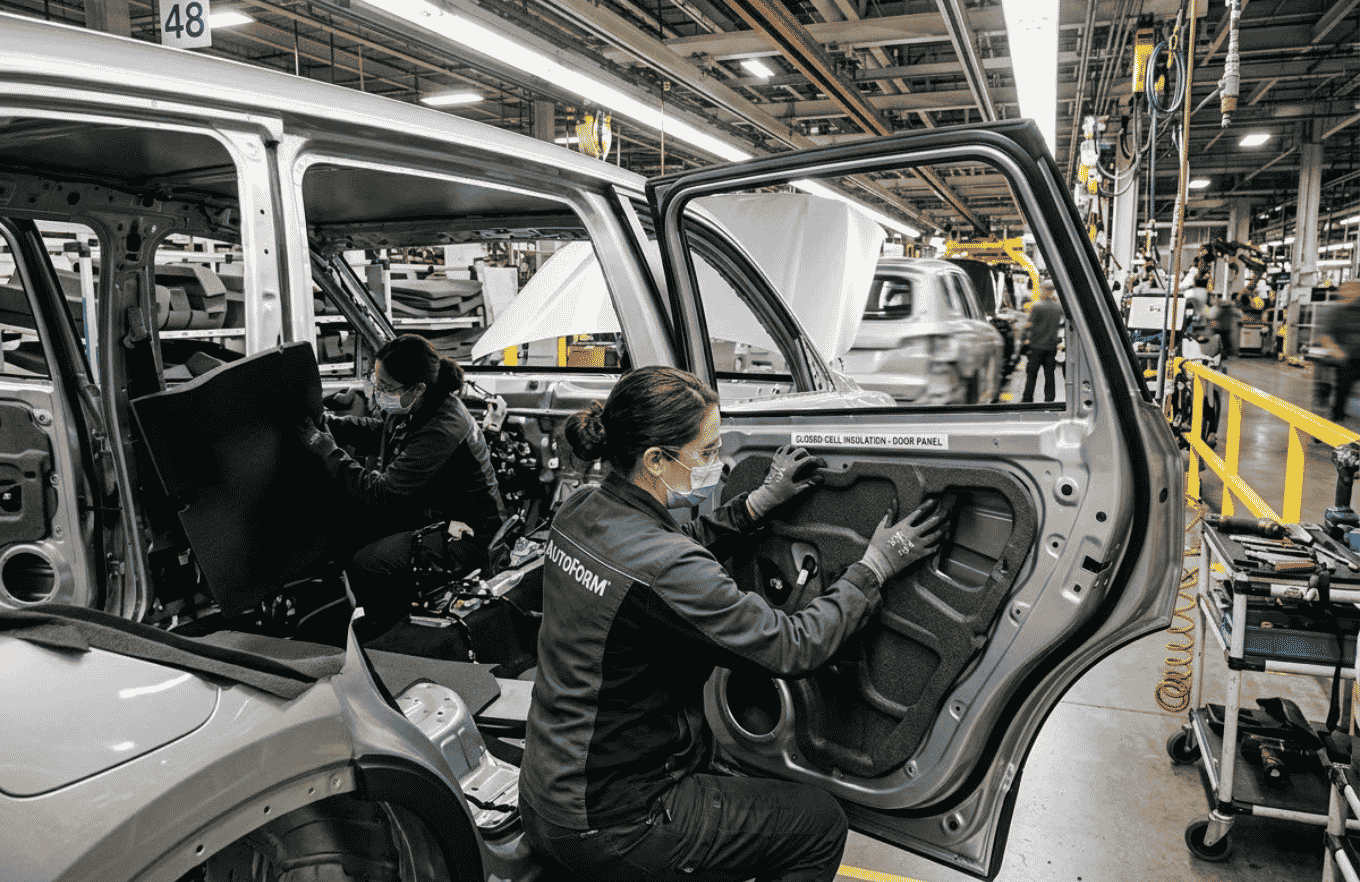
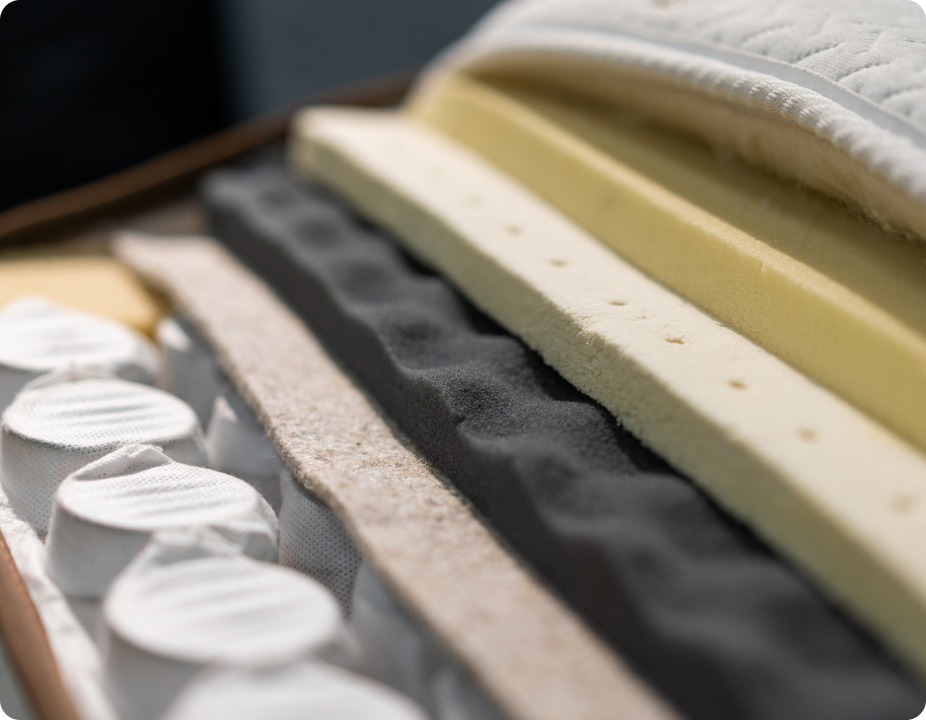
Chemical exposure is one of the biggest challenges in modern manufacturing, packaging, automotive production, and industrial processing. A single material choice can determine whether a product lasts for years or begins to deteriorate after repeated contact with oils, cleaning agents, moisture, or industrial chemicals. That is exactly why selecting the right foam is much more than comparing price tags.
When evaluating industrial cushioning and protective materials, TPE Foam often enters the conversation alongside LDPE Foam because both offer excellent performance in demanding environments. However, their chemical resistance varies depending on the application, surrounding conditions, and the types of substances involved. There is no universal winner, only the right solution for the right job.
In this blog, we are going to compare their chemical resistance, durability, industrial performance, maintenance requirements, and practical applications so you can make an informed purchasing decision.
Factories expose materials to a wide range of chemicals every single day. These may include lubricants, hydraulic fluids, mild acids, alkaline cleaning solutions, solvents, fuels, and industrial detergents. If protective foam cannot withstand these substances, it may lose strength, deform, crack, or fail prematurely.
Choosing chemically resistant foam helps businesses:
● Reduce product damage during storage and transportation
● Extend the service life of industrial components
● Lower maintenance and replacement costs
● Improve workplace safety
● Maintain consistent product performance
This is why manufacturers carefully evaluate foam properties before selecting materials for demanding environments.
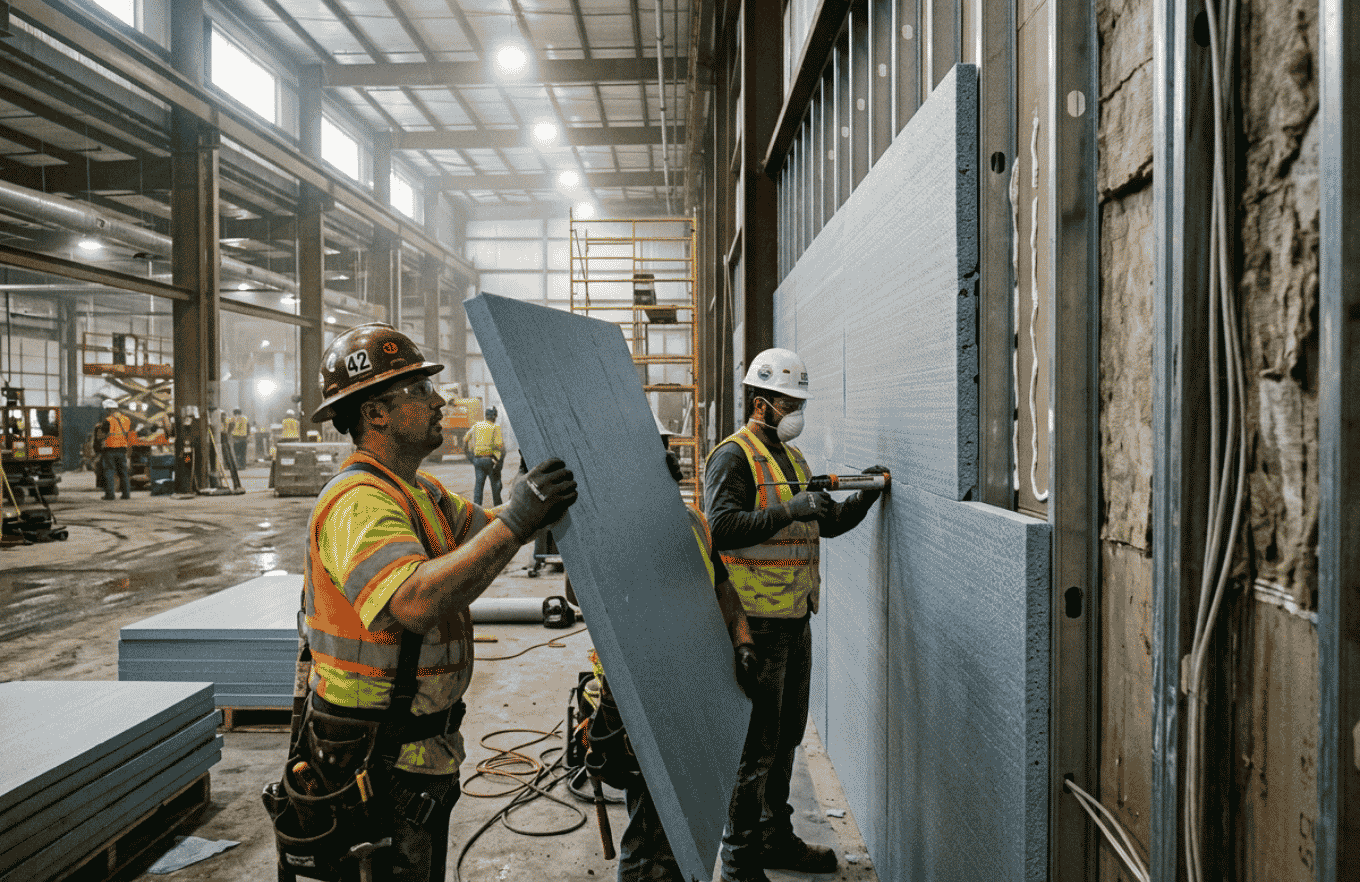
TPE Foam combines the flexibility of rubber with the processing advantages of thermoplastics. It provides excellent elasticity while maintaining impressive resistance against many industrial oils, greases, and cleaning chemicals.
Some of its key characteristics include:
● Outstanding flexibility under repeated compression
● Excellent recovery after impact
● Good resistance to moisture
● Strong resistance to many industrial chemicals
● Long service life under dynamic conditions
These properties make it particularly attractive for automotive components, protective equipment, industrial seals, vibration control, and specialized packaging.
Manufacturers serving international markets, including the USA, often prefer premium-grade materials supplied by trusted companies like Samad Foam because consistent raw material quality directly affects chemical resistance and long-term durability.
LDPE Foam has earned a strong reputation because it combines lightweight construction with excellent cushioning and dependable resistance against moisture and many common industrial chemicals. Although it behaves differently than TPE-based materials, it performs exceptionally well in packaging, insulation, and protective applications where consistent performance matters more than extreme flexibility.
Some of its major advantages include:
● Excellent moisture resistance
● Strong impact absorption
● Good resistance to diluted acids and alkalis
● Lightweight structure for lower shipping costs
● Easy fabrication into custom protective inserts
For manufacturers exporting throughout Europe, suppliers such as Samad Foam provide customized foam solutions that meet varying industrial specifications while maintaining reliable product consistency.
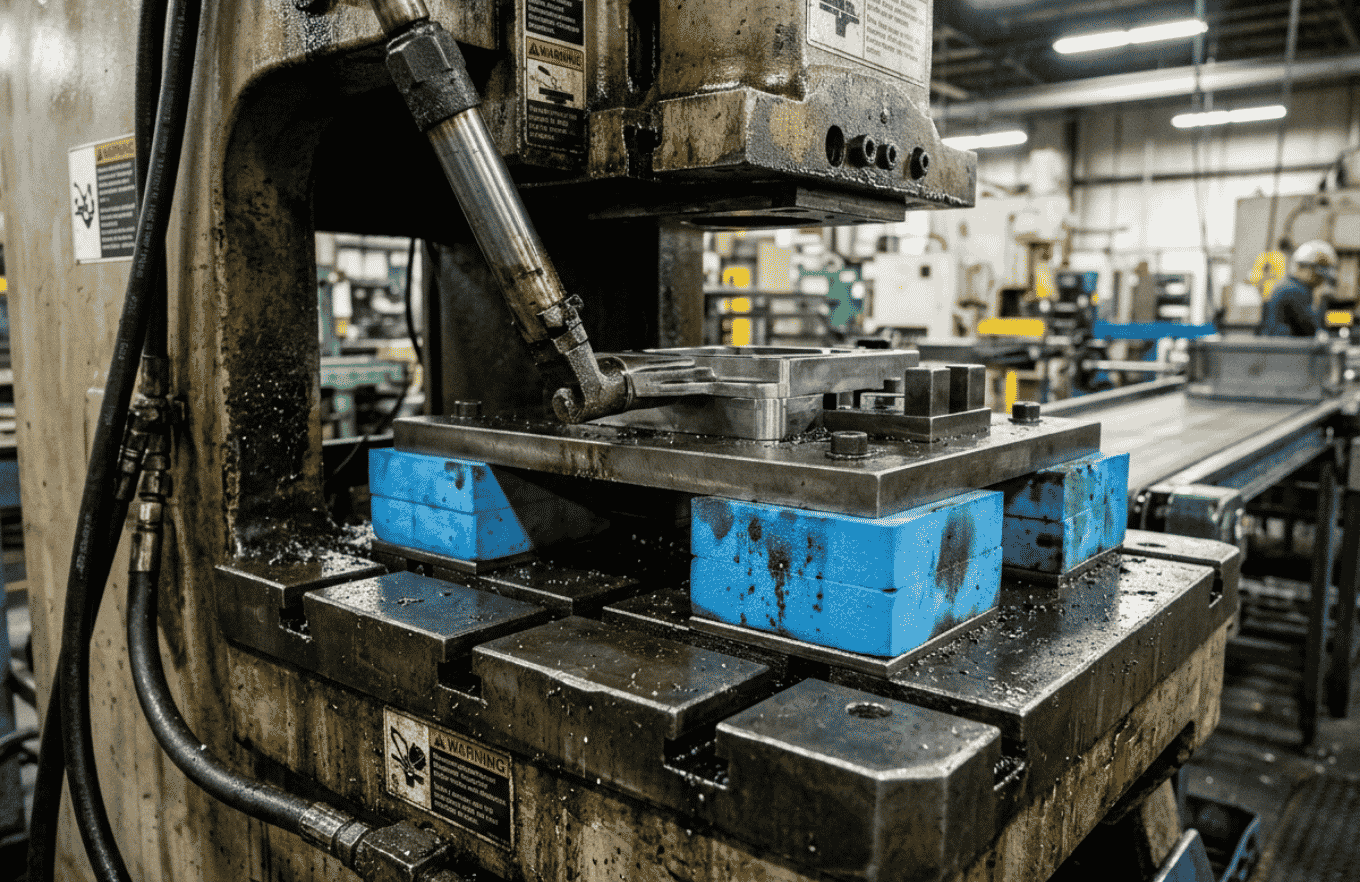
Rather than asking which material is universally better, businesses should ask which one matches their operating environment.
When equipment regularly comes into contact with oils, greases, repeated flexing, or dynamic movement, TPE Foam generally provides greater elasticity while maintaining structural stability.
On the other hand, LDPE Foam performs exceptionally well when lightweight cushioning, moisture resistance, and protection against common industrial chemicals are the primary priorities. It also remains a cost-effective solution for protective packaging and transportation applications.
The correct selection depends on several operational factors:
● Type of chemicals involved
● Frequency of chemical exposure
● Required flexibility
● Expected service life
● Budget and production volume
Most importantly, testing materials under actual working conditions produces the most reliable purchasing decision.
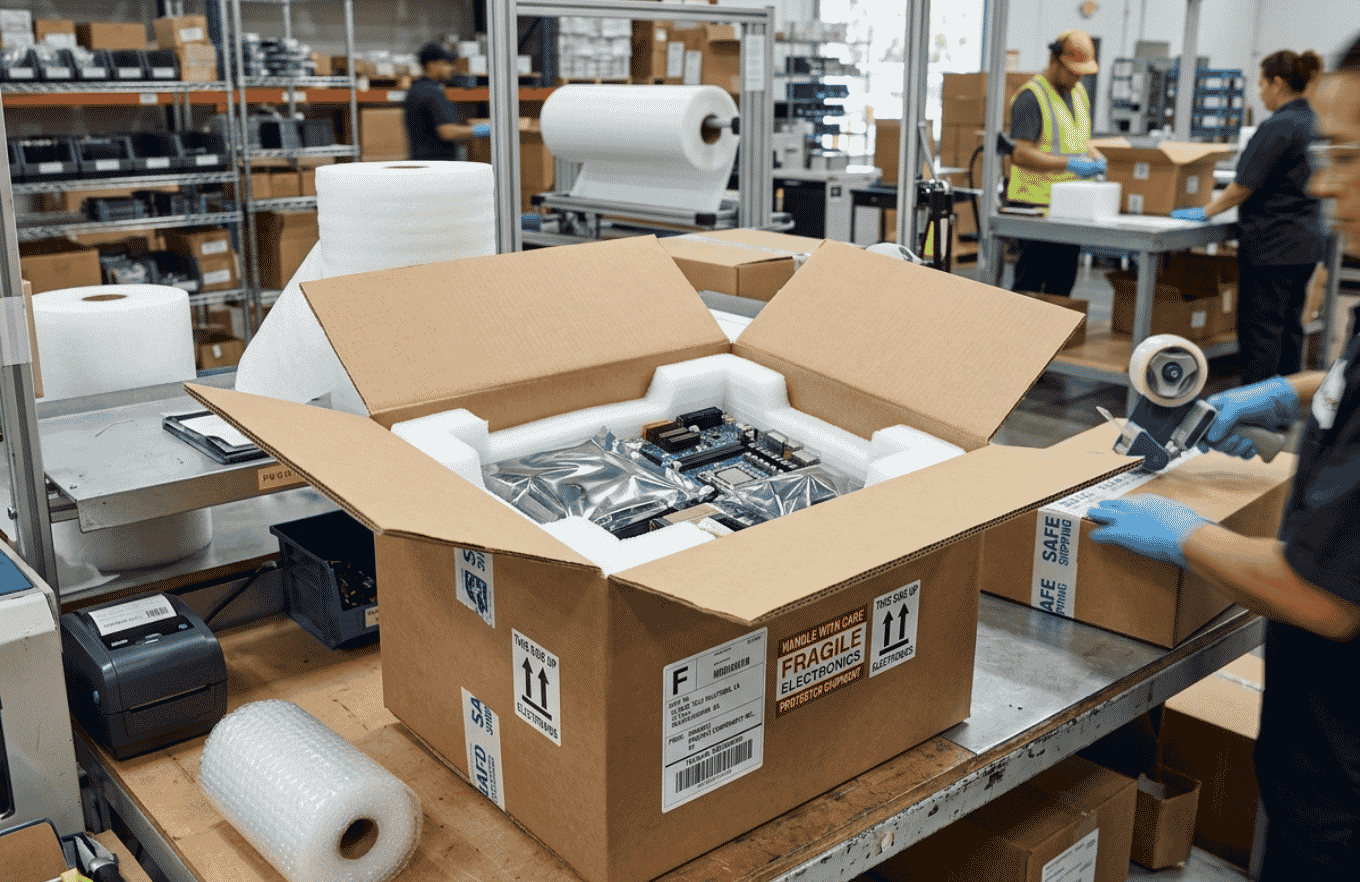
Different industries place different demands on foam materials.
● Automotive manufacturers often value flexibility and vibration control.
● Electronics companies prioritize protective cushioning during shipping.
● Medical equipment manufacturers require consistent cleanliness and dimensional stability.
● Construction industries frequently focus on moisture resistance and insulation performance.
● Packaging businesses usually balance durability with overall production costs.
Evaluating chemical compatibility alongside mechanical performance helps manufacturers avoid premature failures and expensive product replacements.
Selecting industrial foam should never rely on price alone. Understanding the strengths of both materials allows manufacturers to choose products that deliver dependable performance under real operating conditions. Whether your priority is flexibility, cushioning, moisture protection, or chemical resistance, matching the material to the application will maximize efficiency and product longevity.
Partner with Samad Foam today for premium industrial foam solutions engineered to meet your performance, durability, and international manufacturing requirements with dependable quality and expert technical support.
Automotive, medical, industrial equipment, protective gear, and machinery manufacturers commonly choose TPE-based materials because they frequently encounter oils, lubricants, and repeated mechanical movement.
Yes. LDPE Foam is widely used for industrial packaging because it provides lightweight cushioning, moisture resistance, and dependable protection against impacts during storage and transportation.
Manufacturers evaluate chemical exposure, environmental conditions, flexibility requirements, cushioning performance, production costs, and expected product lifespan before selecting the most suitable foam material.
.svg)

.svg)