Product safety has become one of the biggest priorities for manufacturers, logistics companies, and packaging suppliers worldwide. Whether shipping electronics, automotive parts, or fragile consumer goods, the right protective material can make all the difference. Well, it’s important to understand why LDPE Foam continues to gain attention for reliable cushioning and impact resistance. At the same time, TPE Foam is becoming increasingly popular because of its flexibility and premium feel. Businesses today are comparing both materials to determine which one provides better long-term value and stronger product protection. Companies like Samad Foam are helping industries across the USA and Europe choose advanced foam solutions tailored to modern packaging and industrial demands.
Before comparing performance, it is important to understand what makes these materials different in structure and application.
LDPE Foam is a lightweight closed-cell foam made from low-density polyethylene. It is widely known for shock absorption, moisture resistance, and long-lasting durability. Moreover, it is commonly used in packaging, construction, insulation, and industrial protection applications.
● Lightweight and durable structure
● Excellent impact resistance
● Strong moisture and chemical resistance
● Easy to fabricate and customize
● Reliable thermal insulation properties
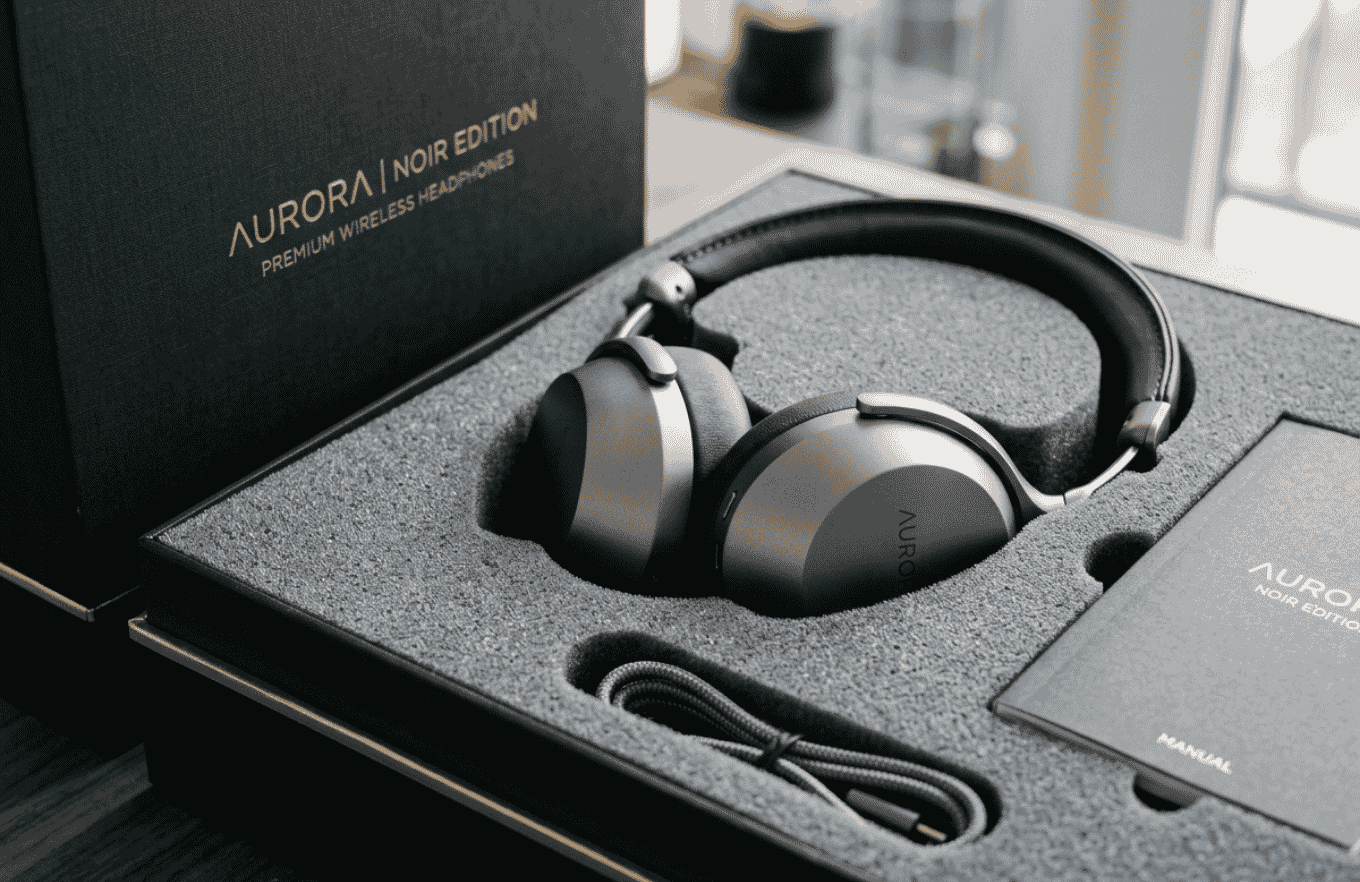
TPE Foam is made from thermoplastic elastomers that combine the flexibility of rubber with the processability of plastic. Furthermore, it provides superior softness and elasticity, making it ideal for comfort-focused applications.
● Flexible and soft texture
● High resilience and cushioning
● Excellent slip resistance
● Better comfort performance
● Recyclable and environmentally adaptable
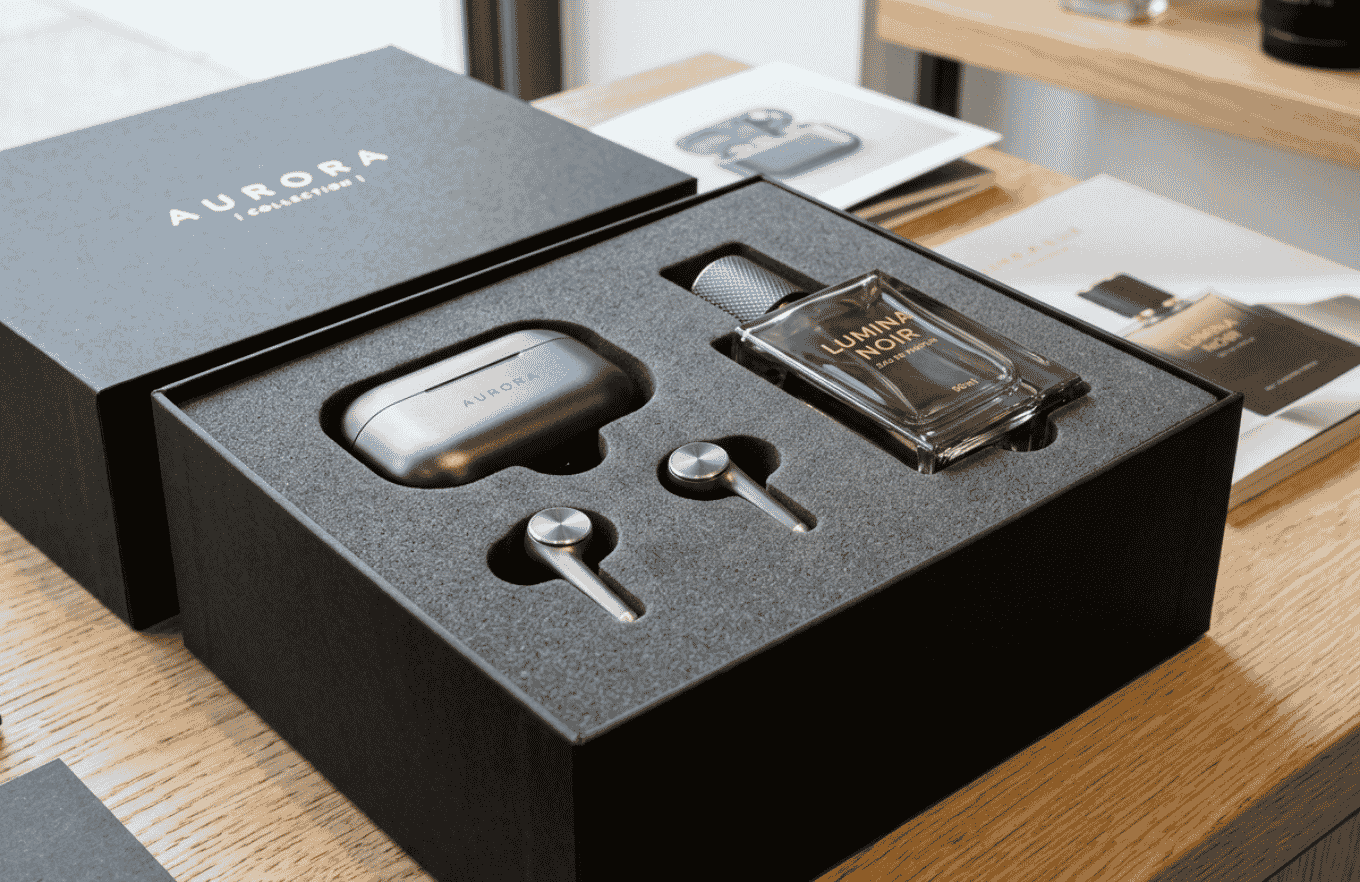
When it comes to safeguarding products during transportation and storage, both materials offer advantages. However, the ideal choice depends on the specific industry and product type.
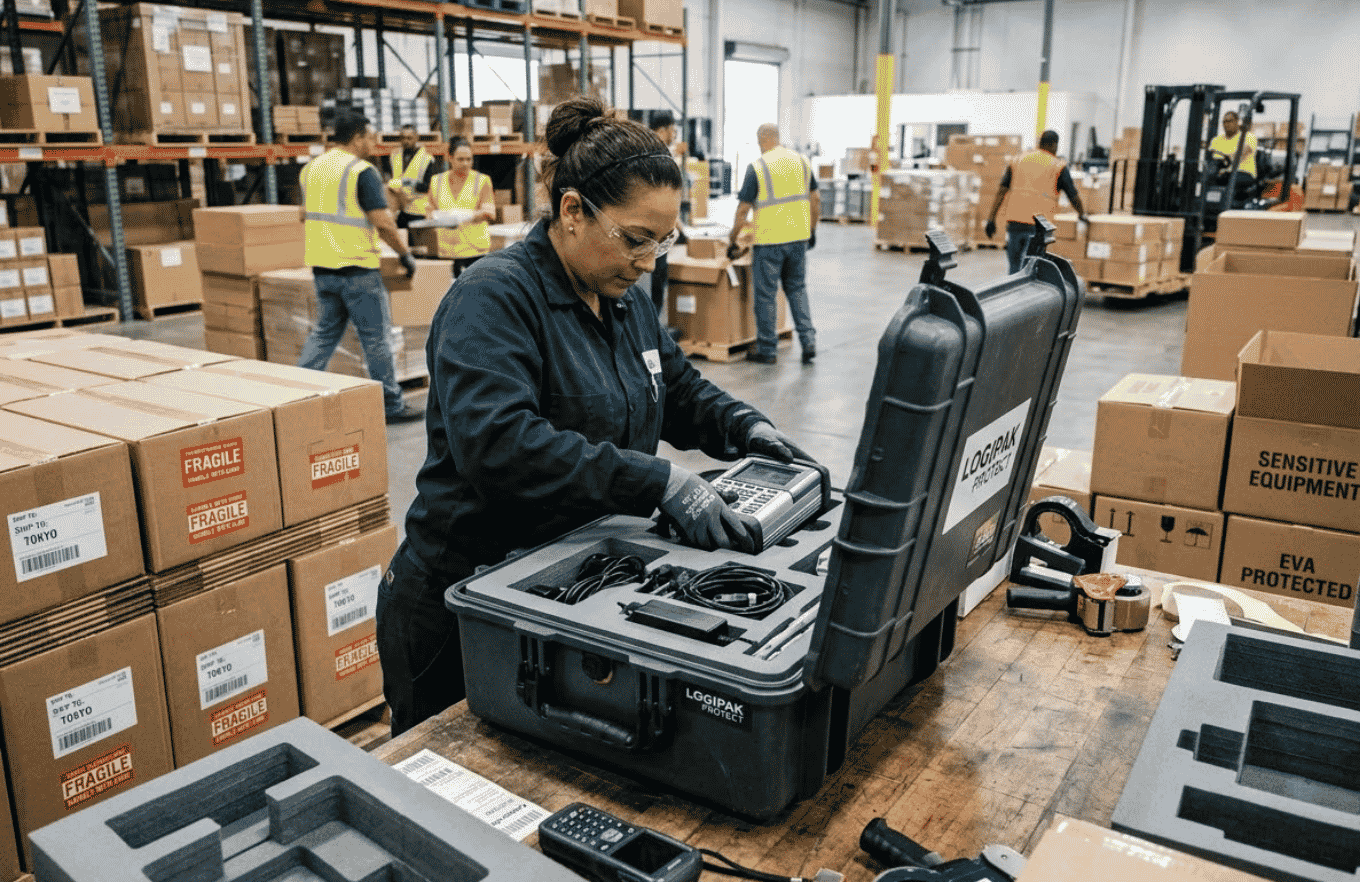
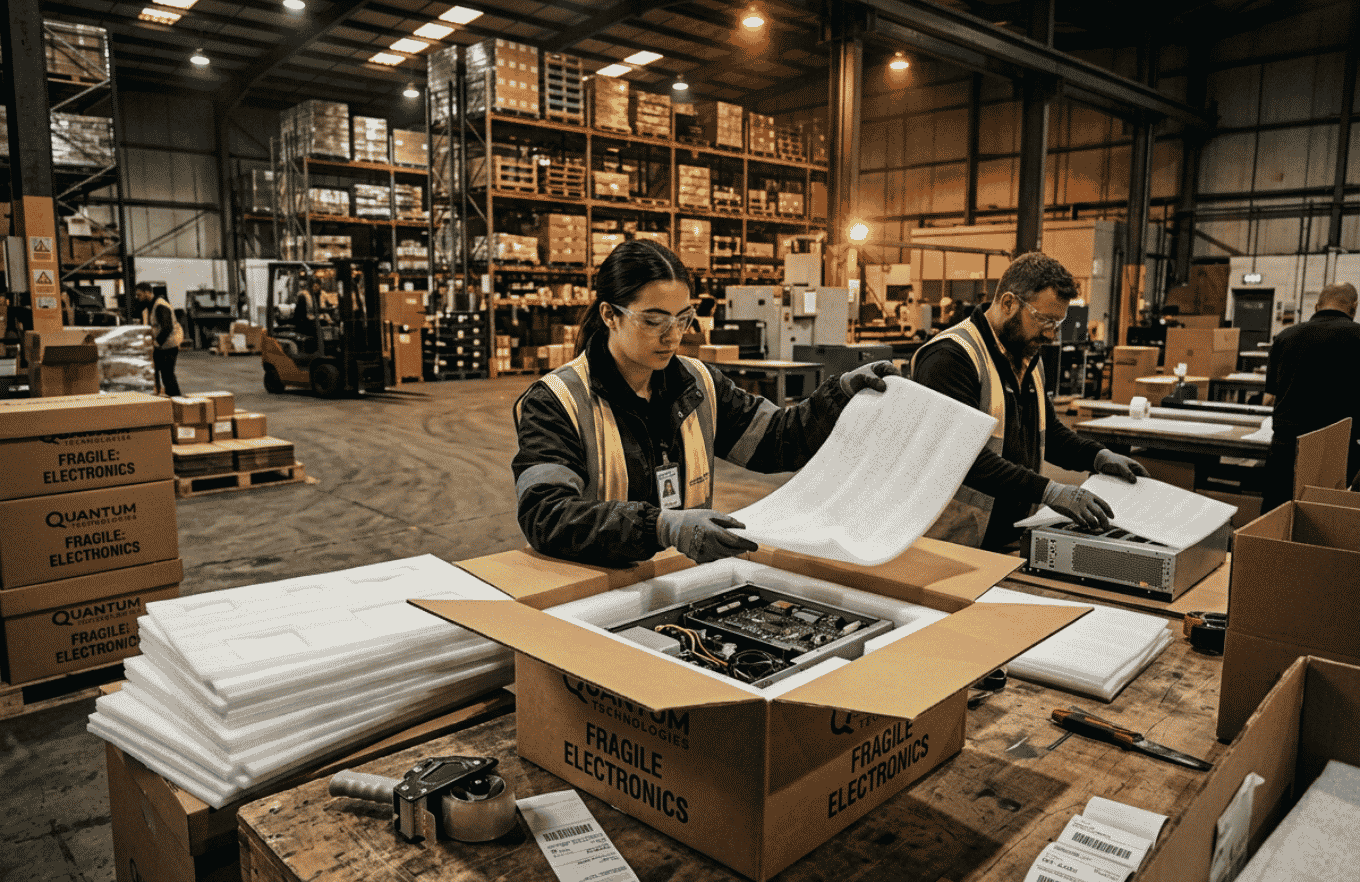
LDPE Foam performs exceptionally well in absorbing impacts during shipping. Most importantly, it distributes pressure evenly, reducing the risk of product damage. Fragile electronics and industrial equipment often rely on this material for safe transportation.
On the other hand, TPE Foam provides softer cushioning with higher flexibility. While it absorbs vibrations effectively, it may not always offer the same structural rigidity required for heavier industrial goods.
● LDPE Foam: Industrial packaging, electronics, machinery protection
● TPE Foam: Consumer products, comfort items, sports accessories
Durability is a major factor when selecting protective foam materials.
LDPE Foam maintains its shape and protective strength even after repeated use. Furthermore, it resists tearing and compression, which makes it highly reliable for long shipping cycles.
Industries dealing with international transportation prefer LDPE Foam because products often face rough handling conditions during transit.
TPE Foam performs better in environments requiring flexibility and comfort. However, under heavy pressure or continuous industrial use, it may lose shape faster compared to rigid protective foams.
Samad Foam provides specialized foam solutions designed to balance durability with application-specific performance requirements.
Environmental exposure can seriously affect product safety.
Products shipped across humid or wet conditions require foam materials that prevent water absorption. LDPE Foam performs extremely well here because of its closed-cell structure.
● Benefits of Moisture Resistance
● Prevents mold and mildew formation
● Protects electronics from humidity
● Maintains packaging integrity
● Reduces long-term material degradation
TPE Foam also offers decent resistance to environmental conditions. Nevertheless, its softer composition makes it more suitable for controlled indoor applications rather than heavy-duty outdoor logistics.
Cost is another major factor influencing business decisions.
LDPE Foam is generally more cost-effective for bulk industrial applications. Moreover, it is easier to process into custom packaging inserts, sheets, and rolls.
● Business Advantages
● Lower production costs
● Easy customization options
● Efficient large-scale manufacturing
● Reduced shipping weight expenses
This is one reason why Samad Foam continues supplying packaging industries in the USA with advanced foam solutions tailored for industrial efficiency.
TPE Foam is often selected for higher-end products where appearance and comfort matter more than rigid protection. It provides a softer touch and premium feel, especially in fitness, healthcare, and lifestyle products.
Modern industries are increasingly focused on sustainability and eco-friendly materials.
Both LDPE Foam and TPE Foam are evolving toward greener production methods. Furthermore, manufacturers are investing in recyclable materials and reducing waste processing.
● Emerging Trends
● Recyclable foam technologies
● Lightweight packaging innovations
● Reduced carbon manufacturing methods
● Sustainable industrial packaging systems
Samad Foam continues adapting to global sustainability trends, particularly in Europe, where eco-conscious packaging requirements are rapidly expanding.
The answer depends on the product, transportation conditions, and industry needs.
● Strong structural protection
● Long-distance shipping safety
● Industrial-grade cushioning
● Moisture and impact resistance
● Cost-effective packaging solutions
● Enhanced flexibility and softness
● Premium comfort applications
● Lightweight consumer packaging
● Better tactile performance
Most importantly, businesses handling fragile or heavy products usually benefit more from LDPE Foam because of its durability and reliable protective structure.
Both foam materials bring unique advantages to modern industries. LDPE Foam stands out for industrial-grade protection, durability, and cost efficiency, while TPE Foam offers flexibility and premium comfort-focused performance. Furthermore, choosing the right material depends on transportation conditions, product sensitivity, and overall business goals. Companies worldwide are increasingly investing in advanced protective packaging to reduce damage risks and improve customer satisfaction. With reliable suppliers like Samad Foam, businesses can access high-quality foam solutions designed to meet evolving global standards.
Contact Samad Foam today for customized foam protection solutions designed to improve packaging safety, reduce product damage, and support long-term business performance.
LDPE Foam provides stronger cushioning and impact resistance for industrial packaging, especially during long-distance transportation and rough handling conditions.
TPE Foam is often better for flexible and comfort-focused consumer products because it offers softness, elasticity, and enhanced tactile performance.
Manufacturers prefer LDPE Foam because it resists moisture, absorbs shocks effectively, and maintains structural integrity during shipping and storage.
.svg)

.svg)