

Custom foam sounds straightforward until a standard sheet does not quite fit the job. Manufacturers often need precise dimensions, consistent thickness, specific firmness, or shapes that integrate seamlessly into finished products. In such cases, EVA Foam can offer a practical combination of cushioning, flexibility, resilience, and lightweight construction. But sourcing custom-cut sheets directly requires more than finding a supplier with cutting equipment. Buyers need to understand material specifications, tolerances, production capabilities, sample approval, and order volumes before committing. The right approach can reduce material waste while making production smoother. Samad Foam works with different foam requirements for international markets, helping businesses consider the material and conversion process together. In this blog, we are going to explain how to source custom-cut foam sheets more effectively.
Before contacting a supplier, define what the foam needs to do. Is it cushioning equipment, protecting a component, supporting a product, reducing vibration, or becoming part of a finished consumer item?
The answer affects the required density, thickness, firmness, dimensions, and resilience. Providing drawings, measurements, usage conditions, and performance expectations gives a supplier a much clearer starting point.
A vague request for "high-quality foam" can produce equally vague results. Specific requirements create a much more productive conversation.
High resilience does not automatically mean the material is suitable for every application. Buyers should discuss density, hardness, thickness, flexibility, recovery characteristics, and surface finish.
Different combinations can produce noticeably different results. A foam intended for repeated compression may need different characteristics from one used primarily for protective inserts.
Samad Foam can help buyers evaluate available specifications according to how the material will actually be used rather than choosing based solely on appearance or price.

Custom cutting is where precision really matters. Even a small dimensional variation can cause problems when foam components need to fit tightly into an assembly or packaging structure.
Ask about available cutting methods, dimensional tolerances, maximum sheet sizes, and the formats the supplier can produce. It is also worth confirming whether the same specifications can be maintained across repeat orders.
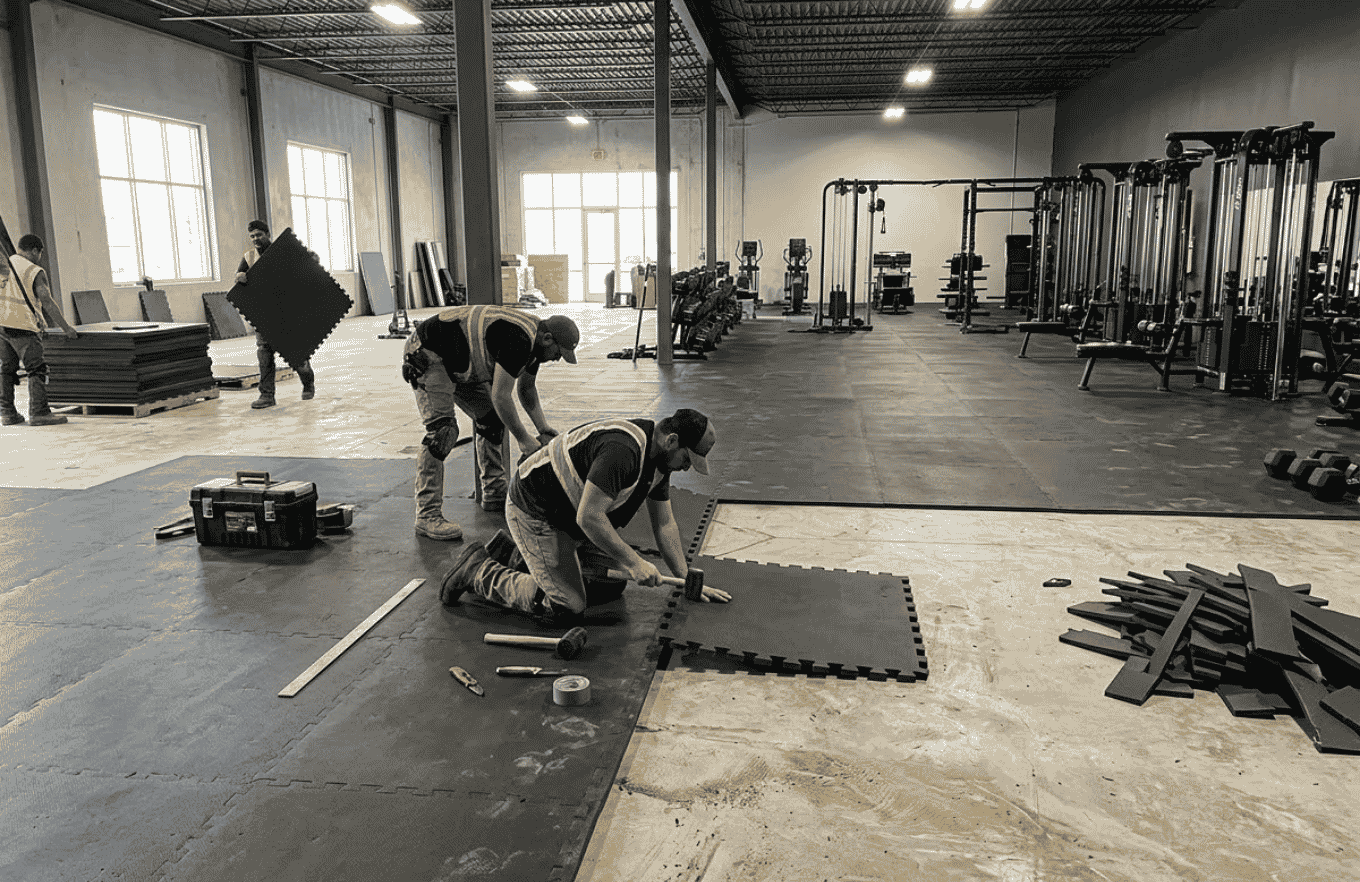
For businesses using EVA Mats in larger applications, custom sizing can also simplify installation and reduce the need for excessive on-site trimming.
A digital drawing can look perfect while the physical material behaves differently than expected. Samples provide an opportunity to test fit, compression, flexibility, appearance, and handling before a large order is produced.
Use the sample in the actual application wherever possible. If the foam will be bonded, folded, compressed, or inserted into another component, test it under those conditions.
Moreover, approving a sample with clearly documented specifications can create a useful reference point for future production runs.
Custom cutting can do more than create an attractive shape. It can also improve material utilization.
Ask suppliers how your required dimensions can be arranged on standard sheets and whether cutting patterns can be optimized. Better nesting may reduce offcuts, lower material consumption, and simplify handling.
Samad Foam can discuss custom requirements with businesses looking to balance precise components with efficient material usage.
A supplier may complete one custom order, but repeatability matters when the foam becomes part of an ongoing production process.
Clarify minimum quantities, lead times, storage considerations, quality checks, and the process for reordering the same specification. In Europe, manufacturers may also need consistent dimensions to integrate with established production systems. Samad Foam serves international requirements and can work around application-specific specifications.
In the USA, businesses sourcing directly should also factor transportation timelines and order frequency into purchasing plans. A slightly larger planned order may make more sense when it aligns with production cycles and available storage.
Sourcing custom-cut foam directly becomes much easier when buyers approach the process with clear specifications and realistic production expectations. Material characteristics, cutting precision, sample testing, waste reduction, and repeat-order consistency all deserve attention before placing a bulk order. Customization should solve a practical production problem, not simply create a different shape. Samad Foam provides foam solutions for businesses with varied application and sizing requirements, helping buyers consider both material performance and conversion needs. With careful planning, custom-cut foam can improve fit, reduce unnecessary processing, and support a more efficient manufacturing workflow.
Contact Samad Foam today for custom-cut EVA foam sheets, tailored specifications, material guidance, sample support, and scalable solutions designed around your product and production requirements with precision and consistency.
Provide the required thickness, density, hardness, dimensions, shape, tolerances, quantity, application, and any specific performance requirements to help the supplier quote accurately.
Yes, custom-cut EVA Mats can be considered for larger installations when accurate measurements and suitable thickness, density, and cutting specifications are established beforehand.
Testing samples helps confirm physical fit, resilience, flexibility, dimensions, surface quality, and application performance before committing to a larger production quantity.


