

Buying foam in bulk is a different game from purchasing a few sheets for a small project. Procurement teams need to think about consistency, storage, transportation, production schedules, and long-term costs before placing a large order. When sourcing LDPE Foam rolls, the lowest quotation may look attractive, but the real value depends on whether the material matches the application and remains consistent across repeat orders. Small differences in thickness, density, dimensions, or surface quality can create headaches once the material reaches production. That is why a structured purchasing approach matters. Samad Foam works with foam requirements across international markets, helping businesses look beyond the initial price tag. In this blog, we are going to cover six practical B2B procurement tips for making bulk foam purchasing more efficient.
A supplier cannot provide a meaningful quotation without clear specifications. Before contacting manufacturers, determine the required thickness, width, length, density, color, surface finish, and tolerance.
The application should guide these decisions. Packaging, insulation, cushioning, construction, and industrial uses can require very different foam characteristics.
Clear specifications also make supplier comparisons easier because every quotation is based on the same requirements. This prevents the classic problem of comparing different materials simply because their prices look similar.
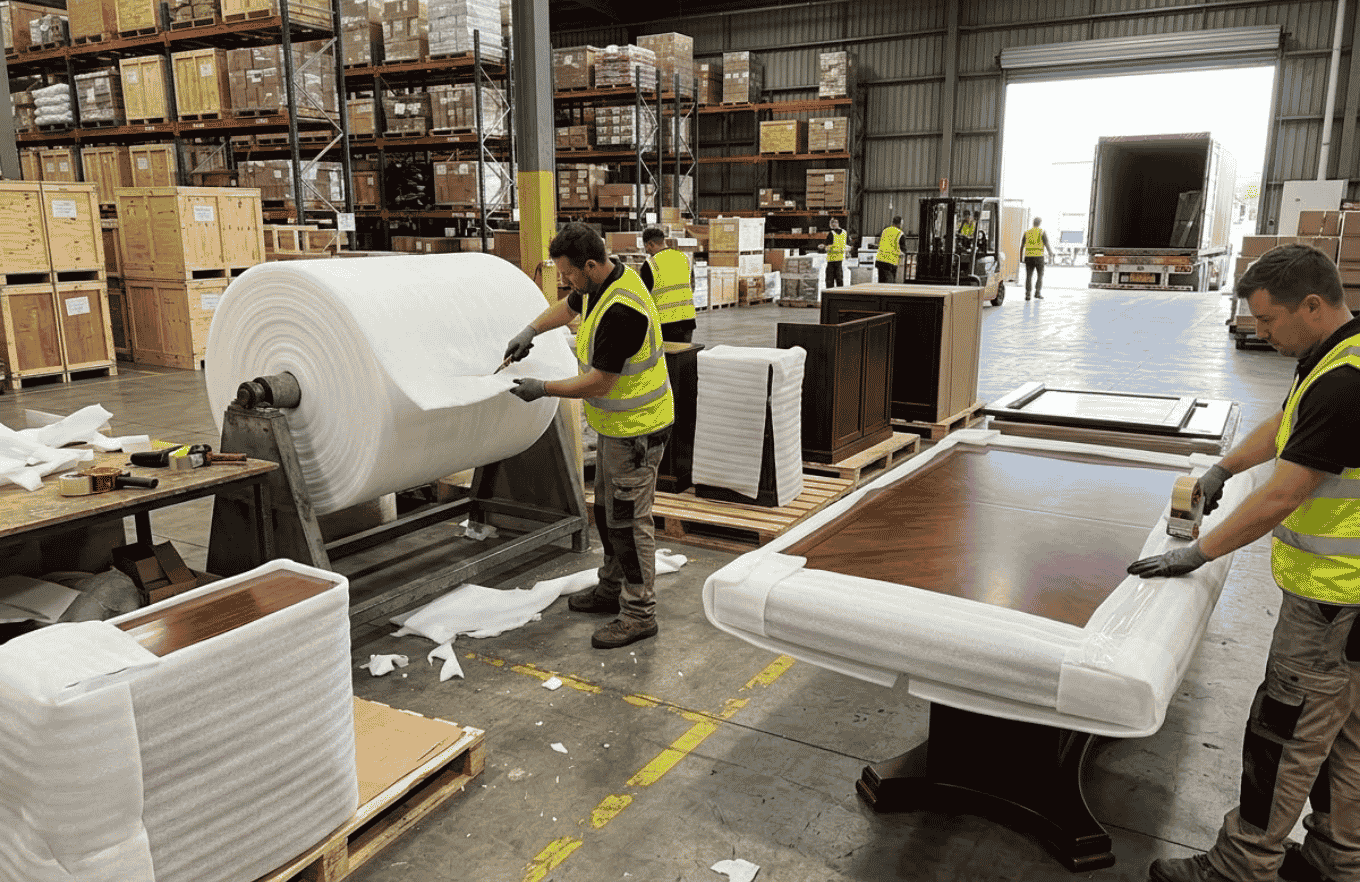
A lower price per roll does not always mean lower procurement costs. Transportation, storage, cutting losses, rejected material, and inconsistent dimensions can all increase the final cost.
Consider how much usable material each roll actually provides. A slightly higher-priced product may create less waste or fit the production process more efficiently.
Moreover, buyers should ask whether pricing changes at different order quantities. Understanding volume breaks can help procurement teams determine whether a larger purchase genuinely makes financial sense.
Before committing to a bulk order, test a representative sample. Check thickness, density, flexibility, surface quality, dimensions, and overall behavior under the conditions where the material will be used.
If the foam will be bonded, folded, compressed, or cut, include those steps in the evaluation. A sample should be tested as a component of the actual application rather than judged only by appearance.
Samad Foam can discuss specifications and material requirements with buyers who need to evaluate foam before moving into larger production quantities.
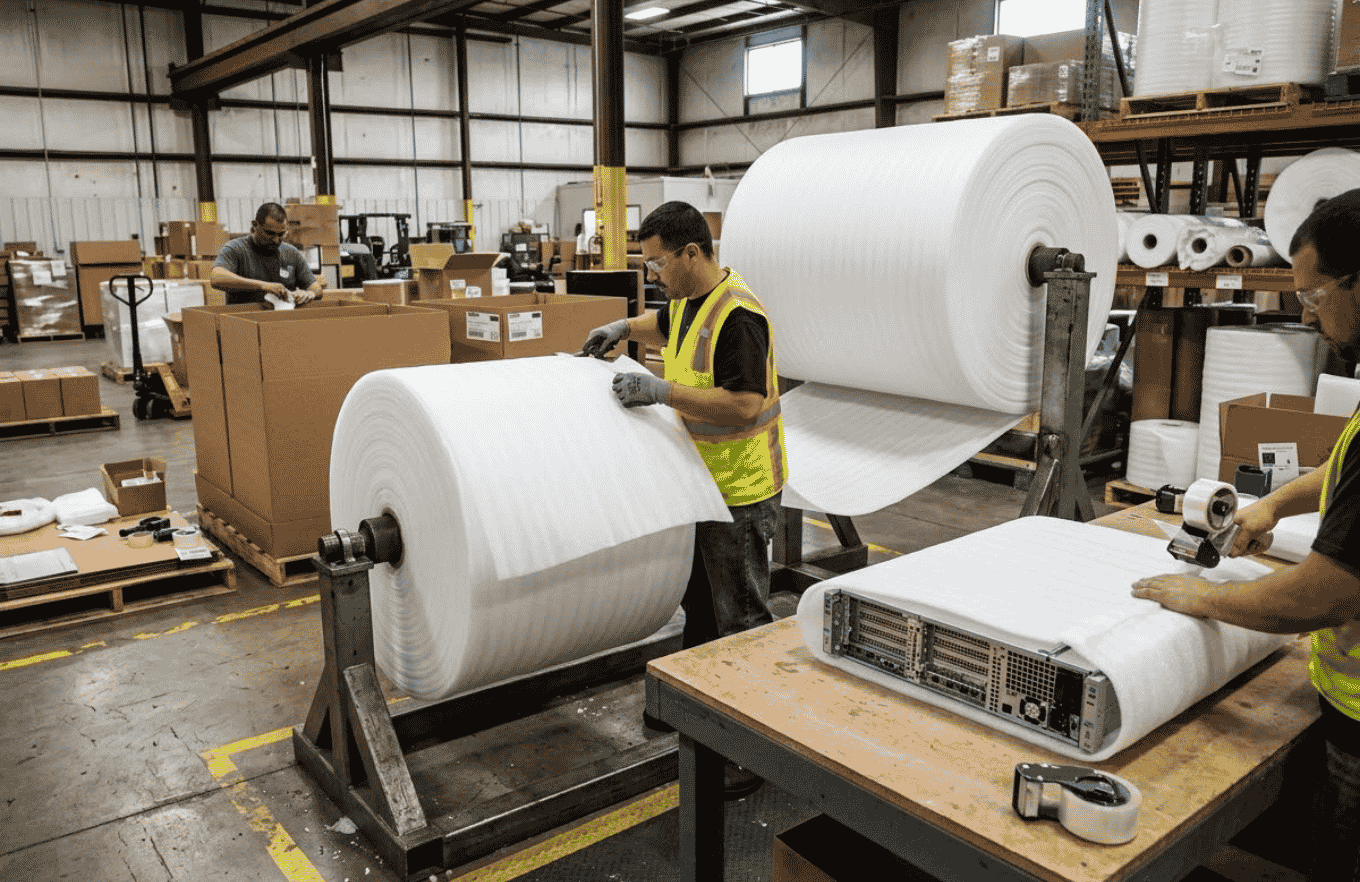
Bulk procurement is only useful when the supplier can support your purchasing schedule. Ask about production capacity, minimum order quantities, lead times, and the ability to handle repeat orders.
This becomes especially important when foam is part of a continuous manufacturing process. A supplier may handle one large order comfortably but struggle when demand increases, or orders become more frequent.
Businesses sourcing TPE Foam alongside other materials should also consider whether their procurement strategy requires different specifications, storage conditions, or supplier arrangements.
Standard rolls may be suitable for straightforward applications, but some businesses require specific widths, thicknesses, densities, colors, or other production characteristics.
Ask what can be customized and whether custom requirements affect minimum quantities, pricing, or delivery schedules. Having this conversation early can prevent costly adjustments after the purchase order has been issued.
In Europe, manufacturers may have established production systems that require tight dimensional specifications. Samad Foam serves international requirements and can discuss material options according to application needs.
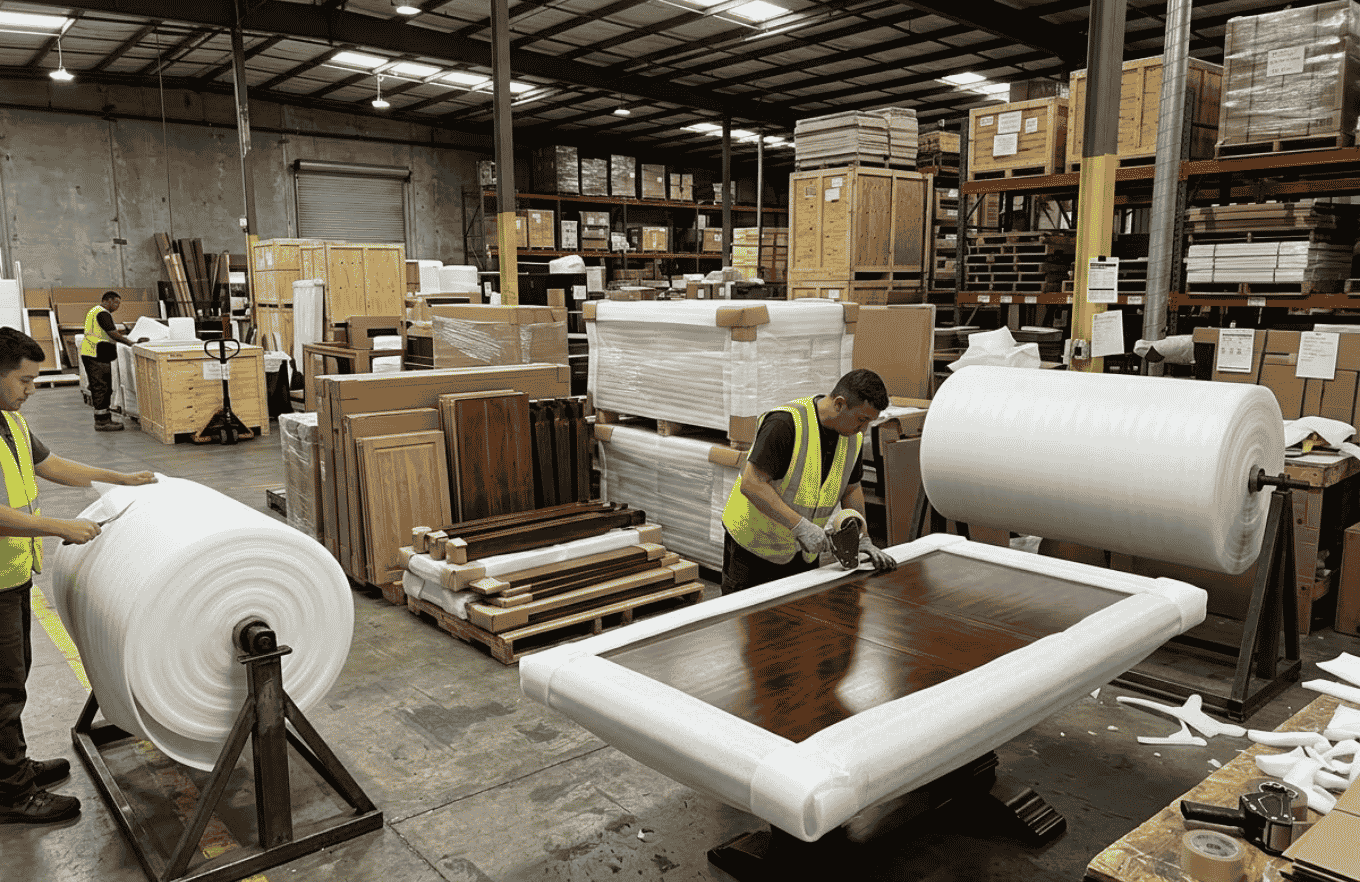
Foam rolls take up physical space, and bulk purchases can quickly become a storage challenge. Procurement teams should calculate available warehouse capacity before ordering large quantities.
Transportation planning matters too. Consider delivery frequency, unloading requirements, packaging configuration, and the time between receiving the material and using it in production.
In the USA, businesses sourcing internationally should also account for longer transportation timelines when setting inventory levels. Most importantly, purchasing decisions should align with actual consumption rather than simply maximizing order volume.
Successful B2B foam procurement is about creating a balance between material performance, cost, supply continuity, and operational efficiency. Clear specifications make supplier comparisons easier, while samples help verify quality before a large commitment. Capacity, customization, logistics, and storage also deserve attention because they can influence the true cost of bulk purchasing. Samad Foam supports businesses with foam requirements across different applications and international markets. A thoughtful procurement process can help companies avoid unnecessary waste, reduce supply disruptions, and select quantities that make sense for both production needs and long-term purchasing plans.
Contact Samad Foam today for bulk foam sourcing, custom specifications, material guidance, sample evaluation, and practical procurement support tailored to your business requirements.
Businesses should provide required thickness, density, roll dimensions, width, length, color, surface requirements, tolerances, application details, and expected order quantities.
TPE Foam can offer different flexibility and performance characteristics, while LDPE Foam is commonly considered where lightweight cushioning, protection, and practical material handling are required.
Yes. Testing samples helps buyers verify dimensions, density, flexibility, surface quality, and application performance before committing to a larger quantity.


