Humidity can be a silent challenge for many industrial and packaging materials. When moisture levels rise, some foams lose shape, absorb water, or degrade in performance over time. This is where LDPE Foam stands out as a reliable solution designed to handle moisture-heavy environments without losing its structural integrity.
From tropical climates in Asia to coastal regions in the USA and humid storage zones in Europe, industries rely on stable cushioning materials that maintain performance regardless of environmental stress. LDPE Foam is widely used in packaging, insulation, automotive components, and protective cushioning because it resists moisture penetration and maintains long-term durability.
In this article, we break down how LDPE performs in high humidity conditions, what makes it different from other foam types, and why manufacturers like Samad Foam continue to improve its consistency for global applications.
The strength of LDPE Foam comes from its closed-cell structure, which significantly reduces water absorption and prevents internal breakdown.
Unlike open-cell materials, LDPE has tightly packed cells that block moisture entry. This prevents swelling, weakening, or microbial growth even in humid climates.
Humidity often triggers chemical changes in low-quality foams. LDPE maintains stability because it is resistant to water-based degradation.
Even under long exposure to moisture, LDPE retains its lightweight nature while offering strong cushioning support for industrial and packaging use.
Manufacturers like Samad Foam refine density control to ensure consistent performance across different humidity zones worldwide.

Humidity affects materials differently depending on structure and density. LDPE Foam performs consistently because it minimizes moisture interaction at a structural level.
One of the biggest advantages is that LDPE does not absorb moisture, ensuring long-term usability in damp conditions.
Even in humid warehouses or coastal logistics hubs, LDPE maintains its shape without expansion or shrinkage.
Moist environments often lead to microbial growth. LDPE reduces this risk due to its non-porous surface.
In industrial packaging systems across the USA and Europe, Samad Foam products are often selected for their reliability in humidity-heavy environments.
The versatility of LDPE Foam makes it suitable for a wide range of industries exposed to humidity.

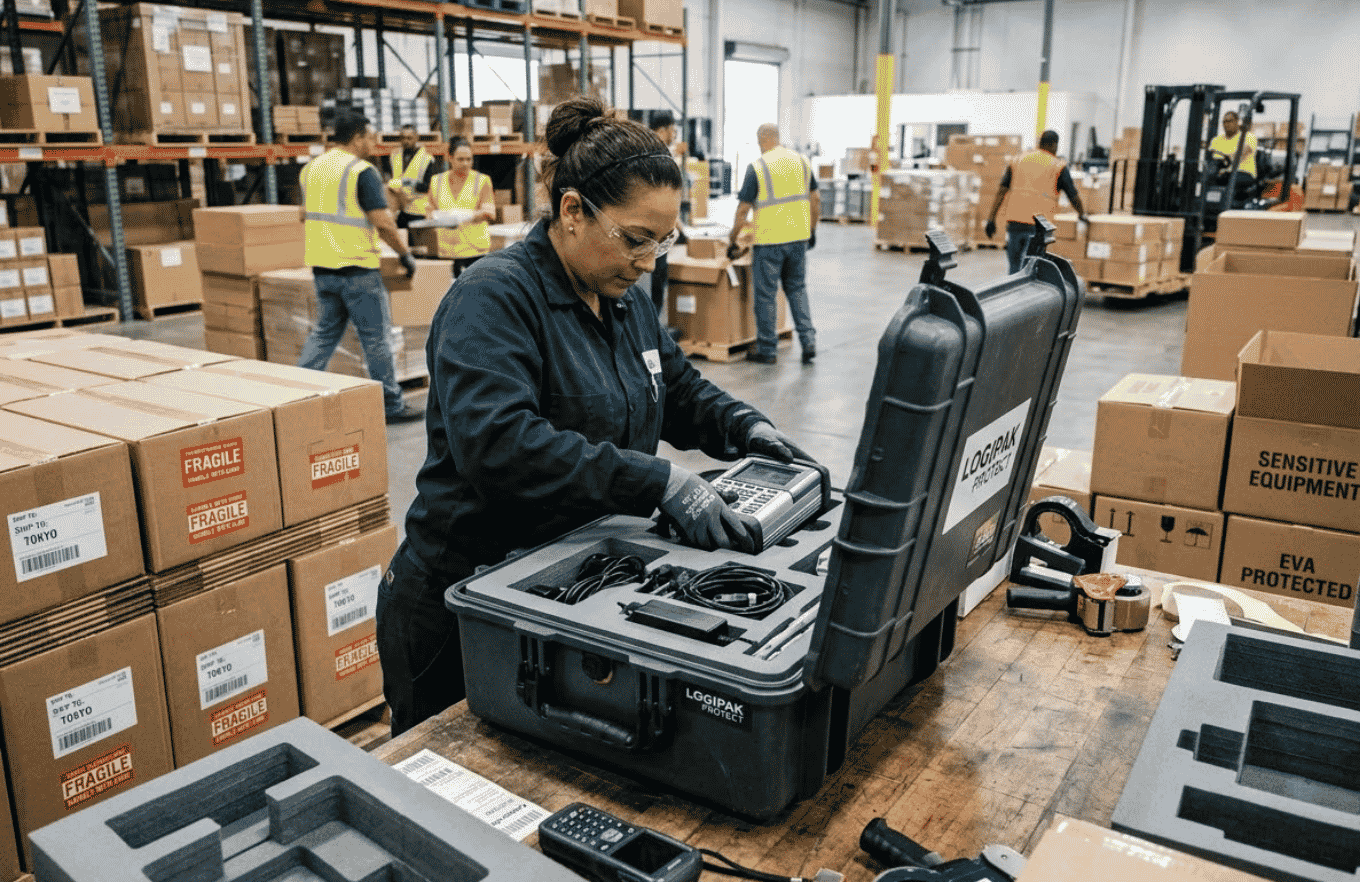
It protects sensitive goods during shipping, especially in international routes where humidity fluctuations are common.
LDPE is used in wall insulation layers where moisture resistance is critical for structural durability.
Vehicle interiors and protective cushioning rely on LDPE for stability even in humid climates.
High humidity near coastal zones demands materials that do not degrade quickly, making LDPE a preferred choice.
Samad Foam has contributed to expanding LDPE usage in these sectors by improving material consistency and resilience.
While both materials are widely used, LDPE Foam has specific advantages in moisture-heavy environments compared to TPE Foam.
● LDPE absorbs less moisture than most flexible elastomers
● It maintains its structure longer under continuous humidity exposure
● TPE offers flexibility, but LDPE provides better long-term stability
● LDPE is more cost-effective for bulk industrial use
This makes LDPE the preferred choice for industries prioritizing durability over elasticity.
The long-term performance of LDPE is driven by its material characteristics:
● High resistance to moisture penetration
● Stable cushioning under temperature and humidity changes
● Low maintenance requirements
● Long service life in industrial environments
● Reliable performance in packaging applications
These advantages explain why LDPE Foam continues to be widely adopted in global supply chains.
Manufacturers prioritize consistency and reliability, especially in humidity-sensitive applications.
● Predictable performance under varying climate conditions
● Reduced product failure rates during transport
● Compatibility with industrial packaging systems
● Easy fabrication and customization
Companies like Samad Foam enhance LDPE production quality to meet international standards across humid regions in both the USA and Europe.
Humidity can significantly affect material performance, but LDPE Foam stands out as a dependable solution due to its closed-cell structure, moisture resistance, and long-term stability. From packaging to industrial insulation, it delivers consistent performance even in challenging environments.
With increasing global demand in humid regions, manufacturers like Samad Foam continue to refine LDPE formulations for stronger, more reliable applications. Its balance of durability, cost efficiency, and environmental resistance makes it a trusted material across industries.
Connect with Samad Foam today to explore premium LDPE Foam solutions engineered for high-humidity environments, delivering strength, reliability, and long-lasting industrial performance worldwide.
No, its closed-cell structure prevents water absorption and maintains stability.
It offers long-term durability with minimal degradation even in continuous moisture exposure.
Yes, LDPE generally provides better moisture resistance and structural stability in humid environments.
.svg)

.svg)