Heat, cold, and constant environmental changes can push industrial materials to their limits! Whether products are used outdoors, transported across different climates, or installed in demanding manufacturing environments, temperature resistance directly affects long-term performance. Selecting the wrong material can lead to cracking, deformation, reduced cushioning, or premature product failure. That is why manufacturers carefully compare TPE Foam and other industrial foams before making production decisions.
Temperature performance is not simply about surviving hot or cold conditions. It also involves maintaining flexibility, structural integrity, impact protection, and consistent performance throughout repeated temperature cycles. Every application has unique requirements, making material selection an important engineering decision rather than a simple purchasing choice. In this blog, we are going to compare how these two foam materials respond to temperature extremes, where each performs best, and what businesses should evaluate before choosing the right solution.
Industrial products rarely operate under perfect conditions. Many components experience continuous exposure to changing weather, heated machinery, refrigerated storage, or outdoor transportation.
Materials with poor temperature resistance may experience:
● Reduced flexibility
● Surface cracking
● Permanent deformation
● Lower cushioning performance
● Shortened service life
● Higher maintenance costs
Choosing the right foam helps manufacturers improve product reliability while reducing long-term replacement expenses.
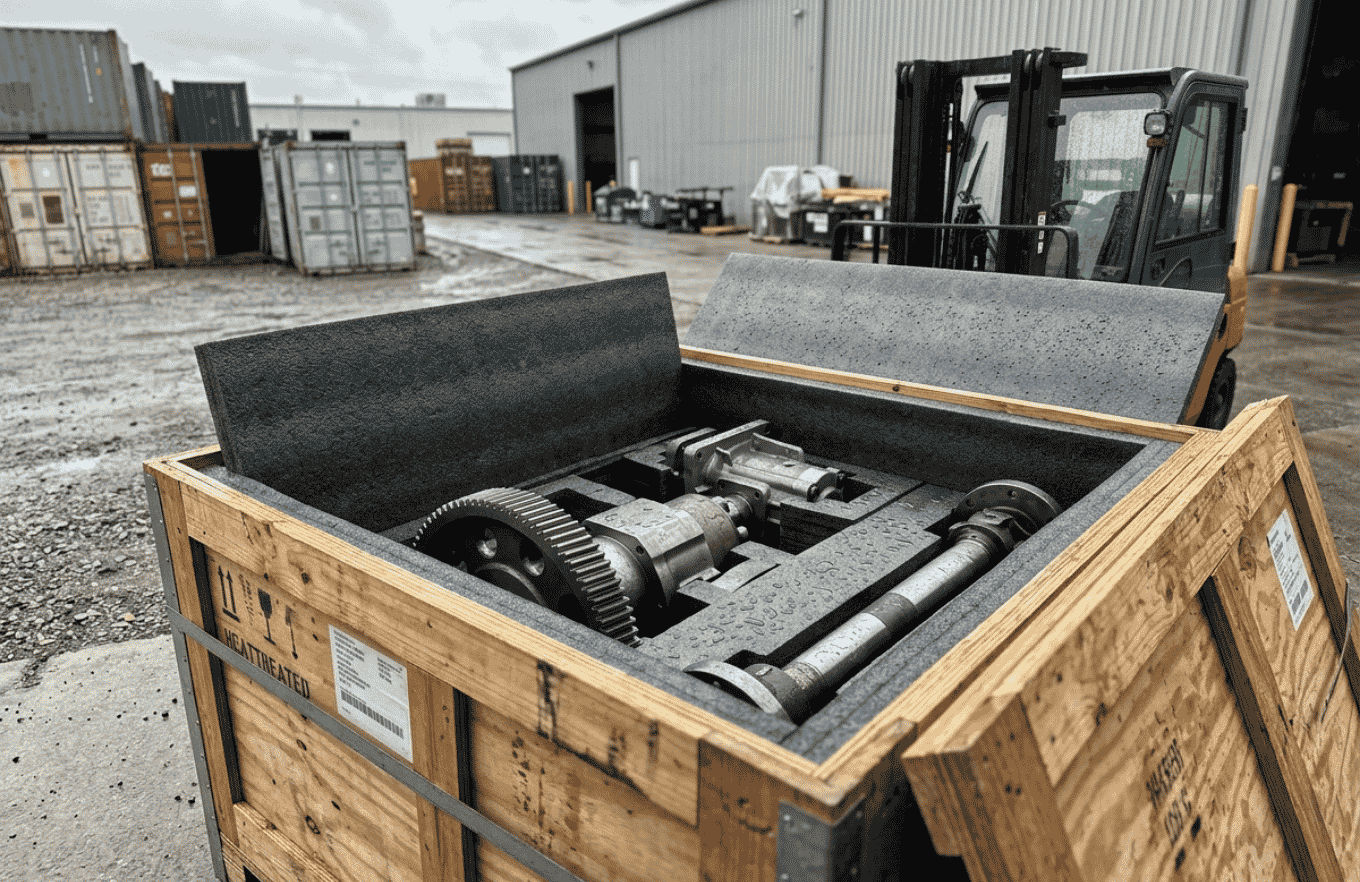
One of the biggest strengths of TPE Foam is its ability to remain flexible across a broad range of operating temperatures. Unlike some conventional materials, it maintains its elasticity even after repeated heating and cooling cycles.
Its performance advantages include:
● Excellent flexibility
● Reliable impact absorption
● Strong recovery after compression
● Stable cushioning performance
● Good weather resistance
● Consistent dimensional stability
These qualities make it suitable for automotive parts, industrial equipment, sports products, protective packaging, and outdoor applications where environmental conditions frequently change.
Manufacturers supplying customers throughout the USA often rely on trusted material providers like Samad Foam to ensure consistent foam quality that supports demanding industrial production standards.
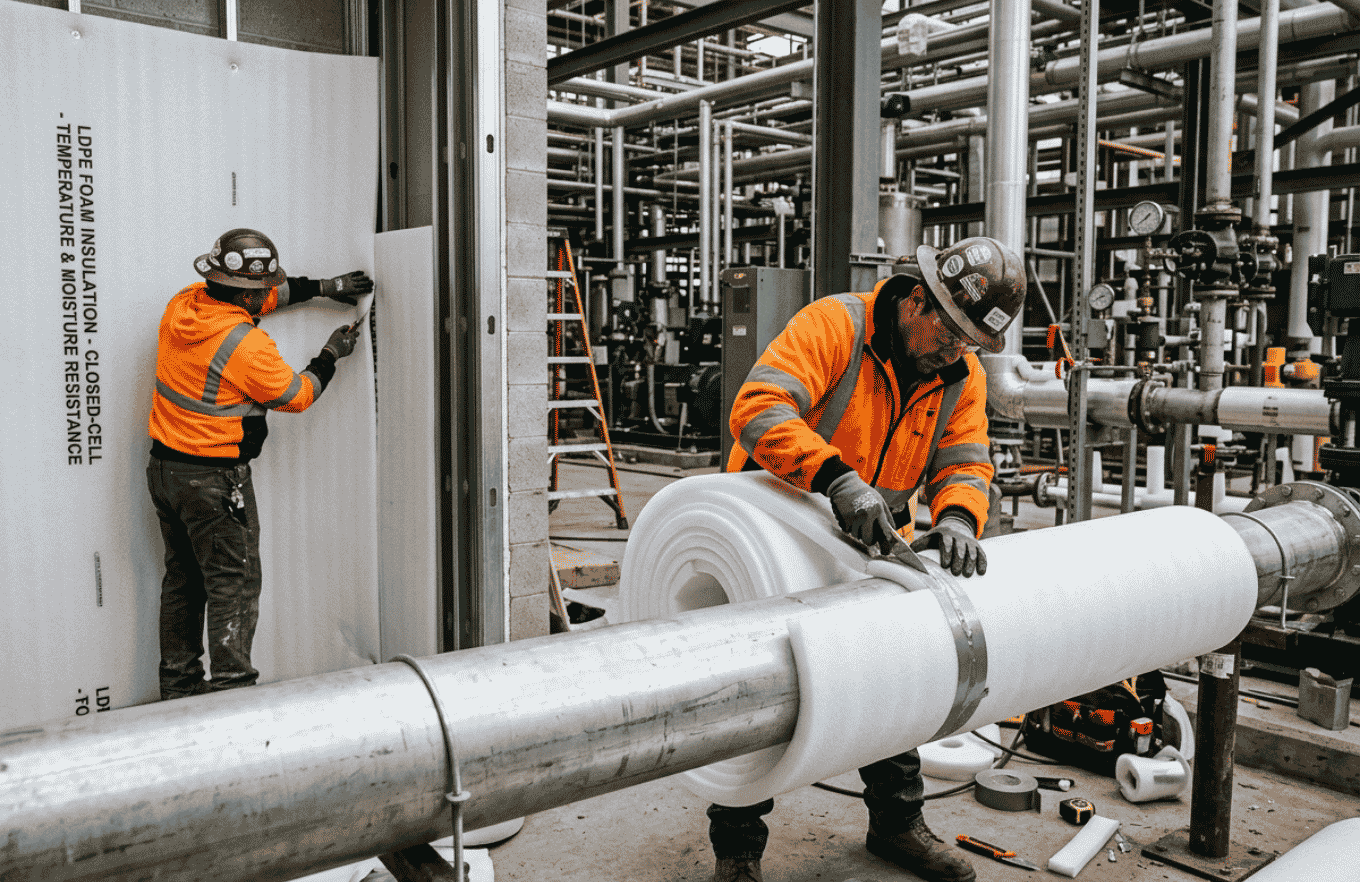
Although LDPE Foam is lightweight and highly effective for many industrial applications, its temperature behavior differs depending on operating conditions. It performs exceptionally well in packaging, insulation, cushioning, and moisture-resistant applications where lightweight protection is the primary requirement.
Moreover, its closed-cell structure helps resist water absorption while providing dependable impact protection during storage and transportation. Companies such as Samad Foam continue to support manufacturers with reliable foam materials designed to meet international production requirements and consistent quality expectations.
Selecting the right foam depends on how and where the product will be used. While both materials perform well in industrial environments, each offers unique advantages under different temperature conditions.
When evaluating temperature performance, manufacturers often compare:
● Flexibility during cold weather
● Stability under high temperatures
● Compression recovery after temperature changes
● Dimensional consistency
● Moisture resistance
● Long-term durability
For products exposed to repeated heating and cooling cycles, material stability becomes a critical factor. Businesses should also consider the complete operating environment rather than focusing on a single performance characteristic.
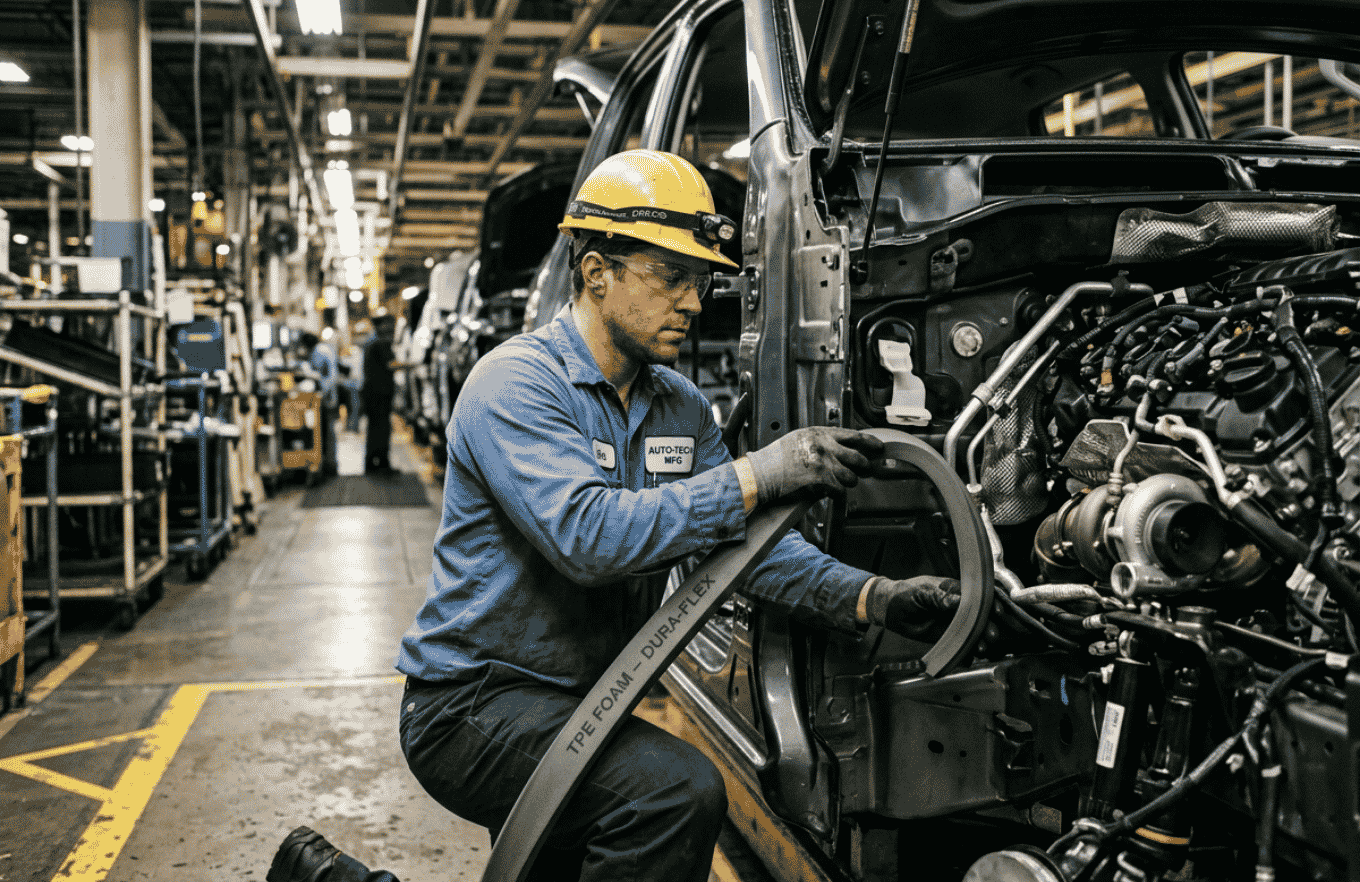
Material selection should always begin with the intended application. Products used indoors may require different properties than equipment exposed to outdoor environments or industrial processing conditions.
Before selecting a foam material, manufacturers should evaluate:
● Operating temperature range
● Required flexibility
● Mechanical stress levels
● Moisture exposure
● Product lifespan expectations
● Manufacturing compatibility
Most importantly, testing materials under actual operating conditions helps manufacturers make informed decisions while reducing future maintenance and replacement costs.
Manufacturers serving customers throughout Europe often follow strict quality requirements to ensure reliable material performance across diverse environmental conditions. Trusted suppliers such as Samad Foam help businesses meet these expectations by delivering dependable foam solutions with consistent manufacturing quality.
Choosing the right foam extends beyond immediate product performance. Better material selection contributes to greater customer satisfaction, lower warranty claims, improved operational efficiency, and stronger product reliability.
Furthermore, manufacturers that invest in high-quality foam materials often reduce production issues while improving consistency across multiple product lines. This creates long-term value for businesses operating in competitive industrial markets where performance and reliability remain top priorities.
Organizations like Samad Foam continue to support manufacturers with dependable foam solutions that help businesses produce durable products for demanding global applications.
Both TPE Foam and LDPE Foam offer valuable advantages, but the right choice depends on specific environmental conditions, performance expectations, and application requirements. Careful evaluation of temperature exposure, durability, flexibility, and long-term reliability allows manufacturers to select materials that deliver consistent results while supporting efficient production and customer satisfaction.
Partner with Samad Foam today for premium industrial foam solutions, expert material guidance, dependable manufacturing support, and internationally trusted quality that helps your products perform confidently in demanding operating environments.
TPE Foam generally offers greater flexibility across varying temperatures, while material selection should always depend on the application's environmental and performance requirements.
Yes. LDPE Foam provides lightweight cushioning, moisture resistance, and dependable protection, making it suitable for many outdoor packaging and industrial applications.
Manufacturers should assess temperature range, flexibility requirements, durability, moisture exposure, compression recovery, expected product lifespan, and overall application demands before choosing the appropriate foam material.
.svg)

.svg)