Industrial manufacturers constantly seek materials that deliver reliable performance, durability, and long-term value. Whether the application involves protective packaging, insulation, automotive components, or industrial cushioning, material stability often determines product success. Among the many foam options available today, LDPE Foam has earned a strong reputation for its consistent structure and dependable performance across demanding environments.
While several foam materials serve industrial purposes, businesses frequently compare LDPE Foam with TPE Foam when evaluating stability and operational efficiency. The choice can significantly impact product lifespan, manufacturing costs, and customer satisfaction. Understanding why one material may outperform another helps manufacturers make smarter procurement decisions. Companies like Samad Foam continue supplying advanced foam solutions to industries worldwide by focusing on quality, innovation, and consistent performance standards.
Stability refers to a foam's ability to maintain its physical properties under continuous use and varying environmental conditions.
A stable foam material should retain:
● Shape integrity
● Structural consistency
● Compression resistance
● Dimensional accuracy
● Long-term performance
Industrial buyers often prioritize these characteristics because unstable materials can result in product failures, costly replacements, and operational disruptions.
In industrial environments, materials are frequently exposed to pressure, vibration, temperature fluctuations, and repetitive usage. As a result, selecting a stable foam becomes a strategic decision rather than simply a purchasing choice.
One major reason LDPE Foam performs exceptionally well is its closed-cell structure.
This structure creates:
● Better dimensional stability
● Improved moisture resistance
● Enhanced impact protection
● Consistent performance over time
Unlike some alternative materials, closed-cell foam resists deformation more effectively during prolonged industrial use.
Industrial applications often require materials capable of withstanding continuous pressure without losing effectiveness.
This is where many manufacturers find value in LDPE-based solutions because they maintain their original characteristics even after extended service periods.
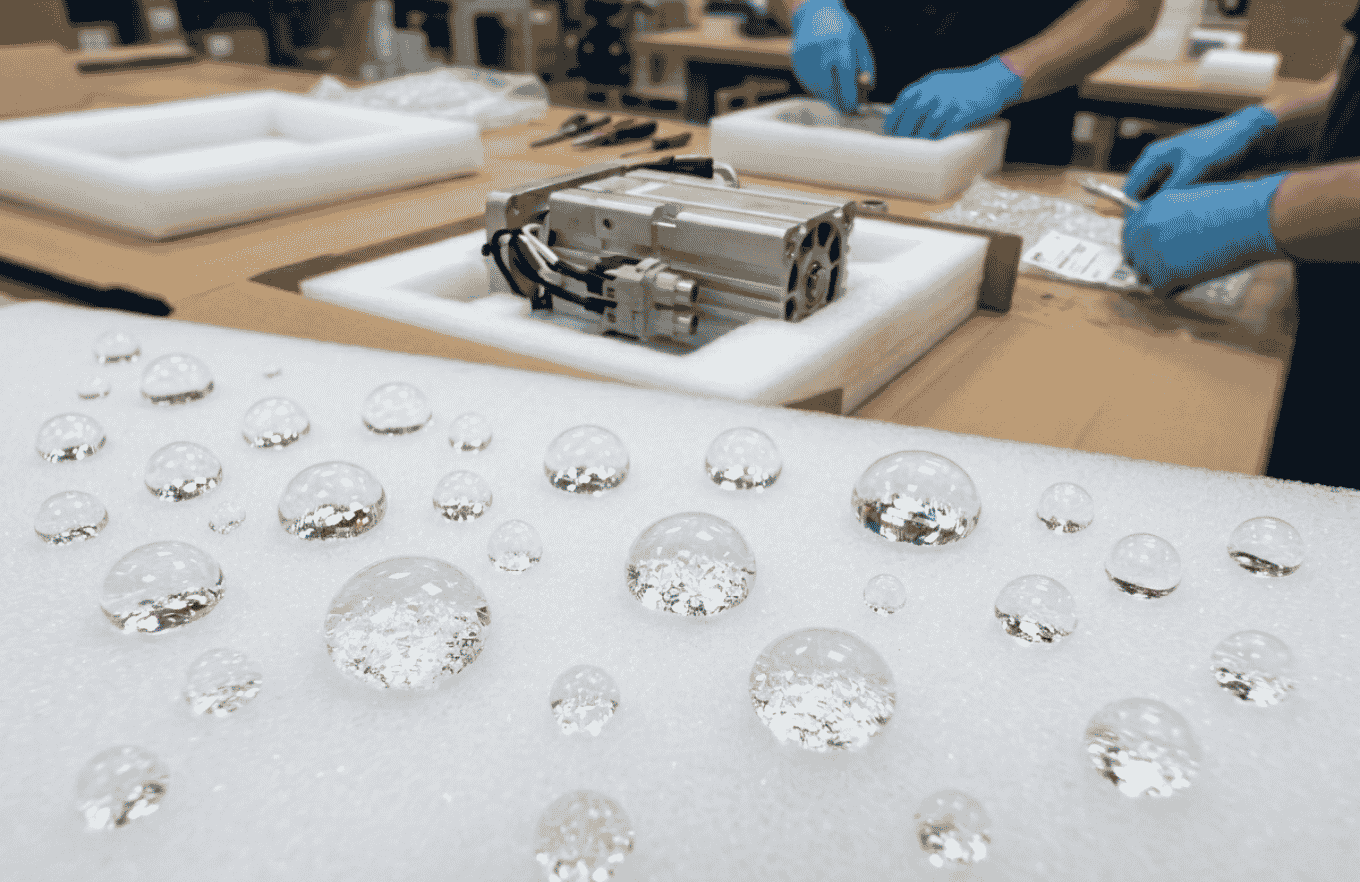
Compression resistance is one of the most important indicators of foam stability.
When materials experience repeated loading cycles, they can gradually lose their shape and functionality. In many industrial applications, TPE Foam may offer flexibility, but long-term compression performance often becomes a concern depending on the operating environment.
In contrast, LDPE-based materials generally provide stronger recovery characteristics and better dimensional retention.
Manufacturers value predictable results.
Key advantages include:
● Uniform performance
● Reduced material fatigue
● Better product reliability
● Improved production consistency
These benefits contribute directly to lower maintenance and replacement costs.
Industrial environments frequently expose materials to humidity, water, and changing weather conditions.
Moisture intrusion can weaken certain materials over time. However, the closed-cell nature of LDPE-based solutions minimizes water absorption and helps preserve structural integrity.
This feature makes the material particularly suitable for:
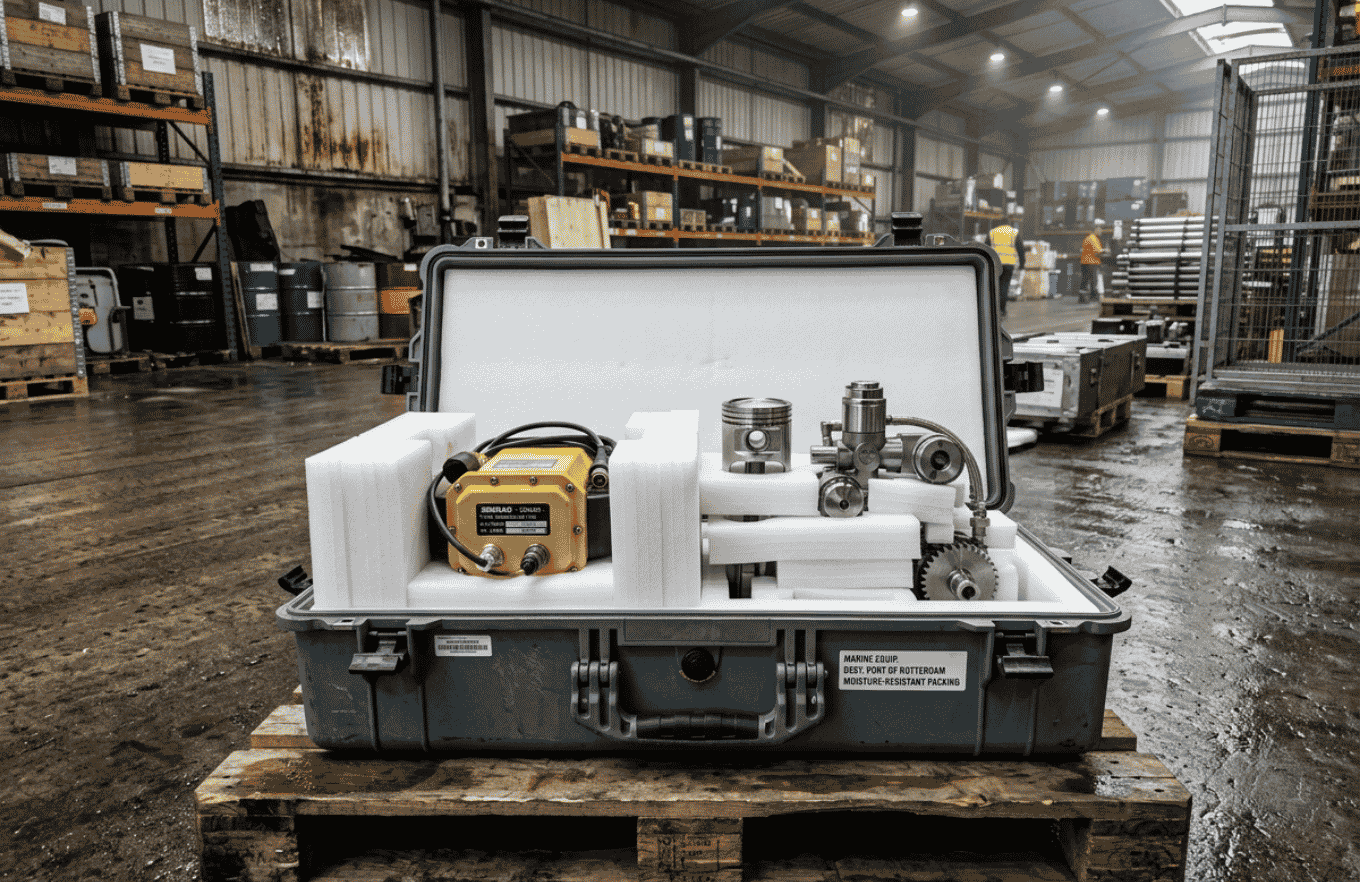
● Marine applications
● Construction projects
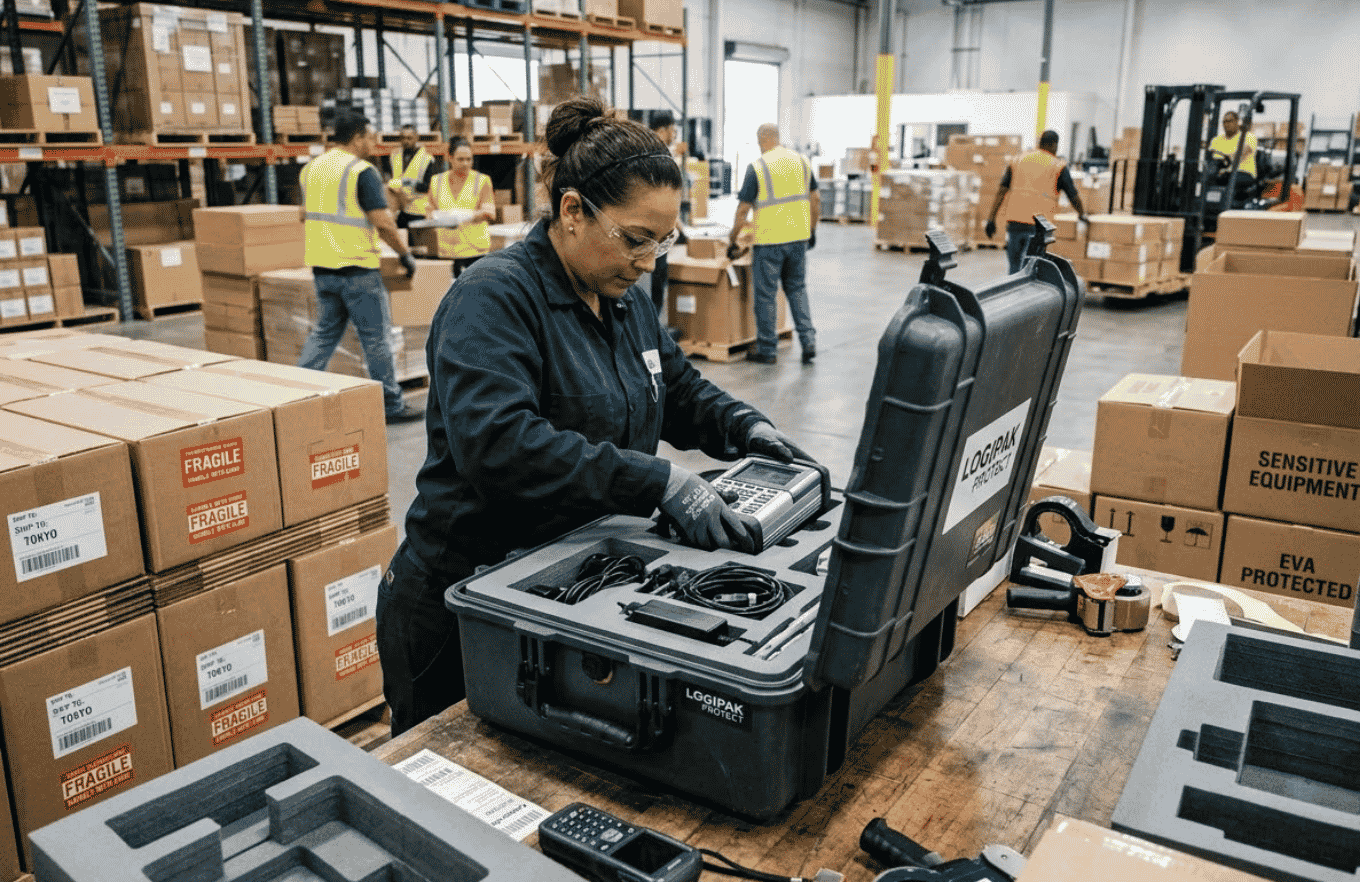
● Protective packaging
● Industrial insulation
Moisture resistance supports longer product life cycles and more reliable performance under challenging conditions.
Furthermore, reduced water absorption helps maintain weight consistency and dimensional stability.
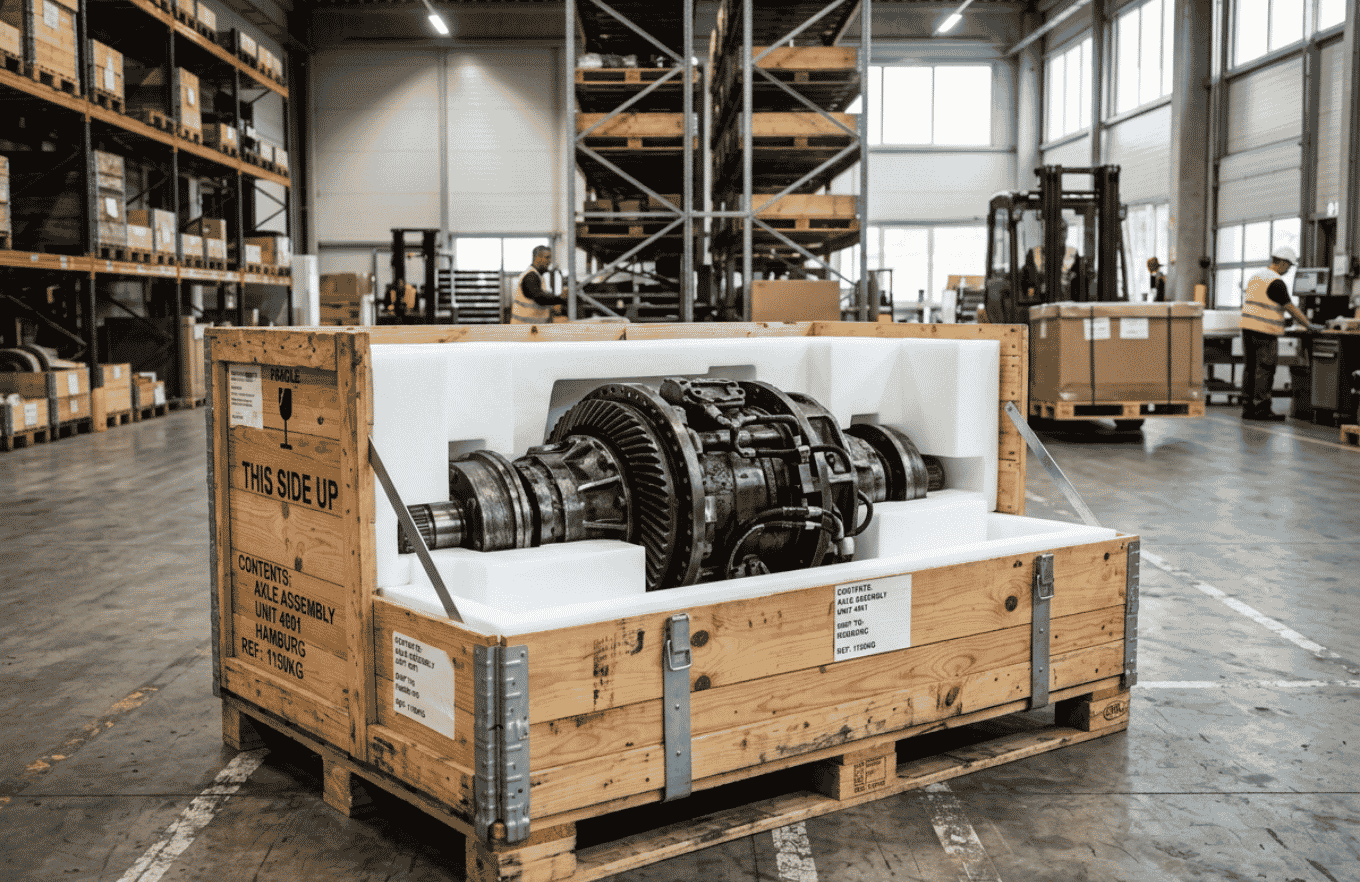
Many industries rely on foam materials to absorb shocks and vibrations during transportation and operation.
A stable material should distribute impact forces effectively without permanent deformation.
Common applications include:
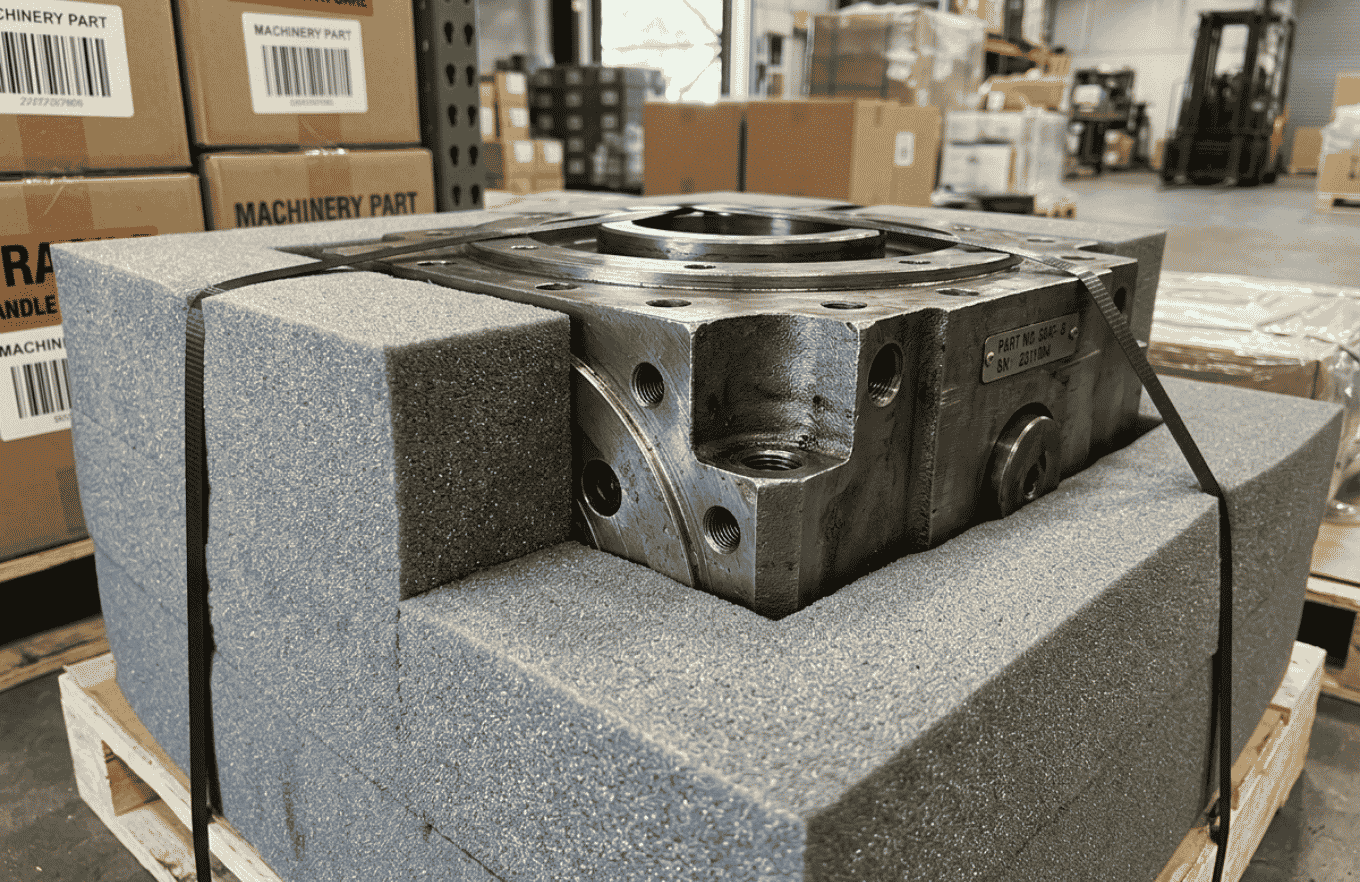
● Machinery packaging
● Electronic equipment protection
● Automotive components
● Industrial storage systems
Because of its excellent cushioning characteristics, LDPE-based solutions continue gaining popularity among manufacturers seeking dependable protection.
Repeated impacts can gradually weaken lower-quality materials. Stable foam structures help maintain protective performance even after continuous exposure to physical stress.
Some buyers focus solely on upfront costs when comparing materials. However, long-term operational performance often determines true value.
A stable material reduces:
● Replacement frequency
● Product failures
● Maintenance costs
● Production interruptions
This is one reason businesses throughout the USA increasingly choose solutions supplied by experienced manufacturers such as Samad Foam.
Although procurement decisions often involve price considerations, durability frequently delivers greater financial benefits over the product lifecycle.
Most importantly, stable materials help maintain customer satisfaction and operational efficiency.
Material consistency supports smoother manufacturing operations.
Advantages include:
● Cleaner cutting processes
● Improved lamination results
● Better dimensional accuracy
● Reduced production waste
These efficiencies contribute to higher productivity and improved product quality.
Manufacturers require dependable raw materials to produce reliable finished products. Consistency throughout production helps reduce defects and improve overall performance.
Samad Foam continues to support industrial manufacturers by supplying foam products engineered for precision and reliability.
Industrial sectors across Europe continue to adopt advanced foam technologies that offer greater reliability and operational efficiency.
Industries benefiting from stable foam materials include:
● Automotive manufacturing
● Construction
● Packaging
● Marine equipment
● Electronics protection
As global quality standards continue rising, dependable material performance becomes increasingly important.
Manufacturers today require materials that perform consistently across diverse environments. Samad Foam serves international markets by delivering solutions that address these evolving performance requirements.
Before making a material selection, businesses should evaluate:
● Compression performance
● Moisture resistance
● Impact absorption
● Dimensional stability
● Production compatibility
● Long-term durability
These factors help identify the most suitable solution for specific industrial applications.
A knowledgeable supplier can provide technical guidance and customized recommendations that support better purchasing decisions.
Samad Foam works with businesses seeking high-performance foam solutions designed to meet demanding industrial requirements while maintaining consistent quality standards.
When industrial performance, durability, and consistency are top priorities, LDPE Foam often provides significant advantages over TPE Foam. Its superior compression resistance, moisture protection, dimensional stability, and long-term reliability make it an excellent choice for demanding applications. While both materials offer valuable characteristics, manufacturers frequently prefer LDPE-based solutions when dependable performance is essential.
As industries continue prioritizing efficiency and product longevity, stable foam materials remain a critical component of successful operations. By partnering with experienced suppliers such as Samad Foam, businesses can confidently select solutions that support both immediate needs and long-term growth objectives.
Contact Samad Foam today for customized industrial foam solutions that deliver proven stability, durability, reliable performance, and long-term value across demanding applications.
LDPE Foam typically offers better compression resistance, dimensional stability, and moisture protection, making it suitable for demanding industrial environments.
Industries such as packaging, automotive, construction, electronics, and marine manufacturing frequently use LDPE Foam for reliable protection and durability.
Moisture resistance helps prevent material degradation, maintains structural integrity, and supports long-term performance in challenging operating conditions.
.svg)

.svg)