When selecting the right foam material for industrial, packaging, or cushioning applications, understanding the differences between LDPE Foam and TPE Foam is crucial. Both materials have distinct properties that influence flexibility, durability, and overall performance. Manufacturers, designers, and engineers across Europe and the USA often weigh these options to optimize cost, efficiency, and functionality. Companies like Samad Foam, which offer international-quality foam solutions, have observed a growing interest in LDPE Foam due to its combination of flexibility and resilience, making it suitable for a wide range of applications.
Choosing the right foam material isn’t just a technical decision; it impacts production processes, long-term durability, and user satisfaction. Let’s dive deeper into how LDPE Foam and TPE Foam compare and why manufacturers are making informed decisions based on these insights.

LDPE Foam is recognized for its lightweight yet resilient properties. Its cellular structure provides a natural cushioning effect, making it ideal for packaging, sports equipment, and insulation. One of its strongest advantages is its consistent flexibility. LDPE Foam can withstand repeated compression without losing shape, which is particularly useful in packaging sensitive electronics or delicate items.
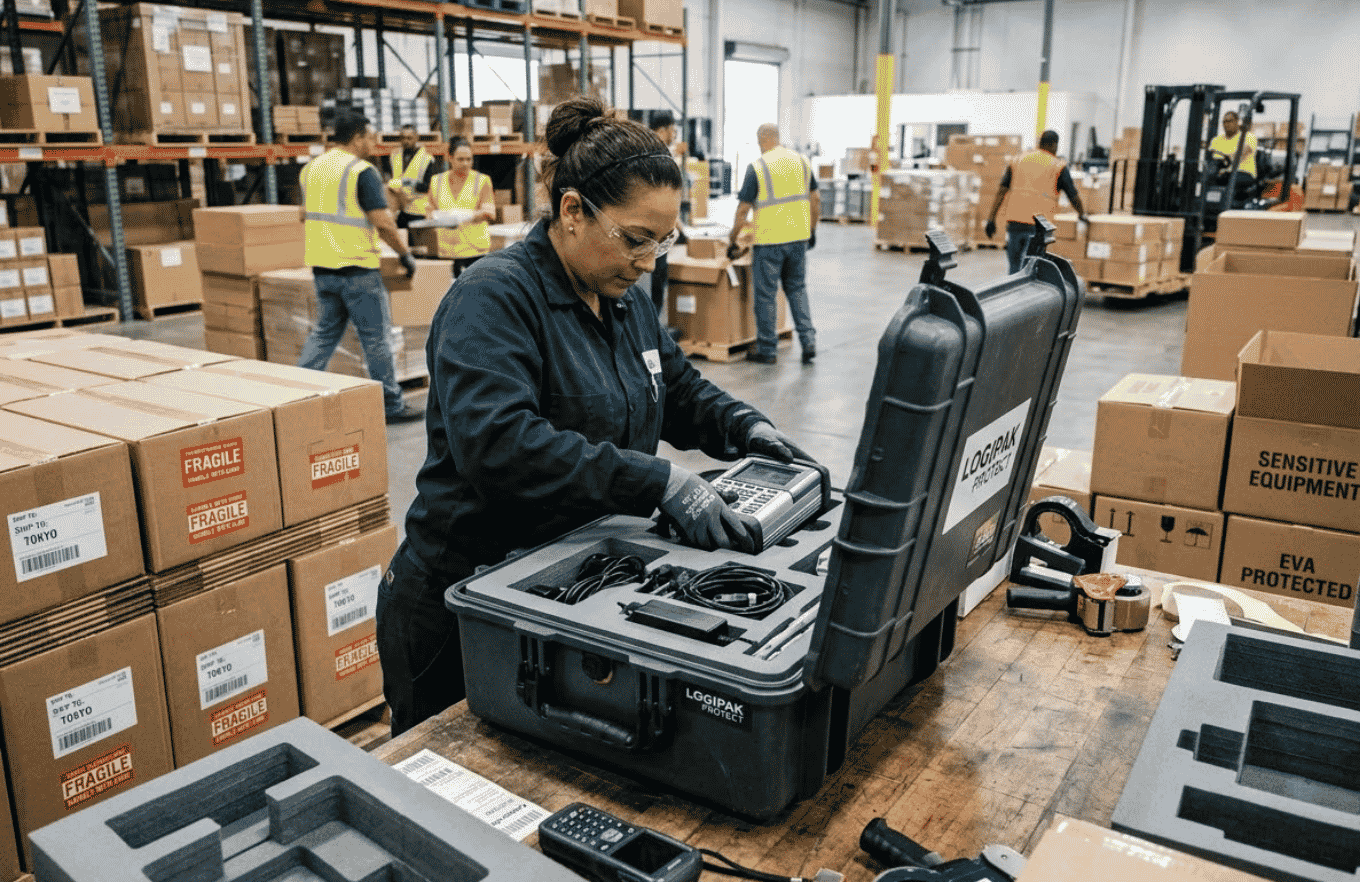
Additionally, LDPE Foam offers excellent impact absorption. For example, when transporting fragile goods across long distances in the USA, manufacturers often rely on LDPE Foam to reduce shipping damage. Samad Foam, with its international reach, supplies LDPE Foam that meets rigorous quality standards, ensuring consistent density and performance across batches.
Beyond flexibility, LDPE Foam is chemically inert and moisture-resistant, which extends its usability across industrial and consumer applications. Its thermal stability allows it to perform effectively in various climates, whether in Europe’s colder regions or the warmer conditions of the USA. This versatility explains why many brands continue to prefer LDPE Foam despite the availability of alternative materials like TPE Foam.
TPE Foam offers a different set of benefits. It is known for exceptional elasticity and a soft, rubber-like feel. This makes TPE Foam suitable for products requiring high rebound and grip, such as athletic mats or ergonomic supports.
While TPE Foam provides superior surface comfort, it generally comes at a higher cost compared to LDPE Foam. Its density and structure allow it to flex and compress efficiently, but it may not withstand heavy industrial use as reliably as LDPE Foam over time. Many yoga mat manufacturers and industrial designers still integrate TPE Foam for specialized applications, but when long-term durability and cost-efficiency are priorities, LDPE Foam often becomes the preferred choice.
Samad Foam produces TPE Foam solutions for clients across Europe, ensuring that its elastomeric properties meet stringent safety and usability standards. Despite its flexibility, TPE Foam requires careful handling during manufacturing to maintain consistent performance, which can increase production complexity.
Durability is one of the most critical factors when choosing between LDPE Foam and TPE Foam. LDPE Foam has demonstrated resistance to wear and tear, maintaining its shape under repeated compression. Industries using packaging foam, sports cushioning, or insulation components in the USA often find that LDPE Foam outperforms TPE Foam in long-term resilience.
TPE Foam, while elastic, may gradually lose firmness under prolonged stress or heavy loads. Applications that demand constant compression resistance, like protective packaging or industrial padding, benefit more from LDPE Foam. Samad Foam ensures both LDPE and TPE Foam batches are quality tested, but LDPE Foam remains the cost-effective choice for durability-focused solutions.
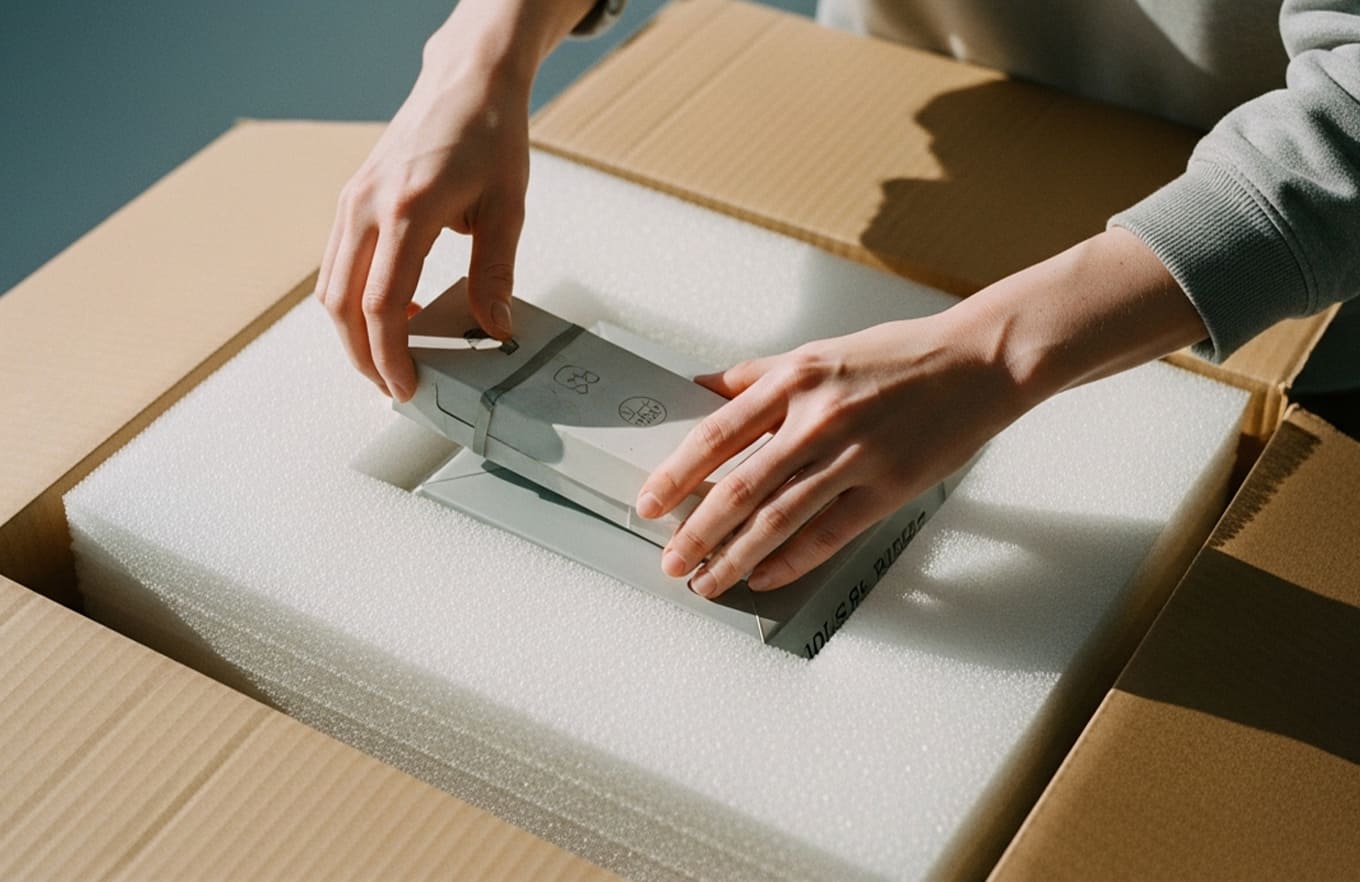
LDPE Foam’s versatility makes it popular across multiple sectors. In Europe, it is widely used for shipping packaging, insulation panels, and protective padding. The material’s low weight, flexibility, and resilience reduce shipping costs while providing excellent protection.
TPE Foam, on the other hand, finds its niche in high-end consumer products where softness and tactile comfort are valued. EVA mats, exercise equipment, and ergonomic cushioning often integrate TPE Foam for superior grip and comfort. For international clients, Samad Foam supplies both materials, allowing manufacturers to select foam based on the precise functional needs of their products.

When deciding between LDPE Foam and TPE Foam, manufacturers should evaluate cost, flexibility, durability, and intended application. LDPE Foam offers a balance of strength and flexibility with a competitive cost profile, making it ideal for high-volume industrial use.
TPE Foam provides unique comfort and elasticity, but may not match LDPE Foam for heavy-duty performance or cost efficiency. Manufacturers often collaborate with trusted suppliers like Samad Foam, who provide international-standard products suitable for diverse markets, from Europe to the USA.
Selecting the correct foam material ensures product longevity, customer satisfaction, and operational efficiency, especially when applied in packaging, industrial components, or fitness mats.
Understanding the differences between LDPE Foam and TPE Foam is essential for making informed material choices. LDPE Foam offers superior durability, consistent flexibility, and cost-effectiveness, while TPE Foam excels in elasticity and comfort. Giants like Samad Foam continue to provide international clients with both options, ensuring high-quality foam materials that meet global demands.
By evaluating your product requirements, cost constraints, and performance expectations, choosing the right foam becomes a strategic decision that enhances both product quality and operational efficiency.
Contact Samad Foam today to source premium LDPE Foam and TPE Foam materials for your next project worldwide.
LDPE Foam maintains shape under repeated compression and offers higher resistance to wear, making it suitable for industrial and packaging applications.
TPE Foam can provide cushioning but may not offer the same cost-effectiveness or long-term durability as LDPE Foam for heavy-duty packaging.
Yes, Samad Foam provides both LDPE Foam and TPE Foam for clients in the USA, Europe, and other international markets.
.svg)

.svg)