A good mat can quietly do its job for years, absorbing pressure, providing cushioning, and creating a more comfortable surface for exercise or everyday activities. But even durable materials eventually show signs that they have reached the end of their useful life. Products made with EVA Foam can offer resilience and reliable cushioning, yet constant pressure, moisture, friction, cleaning, and heavy use gradually affect performance. The tricky part is knowing when normal wear has become a genuine replacement issue. Waiting too long can affect comfort, safety, and the performance of the surface beneath you. In this blog, we are going to look at five practical signs that indicate your mats may need replacing and explain what to consider before choosing their replacements.
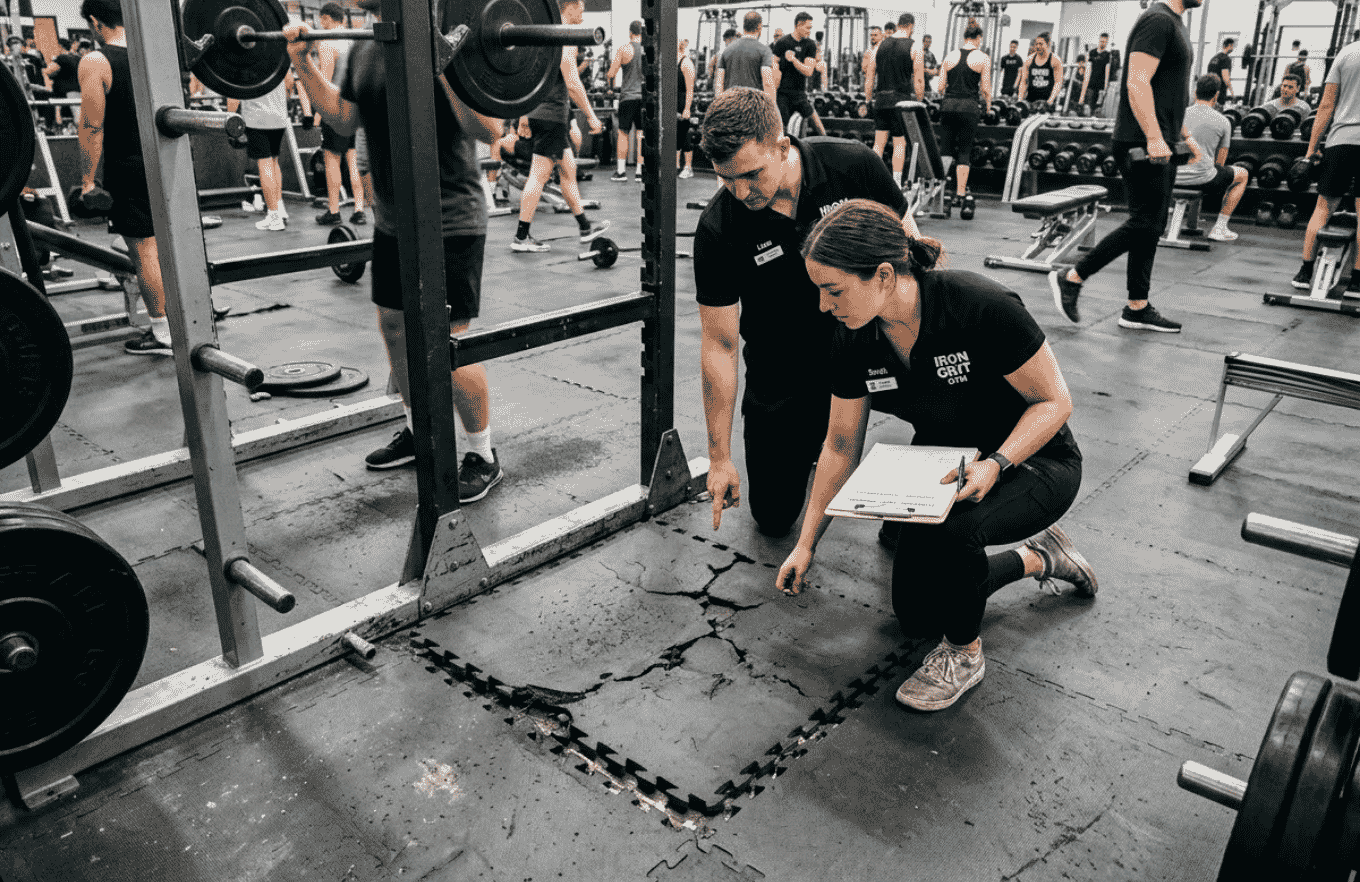
The easiest warning sign is often right in front of you. Cracks, deep cuts, peeling areas, torn edges, and permanent surface marks can indicate that a mat is no longer performing as intended.
Minor cosmetic marks do not automatically mean replacement is necessary. However, damage that continues to spread or creates uneven areas deserves closer attention. Once the surface structure becomes compromised, pressure may no longer be distributed evenly.
A small tear can gradually expand when the material is repeatedly stretched, folded, or exposed to friction. On frequently used flooring or exercise surfaces, this can create uncomfortable or unstable areas.
For commercial facilities, replacing visibly deteriorated mats can also create a cleaner and more professional environment for customers and employees.

One useful characteristic of quality foam is its ability to recover after compression. When that recovery starts to decline, the material may remain permanently flattened in high-pressure areas.
You might notice dents beneath exercise equipment, footprints that remain visible, or sections that feel noticeably thinner than the surrounding material.
This is particularly important where consistent cushioning matters. A mat that has lost much of its recovery may provide a very different experience from when it was first installed.
Instead of judging the entire surface at once, inspect areas that experience the most repeated pressure. Corners, standing zones, equipment locations, and frequently used pathways often reveal deterioration earlier than less-used sections.
Sometimes there is no obvious crack or tear, yet something simply feels different. The surface may feel harder, less responsive, or noticeably less comfortable during use.
Changes in cushioning can indicate that the material's internal structure has experienced significant compression over time. When EVA Mats no longer provide the expected level of shock absorption or comfort, replacing them may be more practical than continuing to work around worn areas.
Moreover, comfort is not just about user preference. In fitness environments, suitable cushioning can influence how comfortably people perform repeated movements and exercises.
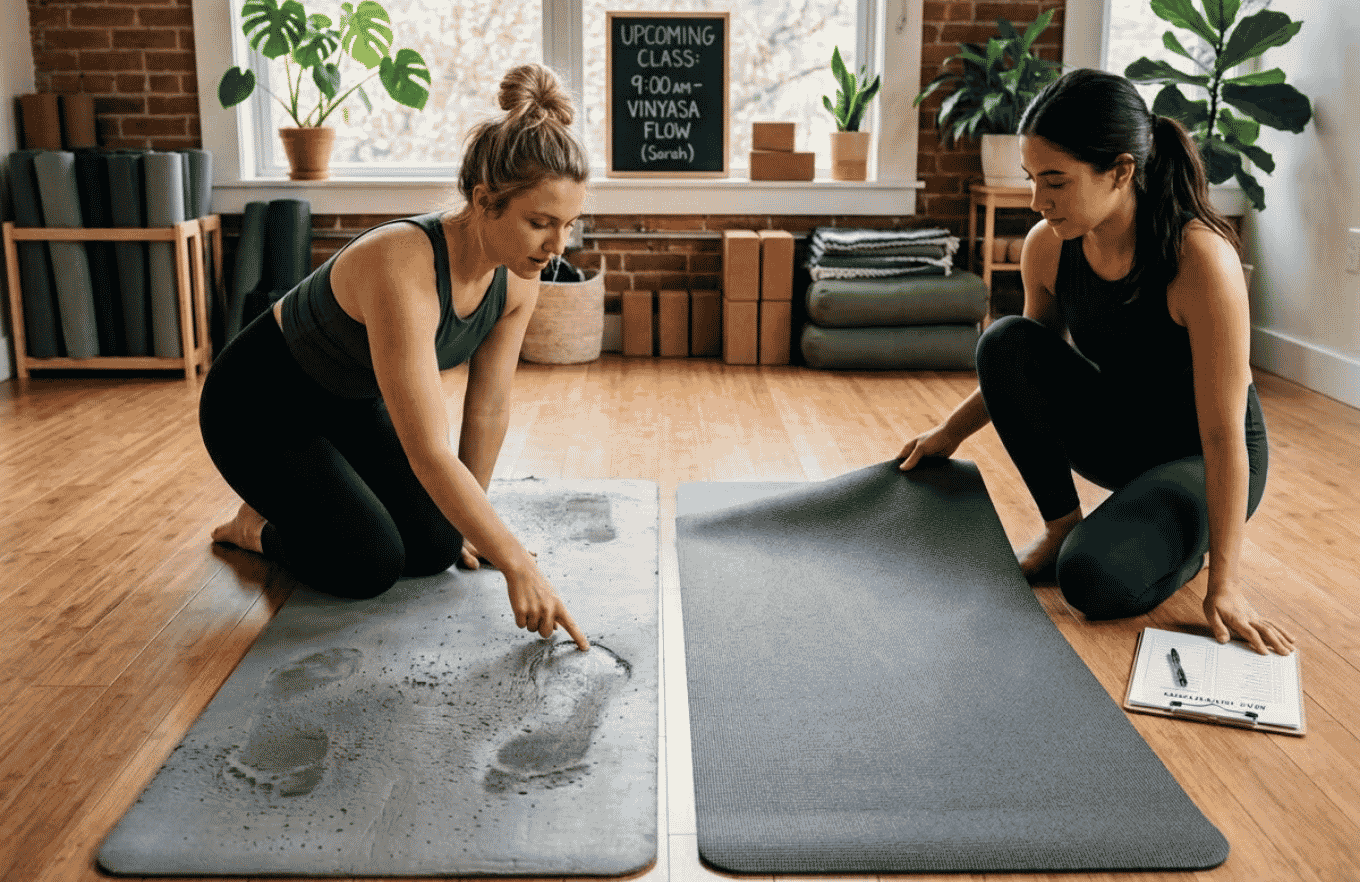
A mat should provide a predictable surface for its intended application. If users begin noticing increased slipping, unexpected movement, or changes in surface texture, it is worth investigating.
Cleaning products, oils, moisture, friction, ultraviolet exposure, and repeated use can gradually alter a foam surface. The rate of deterioration depends heavily on where and how the material is used.
A mat used indoors under controlled conditions may experience a very different service life from one exposed to sunlight, moisture, temperature changes, or heavy commercial traffic.
Samad Foam considers application requirements when manufacturing foam products, helping businesses select material characteristics appropriate for their intended environment.
A damaged or heavily worn mat can become increasingly difficult to clean effectively. Deep cracks, roughened surfaces, and deteriorated edges can create areas where dirt and moisture are harder to remove.
This matters particularly in gyms, studios, schools, healthcare-related environments, and other spaces where multiple people may use the same surface.
Regular cleaning remains important throughout a product's life, but there comes a point when deterioration makes replacement the more sensible option.
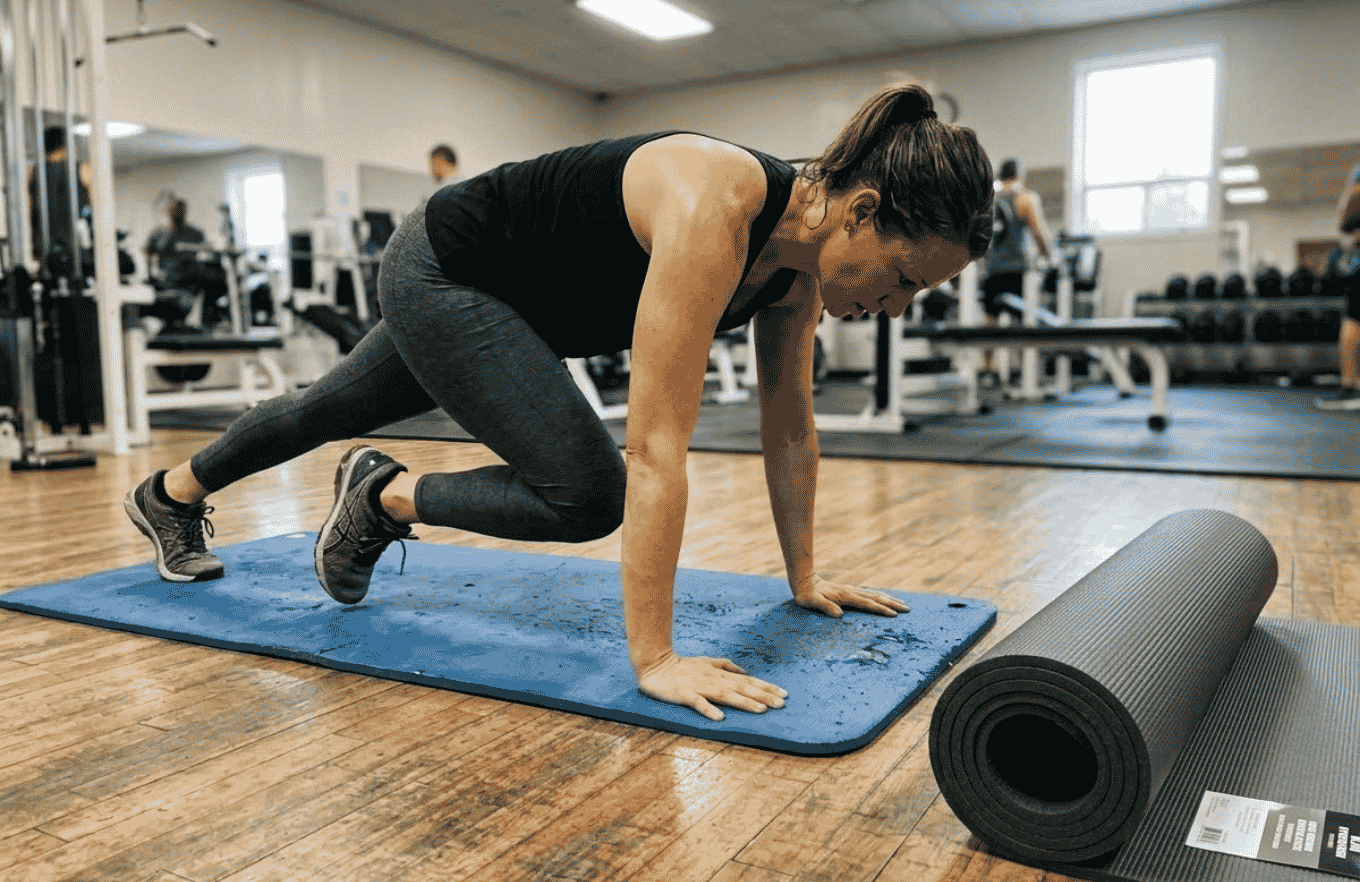
Replacing a worn mat is an opportunity to reassess the original specification. Consider the expected level of traffic, thickness requirements, cushioning, surface characteristics, cleaning routine, and environmental exposure.
A product that worked well in a lightly used home environment may not be the right choice for a busy commercial facility.
Samad Foam provides foam solutions for different applications, allowing businesses to consider material requirements according to actual usage conditions rather than simply replacing one product with an identical specification.
In Europe, Samad Foam supports international customers seeking consistent foam manufacturing for commercial applications.
The USA also presents diverse requirements where fitness, flooring, packaging, and industrial foam products may need to balance comfort, durability, and reliable performance.
Most importantly, replacement does not have to happen only after a mat becomes unusable. Visible deterioration, permanent compression, reduced cushioning, changing grip, and hygiene concerns can all provide useful warning signals.
Planning replacement before complete failure can reduce disruption, particularly for businesses managing large installations.
Mats rarely fail overnight. Their performance usually declines gradually, giving users several opportunities to recognize when replacement makes sense. Visible damage, permanent compression, reduced cushioning, changing grip, and difficult cleaning are five practical warning signs to watch.
Choosing replacement material should also involve a fresh look at the application's actual demands. Samad Foam can support businesses seeking dependable foam solutions designed around specific commercial requirements and usage conditions.
Contact Samad Foam today for durable replacement foam solutions, application guidance, customized specifications, and dependable manufacturing support for demanding commercial environments worldwide.
There is no universal replacement schedule because service life depends on traffic, pressure, cleaning practices, environmental exposure, thickness, and material specifications. Regular inspections are recommended.
Minor cosmetic damage may not immediately require replacement, but deep cracks, permanent deformation, severe surface deterioration, or unstable areas should be evaluated before continued use.
Consider application type, traffic level, cushioning, thickness, surface performance, environmental conditions, cleaning requirements, and the expected service life of the replacement material.
.svg)

.svg)