In the push for sustainability, materials that combine durability and environmental friendliness are in high demand. Closed-Cell Foam has emerged as a go-to solution for businesses seeking to minimize waste while maintaining high-quality performance. Known for its airtight structure, moisture resistance, and superior insulation, Closed-Cell Foam is widely used in the USA and Europe for packaging, construction, and industrial applications.
Samad Foam, an international leader in foam solutions, offers premium Closed-Cell Foam products that integrate recycled foam to reduce environmental impact. With features like high compressive strength, lightweight structure, and long lifespan, this material is increasingly preferred by companies striving for greener operations without compromising on performance.
This article explores the applications, benefits, and sustainability impact of Closed-Cell Foam and how it complements recycled foam initiatives for eco-conscious manufacturers.

Closed-Cell Foam has tiny, completely enclosed cells, which prevent air and water from penetrating. This unique property provides excellent waterproofing and insulation, making it suitable for construction, marine, and industrial applications. Samad Foam produces Closed-Cell Foam sheets that maintain these properties across various thicknesses and densities.
Unlike open-cell alternatives, Closed-Cell Foam resists compression and deformation under load. Products packaged with this foam remain safe during shipping, and insulation applications benefit from long-term performance. Manufacturers in Europe trust Samad Foam for its consistent quality and durability.
Despite its toughness, Closed-Cell Foam is lightweight, reducing shipping costs and making handling easier for workers. It can be used in combination with recycled foam to create environmentally friendly products without sacrificing strength.
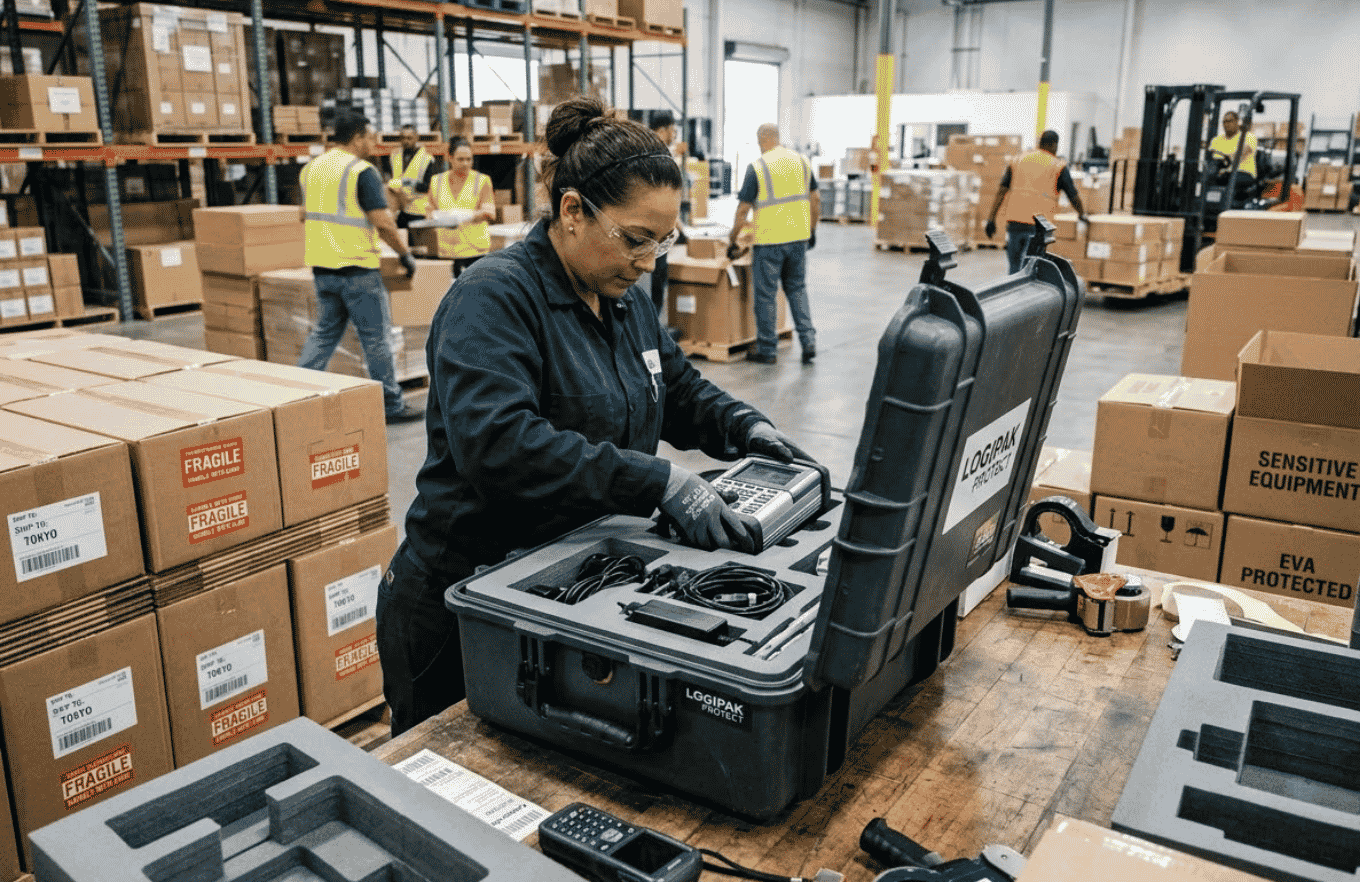
Closed-Cell Foam is ideal for protecting delicate products, from electronics to industrial equipment. Samad Foam’s custom-cut foam inserts ensure minimal movement and maximum protection. Using recycled foam in packaging reduces waste and aligns with sustainability goals.

Closed-Cell Foam provides thermal and acoustic insulation, moisture barriers, and structural support. Contractors in the USA prefer this material for wall panels, roof insulation, and protective underlayments. Its combination with recycled foam further enhances eco-friendly building practices.
Waterproofing and buoyancy make Closed-Cell Foam a top choice for marine applications. Boat builders and outdoor equipment manufacturers rely on Samad Foam products for long-lasting performance while reducing environmental impact through recycled foam integration.
Many manufacturers combine recycled foam with Closed-Cell Foam to reduce the environmental footprint. Samad Foam supports this initiative by providing solutions that maintain structural integrity while minimizing waste. Recycled foam helps divert materials from landfills and lowers production energy consumption.
Closed-Cell Foam is durable enough to be reused multiple times, from shipping protection to insulation panels. Its long lifespan reduces replacement needs, making it an economical and eco-conscious choice for businesses.
Using Closed-Cell Foam in combination with recycled materials decreases the overall carbon footprint of packaging and construction projects. Companies in Europe and the USA are increasingly adopting these strategies to meet sustainability targets.

Closed-Cell Foam can be cut to match exact product dimensions, providing superior fit and protection. Samad Foam offers precision cutting services to ensure maximum efficiency and minimal waste.
For highly fragile items, layering Closed-Cell Foam with recycled foam increases cushioning and shock absorption. This approach minimizes damage during shipping or installation.
Proper handling and storage extend the life of Closed-Cell Foam products. Keep foam sheets away from direct heat or sunlight, and clean them with non-abrasive methods to maintain performance.
Enhance your sustainability strategy today with Samad Foam’s Closed-Cell Foam and recycled foam solutions for long-lasting, eco-friendly protection.
Closed-Cell Foam offers unmatched durability, insulation, and moisture resistance, making it a key material in sustainable manufacturing. When combined with recycled foam, it supports eco-conscious initiatives while maintaining product protection across industries in the USA and Europe. Samad Foam delivers tailored solutions for packaging, construction, and marine applications, helping businesses reduce waste, improve efficiency, and adopt greener practices. By leveraging the unique properties of Closed-Cell Foam, companies can meet sustainability goals without sacrificing quality or performance.
Construction, packaging, marine, and industrial sectors use Closed-Cell Foam for protection, insulation, and durability.
Yes, Samad Foam integrates recycled foam while maintaining compressive strength, moisture resistance, and longevity.
Its long lifespan, reusability, and combination with recycled foam lower waste and carbon footprint.
.svg)

.svg)