In today’s eco-conscious industrial landscape, buoyant foam plays a pivotal role in products ranging from marine equipment to safety devices. However, the environmental impact of traditional foam production has driven manufacturers to explore greener alternatives. Recycled foam has emerged as a sustainable solution, allowing manufacturers to maintain product performance while reducing waste. Companies like Samad Foam are leading this transformation, supplying high-quality buoyant foam that integrates recycled materials without compromising durability or functionality.
In markets across the USA and Europe, the demand for environmentally responsible buoyant foam is rising, and understanding the role of recycled foam in this process is crucial for manufacturers aiming to balance efficiency, safety, and sustainability.
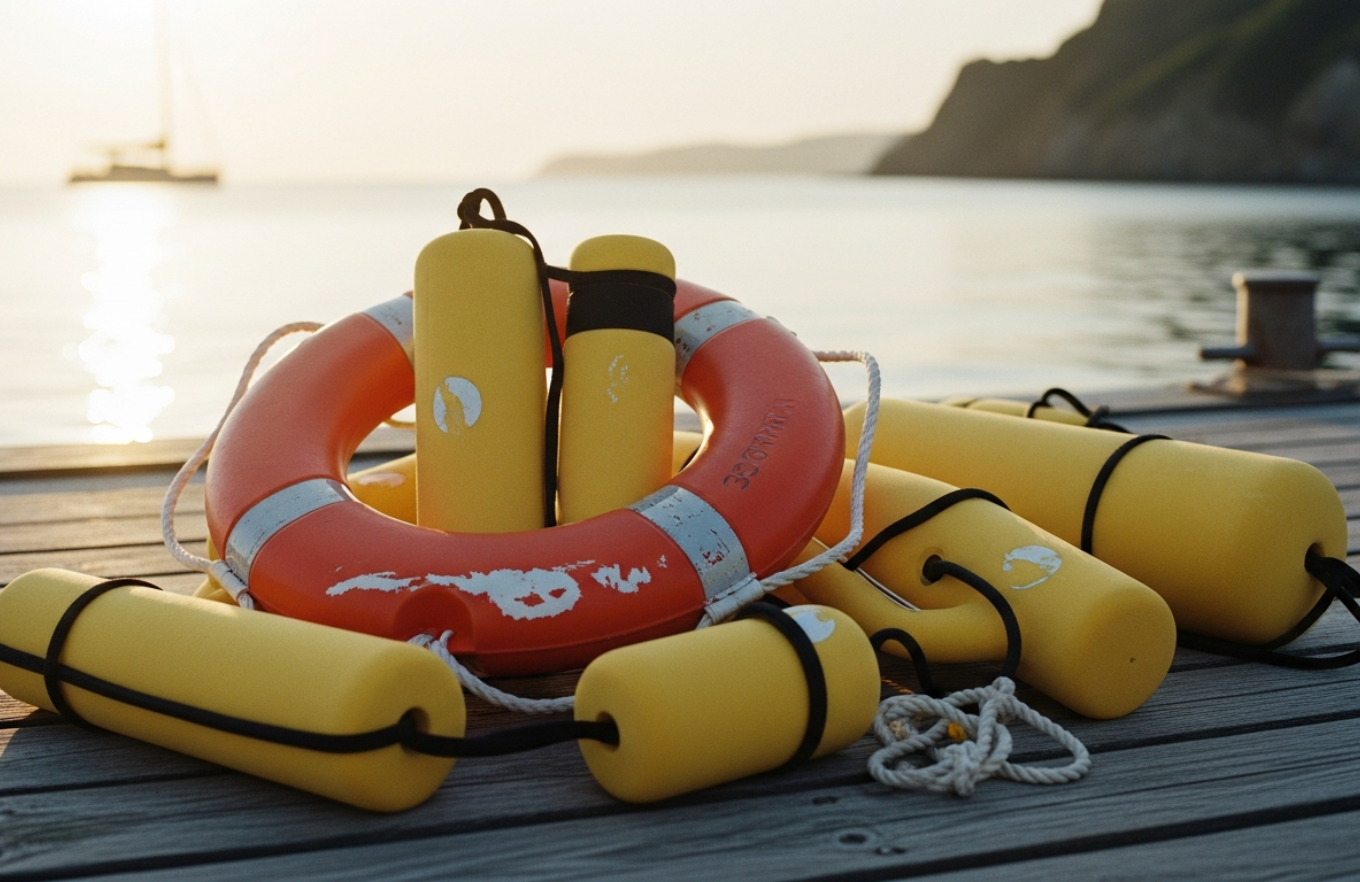
Buoyant foam is designed to provide flotation and impact resistance, making it a cornerstone material for marine safety equipment, water sports gear, and industrial applications. Its low density, excellent water resistance, and durability make it a preferred choice for manufacturers seeking reliable performance. At Samad Foam, the emphasis on quality ensures that each batch of buoyant foam meets international standards, allowing manufacturers in the USA and Europe to produce safe and high-performance products consistently. The integration of recycled foam further enhances the environmental profile of these products, aligning with the growing global push toward sustainable industrial practices.
Environmental concerns have reshaped how industries approach foam manufacturing. Traditional foam production often involves non-biodegradable materials and energy-intensive processes. By incorporating recycled foam, manufacturers can reduce raw material consumption, lower carbon footprints, and divert waste from landfills. Samad Foam has pioneered methods to reuse foam scraps efficiently, transforming them into high-quality buoyant foam that performs just as well as virgin materials. For industrial clients, this means delivering products that meet both environmental regulations and market expectations without sacrificing quality.
The use of recycled foam in buoyant products offers several tangible benefits:
Eco-friendly Manufacturing: Reduces dependency on virgin materials, cutting waste and emissions.
Cost Efficiency: Recycled foam lowers production costs while maintaining performance standards.
Versatility: Ideal for marine applications, floating devices, and industrial safety products.
Market Appeal: Products with sustainable materials attract eco-conscious consumers in the USA and Europe.
Samad Foam combines expertise with sustainable practices, offering recycled foam solutions that don’t compromise on durability or safety. Manufacturers benefit from a reliable supplier that meets international specifications and supports green initiatives in buoyant foam production.
Successful integration of recycled foam requires careful planning:
Material Testing: Ensure recycled foam meets density and flotation requirements.
Blending Techniques: Combine recycled and virgin foam for optimal performance.
Quality Assurance: Regular inspections to maintain product standards.
Supplier Collaboration: Work with trusted suppliers like Samad Foam to source high-quality recycled materials.
Adopting these strategies allows manufacturers to leverage recycled foam without affecting buoyancy, durability, or overall product quality. In regions such as Europe, regulatory pressures favor sustainable production, making these practices essential for competitive advantage.
Recent advancements in foam technology have made recycled buoyant foam more accessible and high-performing. Innovations include enhanced bonding methods, improved foam density, and better water resistance. Samad Foam has invested in R&D to ensure recycled foam meets stringent international standards, allowing manufacturers to serve markets in the USA and Europe confidently. These innovations not only improve product longevity but also reinforce the brand’s commitment to sustainability, giving clients an eco-friendly edge in a competitive market.
While recycled foam offers significant benefits, manufacturers may encounter challenges:
Variable Quality: Differences in recycled material batches can affect consistency.
Processing Difficulties: Some recycled foam types require advanced equipment.
Market Perception: Educating consumers about recycled foam’s performance is necessary.
Samad Foam addresses these issues with standardized production methods, rigorous quality checks, and transparent communication. Their approach ensures that recycled foam meets industrial requirements while maintaining customer trust.

The demand for sustainable materials in industrial and marine applications continues to grow. As manufacturers increasingly adopt recycled foam, buoyant foam products are expected to become more environmentally friendly and cost-effective. Companies like Samad Foam are at the forefront of this trend, supplying recycled foam globally while promoting responsible manufacturing practices. The focus on sustainability not only benefits the planet but also provides a competitive advantage for manufacturers targeting international markets in the USA and Europe.
Contact Samad Foam today to explore high-quality recycled foam solutions for buoyant foam production worldwide efficiently.
Incorporating recycled foam into buoyant foam production is no longer just an environmental choice; it’s a strategic business decision. Manufacturers gain cost efficiency, regulatory compliance, and market appeal, all while reducing environmental impact. By partnering with reliable suppliers like Samad Foam, companies can produce high-quality, sustainable buoyant products that perform exceptionally across global markets. Embracing recycled foam ensures that buoyant foam remains a cornerstone material for safe, innovative, and eco-friendly solutions.
Buoyant foam is a lightweight, water-resistant material used for flotation, marine safety equipment, and industrial products requiring impact absorption and flotation.
When properly processed, recycled foam maintains density, durability, and flotation, offering sustainable products without compromising performance.
Yes, high-quality suppliers like Samad Foam provide recycled buoyant foam that meets strict international standards for safety and durability.
.svg)

.svg)