Closed-cell foam has become a staple material for industrial product designers who aim to combine durability, versatility, and sustainability in their creations. With its unique structure, Closed Cell Foam provides resistance to water, chemicals, and impact, making it ideal for a range of applications from automotive parts to protective packaging. For designers seeking high-quality material, Samad Foam stands out by offering closed-cell foam solutions internationally, including Europe and the USA. Incorporating recycled foam into production further elevates the material’s sustainability without compromising performance. Understanding the properties, benefits, and best practices of Closed Cell Foam ensures that industrial designers can make informed choices, creating products that are both innovative and long-lasting.
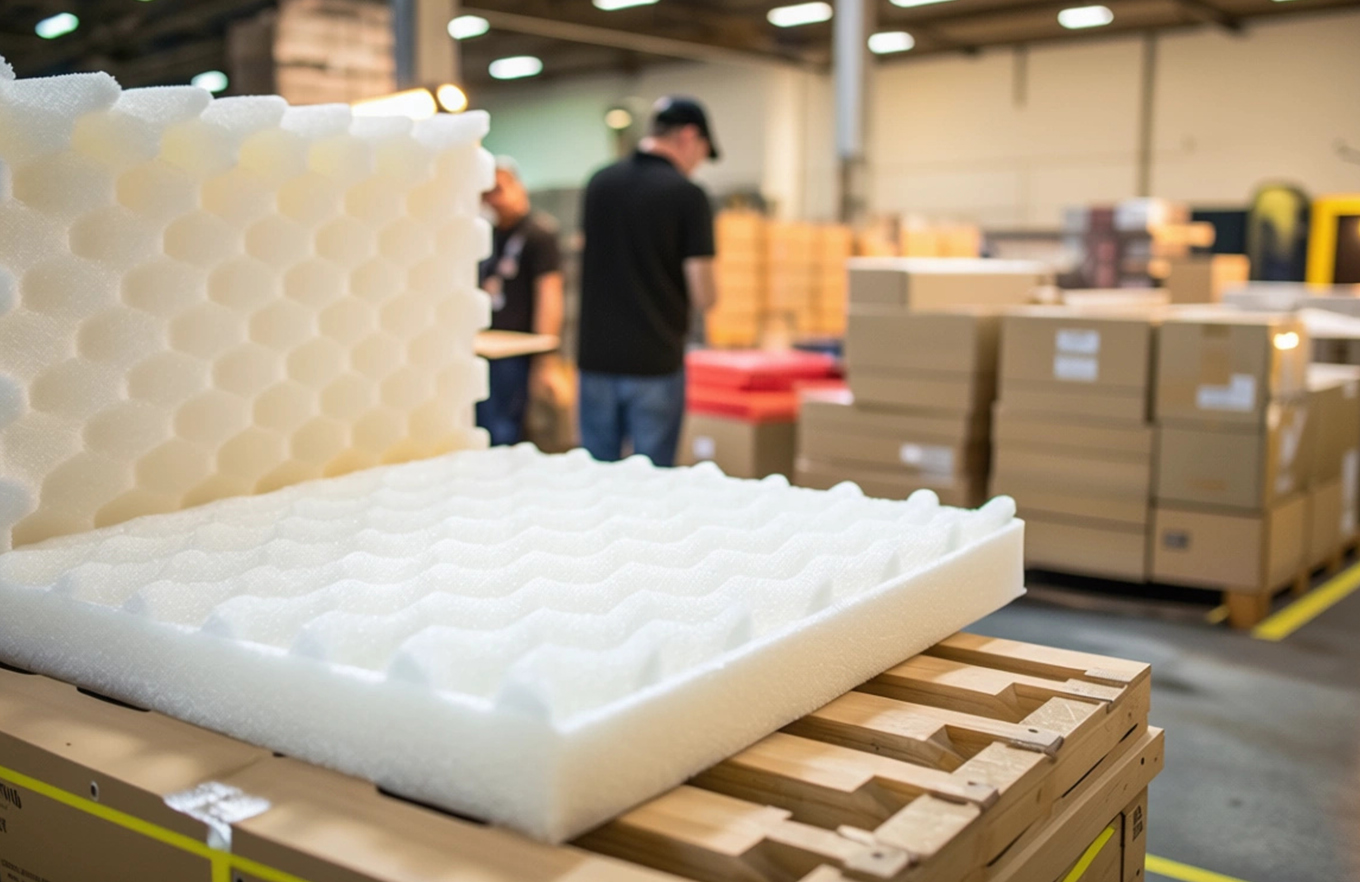
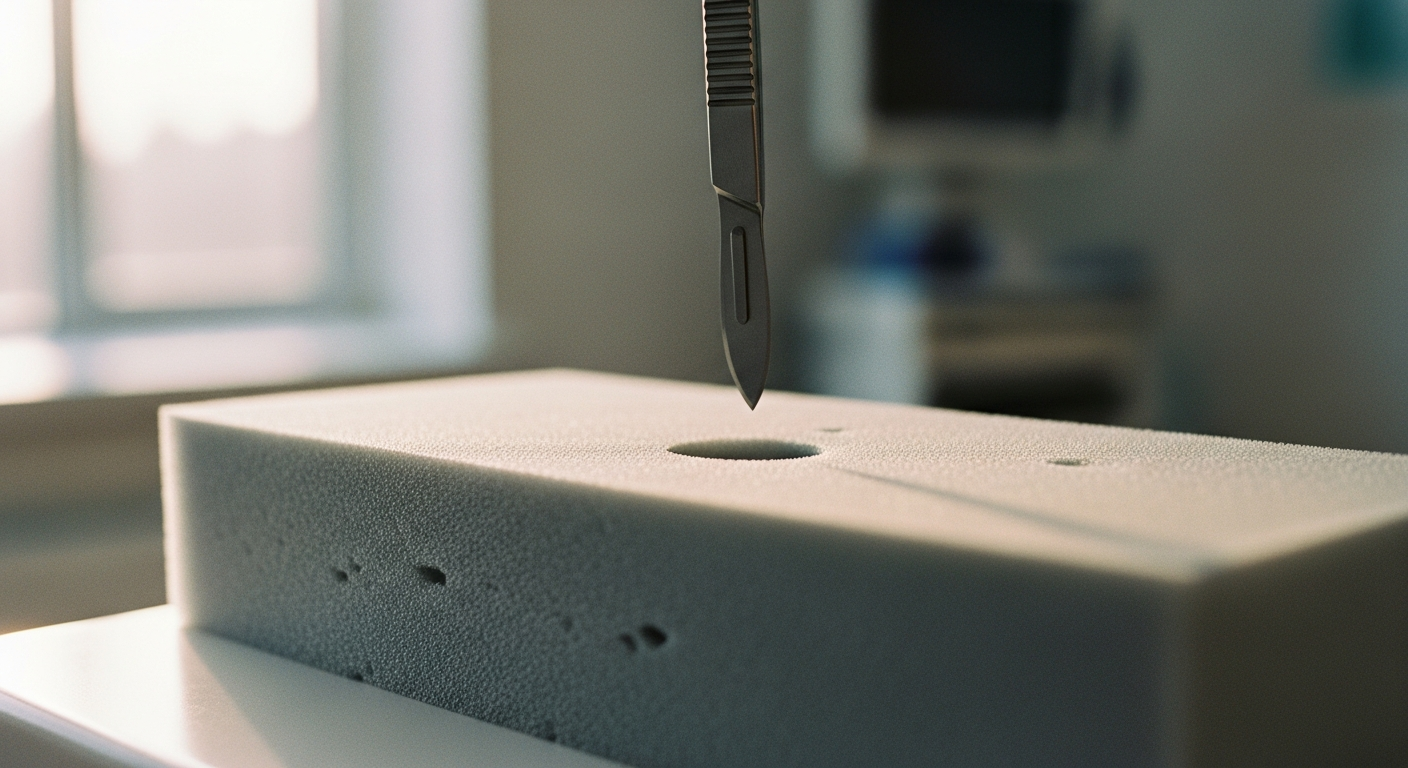
Closed Cell Foam is composed of tiny, sealed cells that prevent water and air from passing through, giving it superior insulation and cushioning properties. Industrial designers appreciate this structure because it allows the foam to maintain shape under pressure, making it perfect for protective components in machinery, electronics, and automotive interiors. Unlike open-cell materials, closed-cell foam provides structural support while remaining lightweight, which is crucial for reducing manufacturing costs and improving product ergonomics.
Companies like Samad Foam leverage advanced manufacturing techniques to ensure consistent density and thickness in their closed-cell foam sheets, meeting the strict standards required by designers in the USA and Europe. Using high-quality foam reduces the risk of product failure, which is critical when creating industrial-grade items.
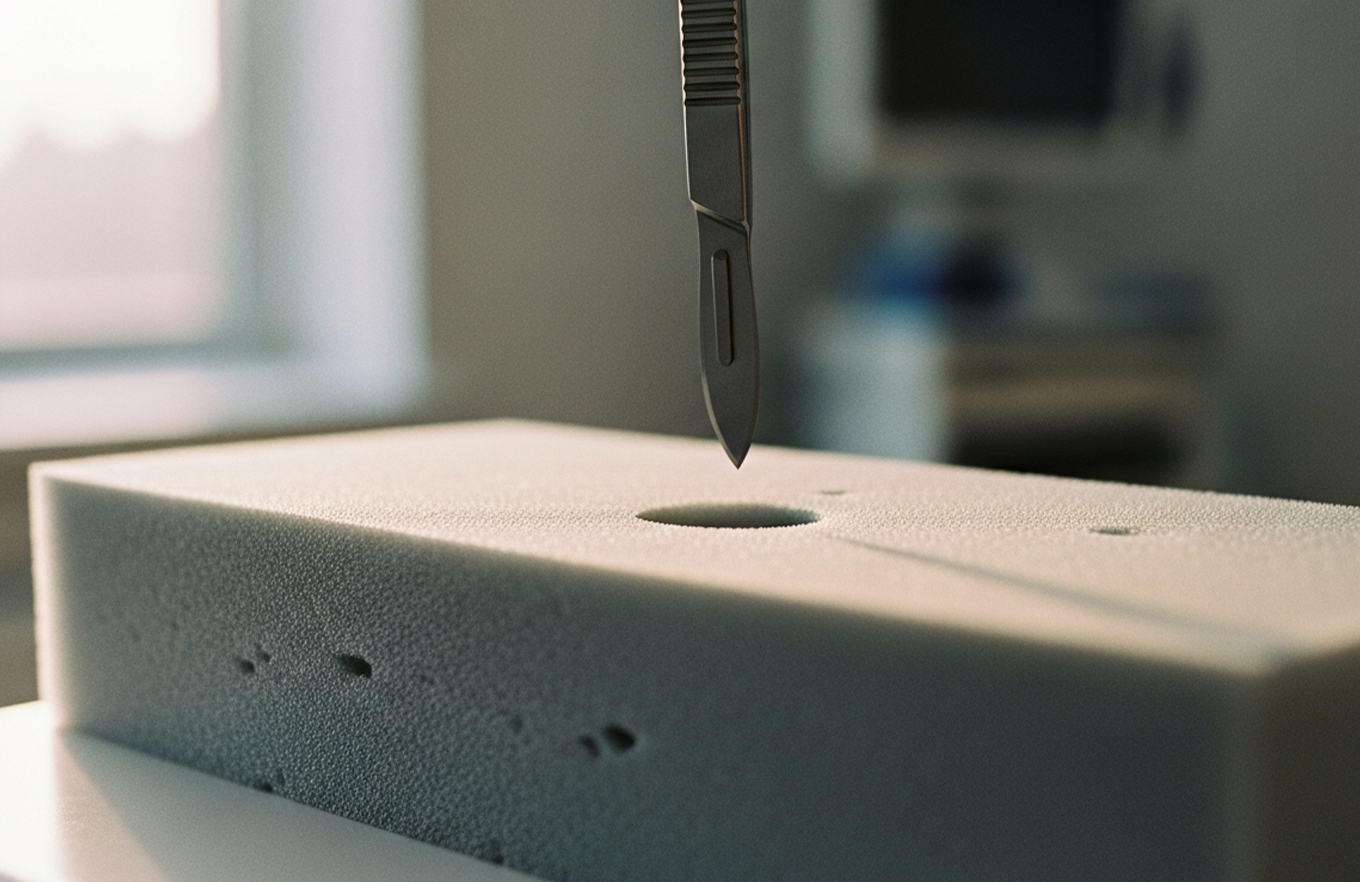
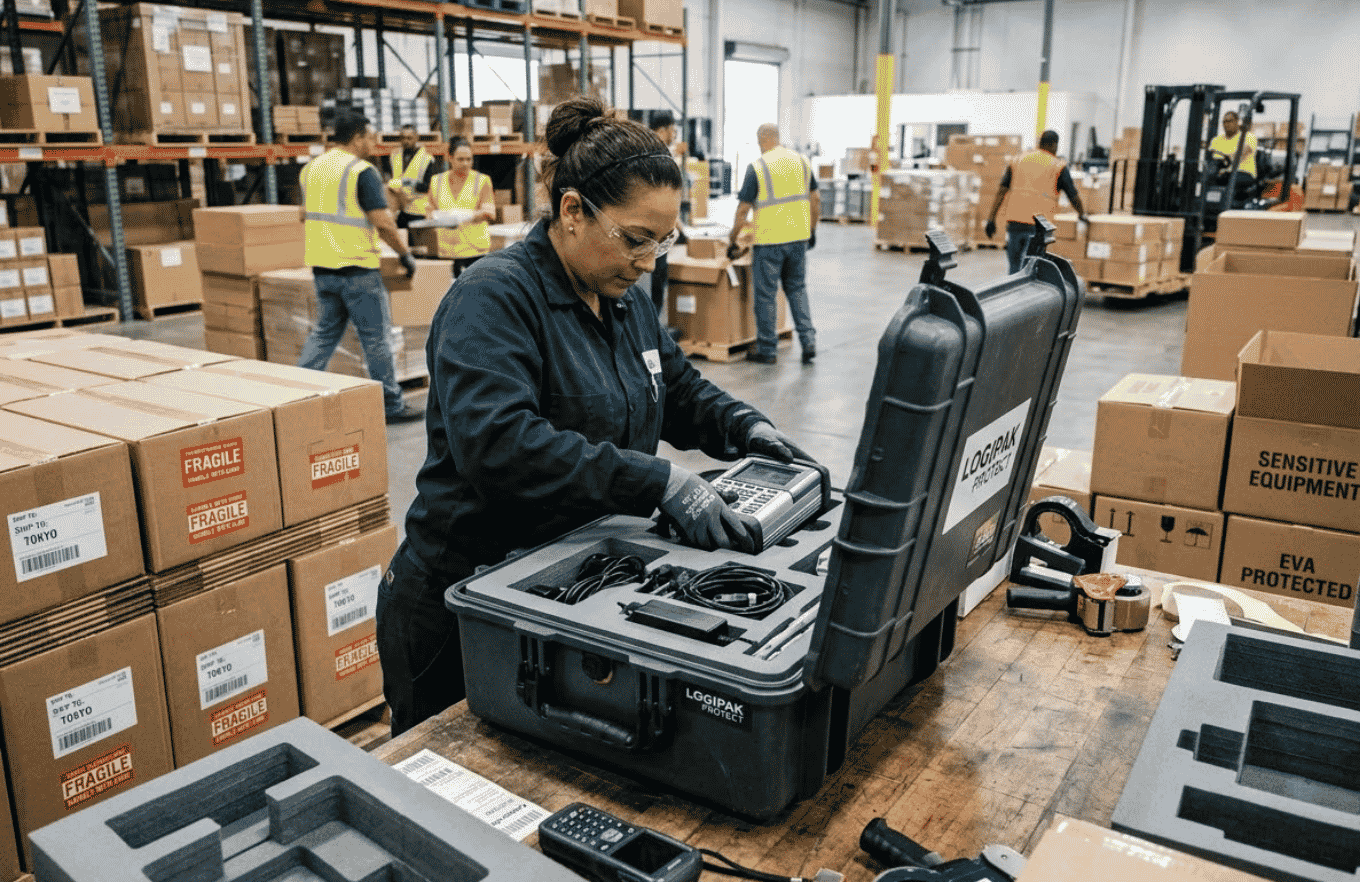
The applications of Closed Cell Foam in industrial design are extensive. In the automotive industry, it is used for seat cushioning, vibration dampening, and insulation panels. Electronics manufacturers rely on Closed Cell Foam to protect sensitive components from shock and moisture damage. In packaging, it ensures fragile items reach consumers safely, while in construction, it provides effective thermal insulation.
Incorporating recycled foam allows designers to reduce environmental impact without sacrificing performance. Industrial clients increasingly value eco-conscious materials, and Samad Foam has pioneered using recycled content in Closed Cell Foam, supplying it internationally to manufacturers who demand both quality and sustainability.
Closed Cell Foam’s resilience also makes it suitable for sports equipment, protective gear, and medical devices. Designers appreciate its combination of flexibility, lightweight characteristics, and durability. By carefully selecting foam density, thickness, and texture, industrial designers can tailor solutions to each product’s needs, enhancing both performance and user experience.
Sustainability is a growing priority in industrial design. Recycled foam plays a pivotal role in producing eco-friendly closed-cell foam, reducing waste while maintaining high performance standards. By integrating recycled foam, manufacturers like Samad Foam contribute to circular economy practices and meet the growing international demand for sustainable materials in Europe and the USA.
The process involves cleaning and repurposing foam waste into new sheets, which can be used in packaging, automotive components, or construction materials. Designers benefit from knowing their materials reduce landfill impact and carbon footprint while still performing at the required industrial standards.

While Closed Cell Foam is versatile, industrial designers sometimes face challenges such as selecting the appropriate density, ensuring proper bonding with adhesives, and balancing cost with performance. Improper handling can lead to deformation or reduced durability, particularly in high-impact or high-temperature applications.
To address these challenges, Samad Foam guides best practices, material testing, and proper storage techniques. Working with experienced suppliers ensures that designers receive materials optimized for their specific applications, whether producing components for the USA market or European clients seeking eco-conscious solutions.

To make the most of Closed Cell Foam, designers should carefully evaluate the intended application. For protective packaging, thicker foam with higher density is preferable. For insulation, consider foam with superior thermal resistance. Using recycled foam should be balanced with performance requirements to achieve sustainability goals without compromising functionality.
Regular testing for compression, moisture resistance, and chemical compatibility ensures products meet international standards. Industrial designers also benefit from collaborating with suppliers like Samad Foam, who provide consistent material quality, technical support, and customization options to fit complex design requirements.
The industrial foam market is evolving with increasing demand for lightweight, high-performance, and eco-friendly materials. Innovations in recycled foam technology and bio-based closed-cell foam are opening new opportunities for sustainable product design. Designers in the USA and Europe are exploring multi-layered foam composites that combine resilience with insulation, soundproofing, and shock absorption.
Samad Foam continues to invest in research and development, ensuring its Closed Cell Foam products meet future industrial needs while remaining environmentally responsible. As sustainability and durability converge, industrial designers can create smarter, more innovative products without compromising on quality or design aesthetics.
Closed Cell Foam provides industrial product designers with a versatile, durable, and sustainable material option. By understanding its properties, applications, and integration with recycled foam, designers can create innovative products that meet international standards. Suppliers like Samad Foam play a crucial role in delivering high-quality foam solutions to clients in the USA, Europe, and beyond, helping designers achieve excellence in every project.
Contact Samad Foam today to source premium Closed Cell Foam and recycled foam materials for your next industrial project.
Closed Cell Foam offers water resistance, impact protection, thermal insulation, and durability, making it ideal for automotive, packaging, and construction applications.
Yes, recycled foam integrated with Closed Cell Foam maintains performance standards while reducing environmental impact, offering sustainable solutions for international markets.
Samad Foam uses advanced manufacturing techniques and quality control protocols to supply premium Closed Cell Foam for clients in the USA, Europe, and beyond.
.svg)

.svg)