Medical products and healthcare equipment demand materials that can deliver comfort, resilience, hygiene, and dependable performance. From protective cushioning to equipment components, material selection can directly influence usability and product life. Among the available flexible materials, TPE Foam offers a useful combination of softness, elasticity, and durability for applications where consistent performance matters. Its ability to provide cushioning while maintaining flexibility makes it suitable for products that experience repeated movement, pressure, or handling.
Samad Foam supplies foam solutions for demanding applications, helping manufacturers select materials according to their product requirements. In this blog, we will examine the key features that make this material useful in healthcare environments and how it compares with alternatives such as LDPE Foam.
Healthcare products are rarely used in completely predictable conditions. Equipment may be handled repeatedly, surfaces can experience compression, and protective components often need to remain comfortable over extended periods. A suitable foam must therefore balance softness with structural stability.
Material performance becomes even more important when manufacturers are developing products for hospitals, clinics, laboratories, rehabilitation centers, and home healthcare. A foam that loses its shape quickly can affect comfort and functionality, while an overly rigid material may not provide sufficient cushioning.
For this reason, manufacturers evaluate properties such as flexibility, compression behavior, recovery, surface feel, durability, and compatibility with the intended application before selecting a foam.
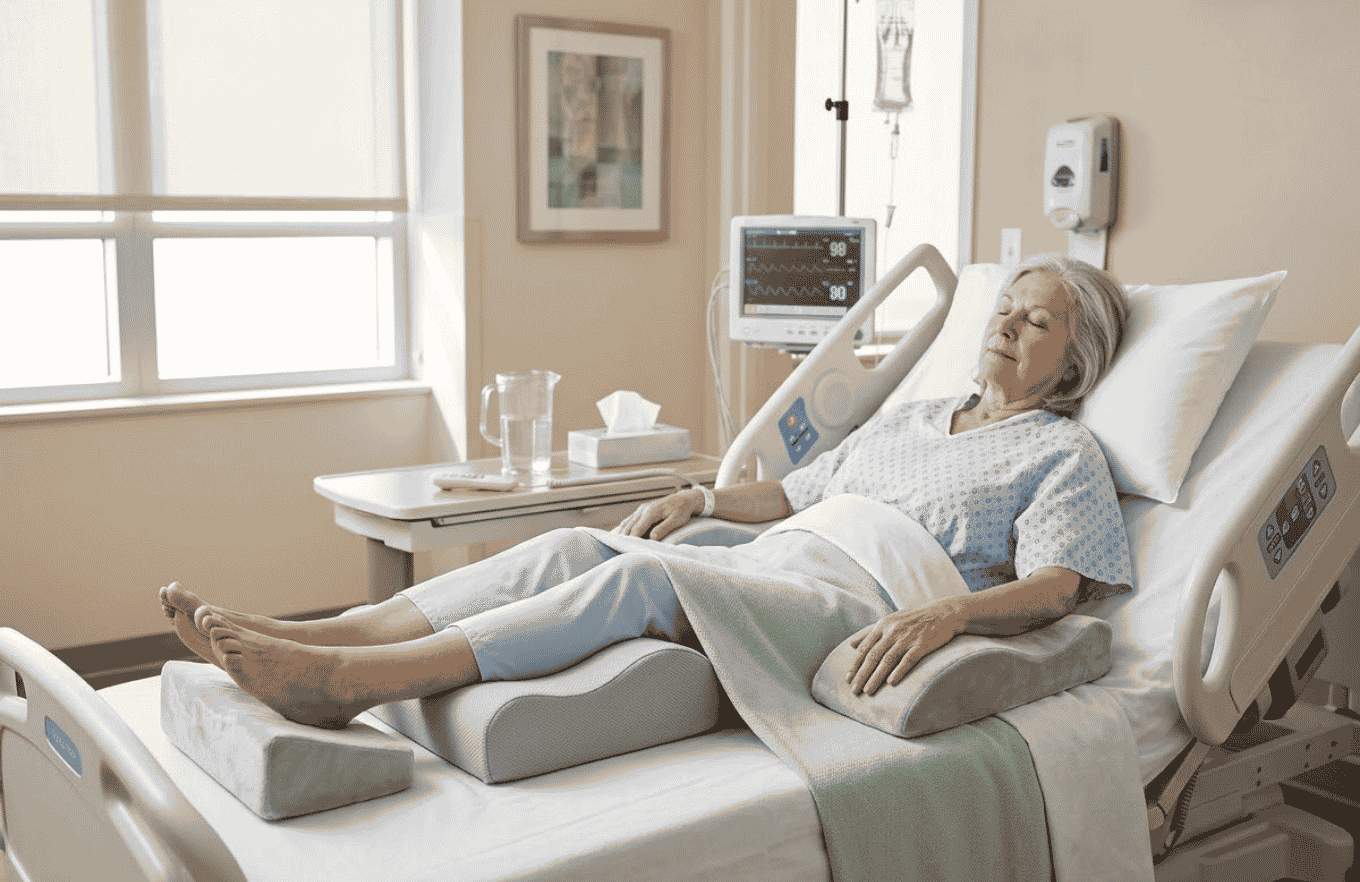
One of the most useful characteristics of TPE Foam is its flexibility. The material can deform under pressure and recover its shape, making it suitable for products that require repeated movement or compression.
This characteristic can be valuable in cushioning components, support surfaces, protective padding, and healthcare accessories. The combination of softness and recovery allows manufacturers to design products that feel comfortable without sacrificing functional performance.
Patient and user comfort is a major consideration in healthcare product design. Foam components may come into contact with the body for extended periods, particularly in supports, positioning equipment, rehabilitation products, and protective accessories.
A well-selected foam can help distribute pressure and reduce uncomfortable contact points. Furthermore, manufacturers can select appropriate density and thickness depending on whether the application prioritizes cushioning, support, or impact protection.
Healthcare equipment can experience frequent handling, cleaning, compression, and movement. Materials used in these products need to withstand their expected operating conditions without quickly losing their useful properties.
TPE Foam can offer a balance of flexibility and resilience, which makes it attractive for applications requiring repeated use. However, actual durability depends on formulation, density, thickness, processing, and environmental conditions.
Samad Foam can help manufacturers evaluate foam options based on the intended product requirements rather than choosing material solely by appearance or initial cost.
Healthcare environments place greater emphasis on cleanliness than many general industrial applications. Foam selection should therefore consider the complete product design, including the surface covering, cleaning method, exposure conditions, and expected service life.
A foam itself should not automatically be considered antimicrobial or suitable for every sterilization process. Instead, manufacturers should verify the material's compatibility with the specific cleaning agents, temperatures, and procedures involved in their application.
This is where technical consultation becomes valuable. A supplier can help identify whether the selected material is appropriate for the intended environment and whether additional protective layers or construction methods are required.
Different healthcare products require different performance characteristics. While LDPE Foam is valued for properties such as lightweight cushioning, resilience, and moisture resistance, it may not provide exactly the same flexibility or tactile characteristics required for every medical application.
By comparison, TPE-based materials can offer useful elasticity and a softer, more flexible feel in applications where repeated deformation is expected. The right choice ultimately depends on the product's purpose, required compression performance, environmental exposure, and manufacturing process.
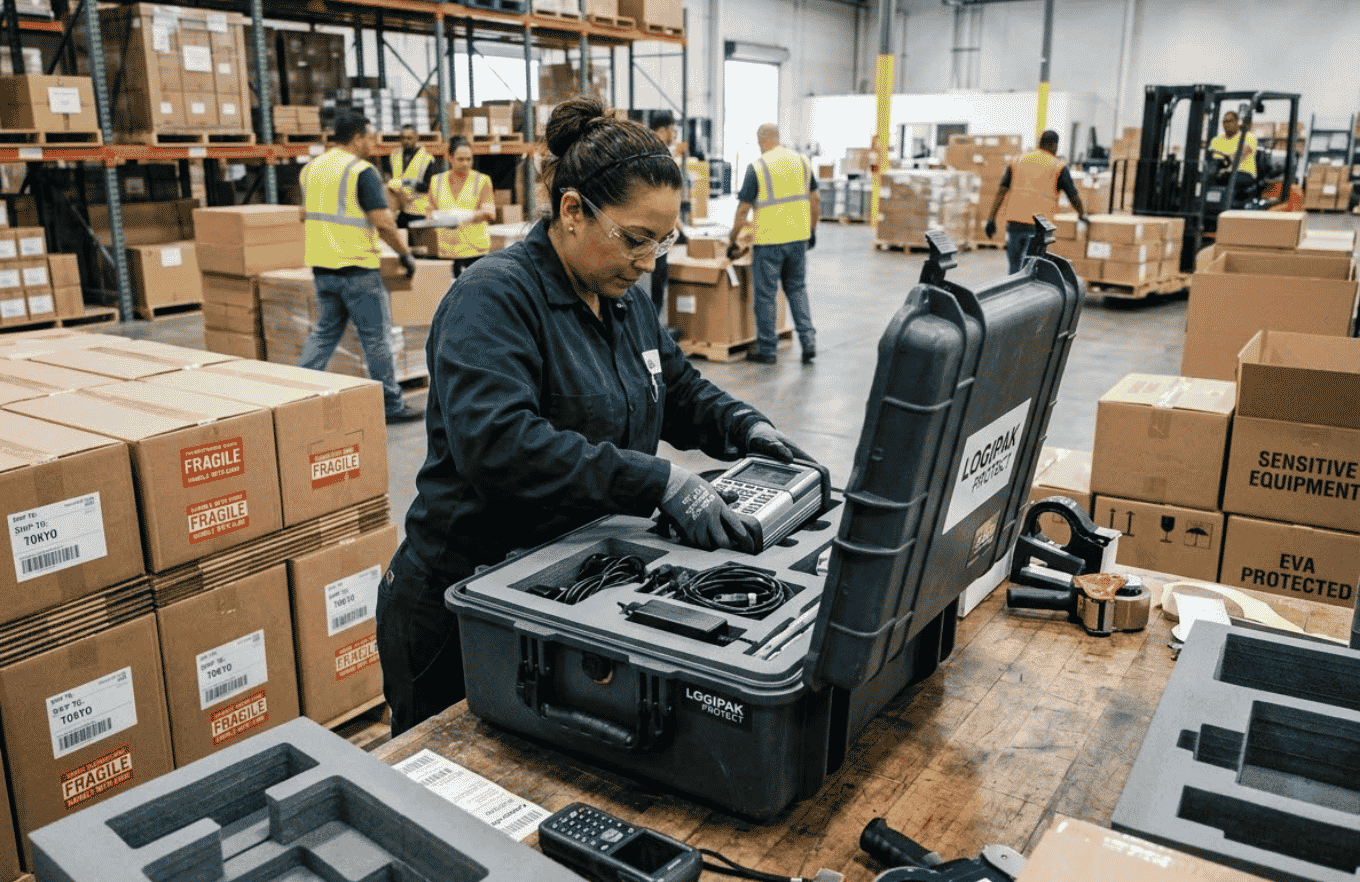
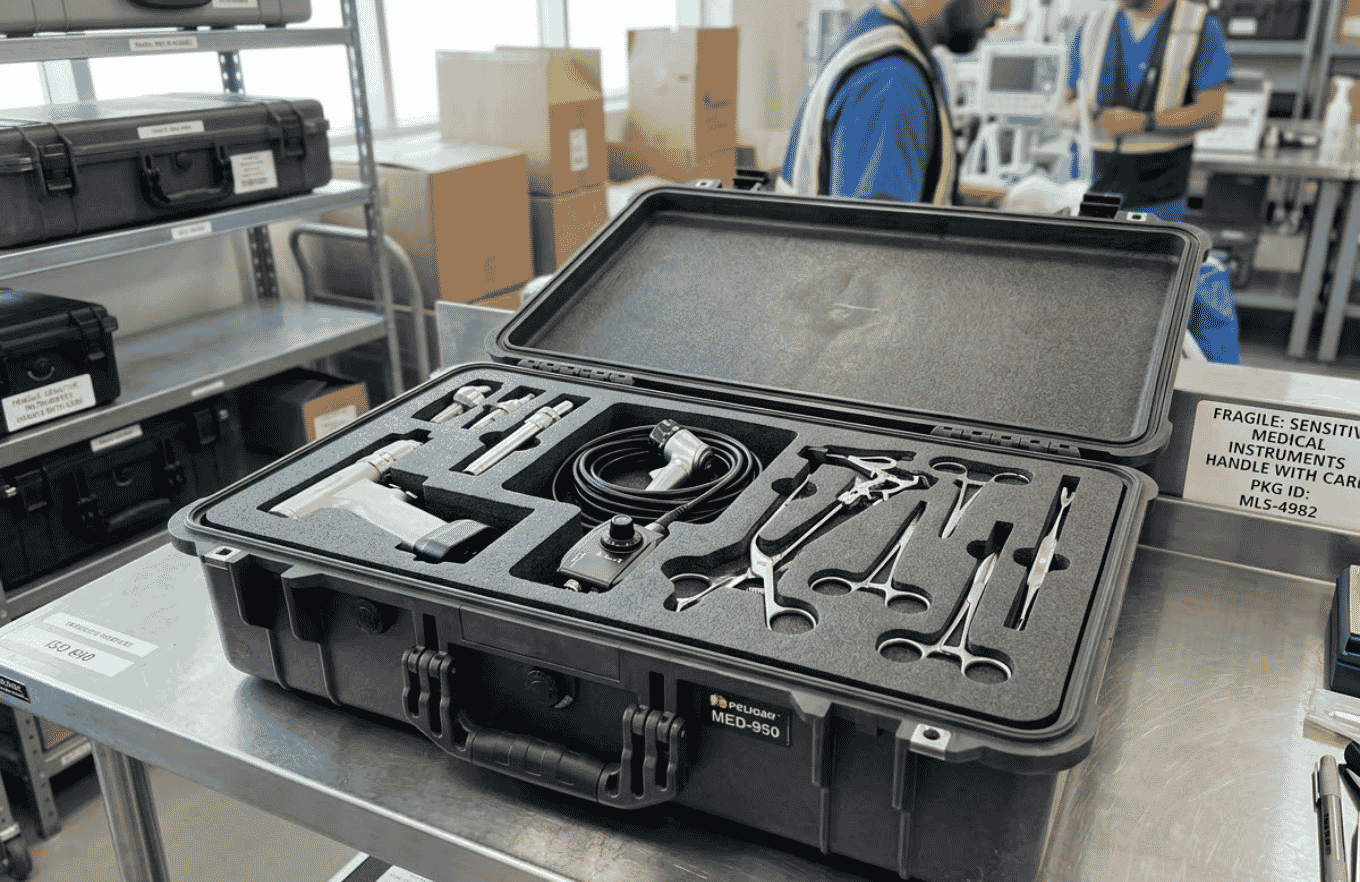
For example, protective packaging for medical instruments may prioritize lightweight impact protection, while a patient-support component may place greater emphasis on comfort and recovery. Comparing materials against these requirements helps prevent costly over-specification or under-performance.

Before selecting a foam, manufacturers should define exactly where and how the material will be used. Consider pressure, movement, temperature, moisture exposure, cleaning requirements, and expected frequency of use.
Thickness and density can significantly influence cushioning and support. A thicker foam is not automatically better. The correct specification depends on the load, geometry, and desired level of compression.
Testing samples under realistic conditions can reveal differences that specifications alone may not show. Compression recovery, flexibility, surface feel, and dimensional stability should be evaluated against the final product requirements.
Samad Foam works with customers across international markets, including applications serving buyers in the USA. Its technical approach helps manufacturers consider material performance alongside production requirements.
The healthcare industry continues to seek materials that combine comfort, durability, and design flexibility. TPE Foam fits this direction because its flexible characteristics can support product designs that need both cushioning and repeated recovery.
Manufacturers in Europe and other markets are also placing greater attention on material efficiency and product performance. Samad Foam offers foam solutions for international customers looking for materials suited to specific industrial and commercial applications.
Most importantly, the best material is not simply the softest or most affordable option. It is the one that delivers the required performance consistently throughout the product's intended service life.
The flexibility, cushioning, resilience, and design versatility of TPE Foam make it a useful option for many healthcare-related products. Nevertheless, manufacturers should assess density, thickness, cleaning conditions, durability, and application-specific requirements before finalizing a material.
Samad Foam can support manufacturers in evaluating suitable foam solutions for demanding applications and production needs.
Contact Samad Foam today for tailored foam solutions designed to meet your healthcare product performance and manufacturing requirements.
Yes, it can be suitable for cushioning applications where flexibility, comfort, and resilience are required, provided the formulation meets the product's specific requirements.
TPE Foam generally offers greater elasticity and flexibility, while LDPE Foam can provide lightweight cushioning and moisture resistance, making each suitable for different applications.
Manufacturers should evaluate density, thickness, compression recovery, durability, cleaning exposure, temperature conditions, and compatibility with the final product design.