Selecting the right cushioning material plays a major role in industrial product performance, safety, and long-term cost efficiency. Among the most commonly used materials, LDPE foam and TPE foam stand out due to their versatility and wide application in packaging, automotive components, insulation, and protective systems.
LDPE foam is known for its lightweight structure and reliable cushioning, while TPE foam is valued for its flexibility and elastic recovery. Both materials serve different industrial needs, and understanding their differences helps manufacturers make more informed decisions.
In many global supply chains, especially across the USA and Europe, foam selection directly impacts durability standards and logistics efficiency. Industrial buyers often compare LDPE foam and TPE foam before finalizing material specifications.
Manufacturers like Samad Foam continue to supply both material types with consistent quality to meet diverse industrial cushioning demands.
LDPE foam (Low-Density Polyethylene foam) is a closed-cell foam material widely used for protective and cushioning applications.
● Lightweight structure
● Good shock absorption
● Water resistance
● Chemical stability
● Cost-effective production
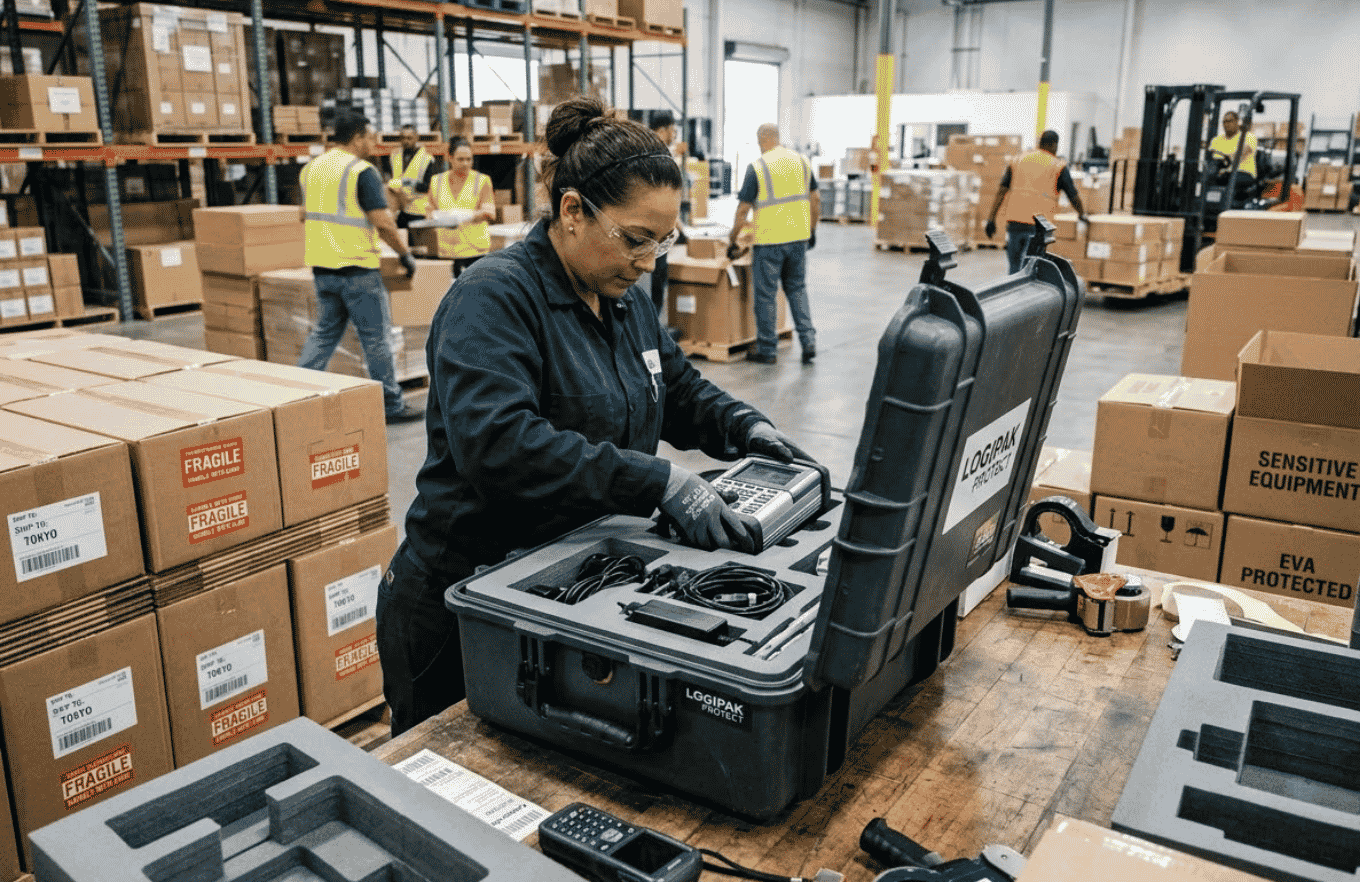
LDPE foam is commonly used in packaging, automotive padding, and industrial insulation where stable cushioning is required over long periods.
Furthermore, its rigid yet flexible nature makes it suitable for heavy-duty packaging solutions.
TPE foam (Thermoplastic Elastomer foam) is a more elastic and rubber-like material known for flexibility and resilience.
● High flexibility and elasticity
● Excellent rebound performance
● Soft surface feel
● Strong fatigue resistance
● Recyclable thermoplastic structure
TPE foam is often used in ergonomic products, sports equipment, and high-comfort cushioning systems where repeated compression is expected.
Moreover, its ability to return to its original shape makes it ideal for dynamic industrial applications.
Understanding the differences helps industries choose the right material for cushioning applications.
LDPE foam offers moderate flexibility, while TPE foam provides significantly higher elasticity.
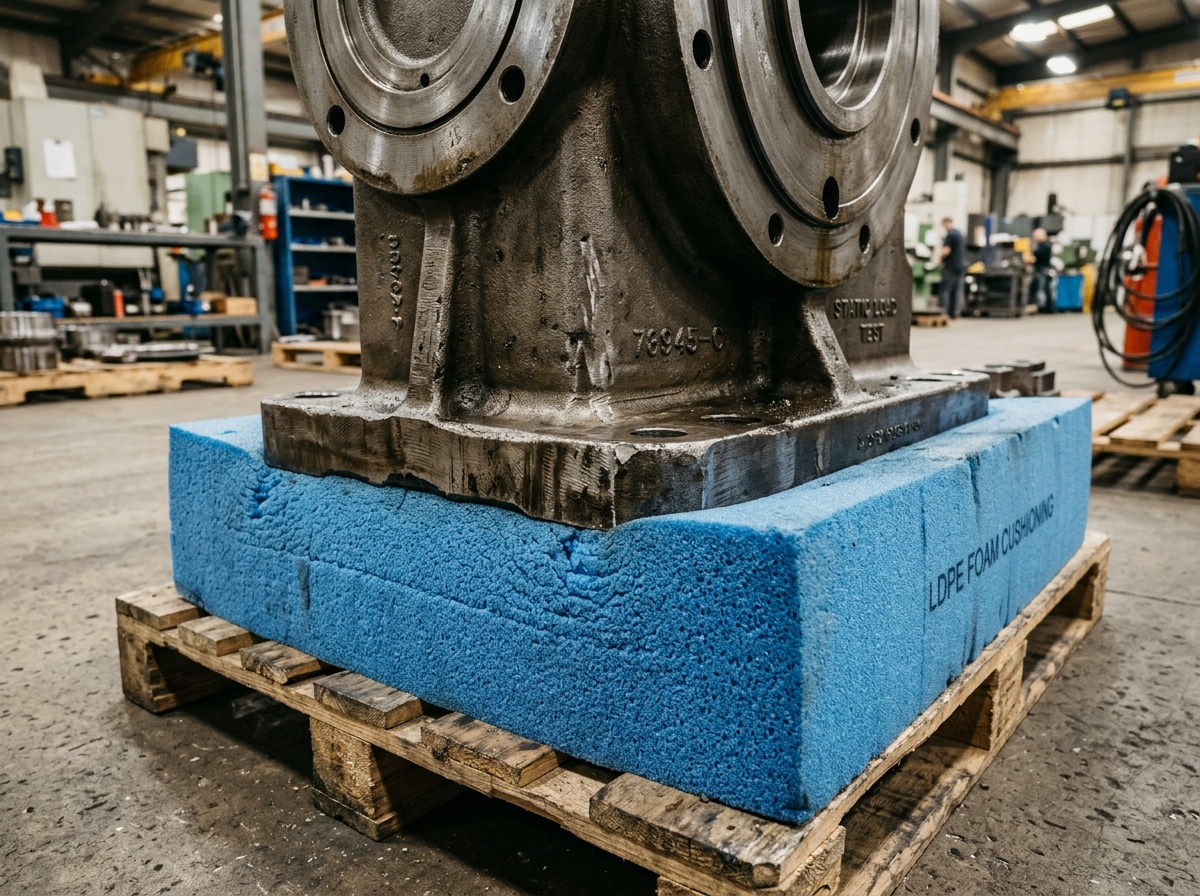
LDPE foam performs well under static loads, whereas TPE foam handles repeated stress better.
Both materials absorb impact, but LDPE foam is more rigid while TPE foam provides softer cushioning.
LDPE foam is generally more cost-effective, making it suitable for large-scale packaging.
TPE foam is more recyclable compared to traditional LDPE foam structures.
LDPE foam is widely used across multiple industries due to its stability and affordability.
● Protective packaging for electronics
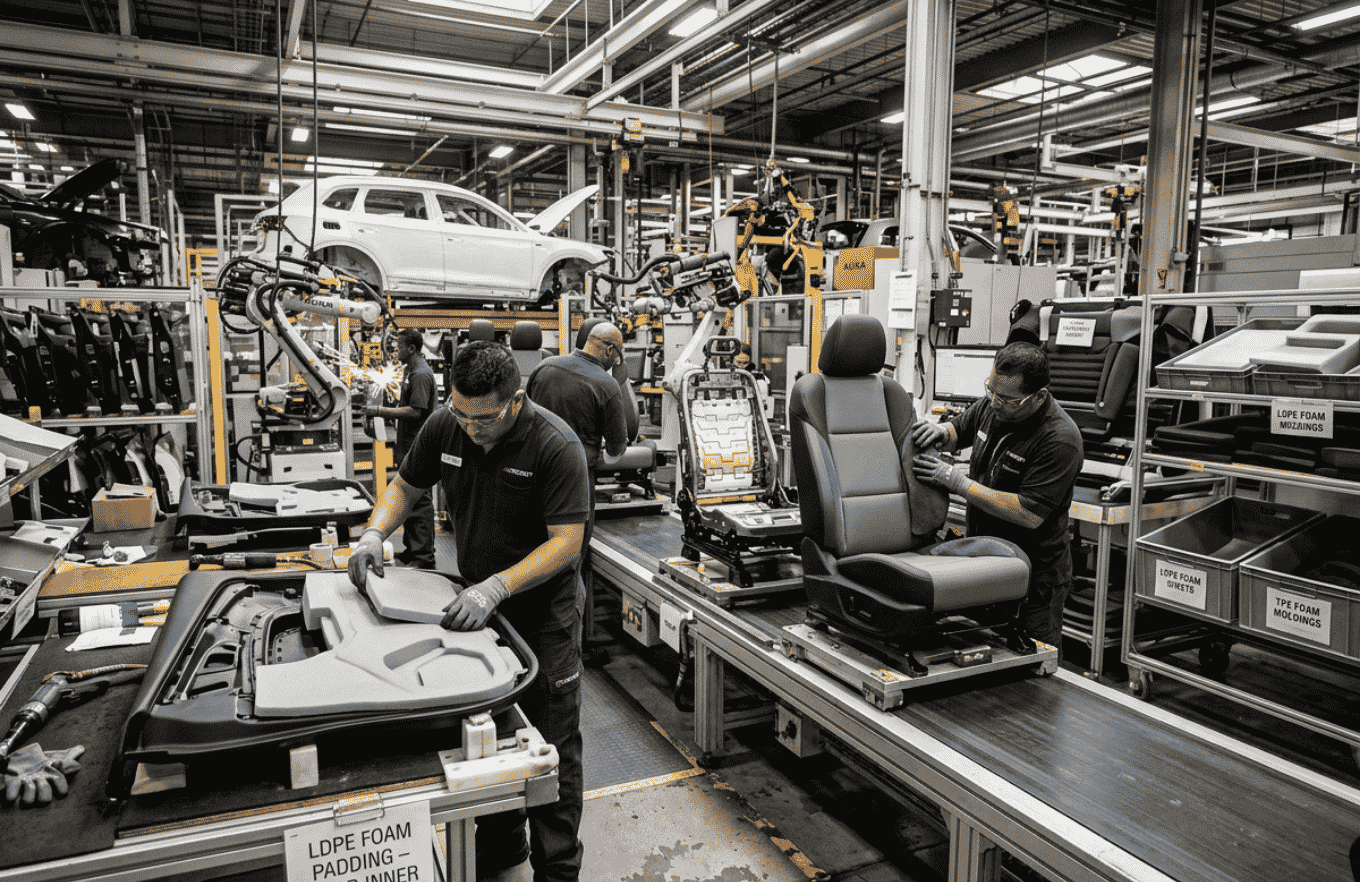
● Automotive interior padding
● Construction insulation layers
● Industrial equipment protection
LDPE foam is especially effective where long-term structural cushioning is required without frequent compression cycles.
TPE foam is preferred in applications requiring flexibility and repeated movement.
● Sports and fitness gear
● Ergonomic seating products
● Medical cushioning supports
● High-performance footwear components
TPE foam adapts well to dynamic environments where materials are constantly compressed and released.
Both LDPE foam and TPE foam perform differently depending on application requirements.
● Stable cushioning under static load
● Excellent protection during shipping
● Long shelf life without deformation
● Superior elasticity
● Better comfort under repeated pressure
● Faster recovery after compression
Industries in the USA and Europe often select based on whether stability or flexibility is more important for their application.
The production process also affects how each foam performs in industrial environments.
LDPE foam is created through controlled expansion processes that produce a consistent closed-cell structure.
TPE foam is processed using thermoplastic methods that allow re-melting and reshaping.
Manufacturers like Samad Foam ensure both materials are processed under strict quality standards to maintain consistency across industrial applications.
Cost is a major factor in industrial material selection.
● Lower production cost
● Efficient for bulk packaging
● Reduced material wastage
● Longer lifecycle in dynamic use
● Reduced replacement frequency
● Higher performance in premium applications
While LDPE foam is more budget-friendly, TPE foam may provide better long-term value in specialized applications.
LDPE foam and TPE foam both serve important roles in industrial cushioning, but their strengths differ significantly. LDPE foam is ideal for cost-effective, stable protection, while TPE foam excels in flexibility and repeated-use environments.
Choosing between the two depends on application requirements, performance expectations, and budget considerations. In global markets such as the USA and Europe, both materials are widely used depending on industry needs.
Companies like Samad Foam continue to supply high-quality LDPE foam and TPE foam solutions that meet evolving industrial standards.
Contact Samad Foam today for LDPE foam and TPE foam solutions tailored to industrial cushioning needs, improving product safety, performance reliability, and cost efficiency across your supply chain operations globally.
LDPE foam is better for static protection, while TPE foam is better for flexible, repeated-use cushioning.
Yes, TPE foam generally performs better under repeated compression and dynamic conditions.
LDPE foam is widely used in packaging, insulation, automotive padding, and protective industrial applications.
.svg)

.svg)