The global packaging industry is undergoing a significant transformation, driven by environmental responsibility, evolving regulations, and growing consumer demand for sustainable materials. In this shift, LDPE foam has emerged as a smart and reliable solution for greener supply chains. Its lightweight structure, protective cushioning, and recyclability make it a preferred option across industries that require safe and eco-conscious packaging.
Within the first steps of modern logistics, LDPE foam plays a vital role by reducing material waste, lowering transportation costs, and improving overall efficiency. Combined with the innovative properties of TPE foam, manufacturers can now create packaging solutions that balance performance, durability, and sustainability. Companies like Samad Foam are leading this change, delivering advanced foam solutions across Europe and setting new benchmarks for environmentally responsible packaging systems.
.jpg)
LDPE foam, or low-density polyethylene foam, is a flexible, closed-cell foam material widely used for protective packaging. It offers excellent cushioning, shock absorption, and moisture resistance, making it ideal for safeguarding delicate goods during storage and transit.
What sets LDPE foam apart is its ability to deliver high protection using minimal material. This efficiency supports waste reduction while enhancing overall packaging performance. In modern supply chains, where sustainability and cost control go hand in hand, LDPE foam presents a balanced solution that benefits both businesses and the environment.
Alongside LDPE foam, TPE foam introduces enhanced flexibility and resilience. TPE foam combines the elasticity of rubber with the processing benefits of plastic, allowing manufacturers to design hybrid packaging solutions that offer improved durability and adaptability.
The integration of LDPE foam and TPE foam enables companies to produce packaging that meets advanced performance demands while maintaining eco-friendly standards. Samad Foam continues to refine these materials to deliver packaging solutions aligned with modern sustainability goals in the USA and beyond.
.jpg)
One of the major sustainability advantages of LDPE foam lies in its lightweight nature. By significantly reducing overall package weight, companies can lower transportation fuel consumption and minimize carbon emissions. This contributes directly to greener logistics operations and supports climate-friendly business practices.
Reduced shipping weight also leads to cost savings, allowing organizations to invest more in sustainable development rather than logistics expenses.
.jpg)
LDPE foam requires less raw material to deliver effective protection. Its closed-cell structure allows it to absorb impact efficiently, meaning thinner layers can provide the same cushioning as thicker conventional materials. This optimized usage supports waste reduction and resource conservation.
Samad Foam emphasizes material efficiency by engineering LDPE foam solutions that minimize environmental impact while maintaining premium protective performance.
LDPE foam is recyclable, enabling companies to integrate it into circular economy initiatives. When properly collected and processed, LDPE foam can be reused in new production cycles, reducing dependence on virgin materials.
As regulatory pressures increase worldwide, packaging solutions built on recyclable materials such as LDPE foam and TPE foam become vital components of responsible supply chain strategies.
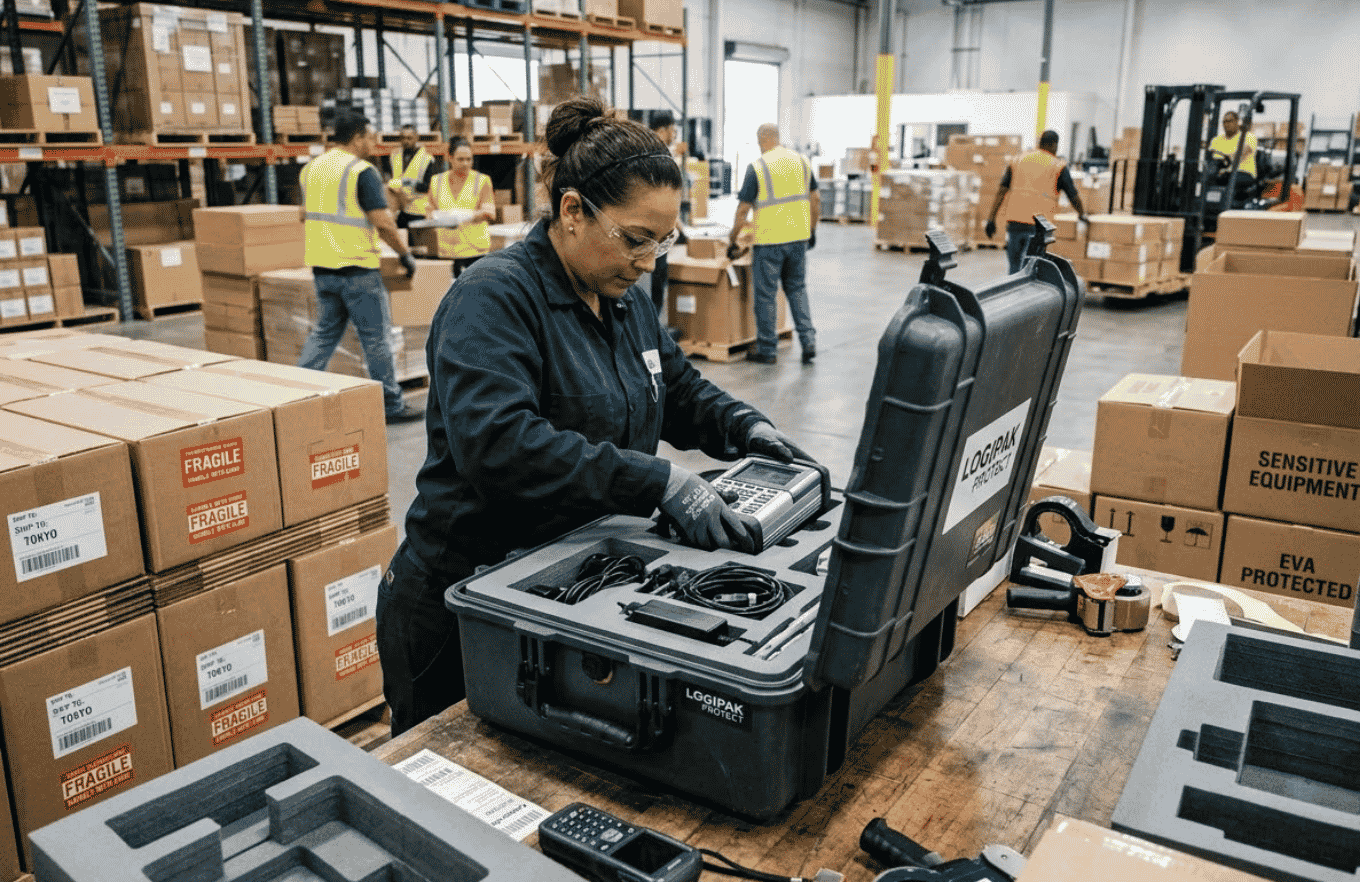
In electronics packaging, LDPE foam ensures shock resistance, vibration dampening, and moisture control. This prevents damage to sensitive components and reduces costly product returns.
With the rising global electronics trade, the demand for reliable and sustainable packaging solutions has increased. Samad Foam delivers LDPE foam packaging tailored to electronics manufacturers in Europe, where quality and sustainability standards are exceptionally high.
Medical devices require sterile, secure, and protective packaging. LDPE foam offers chemical resistance and cushioning that ensures medical equipment remains undamaged and contamination-free during transport.
This reliability is critical in healthcare supply chains, where packaging quality directly impacts patient safety and regulatory compliance.
Automotive components often vary in shape, weight, and fragility. LDPE foam allows customized packaging designs that provide consistent protection across complex parts.
TPE foam adds flexibility and durability, making hybrid packaging solutions ideal for long-distance transportation and heavy-duty industrial handling.
LDPE foam can be precisely cut and molded into custom shapes, ensuring optimal product fit. This eliminates excess material, reduces package volume, and enhances stacking efficiency.
Better space utilization means fewer shipments, lower storage costs, and improved warehouse management.
By absorbing shocks and vibrations, LDPE foam significantly reduces breakage during shipping. This lowers product loss, enhances customer satisfaction, and strengthens brand trust.
Samad Foam continuously invests in material innovation to ensure that its LDPE foam packaging solutions deliver consistent safety across demanding shipping environments in the USA.
Governments worldwide are implementing stricter environmental policies. Companies are increasingly required to use recyclable, low-impact packaging materials.
LDPE foam aligns with these regulations by offering recyclable solutions that meet sustainability benchmarks without compromising product protection.
Today’s consumers prefer brands that demonstrate environmental responsibility. Packaging choices play a significant role in shaping public perception.
By switching to LDPE foam-based packaging, companies signal their commitment to sustainability, strengthening customer loyalty and brand credibility.
Samad Foam has positioned itself as a leading manufacturer of innovative foam packaging materials. Through continuous research, material optimization, and quality control, the company delivers LDPE foam solutions designed to meet evolving global sustainability standards.
In Europe, Samad Foam supports manufacturers seeking high-performance packaging that aligns with environmental compliance. Meanwhile, in the USA, the company focuses on scalable solutions that improve logistics efficiency while minimizing environmental impact.
This international approach enables Samad Foam to contribute actively to greener global supply chains, reinforcing its reputation for quality, innovation, and sustainability leadership.
The future of packaging lies in materials that balance performance, cost, and environmental responsibility. LDPE foam continues to evolve through advancements in recyclability, energy-efficient production, and hybrid integration with TPE foam.
As industries prioritize sustainable logistics, LDPE foam will play an increasingly central role in shaping packaging standards. Companies that adopt advanced foam solutions early will gain a strategic advantage in efficiency, sustainability, and brand positioning.
LDPE foam stands at the forefront of sustainable packaging innovation. Its lightweight structure, recyclability, and superior protection make it a critical tool for greener supply chains. When combined with the performance flexibility of TPE foam, businesses can achieve packaging excellence without compromising environmental responsibility.
With industry leaders like Samad Foam delivering high-quality solutions internationally, LDPE foam packaging continues to redefine how products are protected, transported, and delivered in an eco-conscious world.
Connect with Samad Foam today to explore advanced LDPE foam packaging solutions that elevate sustainability and logistics efficiency.
LDPE foam reduces packaging weight, enhances recyclability, and minimizes material usage, supporting eco-friendly supply chain goals.
LDPE foam offers superior cushioning and lightweight protection, while TPE foam adds flexibility, resilience, and enhanced durability for specialized applications.
LDPE foam provides shock absorption, moisture resistance, and space efficiency, making it ideal for long-distance and international transportation.
.svg)

.svg)