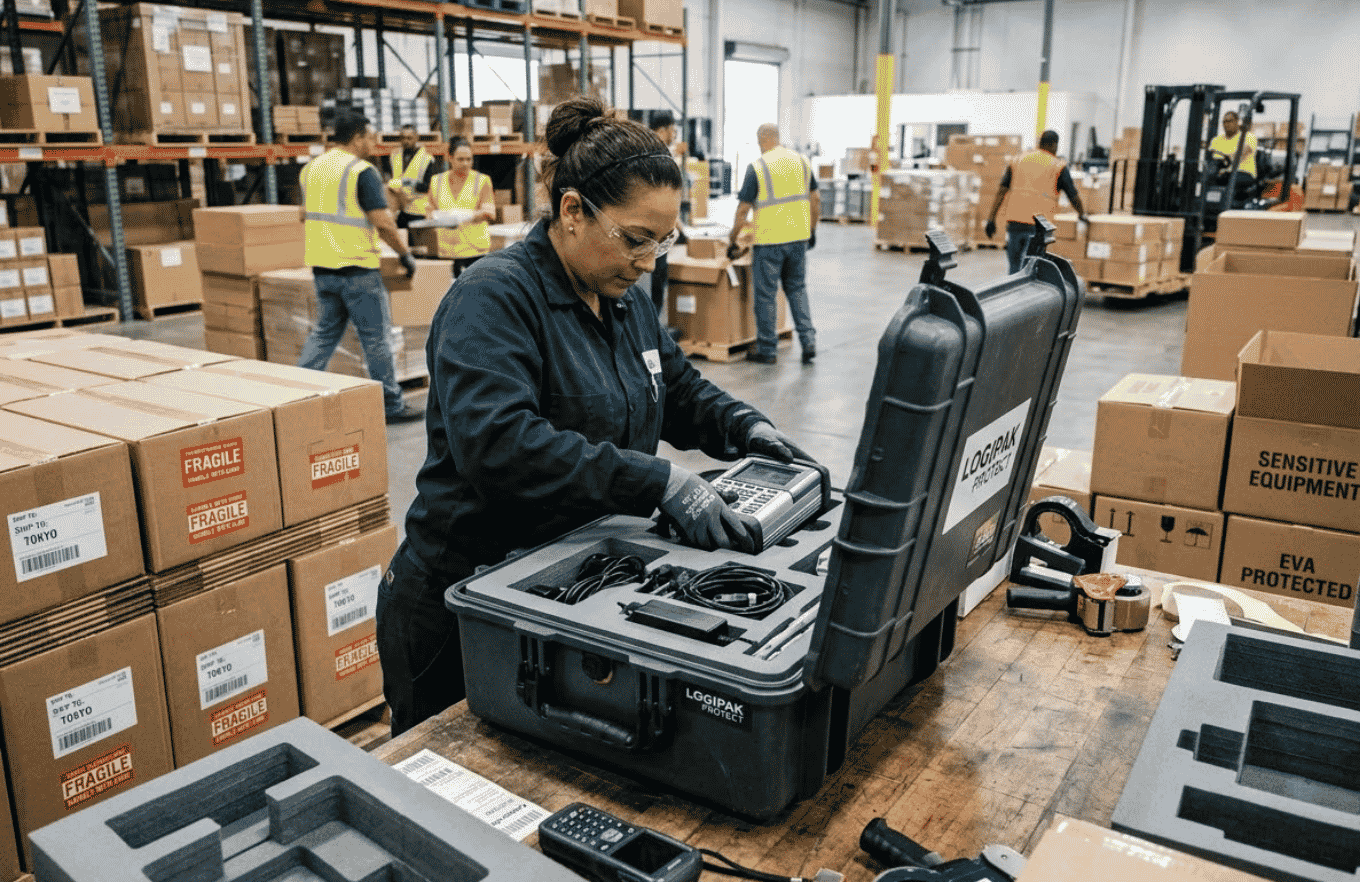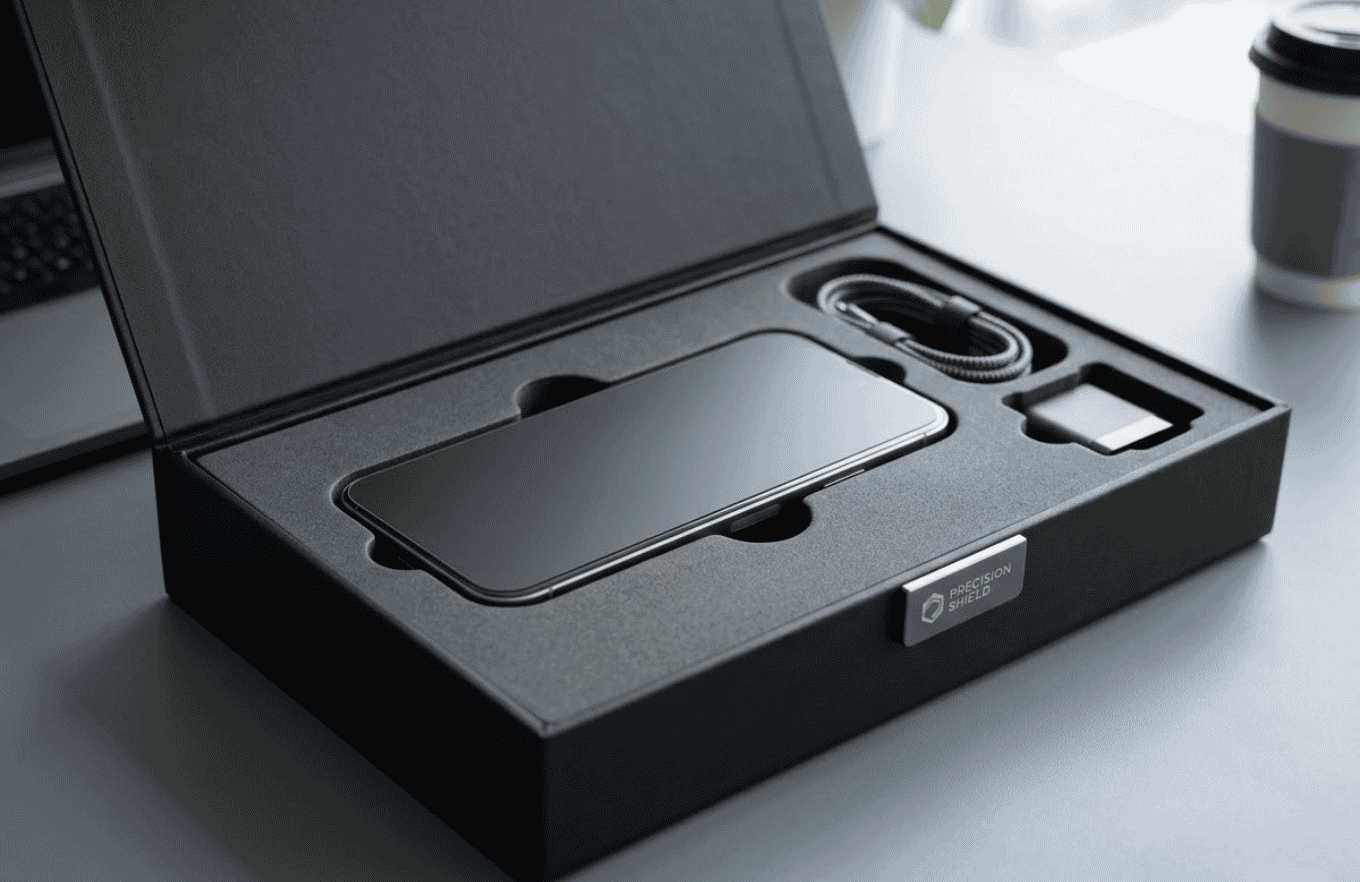
Premium products deserve premium materials, but smart manufacturers know that premium does not have to mean expensive forever! When evaluating materials for luxury consumer goods, fitness products, automotive interiors, protective equipment, and other high-end applications, businesses increasingly focus on long-term value rather than initial purchase price alone. TPE Foam has emerged as a preferred choice because it combines durability, flexibility, comfort, and manufacturing efficiency in a way that supports both product performance and profitability.
The real cost of a material is measured over its entire lifecycle, including production efficiency, product longevity, customer satisfaction, warranty claims, and replacement frequency. Manufacturers that choose high-quality materials often experience lower total ownership costs even if the upfront material price is higher. Samad Foam supplies advanced foam solutions designed for demanding premium applications across global markets. In this blog, we are going to explore how TPE foam creates measurable cost advantages for high-end products and why leading manufacturers continue investing in it.
Luxury brands compete on quality, comfort, reliability, and customer experience. A material that performs consistently helps protect brand reputation and reduces costly product failures.
When evaluating premium materials, manufacturers often consider:
● Product lifespan
● Customer satisfaction
● Warranty costs
● Manufacturing efficiency
● Design flexibility
● Long-term replacement expenses
Focusing only on initial material cost can overlook significant savings achieved through improved durability and reduced after-sales issues.

One of the strongest financial advantages of TPE Foam is its ability to maintain performance over extended periods. High-end products are often subjected to repeated use, compression, bending, and environmental exposure, making durability essential.
Premium foam that retains its cushioning and structural integrity longer reduces product returns and replacement frequency. This directly lowers warranty expenses and strengthens customer confidence.
Manufacturers in the USA increasingly prioritize durable materials because long-lasting products generate better customer reviews and stronger repeat business.
Material efficiency plays a major role in overall production cost. TPE-based materials are valued for their processing flexibility, allowing manufacturers to achieve accurate shapes, consistent thickness, and reliable production results.
Efficient processing can help reduce:
● Material waste
● Production defects
● Rework costs
● Machine downtime
● Labor inefficiencies
Moreover, consistent material quality improves production planning and helps maintain stable manufacturing output, especially for premium product lines with strict quality requirements.
Samad Foam supports manufacturers with reliable foam materials engineered for consistent performance and efficient production across multiple high-end applications.
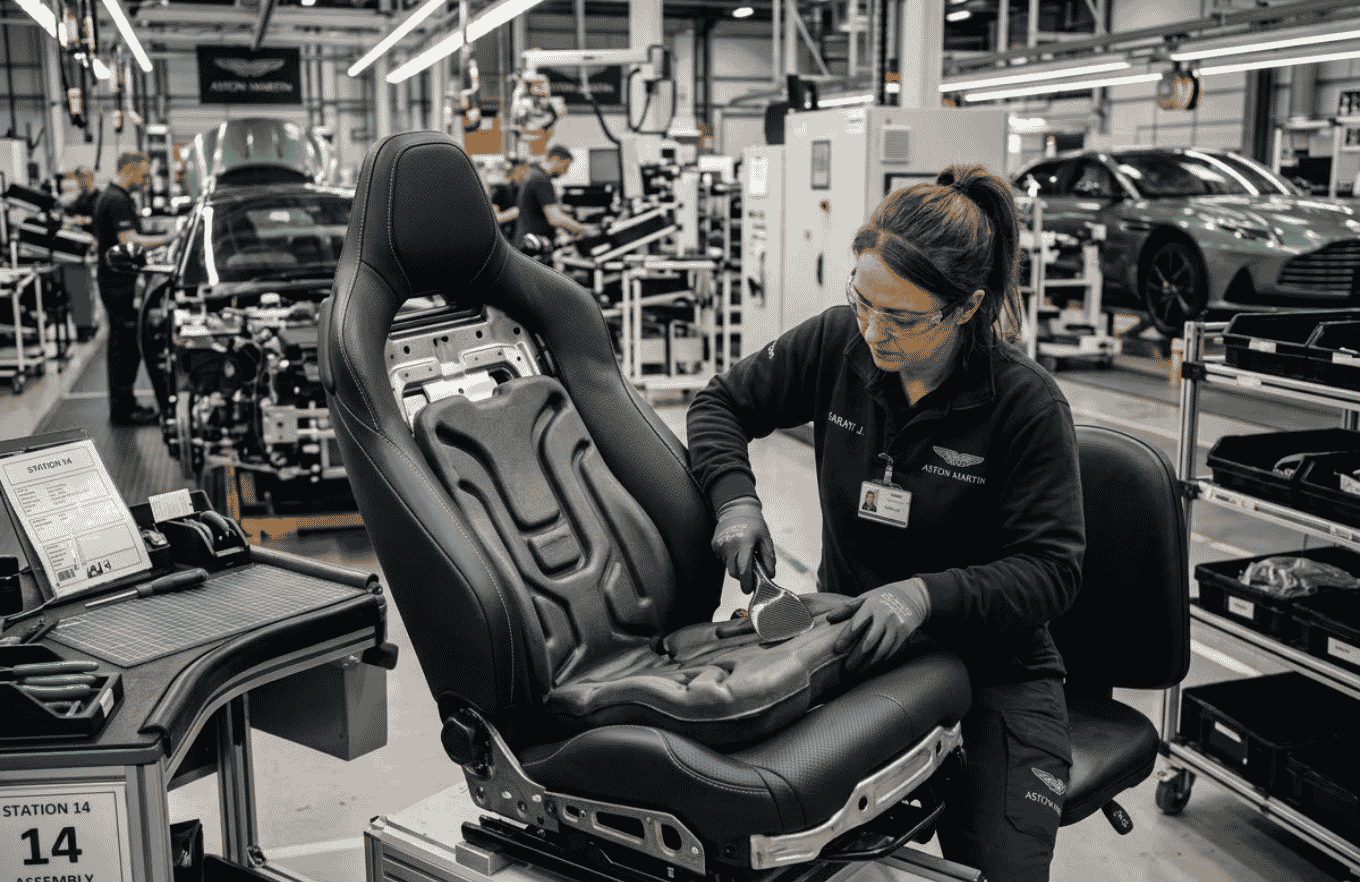
For premium products, customer expectations extend beyond appearance. Buyers expect comfort, durability, and consistent performance throughout the product's lifespan. Choosing TPE Foam helps manufacturers deliver products that maintain their shape, cushioning, and flexibility after repeated use, creating a better ownership experience.
Satisfied customers are more likely to recommend premium brands, leave positive reviews, and become repeat buyers. Those benefits often generate greater financial returns than the initial savings gained by selecting lower-cost materials. Businesses that invest in superior materials are investing in stronger brand reputation as well.
Every foam material offers unique advantages depending on the intended application. While LDPE Foam performs exceptionally well in many protective packaging and lightweight cushioning applications, premium consumer products often require additional flexibility, resilience, and long-term comfort.
Manufacturers should evaluate performance requirements rather than selecting materials based solely on price. The right foam should support product functionality while contributing to efficient manufacturing and long-term customer satisfaction.
Customers throughout Europe increasingly value premium products that combine durability with sustainable manufacturing practices. Samad Foam delivers advanced foam solutions that help manufacturers meet these expectations through dependable quality and consistent production standards.
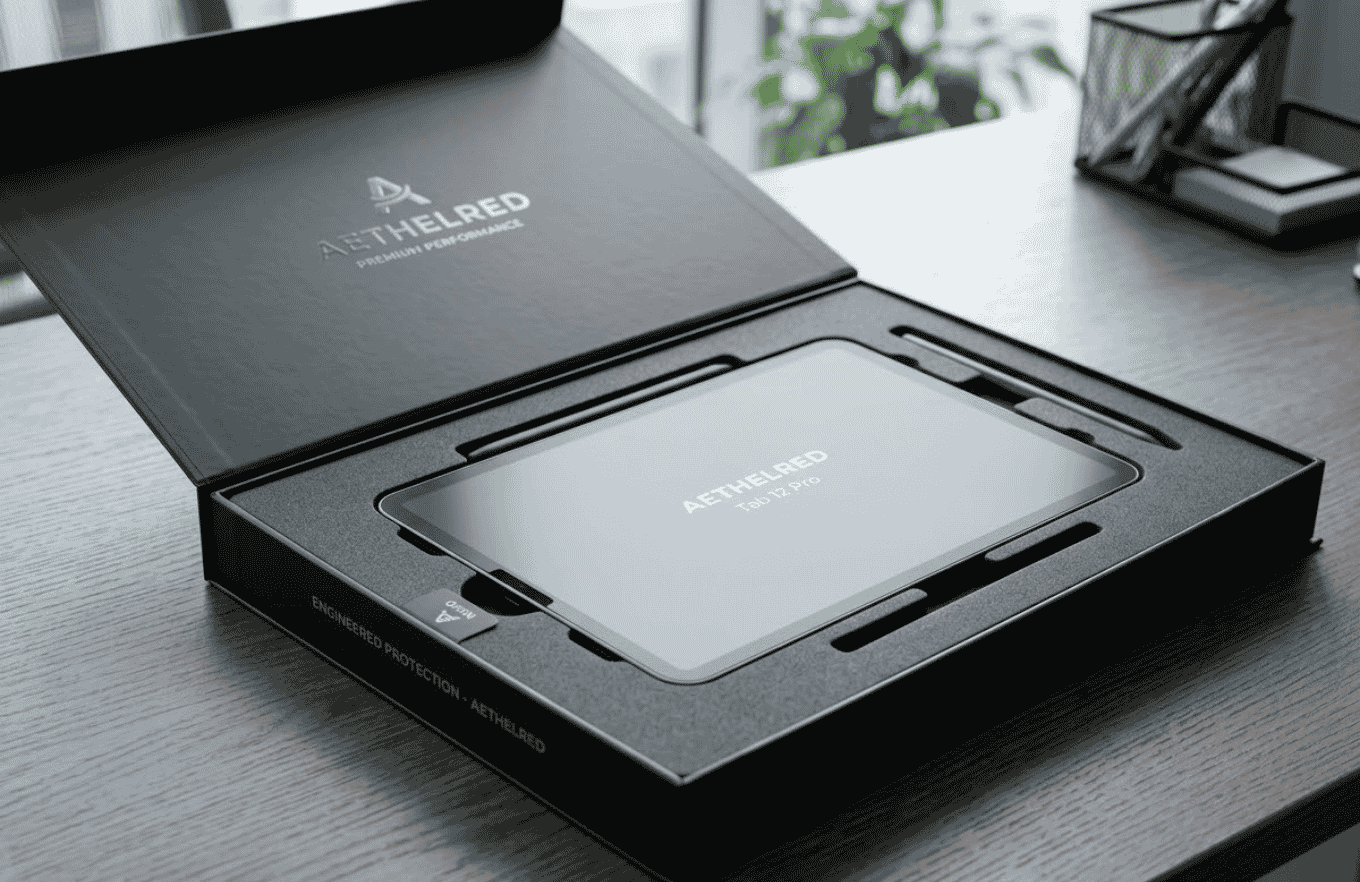
Initial material cost is only one part of the financial equation. Production efficiency, product lifespan, warranty claims, customer satisfaction, and brand reputation all influence the total return on investment.
Furthermore, premium materials often reduce hidden operational costs by improving manufacturing consistency and minimizing product failures. Businesses that evaluate long-term value instead of short-term savings frequently achieve stronger financial performance over time.
Choosing quality materials today helps create products that continue delivering value long after they leave the production line.
Partner with Samad Foam for premium foam solutions delivering exceptional quality, manufacturing consistency, long-term value, reliable technical support, and dependable materials engineered for your high-end products worldwide.
Selecting the right foam is about much more than upfront pricing. TPE Foam offers manufacturers meaningful cost benefits through improved durability, efficient processing, reduced warranty expenses, and enhanced customer satisfaction. By focusing on total lifecycle value instead of initial purchase cost, businesses can strengthen profitability while producing premium products that consistently exceed customer expectations.
It offers excellent flexibility, durability, comfort, and long-term performance, making it ideal for premium applications requiring consistent quality.
LDPE Foam is commonly selected for lightweight cushioning and packaging, while TPE foam is often preferred where flexibility, resilience, and premium product performance are priorities.
Yes. Higher-quality materials can reduce warranty claims, minimize production defects, improve product lifespan, and enhance customer satisfaction, leading to better long-term financial returns.
.svg)

.svg)