Choosing the right foam can affect far more than a product's initial manufacturing cost. From cushioning and insulation to protective packaging and industrial components, material selection influences durability, performance, maintenance, and replacement frequency. LDPE Foam is often considered when lightweight protection and cost efficiency are priorities, while TPE Foam can appeal to applications requiring greater flexibility, resilience, and a more premium feel. The better option depends on how the material will actually be used. A cheaper foam is not necessarily the more economical choice if it needs frequent replacement. In this blog, we are going to compare both materials across cost, performance, durability, processing, and application requirements to help you make a practical purchasing decision.
LDPE Foam is a closed-cell polyethylene foam known for its lightweight structure, cushioning ability, moisture resistance, and relatively economical production. Its closed-cell construction helps reduce water absorption while providing useful protection against impacts, vibration, and surface damage.
TPE Foam belongs to the thermoplastic elastomer family and combines characteristics associated with plastics and rubber. It can offer strong flexibility, elasticity, softness, and recovery after compression. This makes it attractive for products where tactile performance and repeated deformation matter.
The difference becomes important when evaluating total value rather than simply comparing the price per sheet, roll, or kilogram.
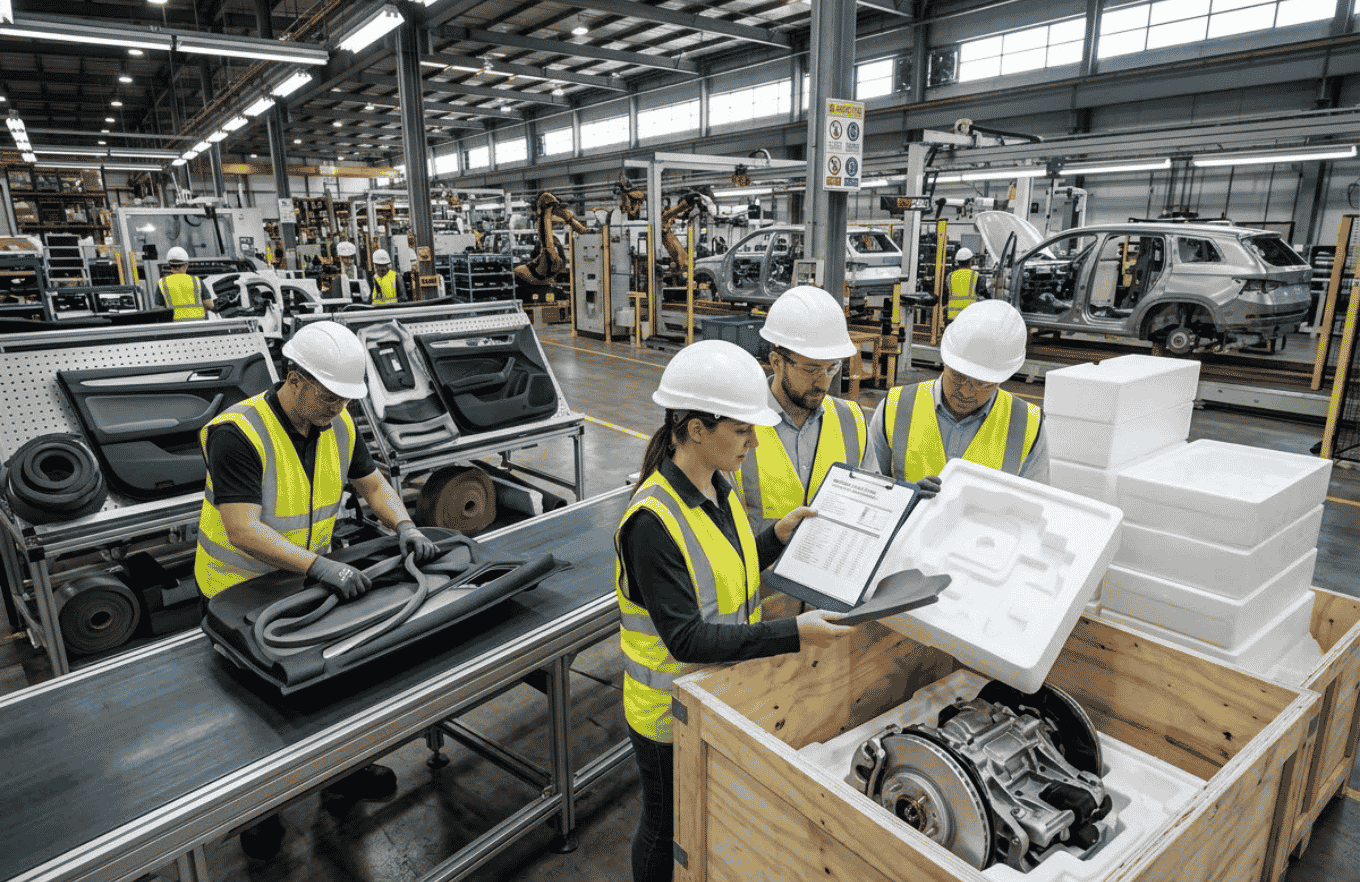
For many packaging, insulation, and general cushioning requirements, LDPE Foam can provide a cost-conscious solution. Its lightweight nature can also reduce material usage and shipping weight, creating savings beyond the purchase price.
For high-volume production, even a small difference in material cost can become significant. Manufacturers producing protective inserts, liners, spacers, and basic cushioning components may therefore find polyethylene foam particularly practical.
TPE Foam may carry a higher initial material cost depending on its formulation and specifications. However, evaluating it purely on purchase price can miss the bigger picture.
If a component experiences repeated compression, bending, or handling, better elasticity and recovery may help maintain its functional performance for longer. In premium products, the material can also contribute to a more refined user experience, which may support the product's overall value.
Material durability is where the cost-benefit discussion becomes more interesting.
LDPE Foam provides reliable cushioning and physical protection in many controlled environments. It can handle everyday impacts effectively and is suitable for applications where the foam does not face extreme mechanical demands.
TPE Foam can be particularly useful where flexibility and repeated movement are central to the application. Its elastic behavior allows it to deform and recover, which can be valuable for components exposed to recurring stress.
Moreover, manufacturers should consider the actual operating conditions rather than assuming one material is automatically more durable. Temperature, compression frequency, chemical exposure, UV exposure, load levels, and installation conditions can all influence service life.
Not every foam application is purely about protection. Sometimes the material becomes part of the user's physical experience.
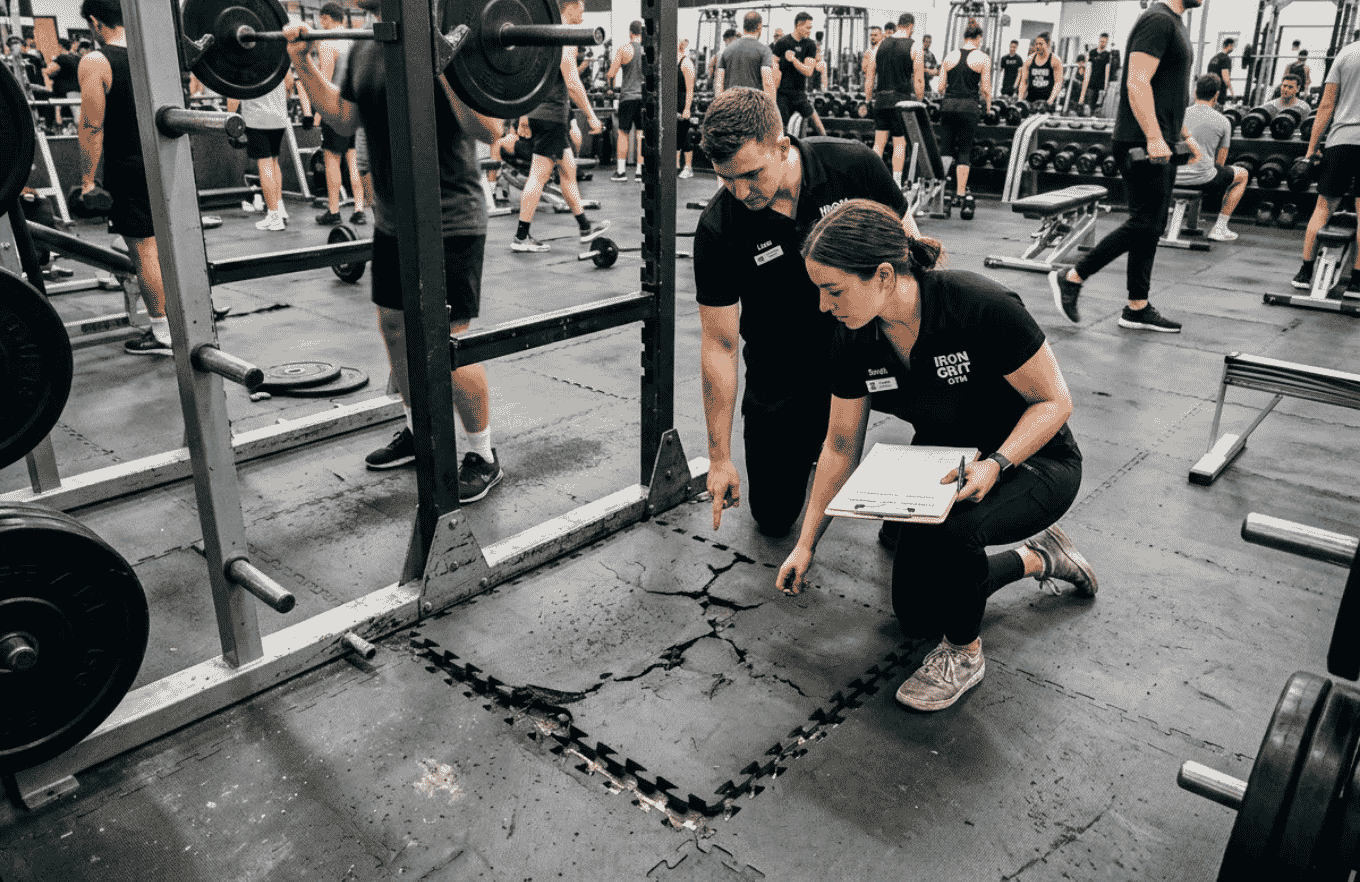
TPE Foam can provide a flexible and resilient feel that works well in products where softness, grip, or repeated deformation are important. This can make it suitable for specialized consumer products, ergonomic components, seals, protective surfaces, and certain fitness applications.
LDPE Foam, meanwhile, offers dependable cushioning without necessarily requiring the added performance characteristics associated with elastomeric materials. For straightforward protective applications, that simplicity can be an advantage.
Samad Foam can help manufacturers evaluate these differences according to the intended product rather than selecting a material based solely on its general reputation.
Material selection should also account for manufacturing efficiency. Foam that performs well in theory still needs to work smoothly within the production process.
LDPE Foam can be fabricated into different shapes and formats depending on the application. Cutting, laminating, shaping, and converting can be incorporated into various manufacturing workflows.
TPE Foam may offer useful processing characteristics because thermoplastic elastomers can be engineered for different levels of flexibility and performance. However, the exact manufacturing process depends heavily on the formulation, density, thickness, and required product geometry.
A proper comparison should therefore consider not just material pricing but also cutting waste, tooling requirements, production speed, storage, and quality control.
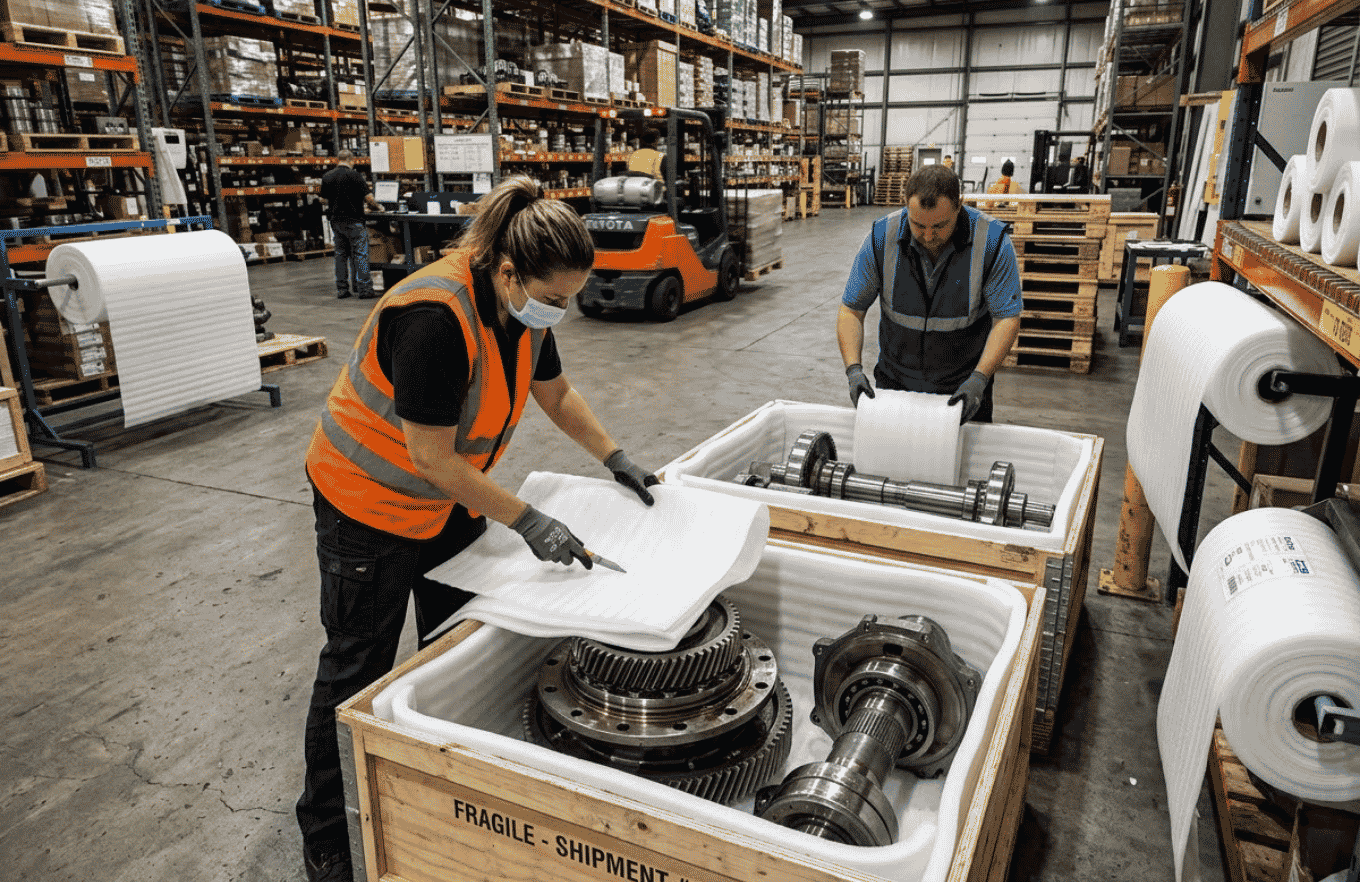
LDPE Foam can be a strong candidate when the priority is lightweight cushioning, moisture resistance, basic insulation, surface protection, or economical high-volume production.
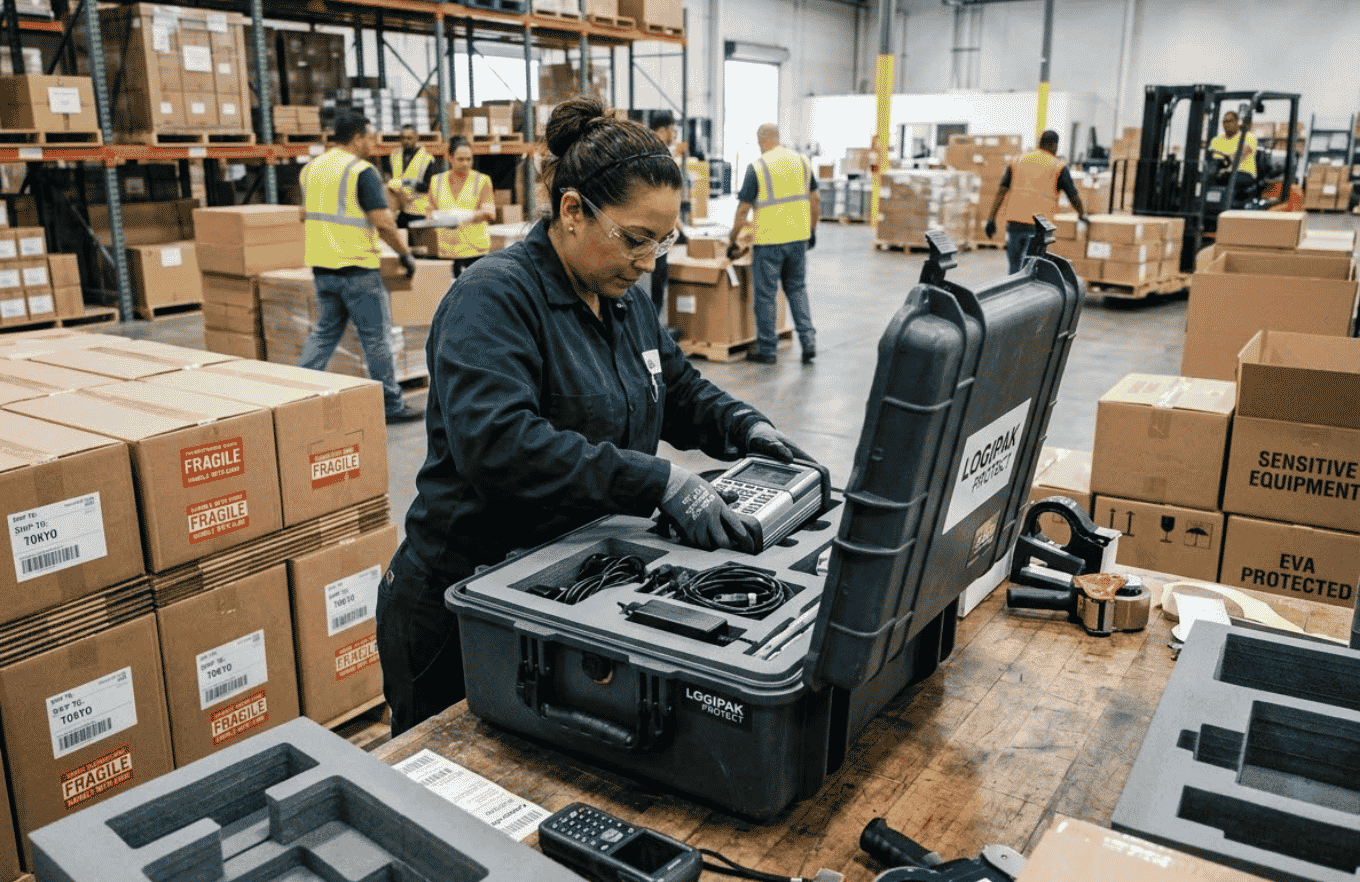
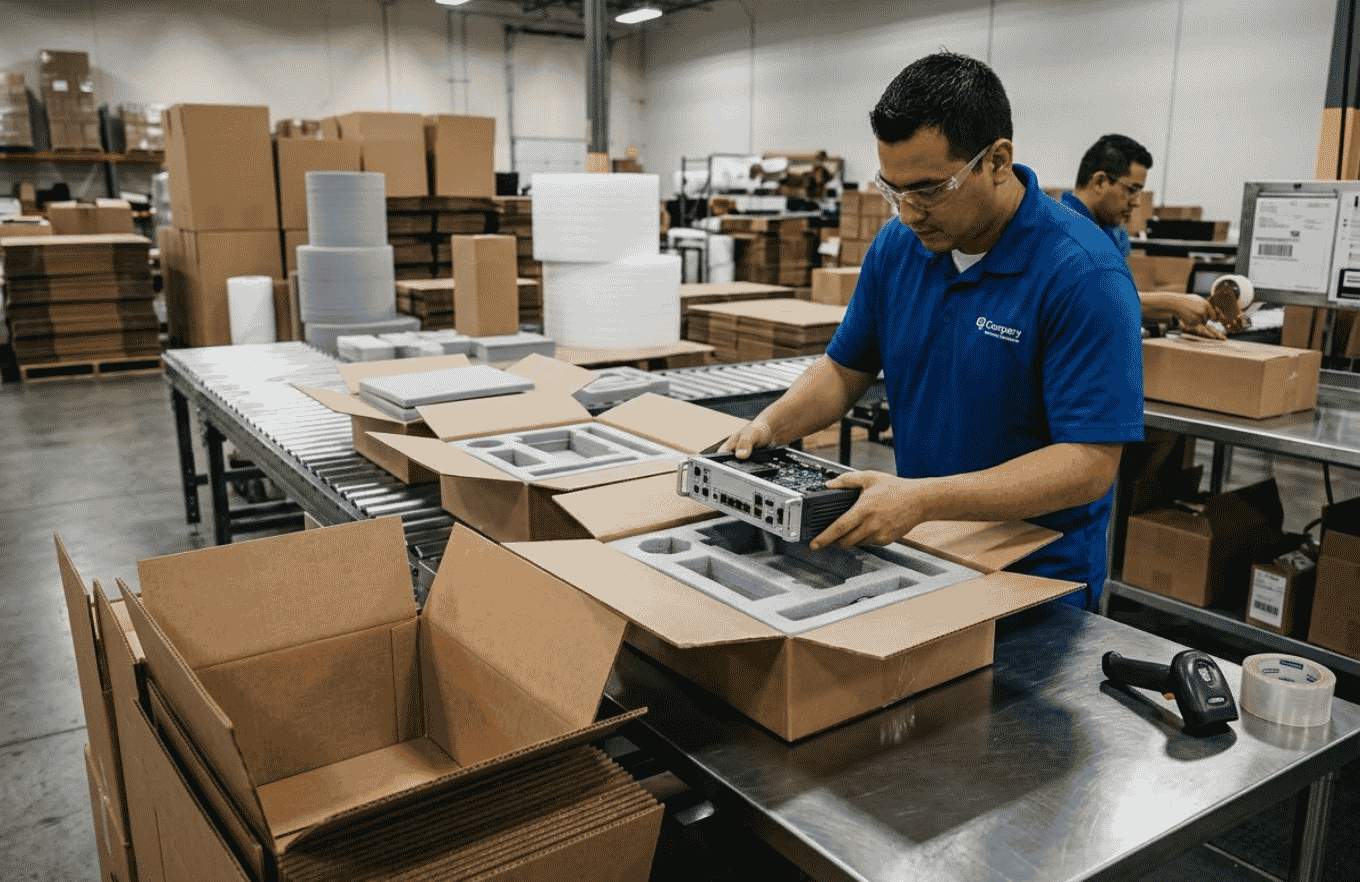
Packaging is a good example. If foam is primarily needed to prevent scratches, absorb moderate impact, and keep products separated during transportation, using an unnecessarily advanced material could increase costs without delivering meaningful additional value.
The same principle can apply to protective liners, spacers, equipment packaging, and certain insulation applications.
TPE Foam can become more attractive when the application demands repeated flexibility, elastic recovery, improved tactile properties, or specialized performance.
For example, a component that is repeatedly compressed during normal use may benefit from a material designed around resilience. In such cases, the higher initial cost may be balanced by longer service life and improved product performance.
Most importantly, manufacturers should define the failure point they are trying to avoid before selecting the foam.
Environmental considerations are increasingly becoming part of purchasing decisions. Material efficiency, manufacturing waste, product lifespan, and end-of-life considerations can all influence the sustainability profile of a foam solution.
Using the right amount of material is an important starting point. Lightweight foam can reduce overall material consumption in suitable applications, while longer-lasting components may reduce the frequency of replacement.
Samad Foam can support material discussions for customers looking at different foam solutions for markets in the USA, where performance, shipping efficiency, and product protection can strongly influence purchasing decisions.
There is no universal winner between LDPE Foam and TPE Foam. The smarter choice depends on what the product actually demands.
For straightforward cushioning and cost-sensitive applications, polyethylene foam may deliver an attractive balance of protection and affordability. For applications centered around flexibility, repeated deformation, or enhanced product feel, TPE Foam may provide greater value over the product's lifespan.
Furthermore, buyers should request samples and conduct application-specific testing before committing to large production volumes. Testing compression recovery, dimensional stability, cushioning performance, and environmental resistance can reveal differences that a price sheet cannot show.
Samad Foam works with diverse foam requirements, helping manufacturers assess material characteristics against practical product needs. For customers serving markets across Europe, this type of application-focused evaluation can also help align material selection with specific product and performance expectations.
The real cost of a foam is not limited to its purchase price. Durability, processing efficiency, product performance, replacement frequency, transportation weight, and application suitability all contribute to the final return on investment. LDPE Foam can provide an economical and dependable solution for many protective and cushioning applications, while TPE Foam can justify its higher upfront cost where flexibility, resilience, and repeated use matter. The best decision comes from matching material performance with the demands of the finished product.
Choose the right foam for your application with Samad Foam and get expert material guidance for smarter, cost-effective product decisions today.
LDPE Foam is generally positioned as a more economical option for many standard cushioning and packaging applications, although actual pricing depends on density, thickness, formulation, volume, and specifications.
TPE Foam can be preferable for applications involving repeated compression because its elastic characteristics can support recovery after deformation. However, application-specific testing remains important.
Manufacturers should compare material cost alongside durability, compression recovery, flexibility, environmental resistance, processing requirements, expected service life, and total replacement costs.