Handling and transporting delicate or heavy goods can be a challenge for businesses worldwide. Damage during shipment not only leads to financial loss but also tarnishes brand reputation. Using materials like LDPE Foam is an effective solution to minimize these risks. LDPE Foam, known for its flexibility, lightweight structure, and cushioning properties, is widely used across industries in the USA and Europe to protect products during shipping.
Samad Foam, a renowned international supplier, produces high-quality LDPE Foam designed to absorb shocks, prevent scratches, and distribute pressure evenly. Paired with TPE Foam in some cases, LDPE Foam provides an extra layer of protection, making transportation safer and more efficient. In this article, we explore the ways LDPE Foam enhances product safety during handling and logistics.
LDPE Foam’s low density makes it lightweight, reducing overall shipping costs while providing excellent cushioning. This property ensures that delicate items, electronics, and fragile goods remain intact during transit. Samad Foam’s LDPE Foam sheets can be customized in thickness to suit different products, providing versatility for manufacturers and packers.

One of the key advantages of LDPE Foam is its shock-absorbing capability. It can handle sudden jolts or drops without transferring damage to the packaged goods. When combined with TPE Foam, products receive additional impact resistance, making them a preferred choice for industries shipping sensitive items internationally.
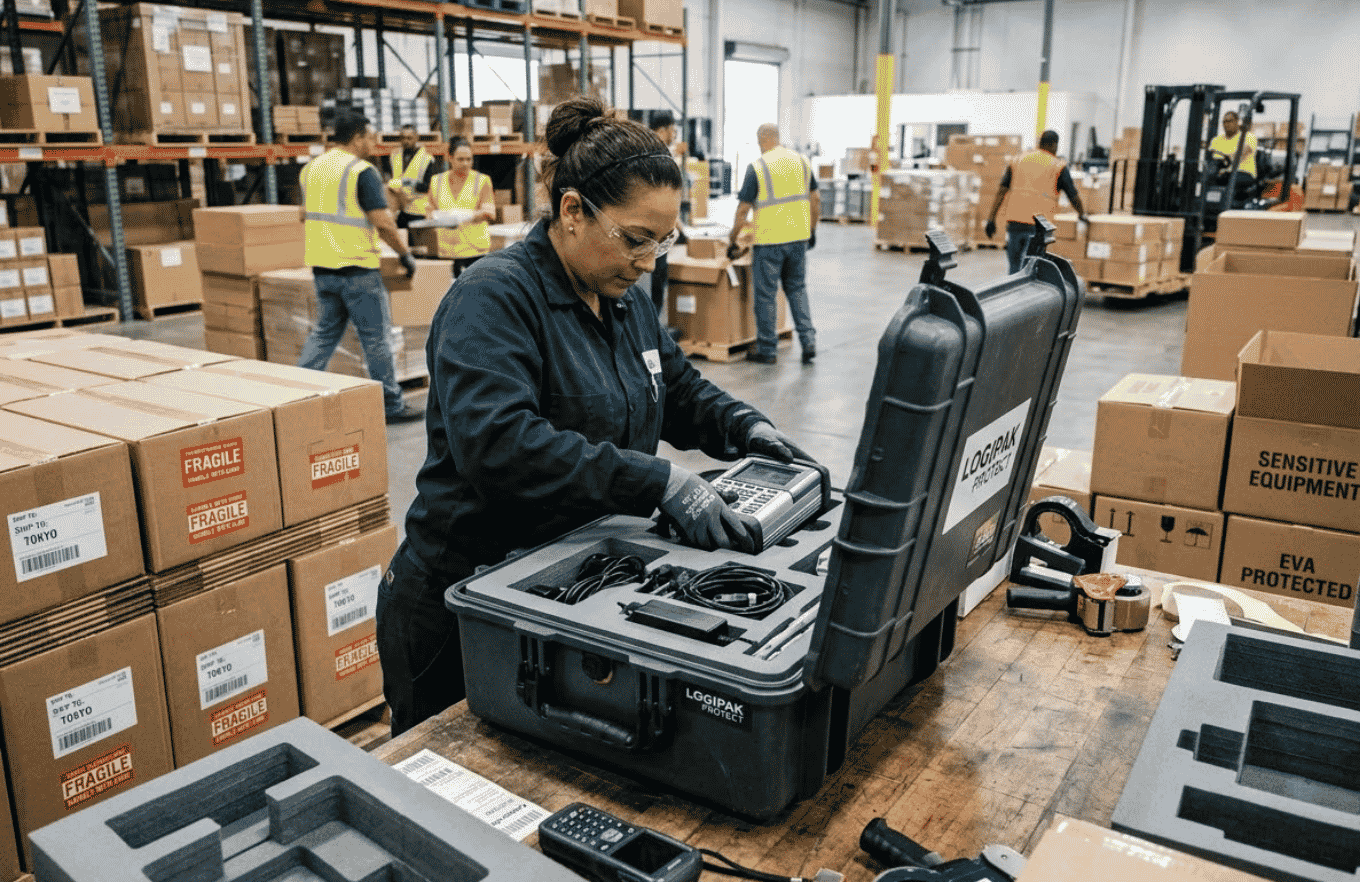
Electronics, glassware, and delicate machinery benefit significantly from LDPE Foam protection. Samad Foam designs mats and sheets that contour to product shapes, preventing scratches, dents, and breakage during shipping or handling.

LDPE Foam is also widely used to protect automotive components and industrial equipment. Its lightweight structure allows manufacturers in Europe to package heavy items securely without excessive shipping weight. TPE Foam layers are sometimes added to reinforce protection for highly sensitive machinery.
In some cases, LDPE Foam is applied to packaging for food or perishable goods, providing a buffer against shocks and vibration. Its non-toxic composition ensures safety while minimizing damage risks during delivery.
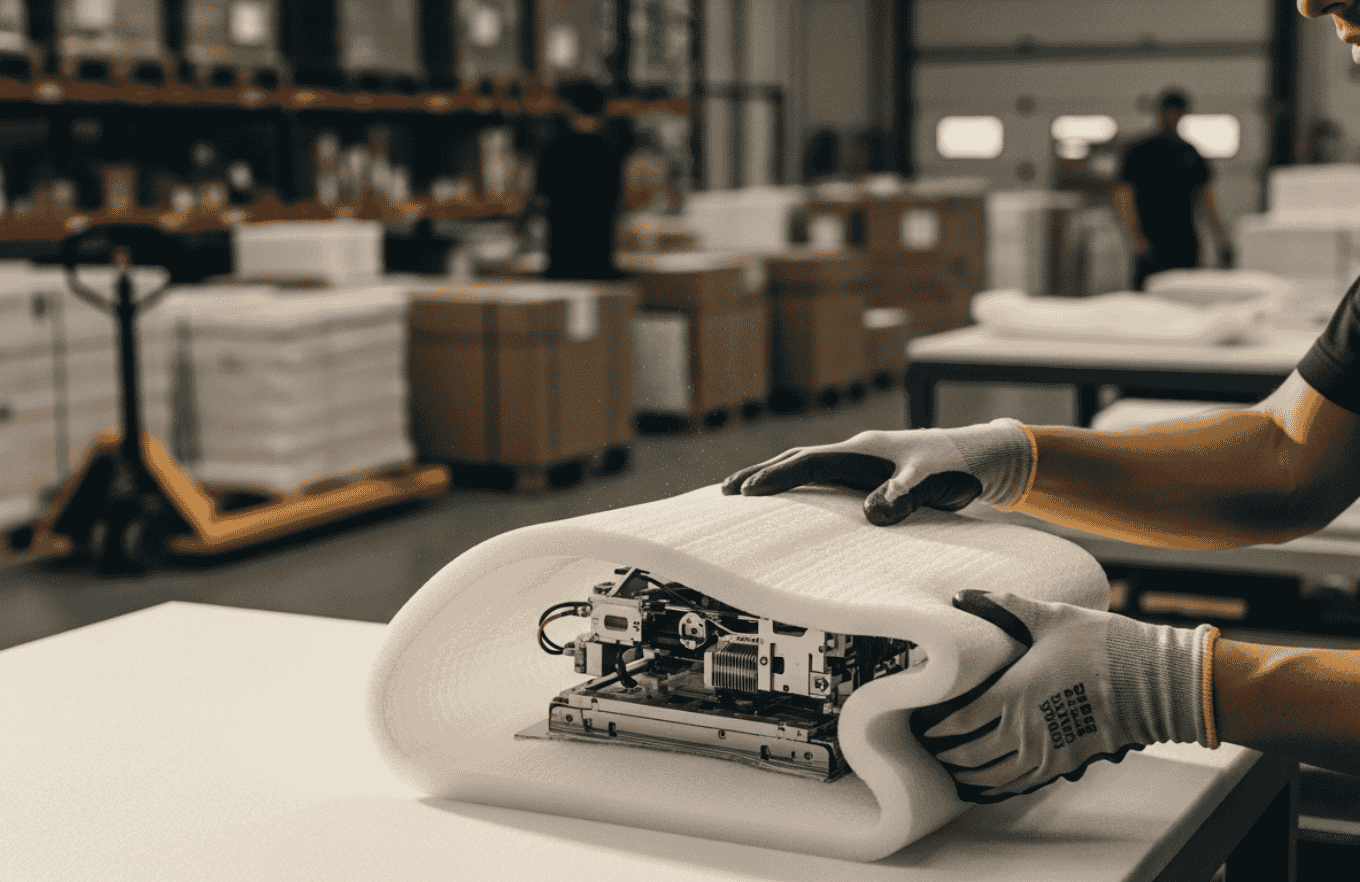
For optimal protection, items should be wrapped in LDPE Foam and layered with TPE Foam for high-value or fragile goods. This approach distributes pressure evenly and reduces the likelihood of crushing or deformation.
Custom-cut LDPE Foam inserts can be created to fit products precisely. Samad Foam offers tailored solutions for manufacturers in the USA, ensuring goods are snugly secured, reducing movement, and enhancing safety during transportation.
Using LDPE Foam in packaging reduces stress on workers during handling, as items are cushioned and less prone to slipping or damage. This increases workplace safety and minimizes product loss due to accidents.
Despite its superior cushioning, LDPE Foam remains cost-effective compared to alternatives like rigid plastics or wooden packaging. Businesses save on both material costs and potential damage claims.
LDPE Foam is durable and can be reused multiple times, reducing environmental impact. Samad Foam emphasizes sustainable practices in Europe by providing recycled LDPE Foam options without compromising protective qualities.
From electronics to automotive to consumer goods, LDPE Foam adapts to various product sizes and shapes, proving its versatility. Its compatibility with TPE Foam further enhances protective qualities, allowing manufacturers and packers to meet diverse logistical requirements.
Companies shipping high-end electronics in the USA rely on LDPE Foam sheets to protect screens, circuit boards, and peripherals. Shock absorption and anti-slip properties prevent costly returns due to damage.
European manufacturers of machinery use LDPE Foam to secure moving parts during international shipping. Custom inserts and layered foam sheets absorb vibration and prevent mechanical failures.
Online retailers benefit from lightweight LDPE Foam that reduces shipping costs while keeping products safe. Its flexibility allows packing items of varying dimensions efficiently.
Upgrade your packaging solutions with Samad Foam LDPE Foam and TPE Foam layers for unmatched transportation protection today.
LDPE Foam significantly reduces damage risks during handling and transportation through its lightweight, shock-absorbing, and versatile properties. When combined with TPE Foam, products achieve optimal protection across industries in the USA and Europe. Samad Foam offers tailored solutions that ensure goods arrive safely while reducing costs and enhancing workplace safety. Proper use of LDPE Foam, including layering, custom inserts, and consistent handling practices, allows businesses to improve logistics efficiency and safeguard their products.
LDPE Foam provides superior cushioning, shock absorption, and lightweight protection at a lower cost.
Yes, its durability allows repeated use, reducing packaging costs and environmental impact.
Yes, non-toxic LDPE Foam ensures safe contact while maintaining protective qualities.
.svg)

.svg)