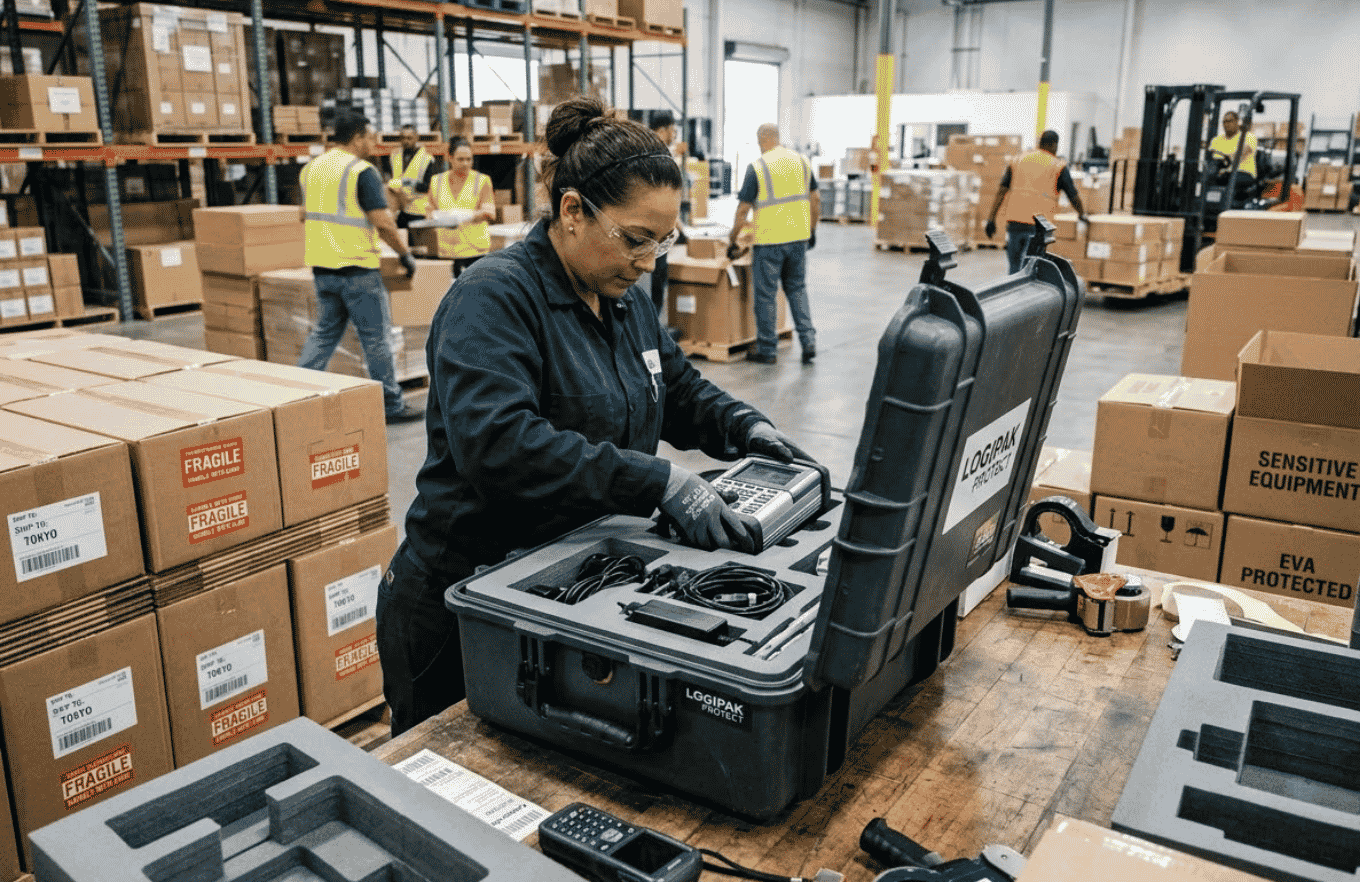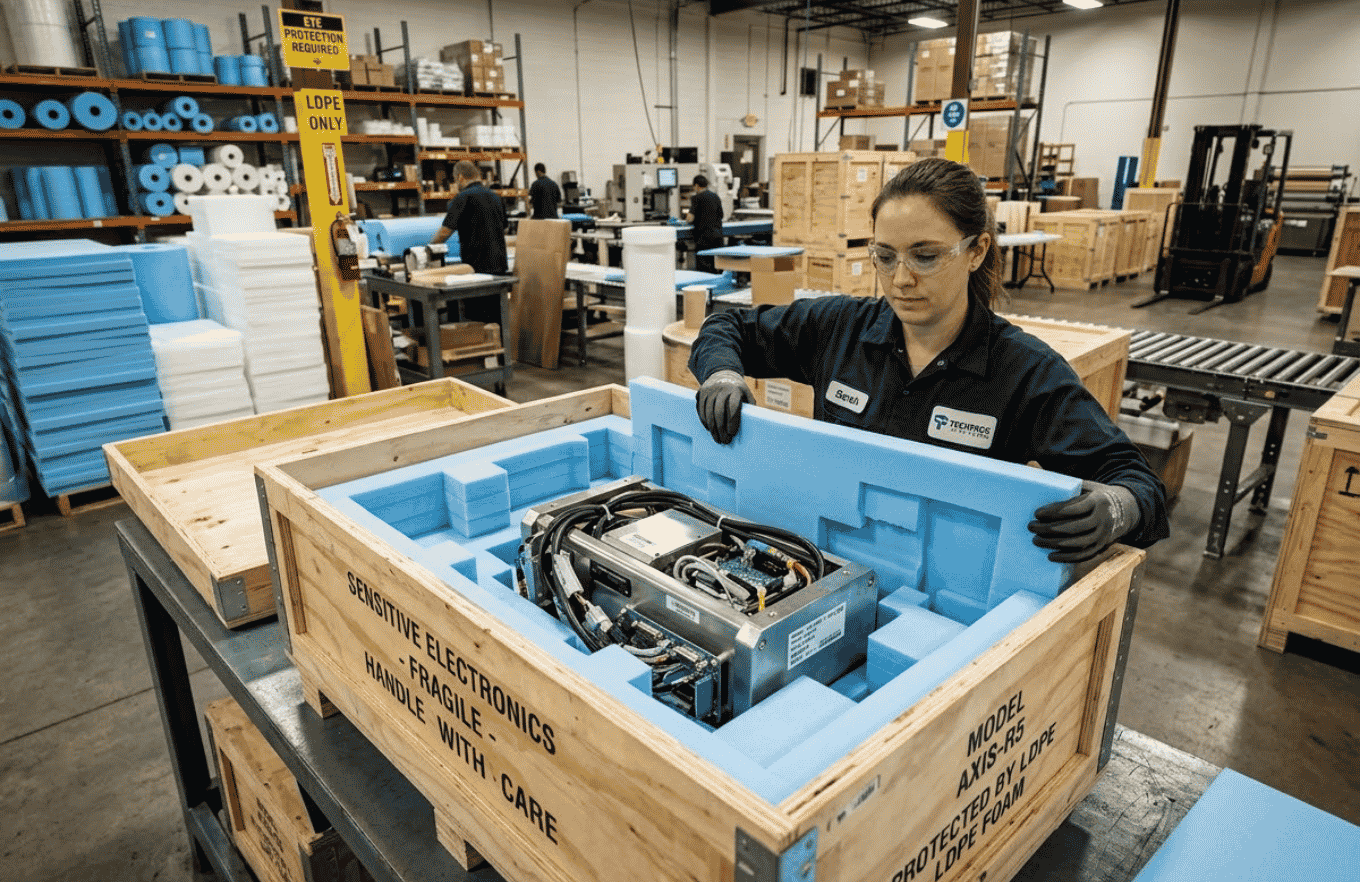
Choosing the right foam material can influence product quality, manufacturing efficiency, durability, and overall cost. LDPE Foam is widely considered for lightweight cushioning, moisture resistance, flexibility, and protective applications. TPE Foam offers a different performance profile and can be useful where elasticity and repeated deformation are important. Therefore, the better choice depends on the product, operating environment, and manufacturing process rather than price alone.
Choosing the wrong material can lead to unnecessary waste, processing difficulties, inconsistent performance, or premature product failure. Samad Foam helps businesses evaluate foam requirements according to their applications and production needs. In this blog, we examine seven practical factors that can make foam selection easier and more reliable.
Before selecting a material, define its purpose. Packaging may require cushioning and impact protection, while footwear, sports products, insulation, and industrial components may need different levels of flexibility or resilience.
Consider product weight, shape, expected service life, handling conditions, and mechanical stress. This information provides a practical starting point for comparing LDPE Foam and TPE Foam.
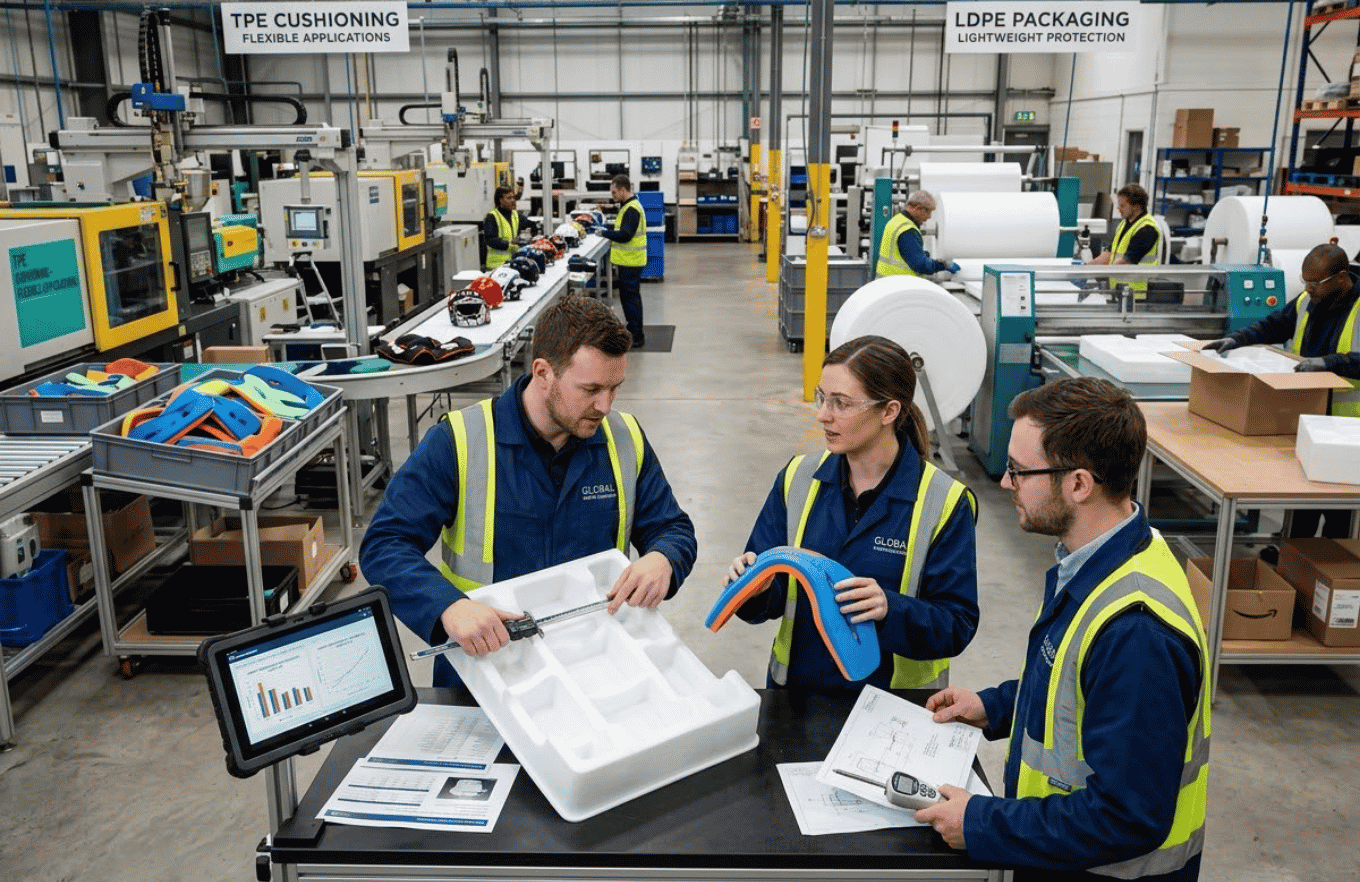
Flexibility matters when foam must bend, compress, or conform to different surfaces. TPE Foam can be useful where elasticity and repeated deformation are major requirements.
LDPE Foam can provide a practical balance of flexibility, lightweight construction, cushioning, and dimensional stability. The choice should depend on how frequently the foam will bend or compress during use.
A foam's softness does not automatically indicate its industrial performance. Products may experience pressure, vibration, stacking, and repeated handling throughout their service life.
Manufacturers should evaluate compression behavior and recovery characteristics under realistic conditions. Samad Foam can help businesses assess material requirements before committing to larger production volumes.
Foam used in transportation, warehouses, outdoor products, or industrial environments may encounter changing temperatures and humidity.
Moisture resistance can be particularly important for protective applications. Temperature exposure should also be considered when the finished product will operate in environments with significant temperature changes.
Providing your supplier with accurate environmental information helps ensure the selected material is appropriate for the application.
A foam must not only perform well in the finished product but also work effectively during manufacturing. Consider whether the material needs to be cut, shaped, laminated, bonded, or converted into specific dimensions.
Thickness, density, surface characteristics, and processing requirements can affect production efficiency. Samad Foam works with customers internationally, including businesses serving markets in Europe, to support application-specific material requirements.
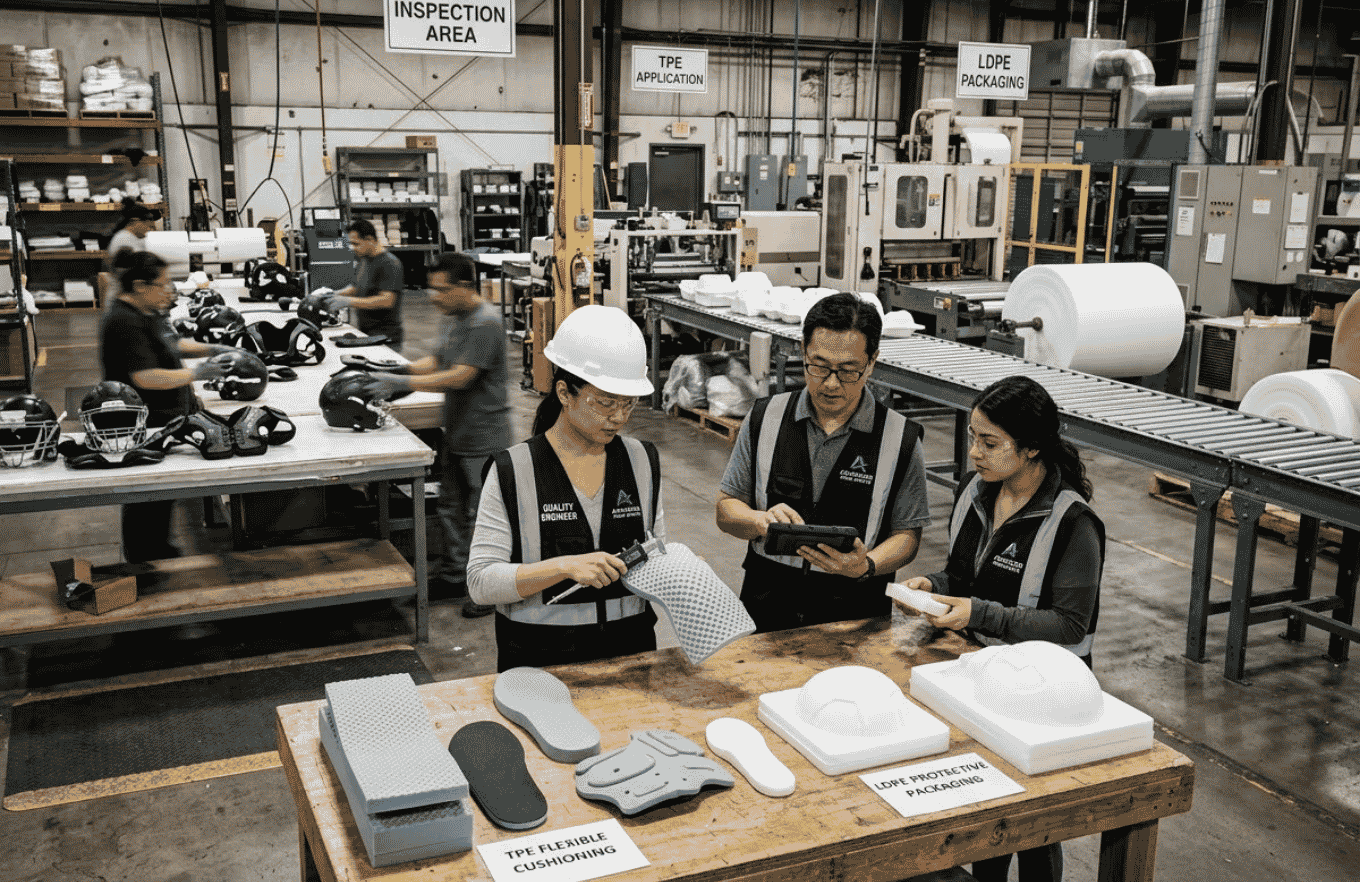
The cheapest material is not always the most cost-effective option. Waste, processing challenges, replacement requirements, and inconsistent performance can increase the actual cost over time.
When comparing LDPE Foam and TPE Foam, consider material consumption, manufacturing efficiency, durability, expected service life, and waste. A material with a slightly higher purchase price may provide better overall value if it improves production or reduces failures.
Sample testing is one of the most effective ways to make an informed material decision. Manufacturers can assess the foam under conditions similar to actual production and use.
Important factors to evaluate include:
● Compression and recovery
● Flexibility and resilience
● Thickness consistency
● Cutting and processing behavior
● Moisture exposure
● Surface quality
● Compatibility with other materials
Testing with the actual product or load can provide more useful information than relying only on a technical specification sheet.
Samad Foam can assist customers in discussing suitable foam options according to their intended applications and production requirements.
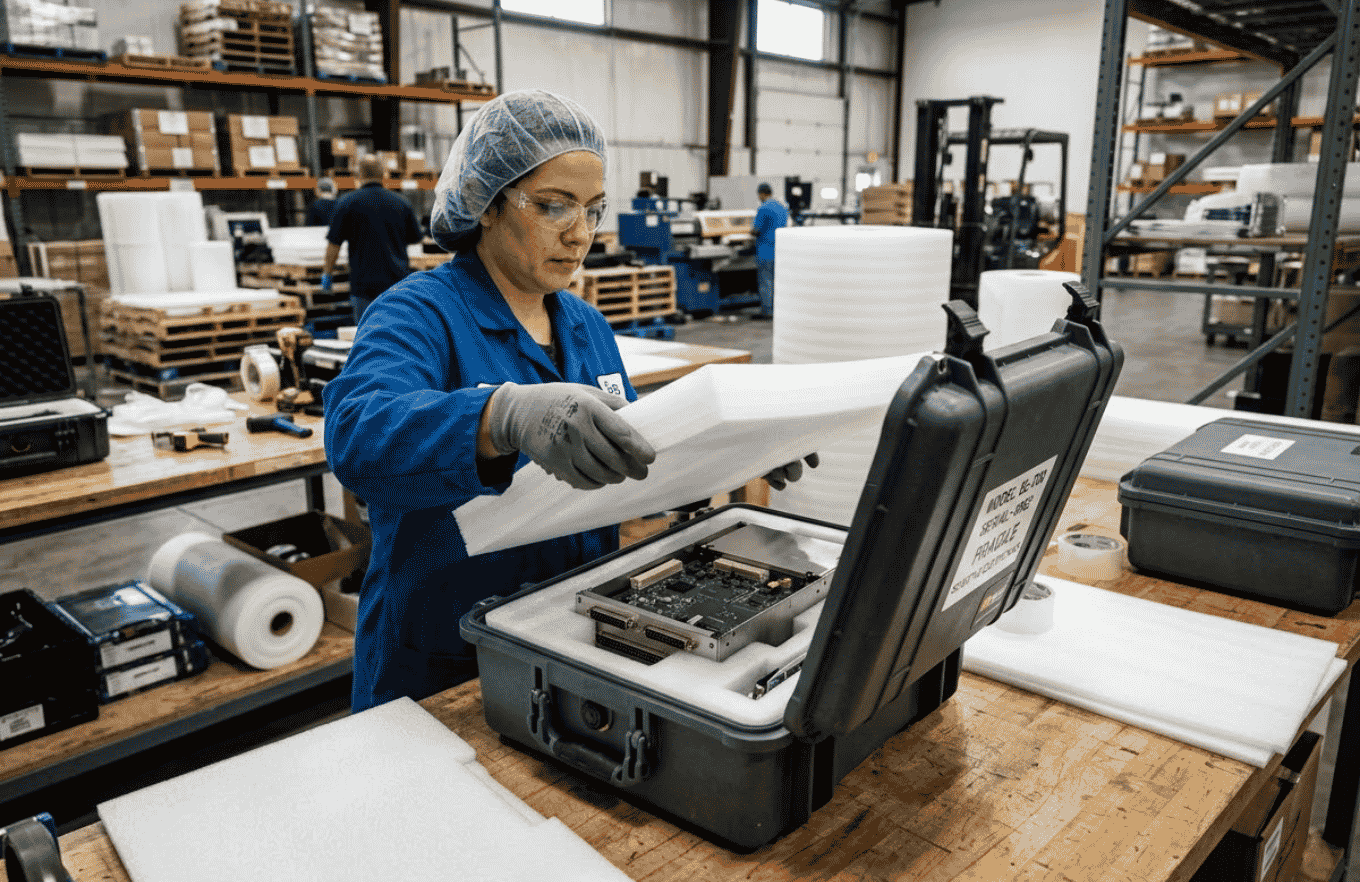
There is no single material that is best for every application. LDPE Foam may be suitable for lightweight cushioning, protective packaging, and applications requiring moisture resistance and practical flexibility. TPE Foam may be better suited to applications where elasticity and repeated deformation are priorities.
For manufacturers supplying the USA and other international markets, consistency is also important. Reliable material quality can support smoother production and more predictable finished-product performance.
Most importantly, avoid choosing foam solely on familiarity or unit price. A structured evaluation gives manufacturers a clearer picture of long-term value.
Choosing between LDPE Foam and TPE Foam requires consideration of application requirements, flexibility, compression performance, environmental exposure, processing, cost, and testing.
By evaluating these seven factors before bulk production, manufacturers can reduce material-related problems, improve product quality, and make more confident purchasing decisions.
Contact Samad Foam today for reliable foam materials and application-specific solutions tailored to your manufacturing and performance requirements.
Yes, it can be suitable for industrial applications requiring lightweight cushioning, moisture resistance, flexibility, and protective performance.
TPE Foam may be appropriate when elasticity, flexibility, and repeated deformation are important performance requirements.
Manufacturers should compare flexibility, compression, environmental resistance, processing behavior, durability, material consumption, and total lifecycle cost before selecting a foam.
.svg)

.svg)