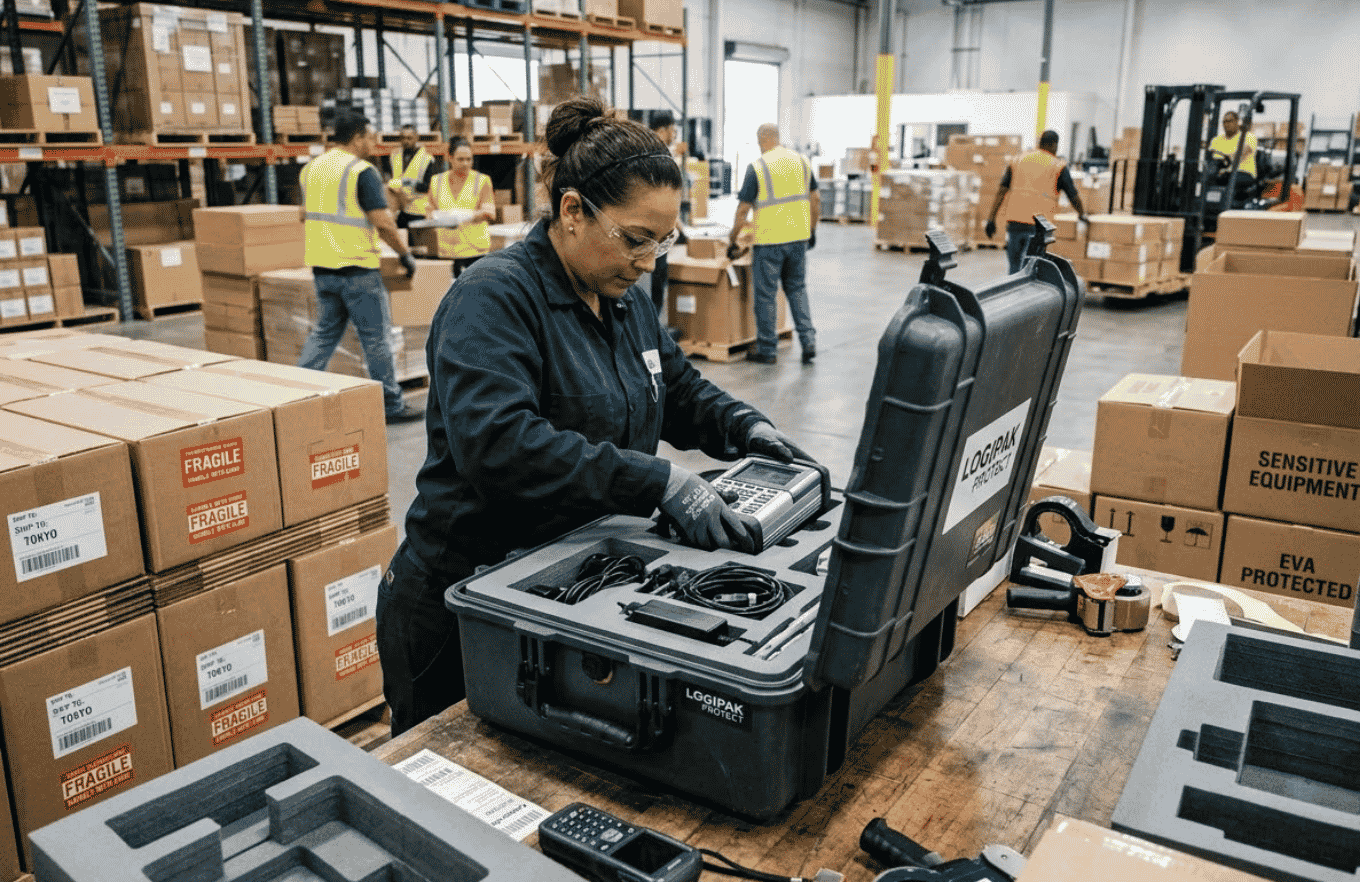
LDPE Foam has become a widely used material in protective packaging due to its balance of flexibility, cushioning, and lightweight structure. In modern logistics and manufacturing environments, protection of goods during storage and transportation is a top priority. This is where LDPE Foam plays a crucial role, offering consistent shock absorption and surface protection for sensitive products.
In many industrial sectors, LDPE Foam is preferred over several alternative materials because it provides reliable performance without adding unnecessary weight or cost. Moreover, LDPE Foam is widely used in electronics, automotive parts, medical equipment, and fragile goods packaging due to its adaptable nature. The use of LDPE Foam ensures that products remain safe even under pressure, vibration, or rough handling conditions. In comparison with other materials like TPE Foam, it offers a more stable cushioning structure for bulk packaging applications.
One of the main reasons LDPE Foam is preferred is its lightweight nature combined with excellent shock absorption. It helps reduce shipping costs while maintaining product safety.
LDPE Foam typically features a closed-cell structure, which enhances resistance against moisture and dust. This makes it highly reliable for industrial packaging applications where environmental exposure is a concern.
Another advantage of LDPE Foam is its affordability in large-scale production. Manufacturers often choose it because it delivers consistent results without increasing operational costs.
Furthermore, LDPE Foam can be easily cut, shaped, and customized, making it suitable for different packaging requirements across industries.
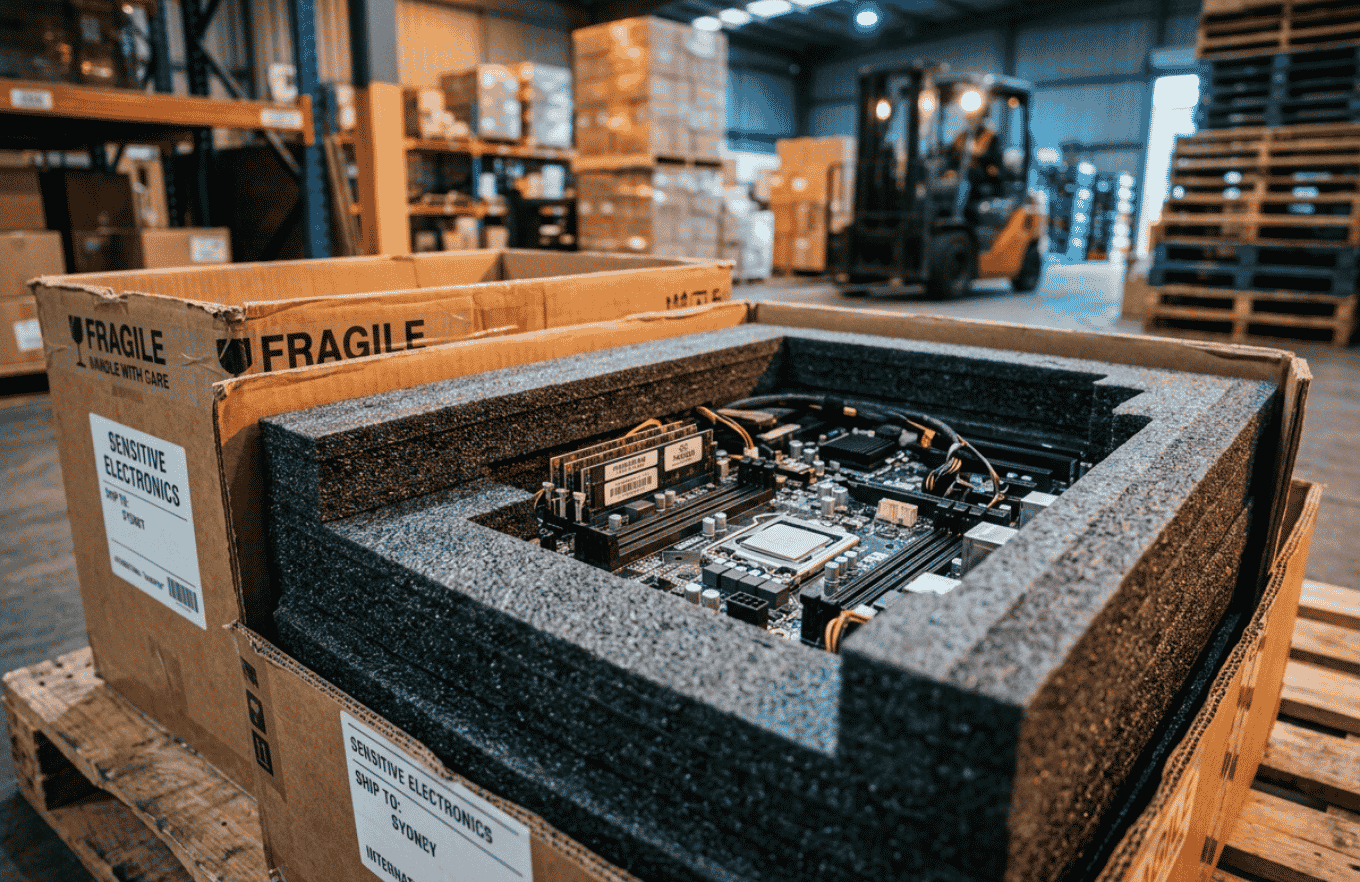
When comparing LDPE Foam and TPE Foam, both materials offer distinct advantages depending on application needs. LDPE Foam is generally preferred for packaging because of its stability and cost efficiency, while TPE Foam is more flexible and often used in specialty applications.
LDPE Foam provides strong cushioning performance for fragile goods, ensuring minimal movement during transportation. On the other hand, TPE Foam offers higher elasticity but may not always deliver the same level of structural support for heavy-duty packaging.
Moreover, LDPE Foam performs better in mass packaging environments where consistency and affordability are essential. In contrast, TPE Foam is often selected for reusable or ergonomic product designs rather than bulk industrial protection.
LDPE Foam absorbs impact effectively, reducing the risk of damage during transit. This makes it highly suitable for delicate and high-value products.
Chemical and Moisture Resistance
Its resistance to moisture and mild chemicals ensures long-lasting performance in varied storage environments.
LDPE Foam can be easily molded into sheets, rolls, or inserts depending on packaging requirements.
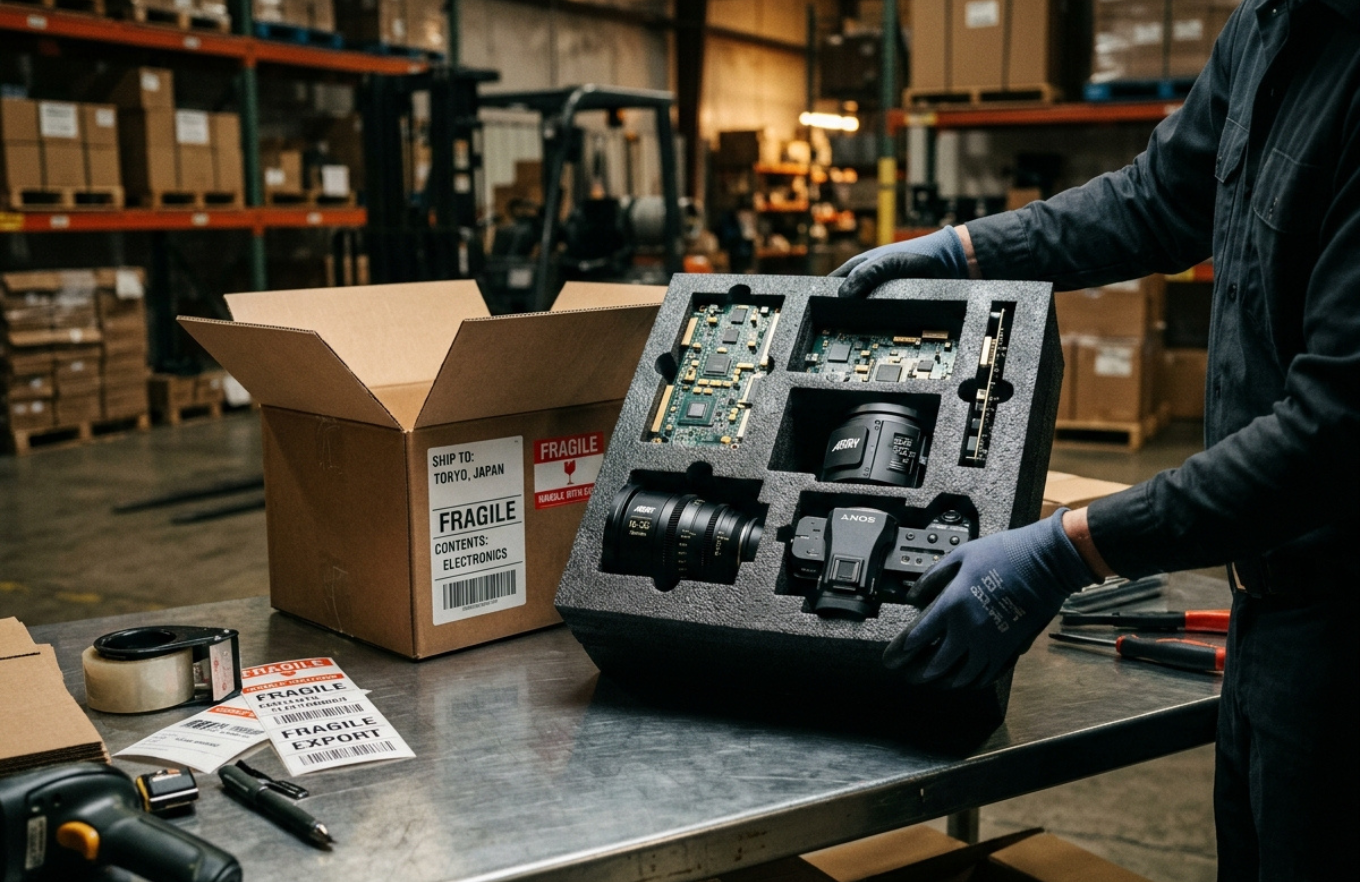
● Custom die-cut inserts for electronics
● Protective layers for machinery parts
● Cushioning for glass and ceramic goods
● Interleaving sheets for stacked items
These applications make LDPE Foam a versatile solution across industries.
LDPE Foam is widely used in logistics, automotive, healthcare, and consumer goods packaging. Its ability to protect products during long-distance transportation makes it a preferred choice in global supply chains.
In electronics packaging, LDPE Foam prevents scratches and impact damage. In the automotive industry, it protects spare parts and sensitive components. Furthermore, in medical equipment packaging, it ensures hygiene and stability during transit.
Additionally, many manufacturers, including Samad Foam, rely on LDPE Foam for scalable packaging solutions due to its consistent performance and adaptability.

While sustainability is becoming increasingly important, LDPE Foam still holds relevance due to its recyclability and long service life. It reduces product loss during transportation, which indirectly supports waste reduction.
Moreover, LDPE Foam requires less energy during processing compared to many alternative materials, making it a practical choice for large-scale manufacturing. In Europe and the USA, industries are gradually optimizing packaging systems using LDPE Foam to balance performance and environmental responsibility.
Samad Foam continues to focus on improving material efficiency and offering solutions that meet modern industrial expectations while maintaining product protection standards.
LDPE Foam remains a leading choice in protective industrial packaging due to its strength, cost efficiency, and reliable cushioning performance. Compared to alternatives like TPE Foam, it provides better consistency for bulk applications and high-volume logistics. Its versatility across industries makes it a dependable material for modern packaging needs.
Contact Samad Foam today for reliable LDPE Foam packaging solutions tailored to your industrial protection and bulk shipment requirements worldwide.
LDPE Foam is used because it provides strong cushioning, a lightweight structure, and cost-effective protection for industrial packaging applications.
LDPE Foam offers better structural stability for packaging, while TPE Foam is more flexible but less commonly used in bulk industrial protection.
Yes, LDPE Foam is highly suitable for long-distance shipping due to its shock absorption and resistance to moisture and handling pressure.
.svg)

.svg)