Choosing the right foam can completely transform your product's performance, durability, and customer satisfaction! Whether you manufacture protective packaging, sports equipment, automotive components, insulation products, or industrial cushioning, selecting the correct material affects everything from production efficiency to long-term reliability. While every application has unique demands, understanding the strengths of TPE Foam and alternative foam materials helps businesses make informed decisions that support both performance and profitability.
No single foam works perfectly for every product. Factors such as flexibility, temperature resistance, cushioning, chemical exposure, durability, and production costs all influence which material offers the best value. The ideal choice depends entirely on how and where the finished product will be used.
In this blog, we are going to explain the major differences between these materials, compare their performance, and help you determine which option best fits your manufacturing requirements.
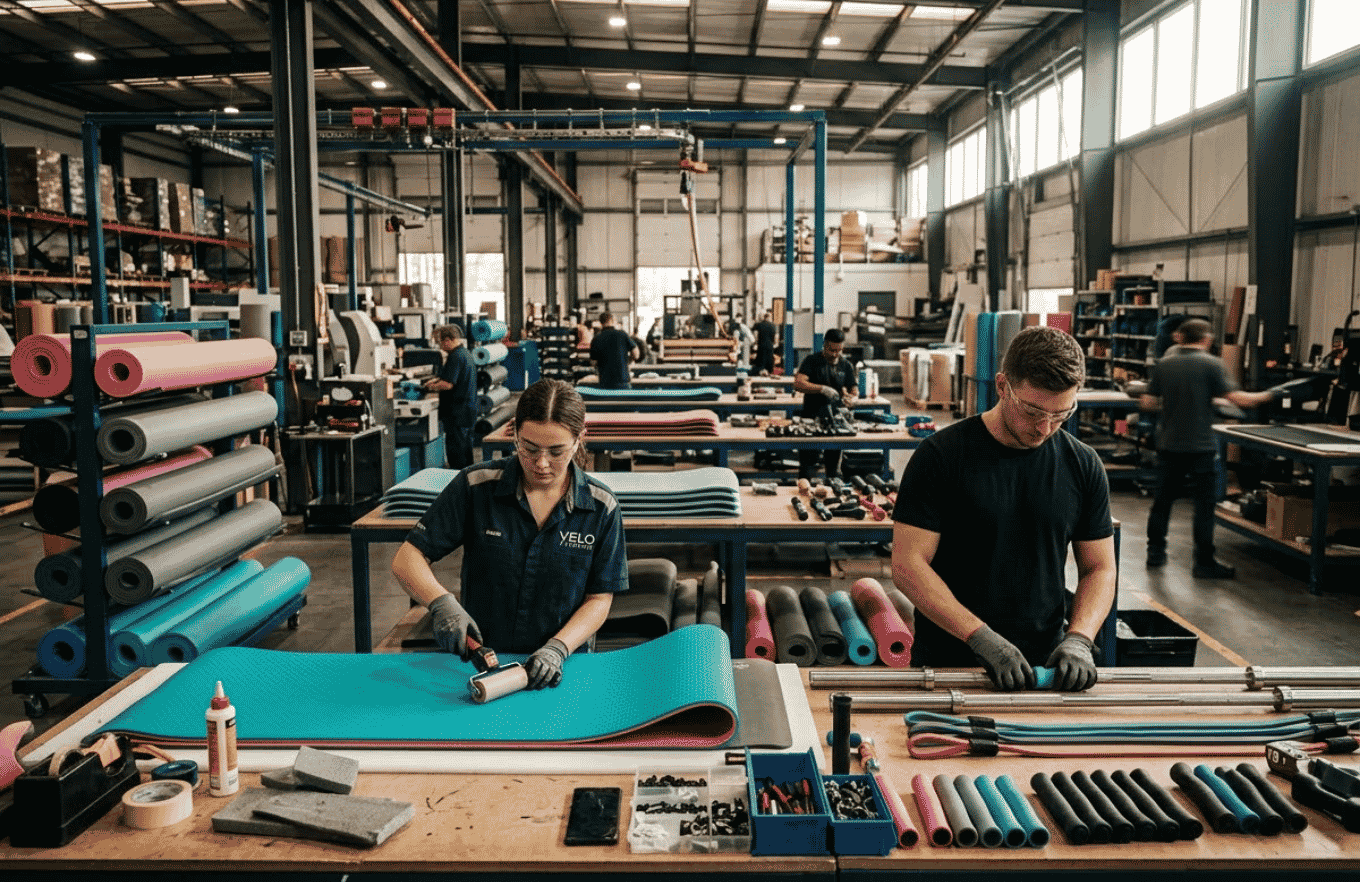
Before comparing materials, manufacturers should clearly identify the product's intended use. Performance expectations vary significantly across industries, making application-specific evaluation essential.
Consider these important factors before selecting foam:
● Product environment
● Required flexibility
● Cushioning performance
● Chemical exposure
● Temperature conditions
● Expected product lifespan
Evaluating these requirements first helps narrow the most suitable material option while reducing unnecessary production costs.
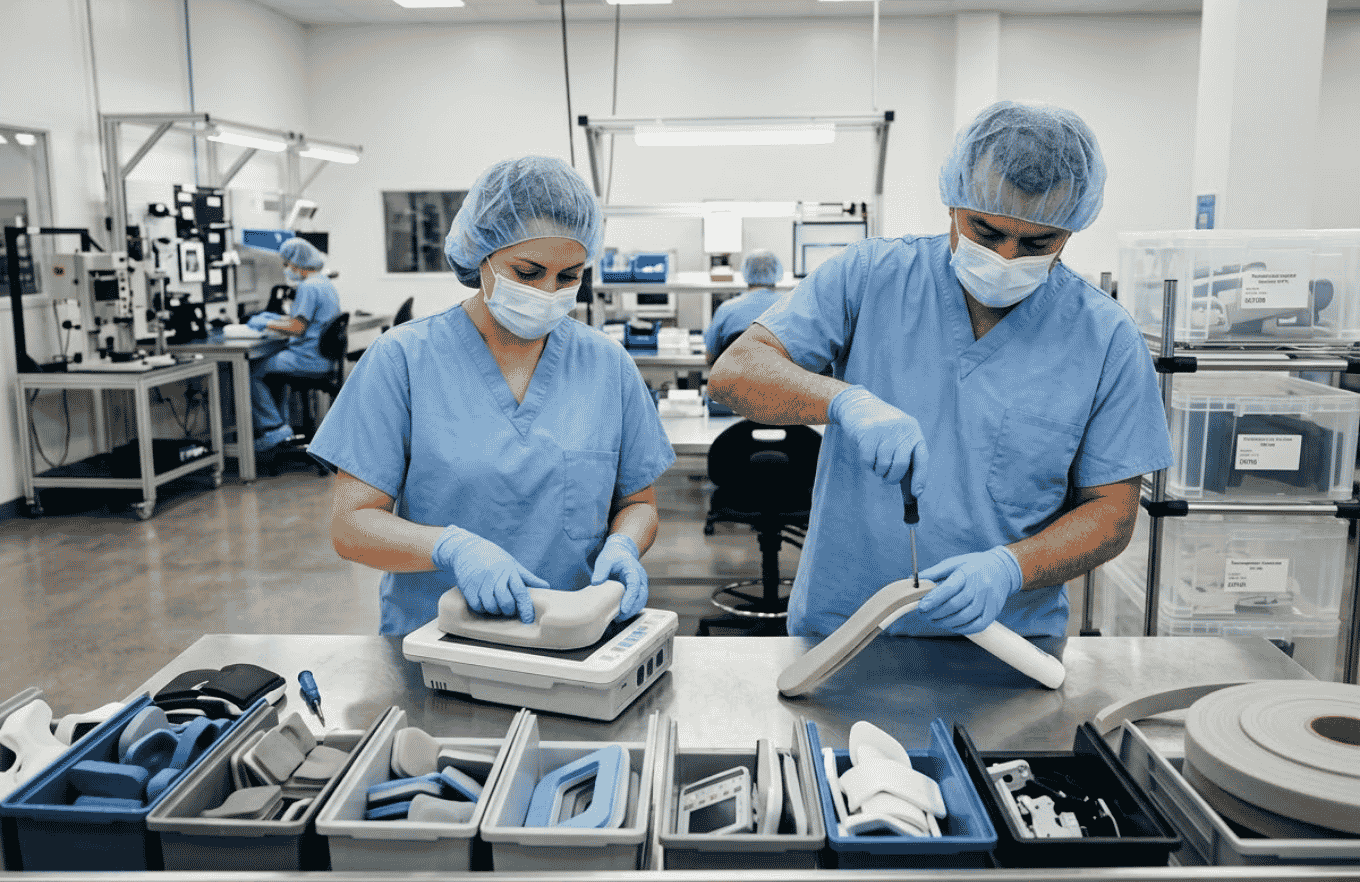
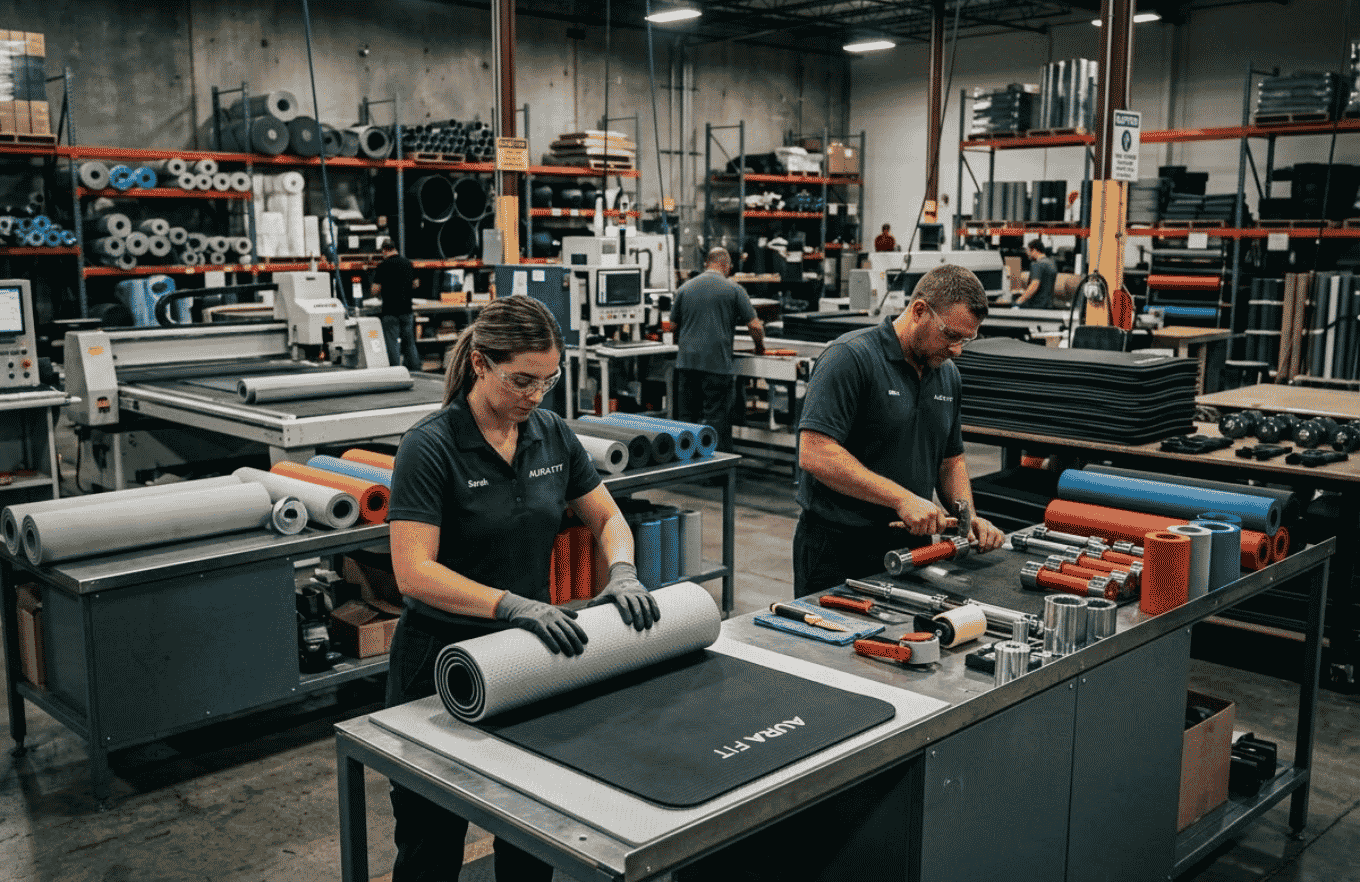
Many manufacturers prefer TPE Foam when flexibility, comfort, and resilience are top priorities. This material performs exceptionally well in products requiring repeated movement without permanent deformation.
Typical applications include:
● Fitness equipment
● Protective gear
● Medical products
● Automotive interiors
● Consumer goods
● Sports accessories
The material provides consistent cushioning while maintaining flexibility across varying operating conditions. Manufacturers seeking premium product performance often rely on trusted suppliers like Samad Foam to ensure reliable material quality for demanding production environments across the USA.
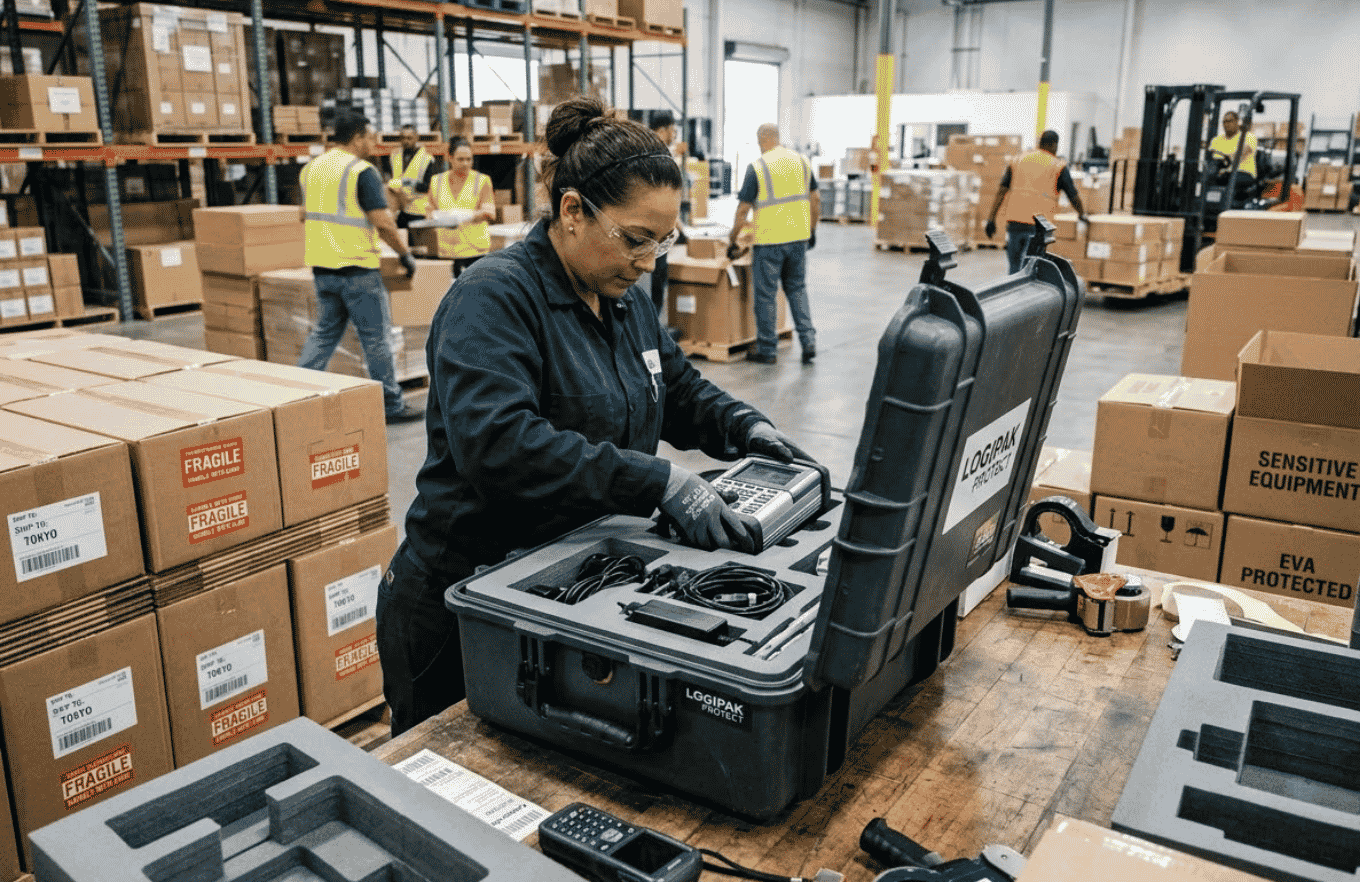
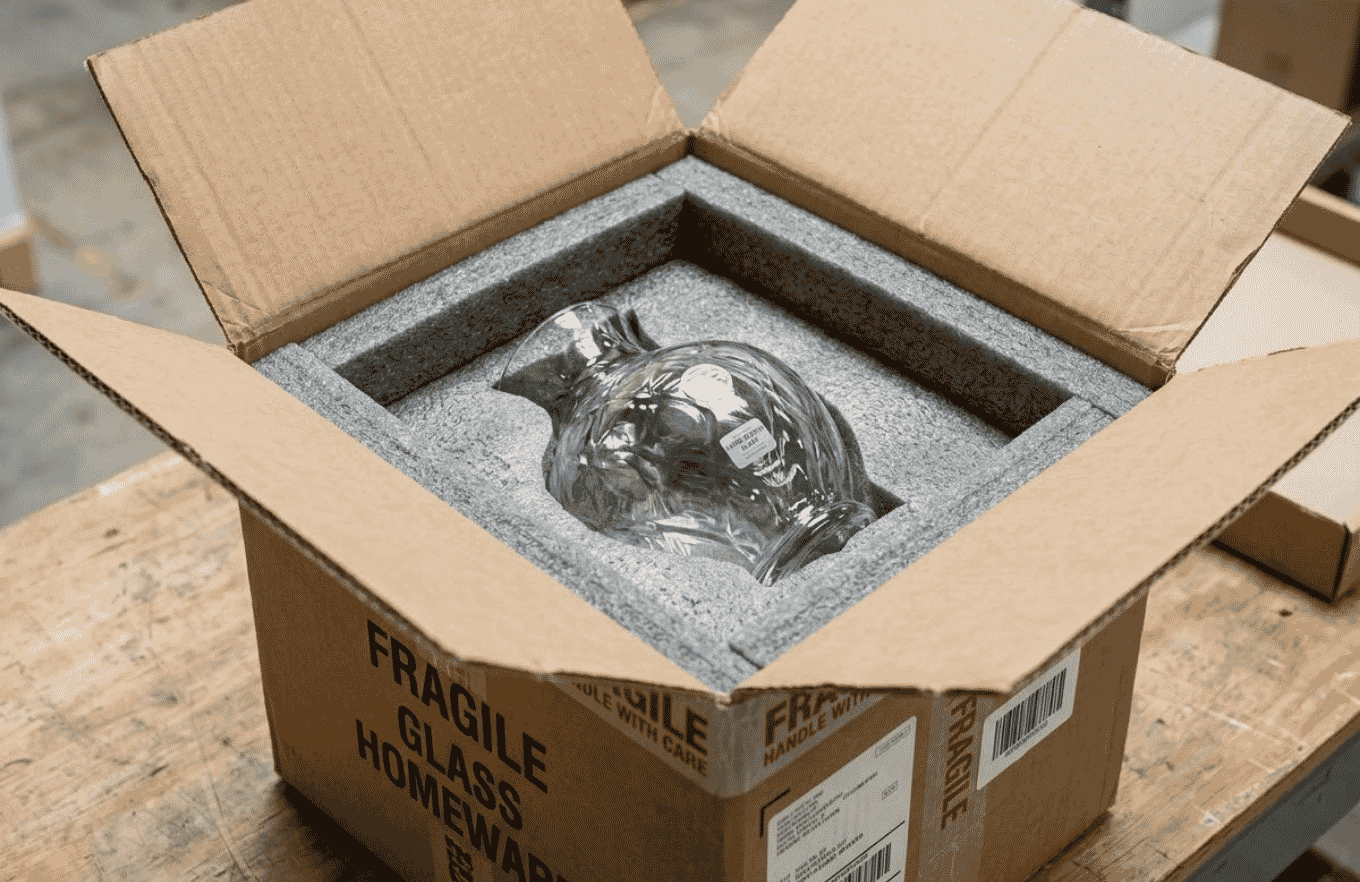
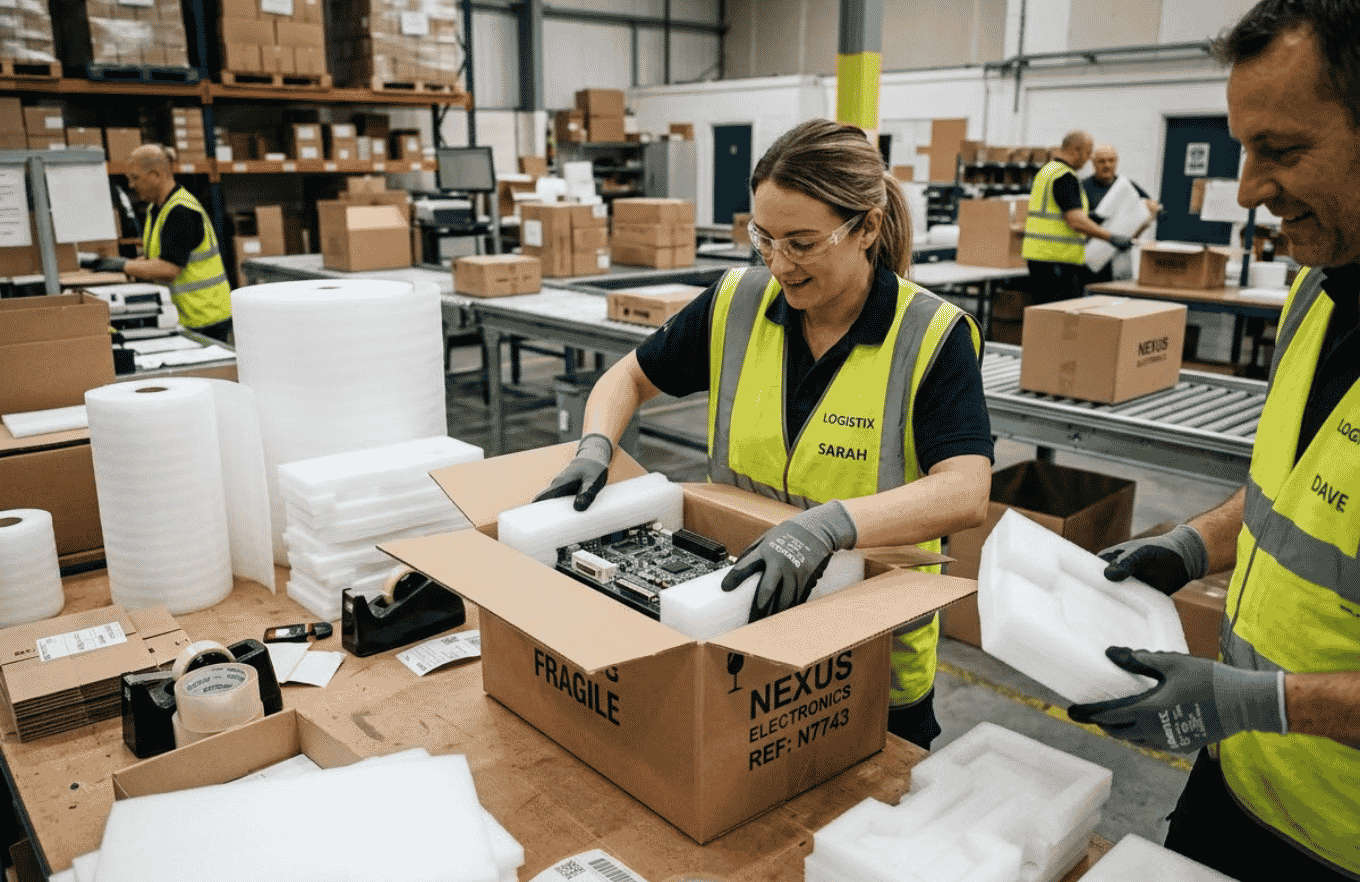
While flexibility is important in many products, some applications require greater dimensional stability, lightweight protection, and excellent moisture resistance. LDPE Foam has become a preferred solution for these industrial requirements.
Its major advantages include:
● Excellent shock absorption
● Low water absorption
● Lightweight construction
● Reliable thermal insulation
● Good chemical resistance
● Easy fabrication
Moreover, manufacturers producing protective packaging, industrial cushioning, and transportation solutions frequently choose this material because it balances durability with cost-effective manufacturing. Suppliers such as Samad Foam continue supporting global industries by delivering dependable foam materials for a wide range of industrial applications.
Choosing between these materials is not simply about technical specifications. Manufacturers should evaluate long-term performance, production efficiency, and the overall value each material brings to the finished product.
When comparing options, consider:
● Product durability over time
● Ease of manufacturing
● Weight requirements
● Moisture resistance
● Customer expectations
● Total production cost
Most importantly, the right foam should meet both performance requirements and business objectives. A material that performs consistently while reducing maintenance and replacement costs often delivers greater value than simply choosing the lowest-priced option.
Manufacturers serving customers throughout Europe frequently partner with experienced suppliers like Samad Foam to maintain consistent quality standards and satisfy demanding international markets.
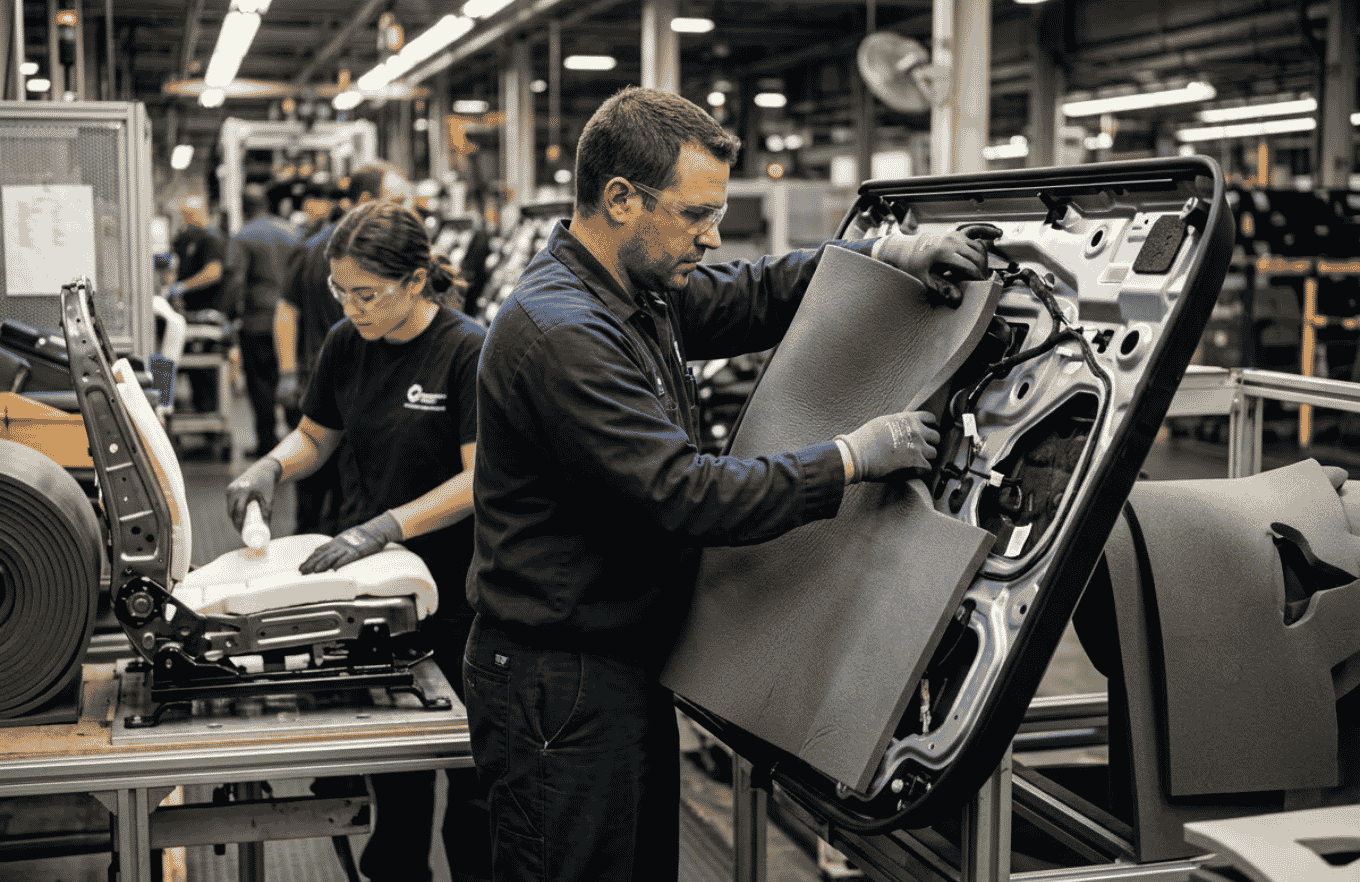
There is no universal winner because every product has unique performance requirements. Products requiring exceptional flexibility and comfort may benefit more from TPE Foam, while applications focused on lightweight protection, packaging, and industrial cushioning often achieve better results with LDPE Foam.
Selecting the right supplier is equally important. Reliable manufacturers maintain strict quality control, consistent material properties, and dependable production processes that help businesses deliver better products to their customers.
Furthermore, working closely with experienced material experts allows manufacturers to customize foam solutions according to product specifications, environmental conditions, and long-term performance expectations. Companies like Samad Foam continue supporting businesses worldwide by providing dependable foam materials designed for diverse industrial applications and evolving manufacturing needs.
Material selection plays a major role in determining product quality, durability, and customer satisfaction. Understanding the strengths of TPE Foam and LDPE Foam allows manufacturers to make informed decisions based on real application requirements rather than assumptions. Investing in high-quality materials and trusted suppliers helps create products that perform consistently while supporting efficient manufacturing and long-term business success.
Choose Samad Foam for premium foam materials, expert technical guidance, customized manufacturing solutions, dependable international quality, and reliable support that helps your products achieve superior performance and lasting value.
Evaluate flexibility, durability, operating environment, cushioning requirements, moisture exposure, and production goals before selecting the material best suited to your application.
Yes. LDPE Foam is widely used for industrial packaging because it offers lightweight protection, shock absorption, moisture resistance, and dependable cushioning during transportation.
TPE Foam is commonly used in automotive products, sports equipment, medical applications, protective gear, fitness accessories, and consumer products requiring flexibility and comfort.
.svg)

.svg)