Choosing the right foam for industrial packaging, protective applications, or insulation is not simply about finding a material at the right price. Performance depends on factors that are often hidden behind product specifications, marketing claims, and supplier promises. This is where working with experienced LDPE Foam suppliers becomes important, especially when consistent quality matters across large production runs. A foam that looks suitable on paper may behave very differently under pressure, temperature changes, repeated handling, or long-term storage.
For manufacturers, purchasing teams, and product designers, the real challenge is understanding what actually influences foam performance. In this blog, we look at five important factors suppliers may not always explain clearly, helping you make more informed sourcing decisions and avoid expensive performance problems.
Density is one of the first specifications buyers usually check, but it should never be treated as the only measure of quality. Two materials with similar density can deliver different levels of cushioning, flexibility, compression resistance, and recovery.
The production process, cell structure, formulation, and thickness can all influence how foam performs in real applications. Therefore, instead of asking only for a density figure, buyers should understand how that specification relates to the intended use.
For example, protective packaging may require excellent shock absorption, while an insulation application may prioritize dimensional stability and thermal performance. The ideal material specification changes according to the job.
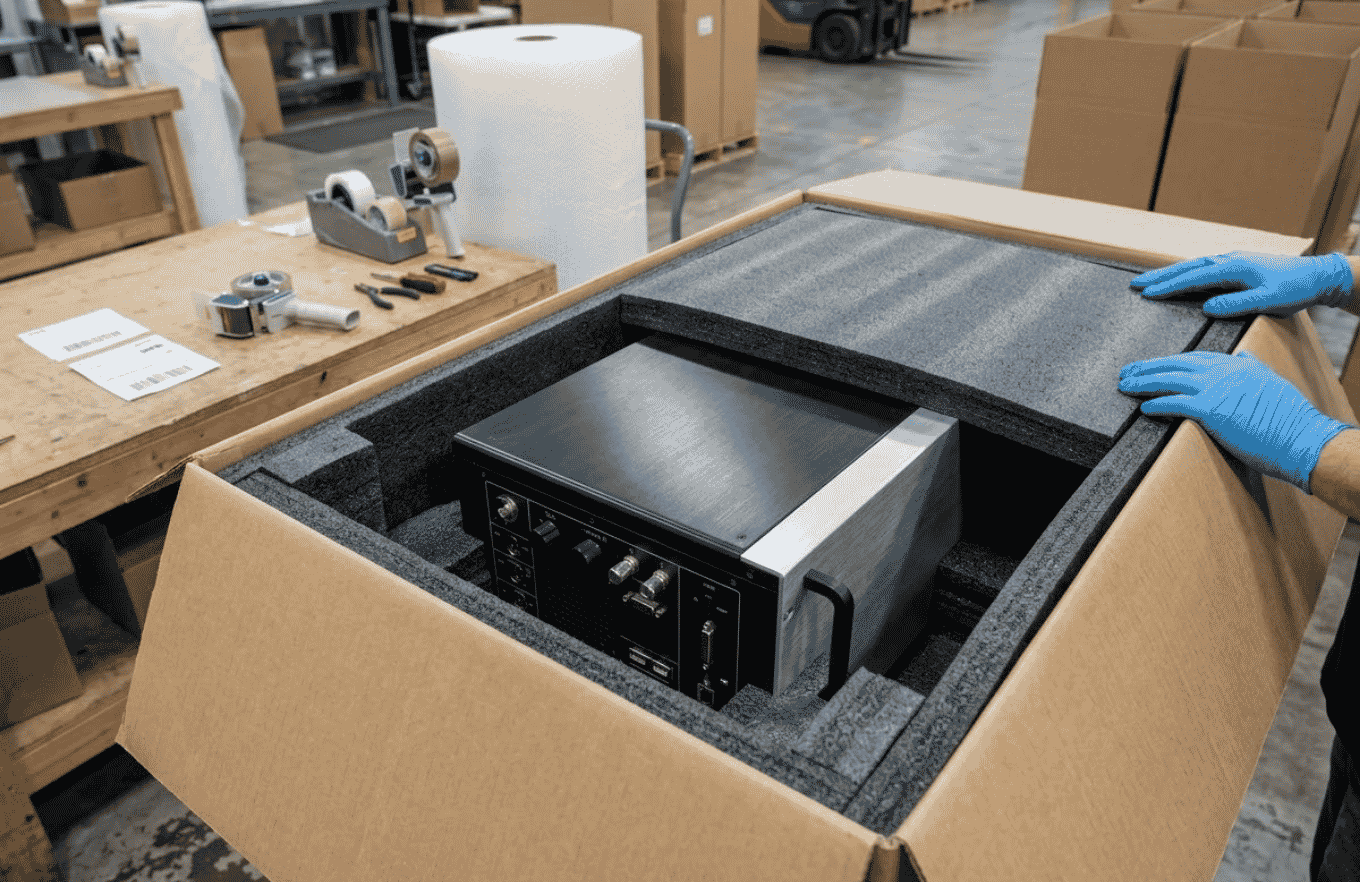
A common misconception is that increasing foam thickness automatically improves protection. In reality, the relationship between thickness and performance depends on the product being protected and the forces involved.
Thicker foam can provide additional cushioning, but excessive thickness may increase packaging size, shipping costs, and material consumption without delivering meaningful additional protection. Conversely, a layer that is too thin may compress quickly and provide inadequate cushioning.
Before selecting a grade, consider:
● Product weight and dimensions
● Expected impact and vibration
● Compression requirements
● Available packaging space
● Transportation and handling conditions
This application-focused approach allows buyers to select material more efficiently instead of simply choosing the thickest option.
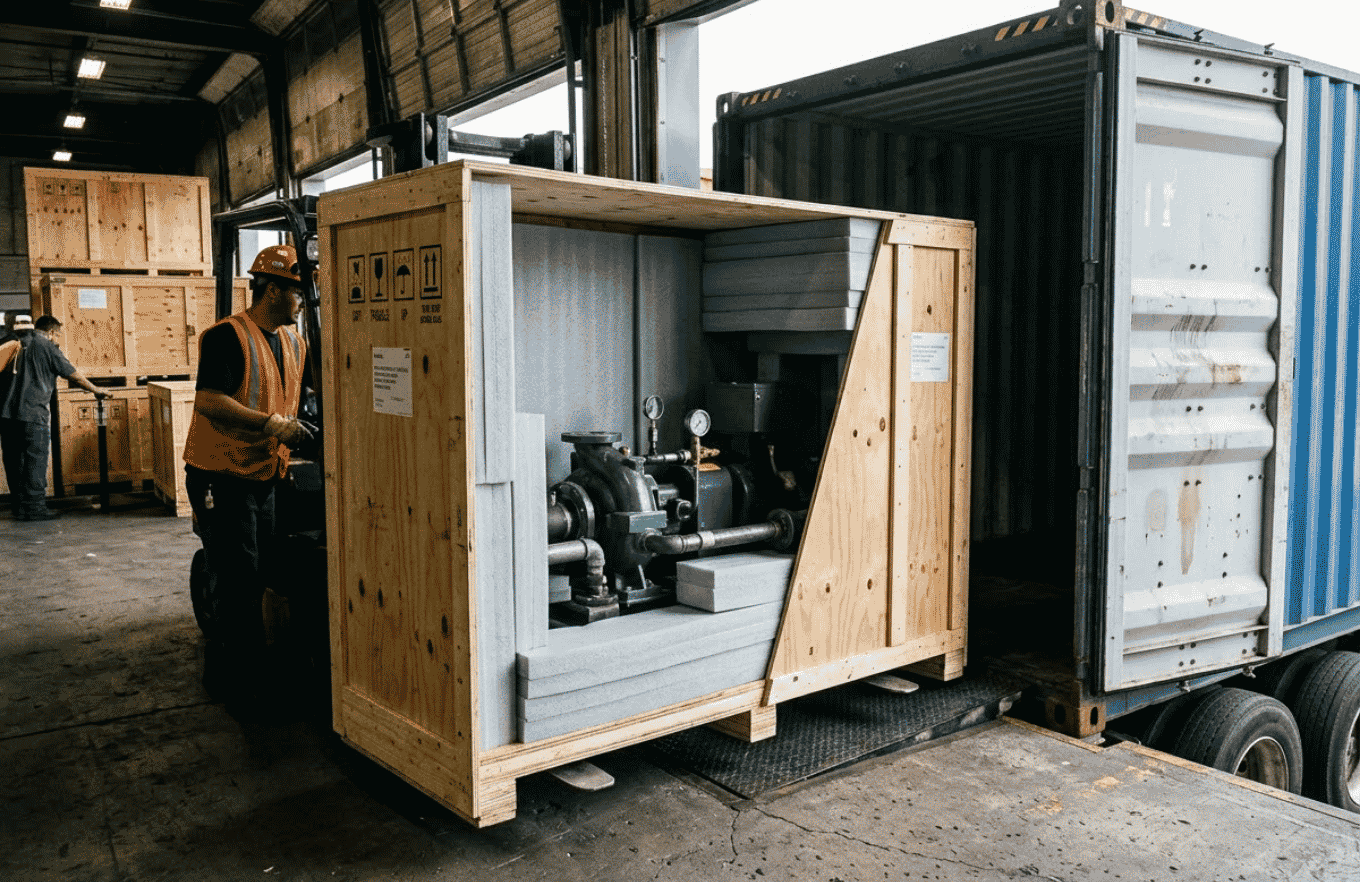
Foam products may encounter warehouses, delivery vehicles, shipping containers, production floors, or outdoor conditions during their service life. Temperature fluctuations can influence flexibility, dimensional stability, and overall behavior.
This is particularly important for products shipped internationally. A packaging component manufactured for a controlled indoor environment may face very different conditions when transported across multiple climates.
Experienced LDPE Foam suppliers should therefore be able to discuss the expected operating environment and recommend suitable material characteristics. Samad Foam, for example, can help businesses consider application requirements rather than selecting foam based purely on appearance or price.
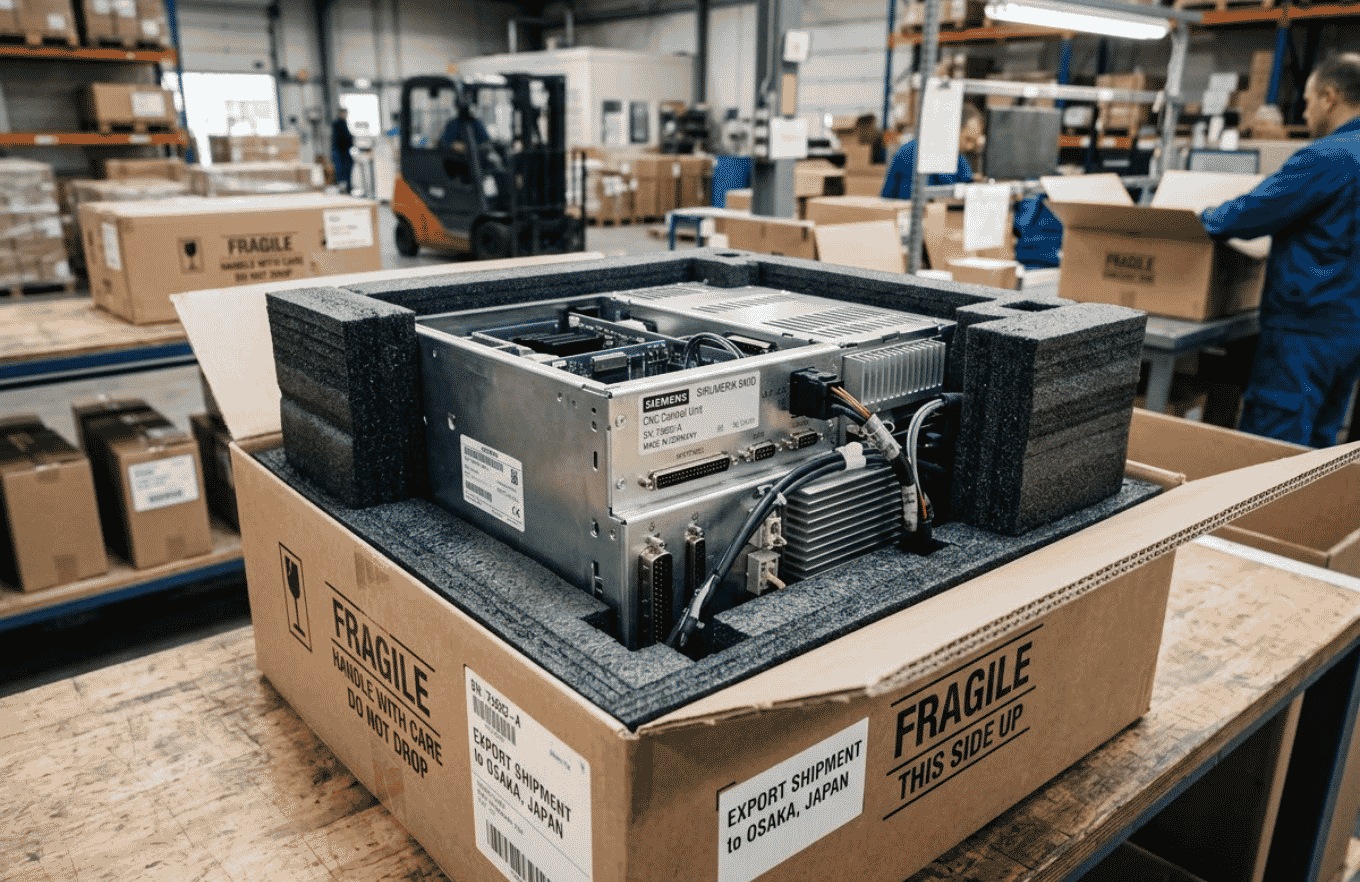
A sample may perform perfectly during initial testing, but industrial buyers need consistency across repeated orders. Variations in thickness, density, dimensions, surface quality, or physical properties can create production problems.
Imagine a manufacturer receiving one shipment that cuts cleanly and another that behaves differently during processing. Even small variations can affect assembly, product fit, protective performance, and manufacturing efficiency.
When evaluating LDPE Foam suppliers, ask about quality control procedures, production consistency, inspection methods, and how specifications are maintained across batches. Most importantly, request samples that represent actual production conditions rather than relying solely on a single demonstration piece.
Price is naturally important, but the lowest quotation does not necessarily represent the lowest overall cost. Poor-quality foam can lead to damaged products, increased returns, excessive material usage, production delays, and frequent replacements.
A better approach is to calculate the total value provided by the material. Consider how effectively it protects products, how easily it can be processed, how consistently it performs, and how much waste it generates.
For businesses comparing TPE Foam with other materials, the decision should also be based on application requirements rather than price alone. TPE Foam can offer useful characteristics for specific applications, but the right material depends on the required flexibility, resilience, durability, and processing conditions.
Before placing a large order, buyers should ask practical questions that reveal whether a supplier understands the application.
Important questions include:
● What performance specifications can you provide?
● How consistent are density and thickness between batches?
● Can you provide application-specific samples?
● What quality checks are performed during production?
● How does the material perform under expected temperature conditions?
● Can the foam be customized for dimensions, thickness, or processing needs?
A supplier that can answer these questions clearly is more likely to support reliable long-term sourcing.
Samad Foam works with international customers and understands that industrial buyers often need material consistency as much as competitive pricing. Its approach can be particularly relevant for businesses serving demanding markets in Europe, where product specifications and quality expectations can be strict.
There is no single foam grade that is perfect for every application. Packaging, insulation, automotive components, sports products, protective equipment, and industrial applications can all require different performance characteristics.
For businesses operating in the USA, reliable material selection can help reduce unnecessary packaging weight while maintaining appropriate product protection. Similarly, manufacturers exporting to international markets need materials that can withstand extended handling and varying transportation conditions.
Samad Foam supports businesses by providing foam solutions suited to different performance requirements instead of treating every application the same way.
The biggest mistake when purchasing foam is assuming that a specification sheet tells the complete story. Density, thickness, environmental conditions, production consistency, and total cost can all influence real-world results.
The right LDPE Foam supplier should therefore provide more than a competitive quotation. Technical understanding, reliable production, quality control, and application-focused guidance can make a significant difference to long-term performance. Samad Foam can help businesses evaluate these considerations when selecting suitable foam solutions for demanding applications.
Need reliable foam solutions for your application? Contact Samad Foam today for quality materials, technical guidance, and customized industrial requirements.
Check material specifications, density consistency, thickness tolerance, quality control procedures, customization options, sample availability, and the supplier's ability to meet your application requirements.
No. Higher density does not automatically mean better performance. The appropriate density depends on cushioning, flexibility, compression resistance, durability, and the specific application.
Compare their flexibility, resilience, durability, processing requirements, environmental performance, and cost against the actual operating conditions and performance requirements of your product.
.svg)

.svg)