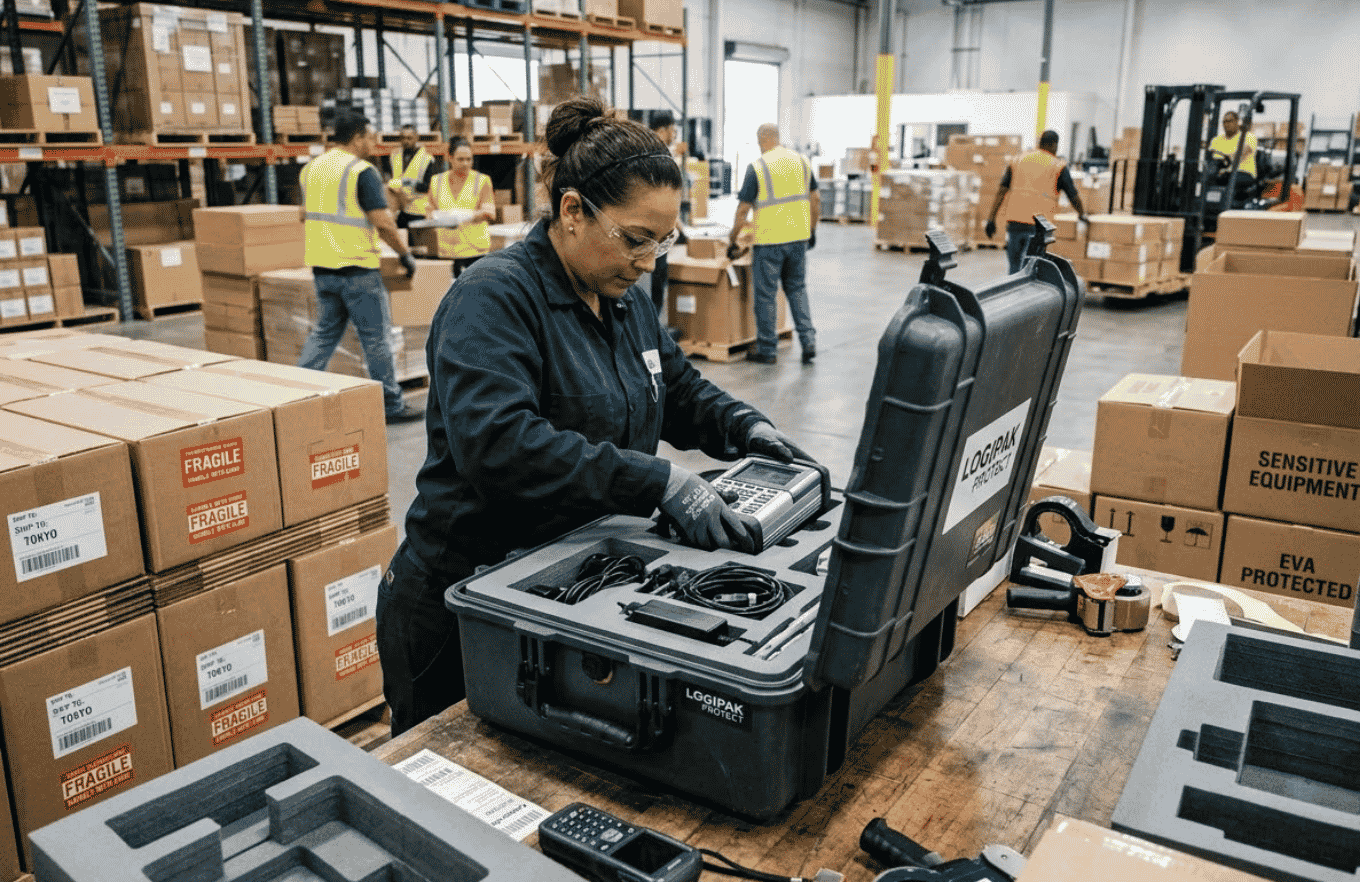
Industrial packaging and product protection rely heavily on choosing materials that offer the right balance of cost, durability, and performance. Two commonly used options in this space are LDPE foam and TPE foam, both widely applied across manufacturing, logistics, automotive, and protective packaging industries. This distinction becomes clear when comparing their properties, as LDPE foam is generally preferred for its affordability and lightweight structure, while TPE foam is chosen for its superior flexibility and long-term durability. Because of these differences, each material is selected based on specific industrial requirements, budget constraints, and performance expectations.
In global supply chains across regions like the USA and Europe, companies depend on reliable suppliers such as Samad Foam to provide consistent and application-specific foam solutions for efficient industrial use.
Before comparing cost efficiency, it is important to understand how both materials function in industrial environments.
LDPE Foam (Low-Density Polyethylene Foam) is a lightweight, flexible, and closed-cell material widely used for packaging, insulation, and cushioning applications. It is known for:
Most importantly, LDPE Foam is widely used in high-volume packaging industries where cost control is essential.
TPE Foam (Thermoplastic Elastomer Foam) is a more advanced material combining rubber-like flexibility with plastic durability. It offers:
Furthermore, TPE Foam is often used in premium applications where performance is prioritized over cost.
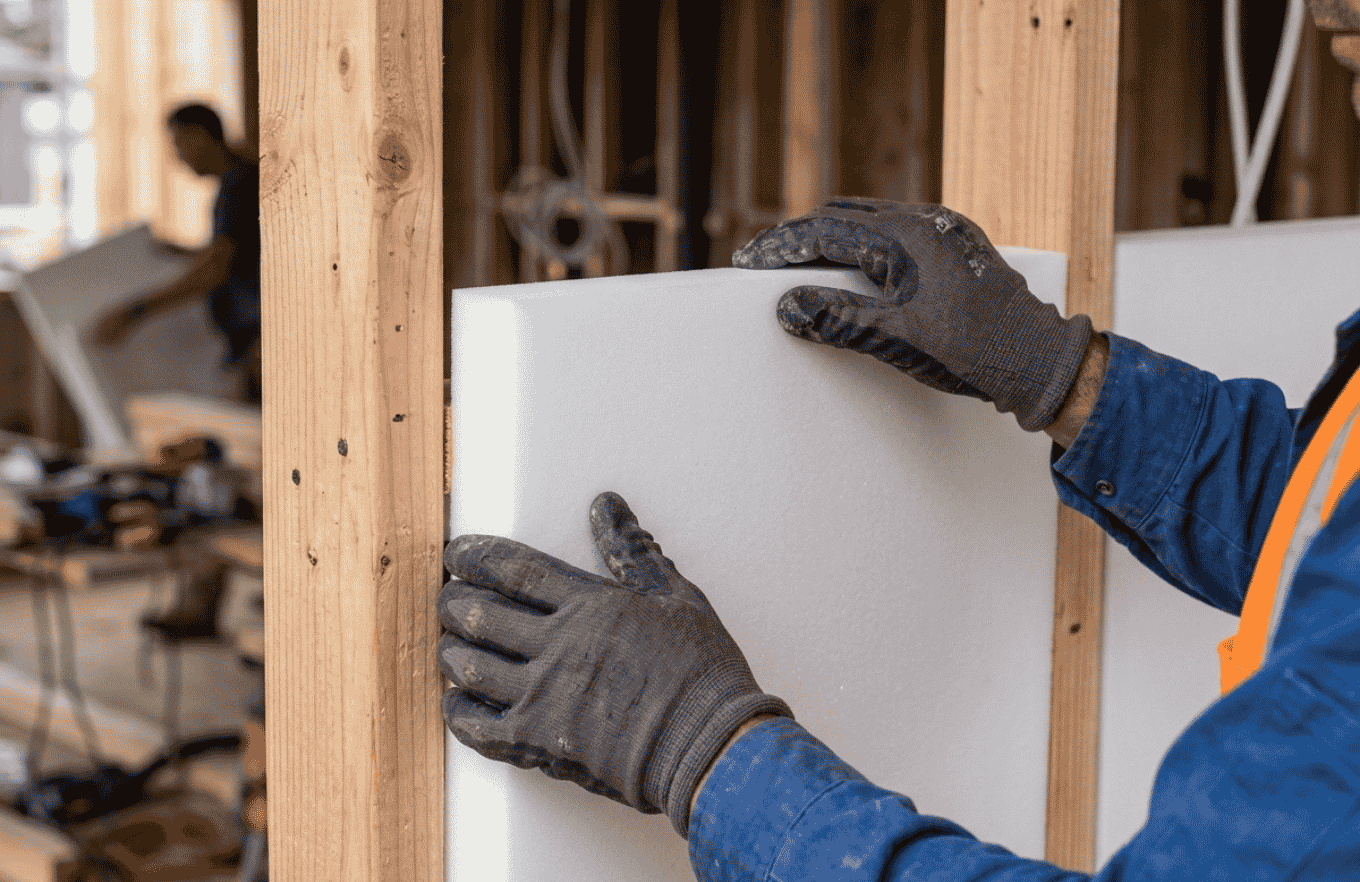
When industries evaluate materials, cost is often the primary deciding factor. However, total lifecycle value is equally important.
LDPE Foam is generally more cost-effective because its raw materials and manufacturing process are simpler. On the other hand, TPE Foam requires more advanced processing techniques, making it more expensive.
Key cost differences include:
Moreover, industries producing high-volume packaging often prefer LDPE Foam due to budget efficiency.
LDPE Foam is easier to cut, shape, and integrate into packaging systems, reducing labor and production time. TPE Foam may require more precision handling due to its material properties.
Cost alone does not determine the best material; performance plays a crucial role in long-term value.
TPE Foam offers superior durability and can withstand repeated use, making it suitable for long-term applications. However, LDPE Foam performs well in single-use or short-cycle packaging systems.
Furthermore, industries must evaluate whether long-term durability offsets higher initial costs.
Both foams provide cushioning, but LDPE Foam delivers excellent cost-efficient shock absorption, while TPE Foam offers enhanced resilience under repeated stress.
Samad Foam supplies both LDPE and TPE-based solutions for industries in the USA and Europe, helping businesses select materials based on performance needs and budget constraints.
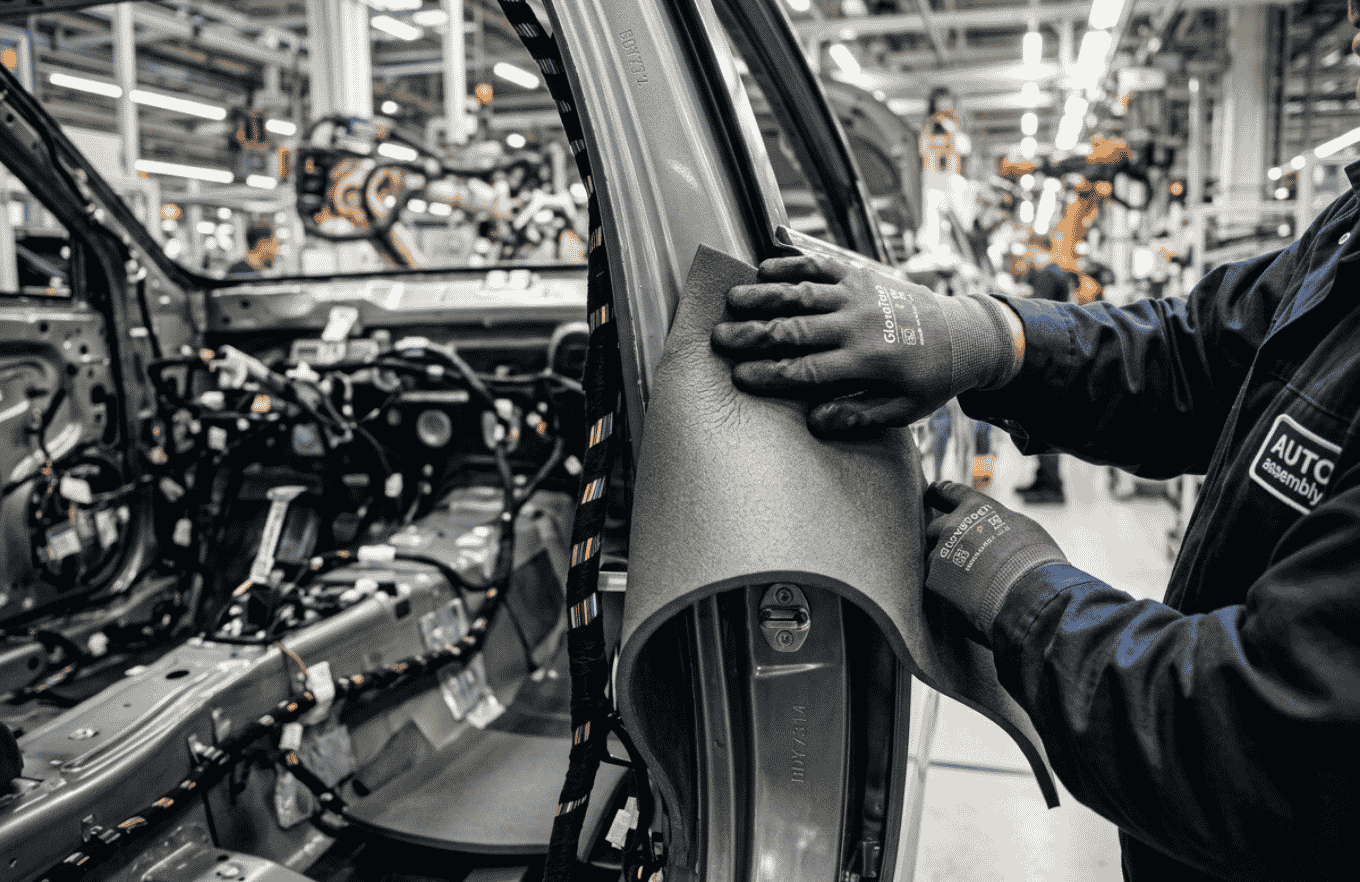
Different industries use these foam types based on operational requirements and cost sensitivity.
LDPE Foam is widely used because it reduces packaging costs while ensuring product protection during transportation.
TPE Foam is preferred for high-performance automotive components where durability and flexibility are essential.
LDPE Foam is commonly used for protective packaging, while TPE Foam is used in premium device components requiring long-lasting material integrity.
LDPE Foam is used for insulation and protective layers due to its affordability and moisture resistance.
Understanding cost efficiency requires looking beyond just material price.
High-volume production favors LDPE Foam because of lower per-unit costs.
TPE Foam reduces replacement frequency due to higher durability, which can offset initial costs in some applications.
Lightweight LDPE Foam reduces shipping costs, which is a major advantage in global supply chains.
Moreover, businesses must consider the total lifecycle cost rather than just the purchase price.
Sustainability also plays a role in modern material selection.
Both LDPE and TPE foams offer recyclable properties depending on processing systems. However, LDPE Foam is more widely recycled in industrial packaging systems.
Modern manufacturers are focusing on reducing carbon footprints by optimizing foam production techniques.
Samad Foam continues to support sustainable material solutions for global clients, ensuring responsible production practices aligned with modern environmental standards.
The foam industry is evolving toward smarter, more efficient materials.
Future developments may combine LDPE and TPE properties for improved cost-performance balance.
Industries are increasingly adopting intelligent packaging systems that integrate advanced foam materials for better protection and efficiency.
Furthermore, companies are prioritizing materials that offer both affordability and long-term performance stability.
Both LDPE Foam and TPE Foam offer distinct advantages depending on industrial requirements. LDPE Foam stands out as the more cost-effective option due to its low production cost, lightweight nature, and efficiency in high-volume packaging applications. Meanwhile, TPE Foam provides superior durability and flexibility for premium or long-term use cases. Moreover, businesses must evaluate total lifecycle value, not just upfront cost, when selecting materials. With global suppliers like Samad Foam supporting industries in the USA and Europe, companies can access reliable foam solutions tailored to both budget and performance needs.
Contact Samad Foam today for cost-effective LDPE Foam and high-performance TPE Foam solutions designed to optimize industrial packaging efficiency and reduce overall material expenses.
LDPE Foam is more cost-effective because it uses simpler raw materials and manufacturing processes, making it ideal for large-scale industrial applications.
TPE Foam should be chosen when durability, flexibility, and long-term reuse are more important than initial material cost.
Yes, many industries use both materials depending on application requirements, balancing cost efficiency with performance needs across different product lines.
.svg)

.svg)