LDPE Foam has become a widely preferred material in industries that require reliable cushioning, insulation, and protective packaging. Compared to TPE Foam, LDPE Foam offers a unique balance of flexibility, durability, and cost efficiency that makes it suitable for a variety of applications. Its lightweight nature and closed-cell structure allow it to perform effectively in environments where shock absorption and moisture resistance are essential.
In global markets such as the USA and Europe, demand for LDPE Foam continues to grow due to its versatility and consistent performance. Companies like Samad Foam supply high-quality LDPE Foam solutions tailored to industrial, commercial, and export requirements. Understanding the differences between LDPE Foam and TPE Foam helps businesses select the right material based on performance needs, budget, and application type.
LDPE Foam is made from Low-Density Polyethylene, known for its lightweight structure and closed-cell composition. This structure provides excellent cushioning, moisture resistance, and thermal insulation. It is commonly used in packaging, construction, and protective applications. Samad Foam produces LDPE Foam with consistent quality standards suitable for both domestic and international markets.
TPE Foam, or Thermoplastic Elastomer Foam, combines the properties of rubber and plastic. It offers flexibility and elasticity but is generally more complex and expensive to produce. While TPE Foam is used in specialized applications, it does not always match the cost efficiency and widespread usability of LDPE Foam.

LDPE Foam is significantly more cost-effective compared to TPE Foam. Its production process is simpler, which reduces manufacturing costs and makes it more accessible for large-scale applications. Samad Foam ensures competitive pricing while maintaining consistent quality for bulk orders.
LDPE Foam is extremely lightweight, making it ideal for applications where weight reduction is important, such as packaging and logistics. TPE Foam, while flexible, tends to be denser and heavier in comparison.
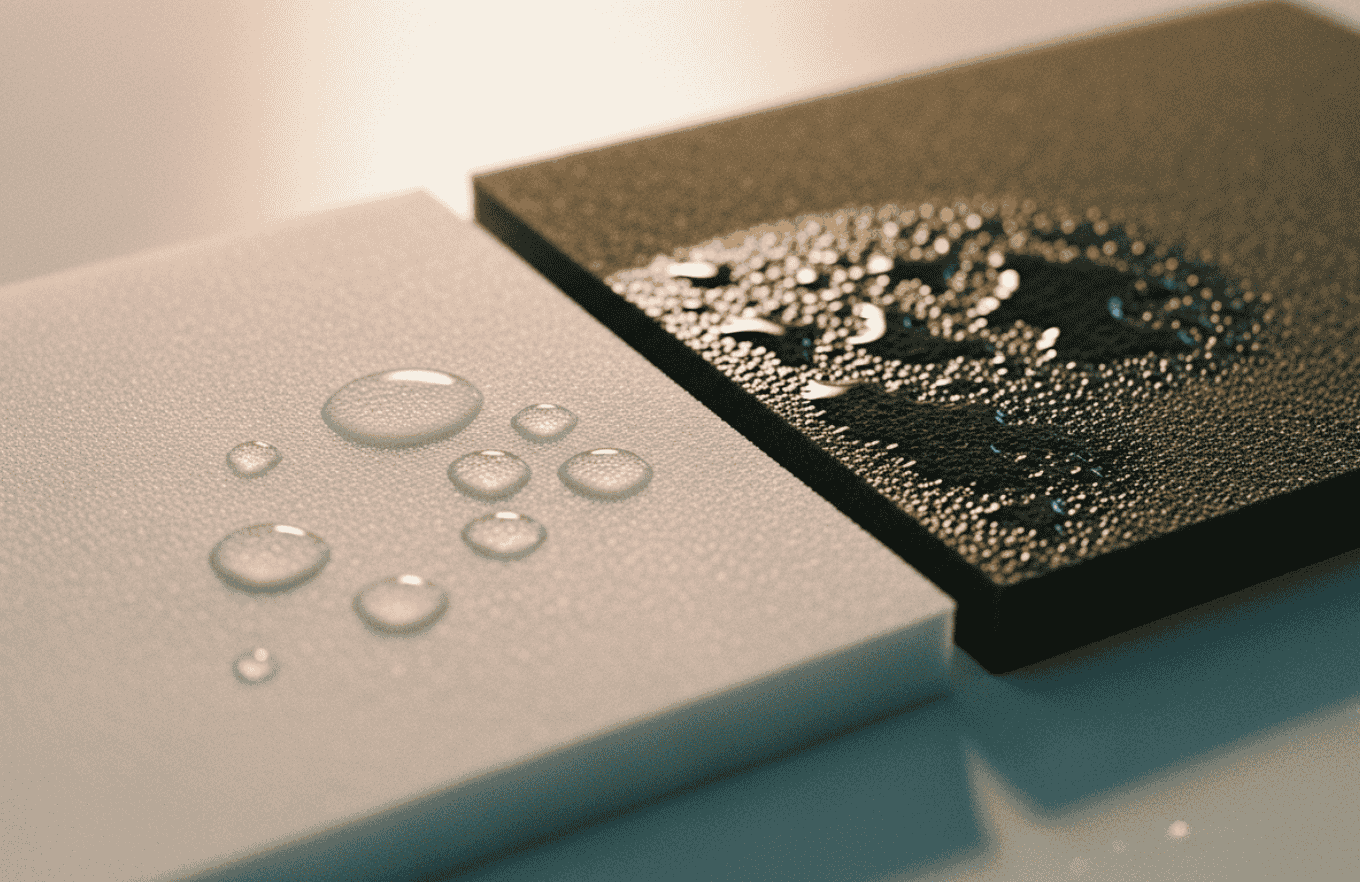
The closed-cell structure of LDPE Foam prevents water absorption, making it highly resistant to moisture, humidity, and environmental exposure. This makes it suitable for outdoor and packaging applications where protection from moisture is critical.
LDPE Foam provides effective thermal insulation, helping maintain temperature stability in various environments. This property is particularly useful in construction and cold-chain packaging applications. Samad Foam integrates LDPE Foam solutions that perform well under temperature variations across regions like Europe and beyond.
LDPE Foam offers excellent durability for general-purpose applications. While TPE Foam may provide higher elasticity in specific cases, LDPE Foam maintains stable performance over time without significant degradation.
TPE Foam is known for its high elasticity, which is useful in specialized applications requiring repeated stretching. However, LDPE Foam still provides adequate flexibility while maintaining structural integrity, making it more practical for everyday use cases.
LDPE Foam is easier to cut, shape, and mold into various forms. This makes it suitable for custom packaging inserts, insulation panels, and protective layers. Samad Foam offers tailored LDPE Foam solutions designed for different industrial requirements.
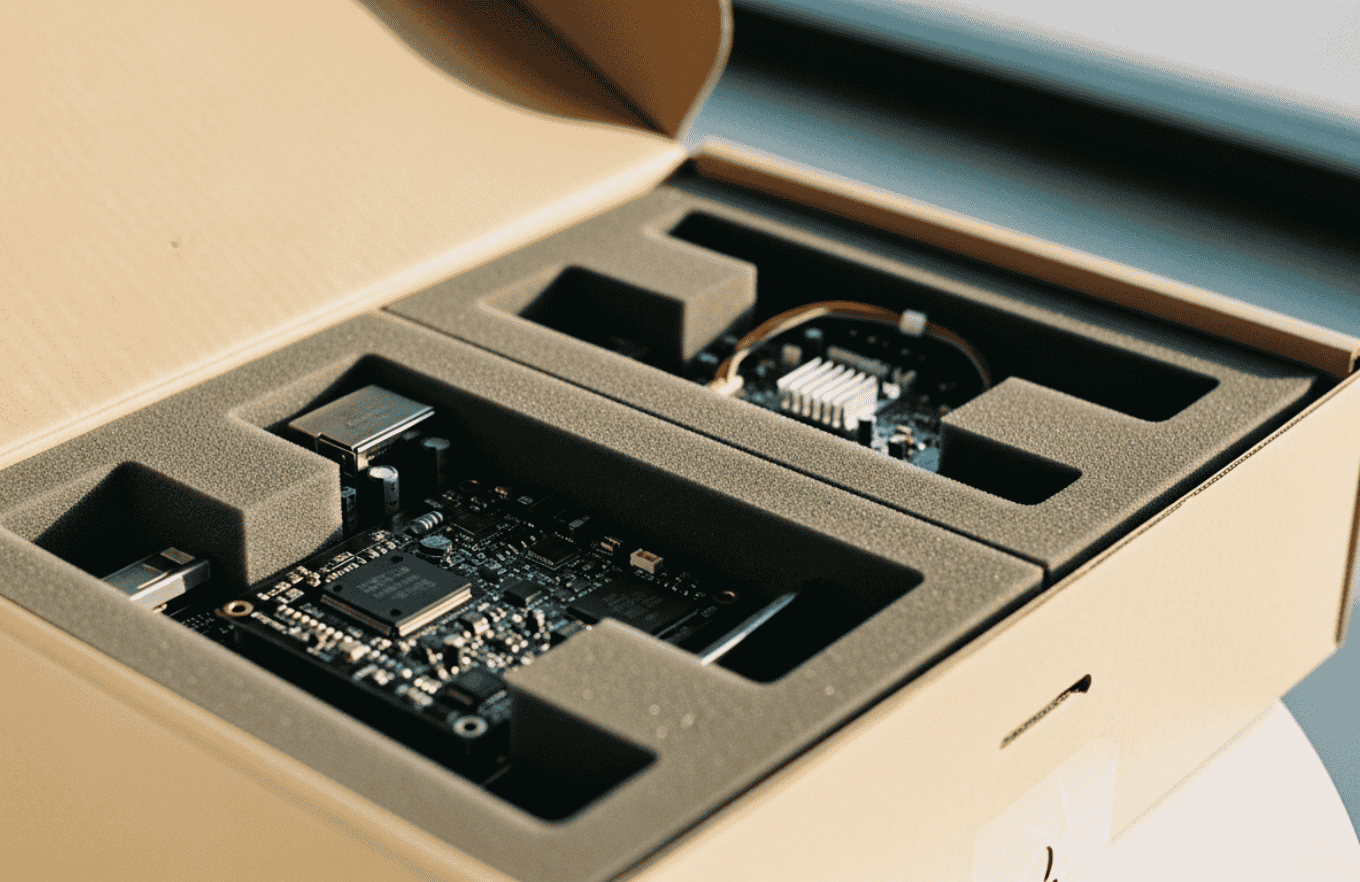
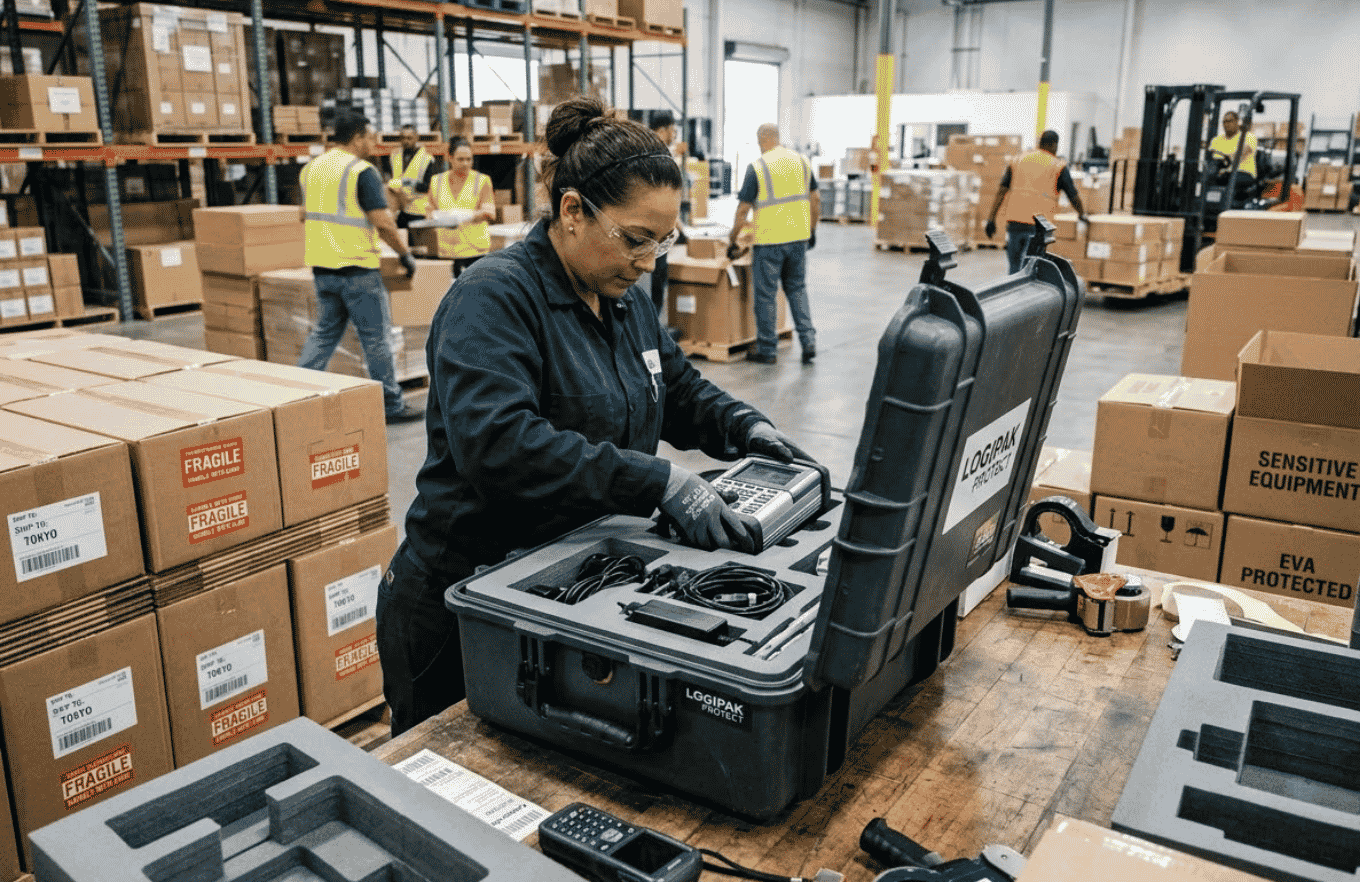
LDPE Foam is widely used for protecting fragile goods during shipping. Its cushioning properties reduce impact and vibration, making it a preferred choice for electronics, glassware, and industrial components.
In construction, LDPE Foam is used for insulation, expansion joints, and soundproofing. Its thermal resistance and moisture barrier properties make it reliable for long-term applications.
LDPE Foam is used in automotive interiors, vibration dampening, and protective padding. Its ability to withstand repeated stress makes it suitable for demanding environments. Samad Foam supplies LDPE Foam products that meet industrial-grade requirements in markets like the USA.
For businesses operating at scale, LDPE Foam offers a more economical solution compared to TPE Foam. Its lower production cost makes it suitable for bulk usage without compromising performance.
If the application requires high elasticity and rubber-like behavior, TPE Foam may be considered. However, for most cushioning, insulation, and packaging needs, LDPE Foam remains the more practical choice.
LDPE Foam is widely available and easier to source consistently. Samad Foam ensures reliable supply and production capacity to meet ongoing demand from global clients.
LDPE Foam can be produced with recycled content, making it an environmentally responsible option. Its durability also reduces the need for frequent replacement, contributing to material efficiency. While TPE Foam is recyclable in some cases, its production complexity can limit widespread adoption.
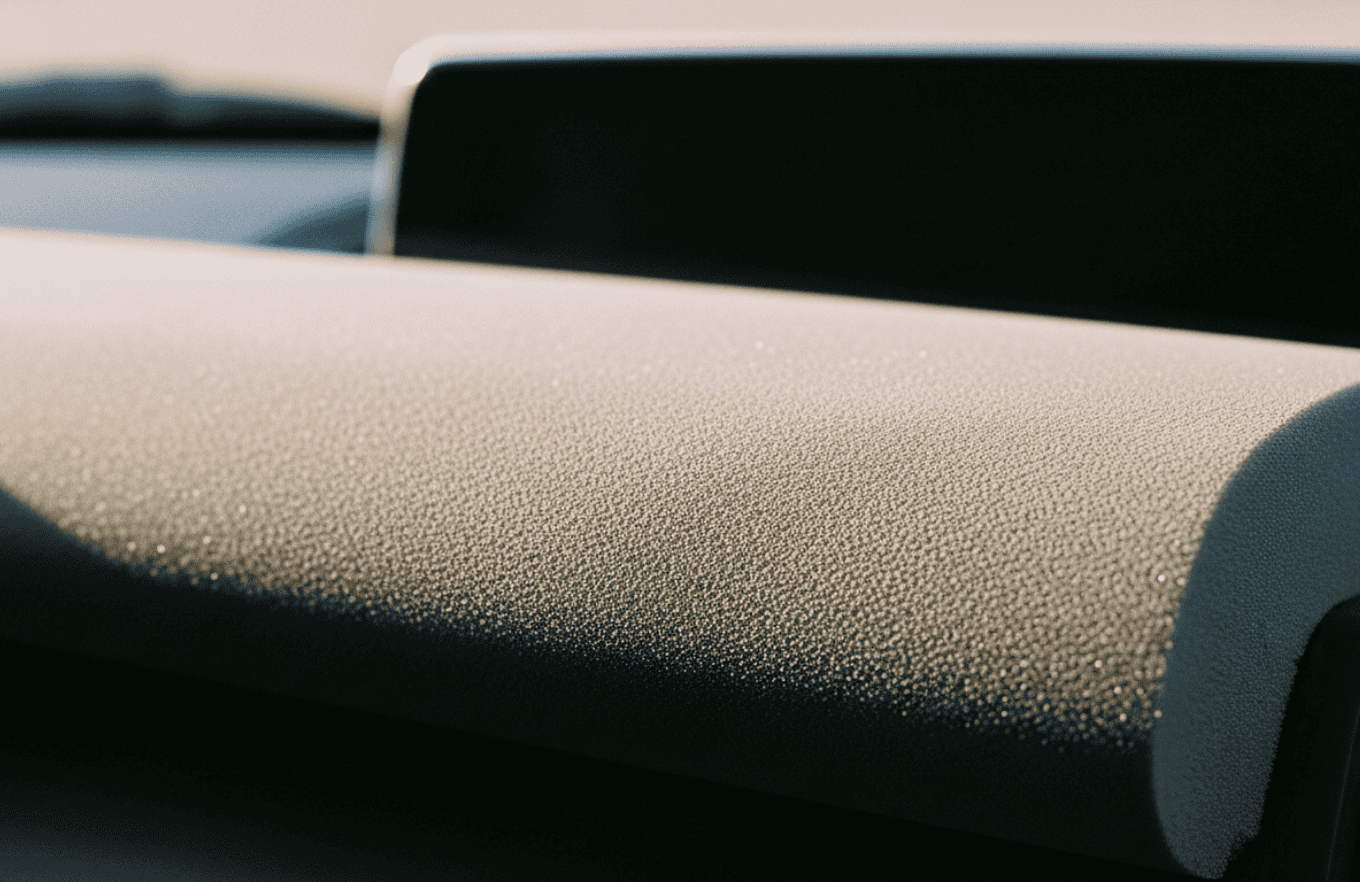
LDPE Foam continues to dominate in industries that prioritize cost, versatility, and reliability. Its balance of performance characteristics makes it suitable for a wide range of applications without requiring specialized handling or processing. Samad Foam supports businesses by delivering LDPE Foam solutions that align with both performance expectations and budget considerations.
Contact Samad Foam today to explore premium LDPE Foam solutions designed for reliable performance, cost efficiency, and diverse industrial applications.
LDPE Foam offers several advantages over TPE Foam, particularly in terms of cost efficiency, moisture resistance, lightweight structure, and ease of processing. While TPE Foam may serve niche applications requiring high elasticity, LDPE Foam remains the more practical and versatile choice for most industries.
With growing demand across regions like the USA and Europe, LDPE Foam continues to play a key role in packaging, construction, and industrial applications. Companies like Samad Foam provide dependable LDPE Foam solutions that help businesses achieve consistent performance, scalability, and long-term value.
LDPE Foam is lightweight, cost-effective, and moisture resistant, while TPE Foam is more elastic but generally more expensive and less commonly used for general applications.
Yes, LDPE Foam is widely used in packaging due to its cushioning properties and ability to absorb shocks and vibrations effectively.
LDPE Foam is commonly used for thermal and sound insulation in construction and industrial applications due to its closed-cell structure and resistance to moisture.
.svg)

.svg)