Packaging today is no longer just about wrapping and shipping. It is about protection, sustainability, and cost efficiency working together. One of the biggest questions buyers and manufacturers ask is whether Packaging Foam made from recycled Foam can truly match the performance of virgin materials.
The short answer is yes, in many cases, it can perform just as well, depending on the application and manufacturing quality. However, the details matter. Density, structure, and processing standards all influence results. In this article, we break down how recycled materials compare, where they excel, and when traditional options might still be preferred.
Across global supply chains in the USA and Europe, companies like Samad Foam are increasingly adopting sustainable solutions without compromising quality. Let’s explore what actually makes this possible.
Packaging Foam is a cushioning material used to protect goods during storage and transport. It absorbs shocks, reduces vibration, and prevents surface damage.
Traditionally, packaging solutions were made from virgin polymer-based Foam, designed for high durability and consistent structure.
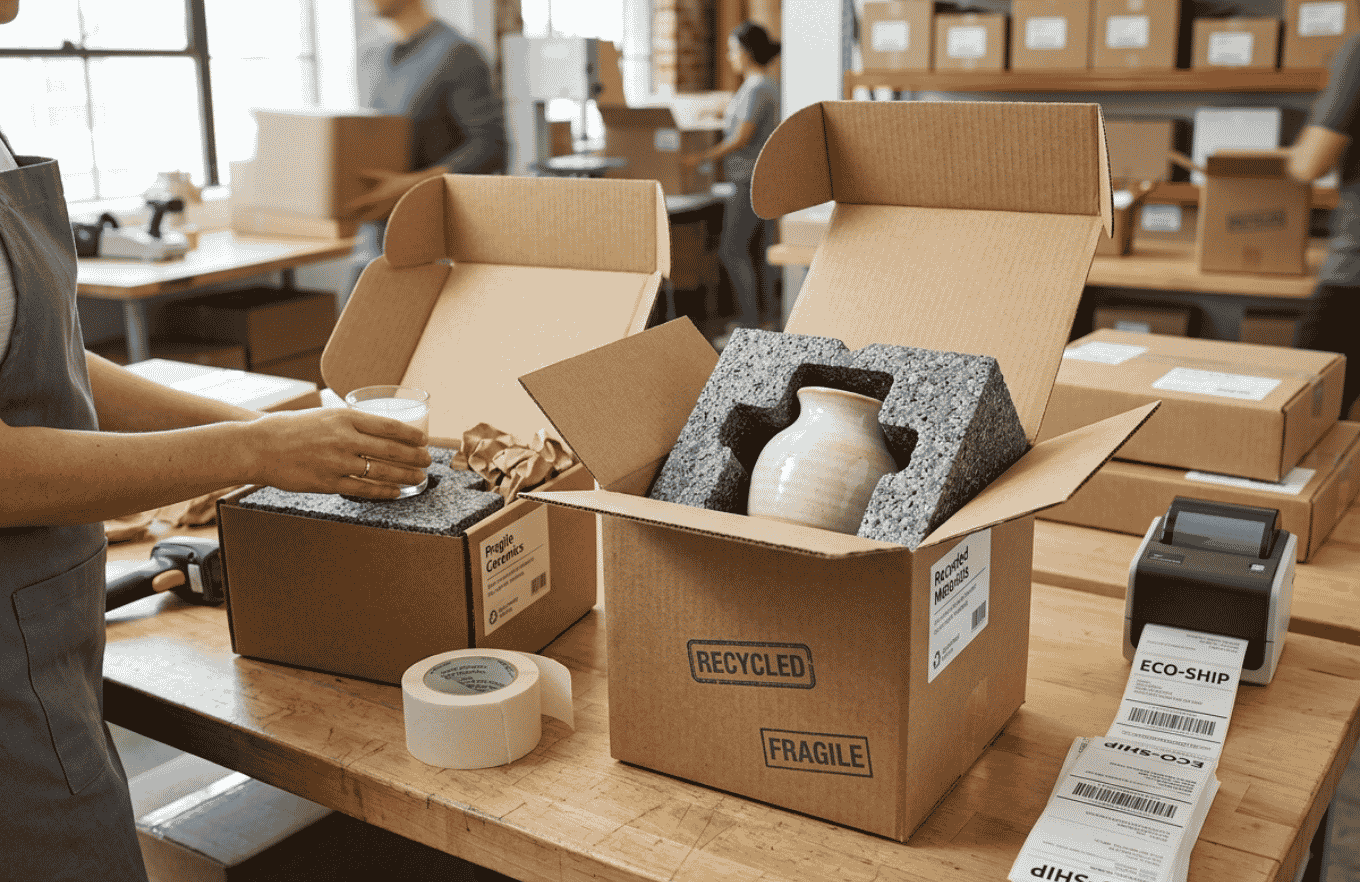
Recycled Foam is created by processing used foam waste, breaking it down, and reforming it into new cushioning products. Modern technology ensures that quality loss is minimal when properly manufactured.
In many cases, companies like Samad Foam use advanced processing systems to maintain uniform density and strength in recycled variants.

The effectiveness of recycled materials depends on the end-use case. In controlled manufacturing environments, performance can be surprisingly close to virgin-grade Foam.
One of the most important functions of Packaging Foam is impact protection. High-quality recycled Foam can still provide excellent cushioning for electronics, furniture, and industrial goods.
Compression recovery refers to how well foam returns to its original shape after pressure. Advanced recycling techniques allow modern Foam to maintain strong recovery rates, making it suitable for repeated handling.
While recycled materials may slightly vary in consistency, properly engineered Packaging Foam can still handle heavy loads effectively, especially in short to medium transport cycles.
There are several reasons industries are shifting toward recycled alternatives.
Recycled Foam reduces landfill waste and lowers the demand for new raw materials. This supports circular economy goals, especially in the USA and Europe, where sustainability regulations are strict.
Recycled materials often reduce production costs, making them attractive for large-scale packaging operations without sacrificing essential performance.
Using recycled inputs reduces dependency on raw material fluctuations, offering more predictable manufacturing output.
Well, Samad Foam is increasingly balancing cost, sustainability, and performance in its product lines.
While recycled materials are highly effective, there are specific situations where virgin Foam remains the best option.
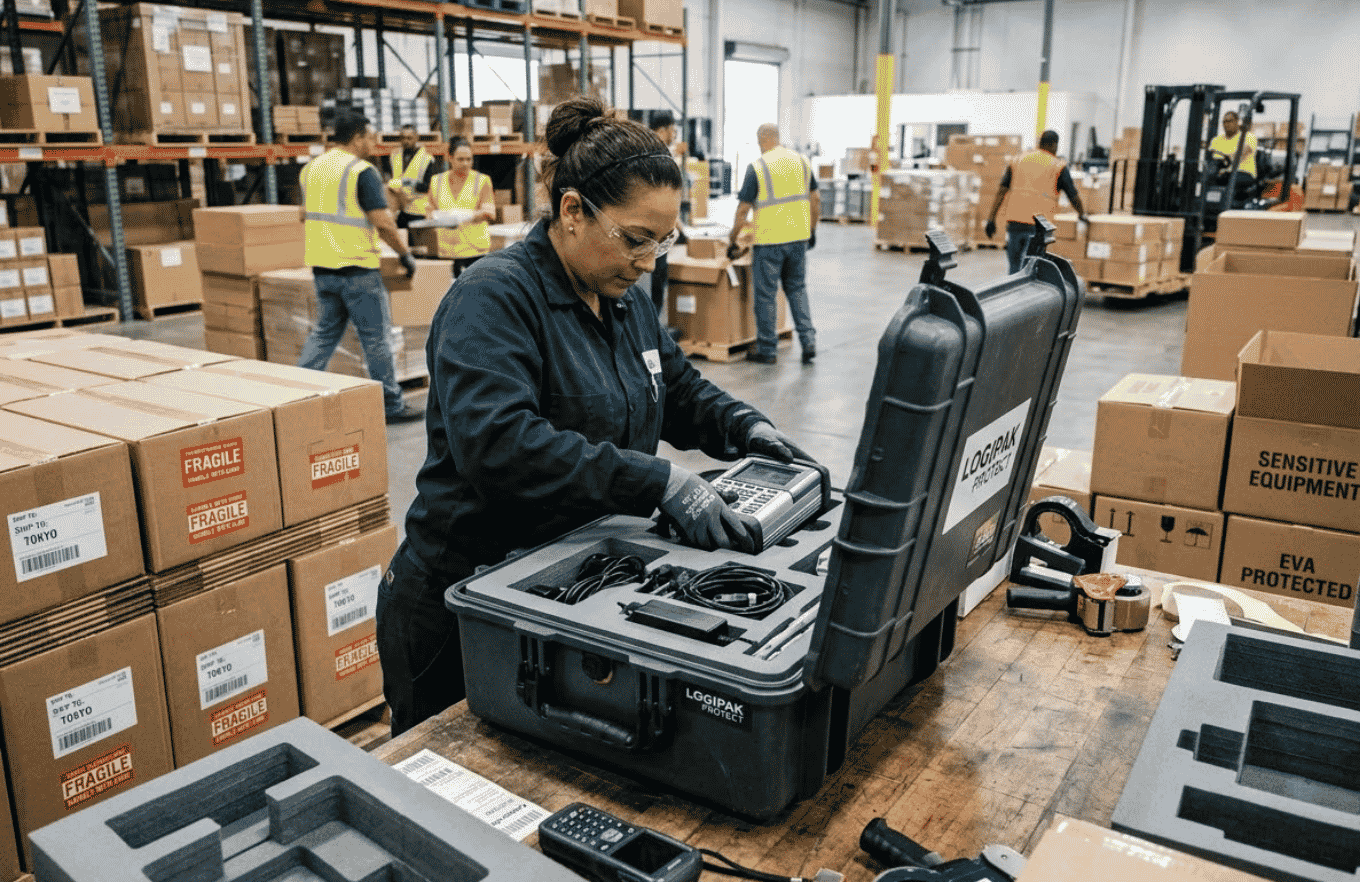
For extremely sensitive equipment like medical devices or aerospace components, virgin Foam may provide more consistent structural integrity.
Some recycled materials may show slight variation under extreme heat or cold, where virgin formulations maintain tighter performance control.
For long-duration storage where deformation resistance is critical, virgin-grade Packaging Foam can sometimes outperform recycled alternatives.
Not all recycled Foam is the same. Several factors influence performance quality.
The source of recycled Foam significantly impacts final performance. Clean, well-sorted material produces better results.
Advanced processing systems improve density consistency and structural integrity.
Higher-density Foam generally provides better protection, whether recycled or virgin.
Samad Foam applies controlled production standards to ensure reliable performance across both categories.
The packaging industry is shifting rapidly toward eco-friendly solutions. Governments and businesses in Europe and the USA are encouraging reduced plastic waste and increased recycling.
Recycled Foam plays a major role in this transformation, especially in industries like e-commerce, electronics, and logistics. As demand grows, manufacturers are investing more in hybrid materials that combine durability with environmental responsibility.
So, is Packaging Foam made from recycled materials as effective? In most standard packaging applications, yes. It offers strong protection, cost benefits, and environmental advantages. While virgin Foam still has advantages in highly specialized cases, recycled options are now a reliable mainstream choice.
With continuous innovation, companies like Samad Foam are proving that sustainability and performance can work together without compromise.
Contact Samad Foam today for sustainable Packaging Foam solutions designed to protect products efficiently while supporting eco-friendly manufacturing goals globally.
Yes, high-quality recycled Foam provides reliable cushioning for most fragile goods when properly engineered.
Yes, it generally lowers material costs while maintaining acceptable performance standards for many industries.
Virgin Foam may offer slightly higher consistency, but recycled Foam performs well in most commercial applications.
.svg)

.svg)