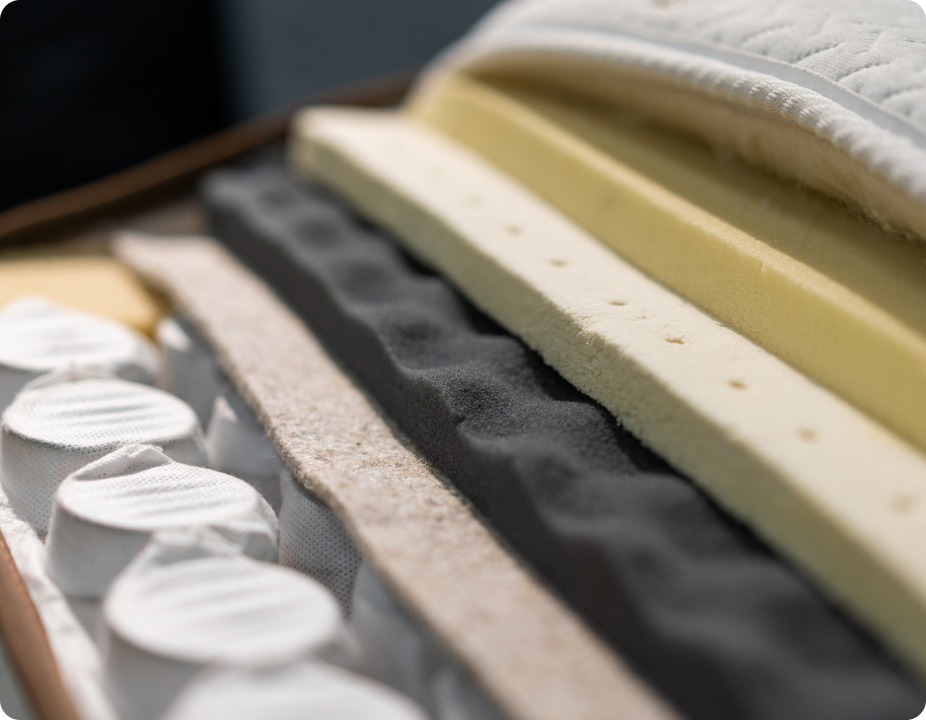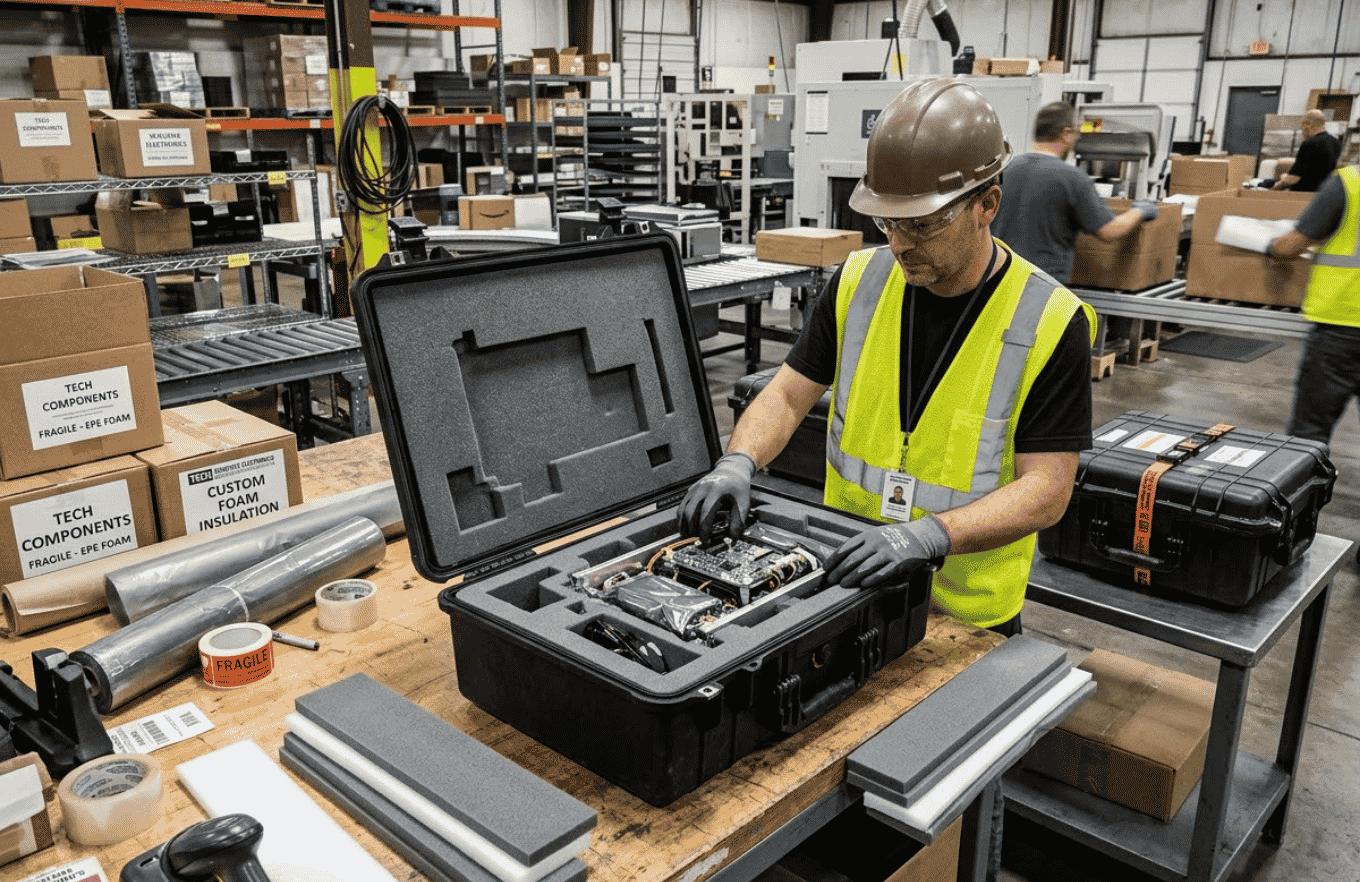
Modern design is changing. Architects, manufacturers, and product developers are increasingly looking for materials that combine performance with more responsible resource use. Closed-Cell Foam fits into this conversation because its lightweight structure, durability, moisture resistance, and insulating properties can support efficient product and building designs. Instead of treating sustainability as a separate feature, designers can consider how a material performs throughout its useful life.
From protective packaging and insulation to flooring, automotive components, and specialized industrial applications, foam can solve practical problems without adding unnecessary bulk. Samad Foam provides foam solutions for applications where performance, flexibility, and material efficiency are important considerations.
But what makes closed-cell construction relevant to sustainable design? In this blog, we are going to examine how durability, lightweight construction, insulation, moisture resistance, and responsible material management can influence the overall environmental profile of modern products.
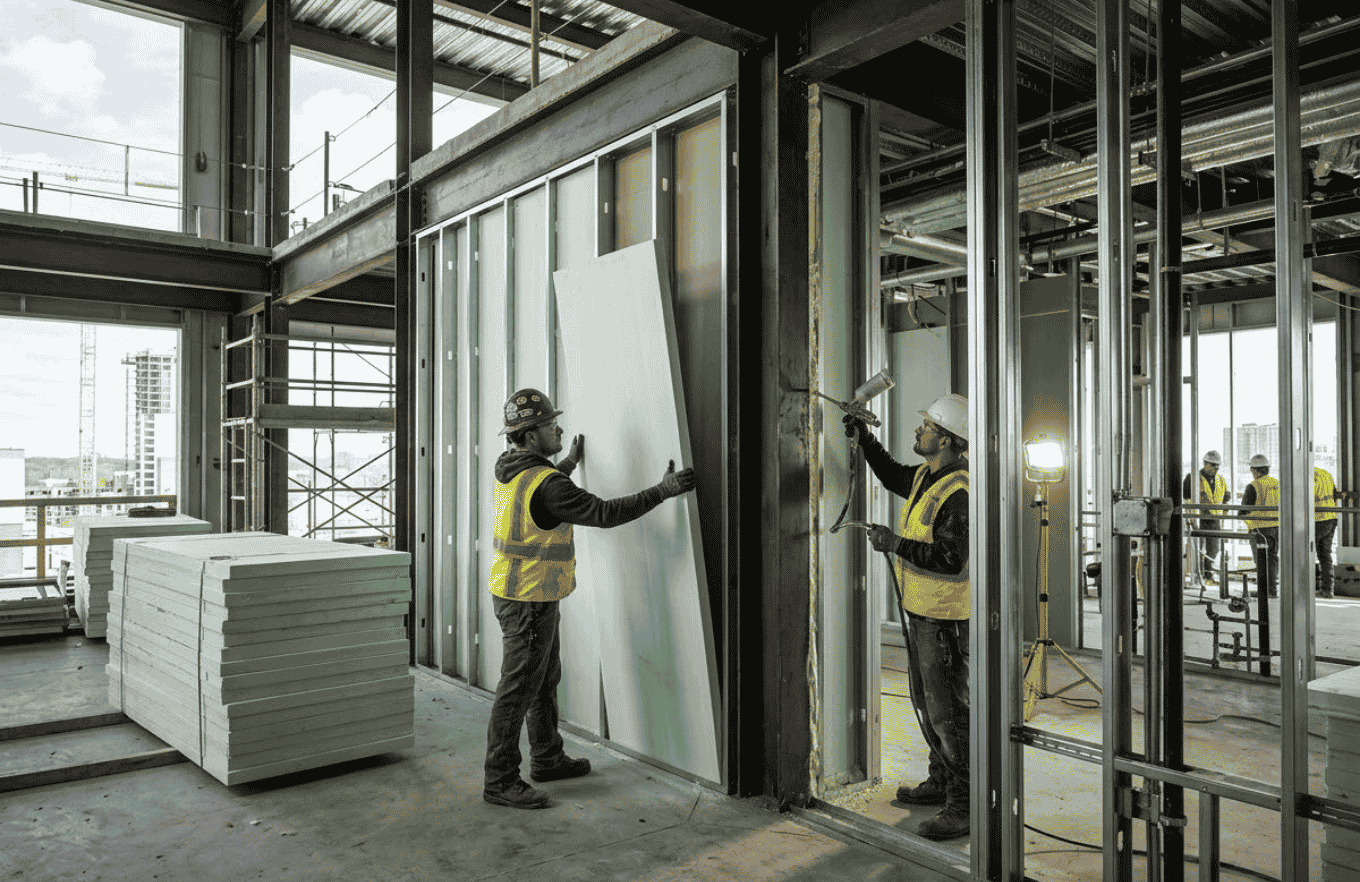
One of the simplest sustainability advantages of foam is its lightweight nature. A material that delivers useful cushioning, insulation, or protection without excessive mass can help designers manage material requirements more efficiently.
This matters during manufacturing, handling, and transportation. Lower-weight components can be easier to move and install, while lightweight finished products may require less energy to transport than heavier alternatives.
For large-scale production, these small efficiencies can become meaningful. A manufacturer producing thousands of components may benefit from reducing unnecessary weight while maintaining the performance expected from the finished product.
The cellular structure provides designers with an opportunity to create functional products without being excessively heavy. This can be particularly useful where portability, packaging efficiency, or installation speed matters.
Sustainability is not only about what goes into a product. It is also about how long that product remains useful.
Closed-Cell Foam can offer resilience and resistance to everyday environmental stresses, depending on its formulation and application. When a material continues to perform under repeated use, products may require fewer replacements over their service life.
That can reduce the demand for additional raw materials, manufacturing, transportation, and packaging. In simple terms, a durable component can help a product stay useful for longer.
Samad Foam develops foam solutions for different performance requirements, allowing material selection to focus on the actual demands of an application rather than relying on a one-size-fits-all approach.
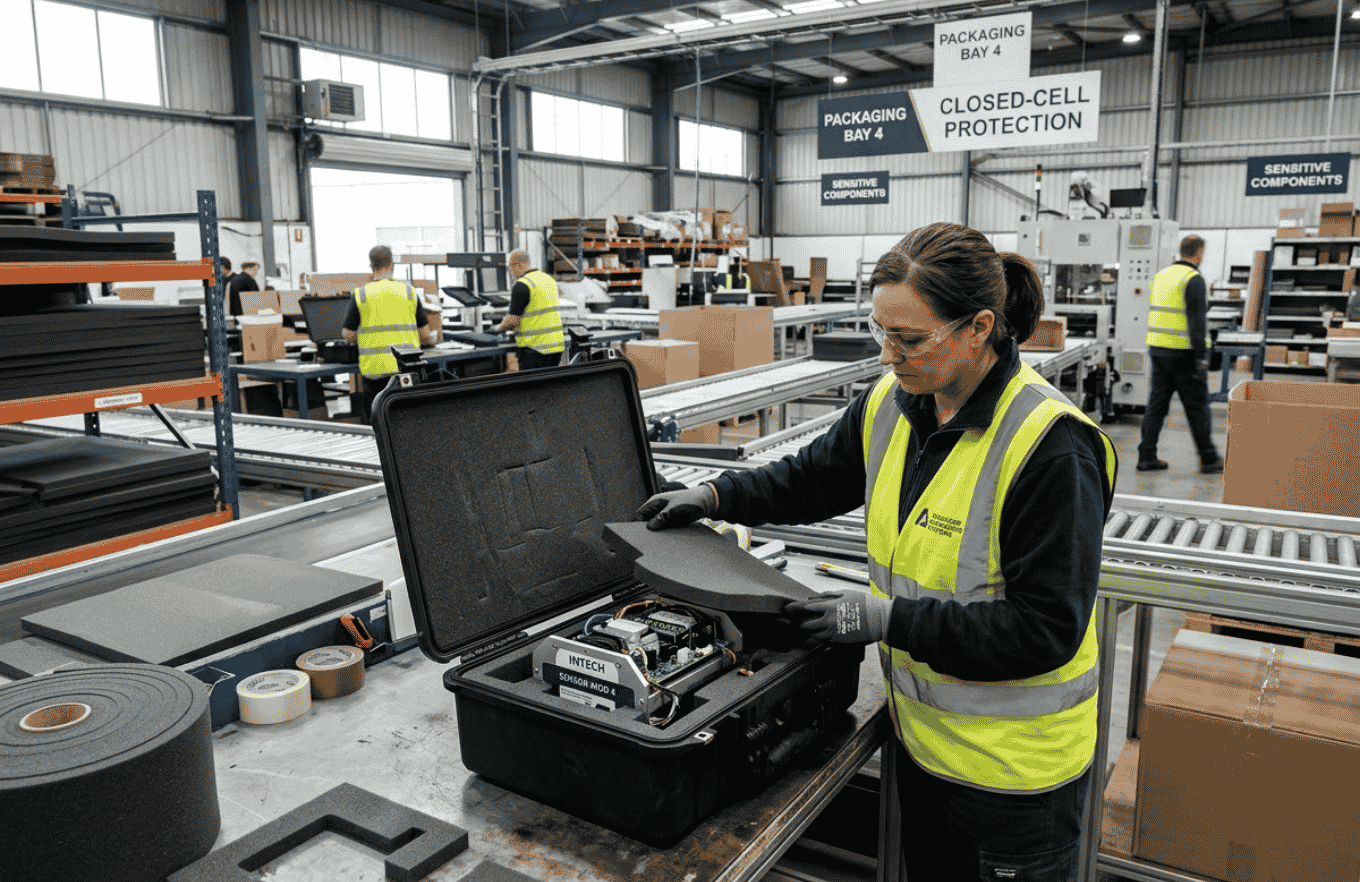
Moisture can be a serious challenge for many materials. Prolonged exposure to water can contribute to deterioration, staining, odor, or loss of performance in unsuitable materials.
The closed-cell structure limits water absorption compared with many open-cell materials. This characteristic can make the material useful in environments where humidity, occasional moisture, or exposure to water needs to be considered.
For designers, this can mean greater flexibility when selecting materials for demanding environments. It can also help reduce premature deterioration where moisture would otherwise shorten component life.
Another valuable characteristic is thermal insulation. Foam materials can help slow heat transfer, making them useful in applications where temperature management matters.
In buildings, equipment, transportation, and industrial systems, effective insulation can help maintain desired temperatures and potentially reduce energy requirements for heating or cooling.
This is where material selection becomes part of a larger sustainability strategy. A component does not need to be marketed as a “green product” to contribute to efficiency. Sometimes, simply performing an essential function effectively for an extended period creates meaningful value.
Samad Foam supplies solutions for international applications, including markets across Europe where designers and manufacturers increasingly consider resource efficiency and product longevity when evaluating materials.
In the USA, similar considerations can influence choices for packaging, construction, transportation, and industrial products. The specific environmental benefit, however, depends on how the material is manufactured and used.
No material should be considered sustainable based on one characteristic alone. End-of-life management, manufacturing waste, formulation, and available recycling systems all influence the bigger picture.
Recycled Foam can be relevant where recovered material can be incorporated into suitable applications. Using recycled content or managing production scrap responsibly can help manufacturers reduce unnecessary waste, although the feasibility depends on material type and processing requirements.
Designers should therefore ask practical questions about material composition, expected service life, production waste, and disposal pathways before making sustainability claims.
Good sustainable design starts with solving the actual problem. Selecting a material that is unnecessarily heavy, short-lived, or poorly suited to the environment can create avoidable resource consumption.
A better approach is to evaluate the complete application. Consider expected loads, temperature conditions, moisture exposure, required thickness, durability, insulation needs, and intended service life.
Most importantly, sustainability should complement performance. If a material fails early, the environmental cost of replacement can undermine the benefit of selecting it initially.
Samad Foam can help businesses evaluate foam options according to application requirements, performance expectations, and material considerations.
The sustainability potential of foam comes from several characteristics working together. Lightweight construction can support efficient transportation and handling, while durability can extend product lifecycles. Moisture resistance can help protect performance, and insulation can contribute to energy-efficient applications.
When paired with responsible manufacturing and suitable end-of-life management, Recycled Foam and other efficient material approaches can become part of a broader strategy for more thoughtful modern design.
Contact Samad Foam today for efficient foam solutions tailored to your product, performance, durability, and sustainable design requirements worldwide.
Its lightweight structure, durability, moisture resistance, and insulation capabilities can help designers create efficient products with potentially longer service lives.
Yes, where the material formulation and application are suitable. Recycled content can help reduce reliance on new raw materials, although performance and processing requirements should always be evaluated.
Its closed-cell structure generally provides low water absorption compared with open-cell foam, making it useful for applications where moisture exposure is a concern.
.svg)

.svg)