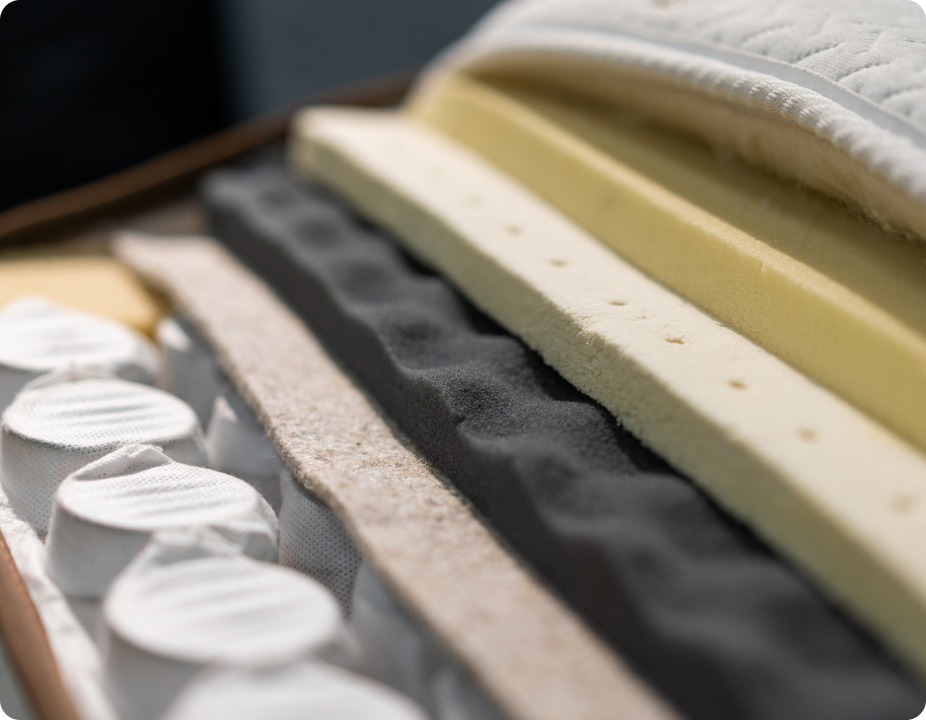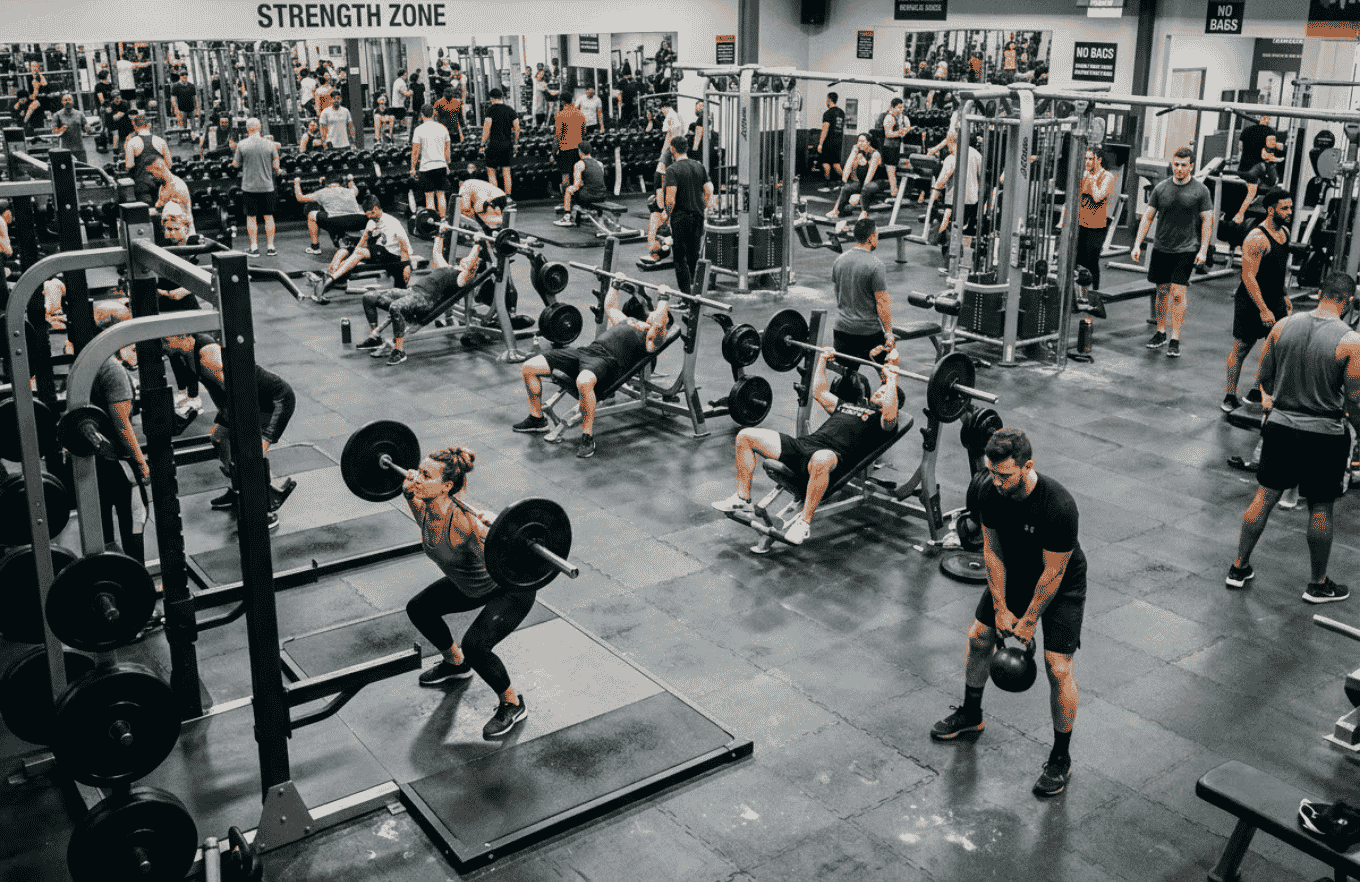
Choosing the right flooring thickness can make a noticeable difference in comfort, protection, durability, and everyday usability. For gyms, playrooms, workshops, studios, and home exercise areas, EVA Foam provides a lightweight and versatile flooring option that can be adapted to different environments. However, thickness should not be selected simply because a thicker mat appears stronger or more comfortable.
The right specification depends on foot traffic, equipment weight, activity level, surface conditions, and the type of protection required. EVA Mats can provide practical cushioning, but their performance depends on choosing a suitable thickness and material specification. Samad Foam supplies foam solutions for different applications and international markets. In this blog, we explain how to approach thickness selection and what to consider before making a purchase.
Thickness affects how a mat feels and responds to pressure. A thinner option may work well for light activities where users primarily need a comfortable surface, while a thicker construction can provide additional cushioning where impact or equipment loads are greater.
However, excessive thickness can sometimes make a surface feel less stable. Therefore, the goal should be to match thickness with the actual requirements of the space rather than automatically choosing the thickest available option.
Different spaces place different demands on flooring. A home stretching area may have relatively low impact, while a commercial fitness studio can experience continuous foot traffic and repeated movement.
For exercise areas involving jumping, floor exercises, or equipment, consider how much cushioning users actually need. In children's play areas, impact protection and comfort may receive greater attention. Workshops may instead prioritize resistance to everyday wear and practical handling.
Samad Foam can help businesses consider application requirements when selecting suitable foam specifications.
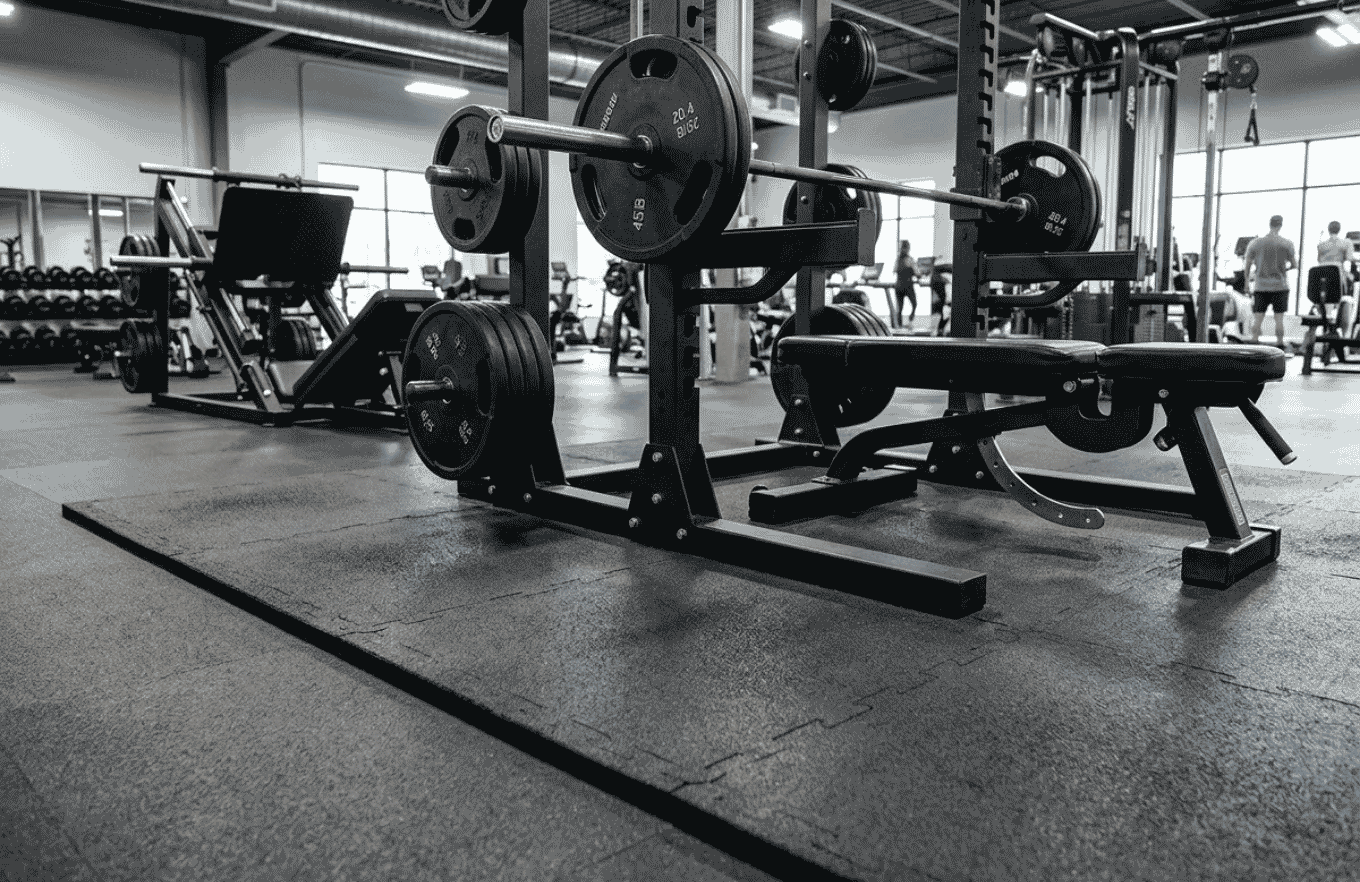
The weight of equipment can influence flooring performance. Gym machines, benches, storage units, and other heavy objects can place continuous pressure on specific areas.
Before selecting EVA Mats, consider both static and dynamic loads. A mat that performs well under normal foot traffic may respond differently beneath concentrated equipment weight.
The underlying floor should also be considered because uneven or rough surfaces can affect the finished installation.

Comfort is important, but flooring also needs to provide stability. Very soft or thick flooring may feel comfortable initially but can affect balance during exercises that require controlled movement.
For spaces used for yoga, stretching, light fitness, or general exercise, a balanced specification can provide useful cushioning without making the surface unnecessarily unstable. Most importantly, consider how users will interact with the floor rather than judging thickness by appearance alone.
A busy commercial facility can place significantly more stress on flooring than a home environment. Repeated walking, equipment movement, cleaning, and daily use can gradually affect the material.
For businesses serving customers in Europe, Samad Foam can support discussions around application-specific foam requirements for different flooring projects. The expected usage pattern should always be communicated before final material selection.
One of the most practical ways to choose the right thickness is to test samples in the actual environment. Place the material where it will be used and evaluate comfort, stability, equipment response, and overall fit.
For international customers supplying products in the USA, testing can also help confirm that the selected specification meets the practical expectations of the intended market.
A sample-based decision is often more reliable than selecting a thickness based only on a product description.
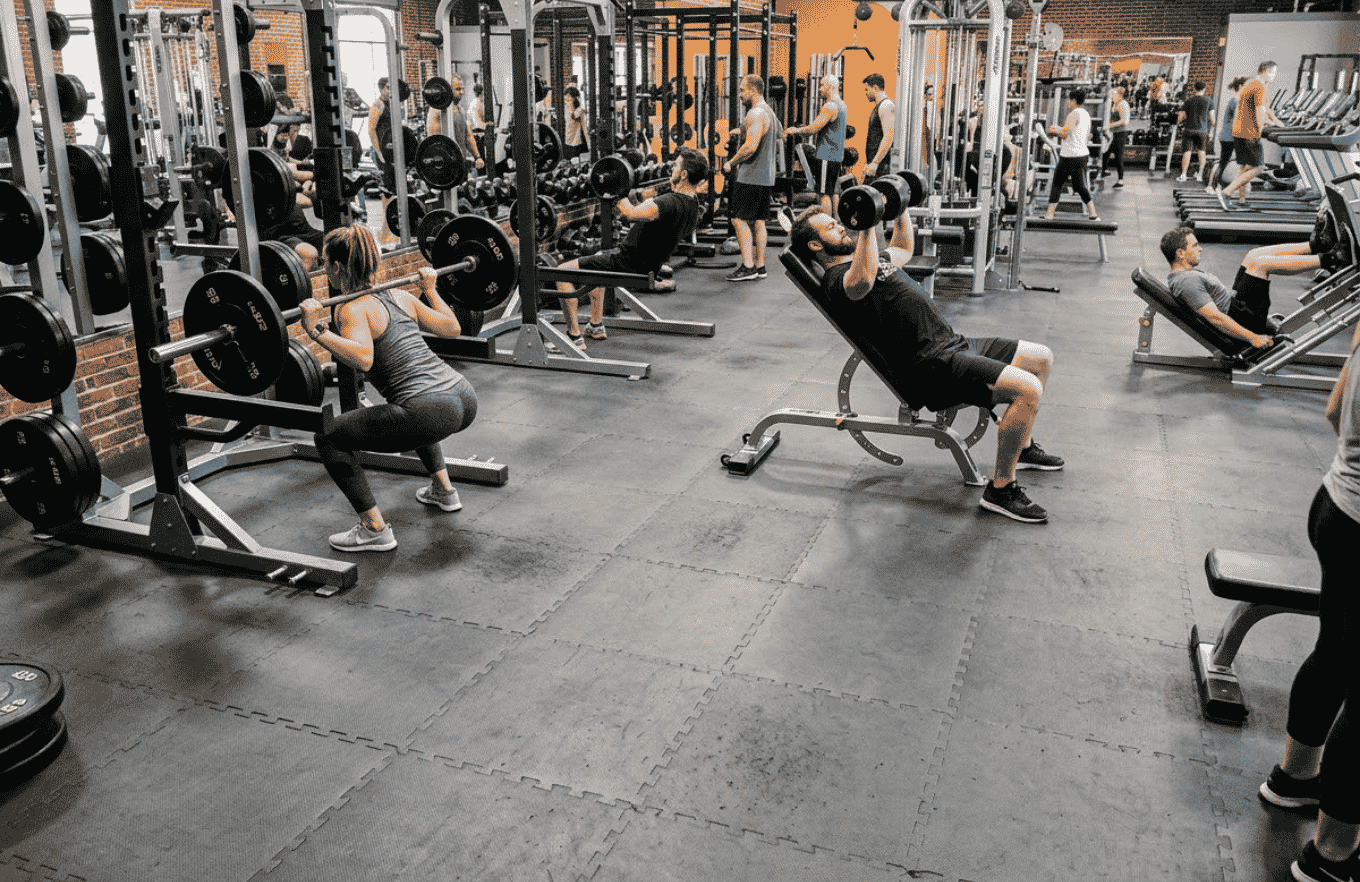
When evaluating EVA Foam for flooring, consider these factors together:
● Type and intensity of activity
● Expected foot traffic
● Equipment and load requirements
● Desired cushioning
● Surface stability
● Existing floor condition
● Cleaning and maintenance needs
● Expected service life
This approach makes it easier to select a specification that provides useful performance without unnecessary material or cost.
Selecting flooring thickness is about finding the right balance between cushioning, stability, durability, and application requirements. The ideal EVA Foam specification for a home workout area may not be suitable for a busy commercial gym or equipment-heavy workspace.
By assessing the activity, load, traffic, environment, and actual user needs, businesses and homeowners can make more informed decisions. Samad Foam can help customers evaluate foam requirements according to their intended application and project specifications.
Contact Samad Foam today for quality EVA foam solutions tailored to your flooring thickness, comfort, durability, and performance requirements.
Consider the activity, impact level, foot traffic, equipment weight, desired cushioning, stability, and condition of the underlying floor before selecting thickness.
Not necessarily. Thicker mats can provide additional cushioning, but excessive thickness may reduce stability for certain activities. The best choice depends on the application.
Yes. Testing samples in the intended space can help you evaluate comfort, stability, equipment response, and overall suitability before making a larger purchase.
.svg)

.svg)