Closed-cell foam plays a critical role across multiple industries where durability, moisture resistance, and structural stability are essential. From insulation systems to protective packaging, its compact cellular structure makes it significantly more reliable than open-cell alternatives in demanding environments.
Closed-cell foam is engineered with tightly packed cells that do not allow air or water to pass through easily. This makes it especially valuable in applications where exposure to moisture, pressure, or environmental stress is a constant factor. Compared to open-cell foam, it offers higher strength, better insulation, and longer service life.
In many industrial applications, recycled foam is also being integrated into production systems, but performance requirements still determine whether closed-cell or open-cell materials are more suitable.
Manufacturers like Samad Foam continue to refine closed-cell foam solutions to meet global performance standards, especially for export markets in the USA and Europe.
Closed-cell foam differs structurally from open-cell foam due to its sealed bubble-like composition.
● Cells are tightly packed and sealed
● Minimal air and water absorption
● Higher density and rigidity
● Improved thermal insulation
● Strong resistance to compression
Open-cell foam, on the other hand, has interconnected cells that allow air and moisture movement, making it softer but less durable in heavy-duty environments.
Furthermore, recycled foam materials are often blended into production systems, but closed-cell structures still outperform in critical applications requiring strength and stability.
Closed-cell foam is widely used across industries due to its superior physical properties.
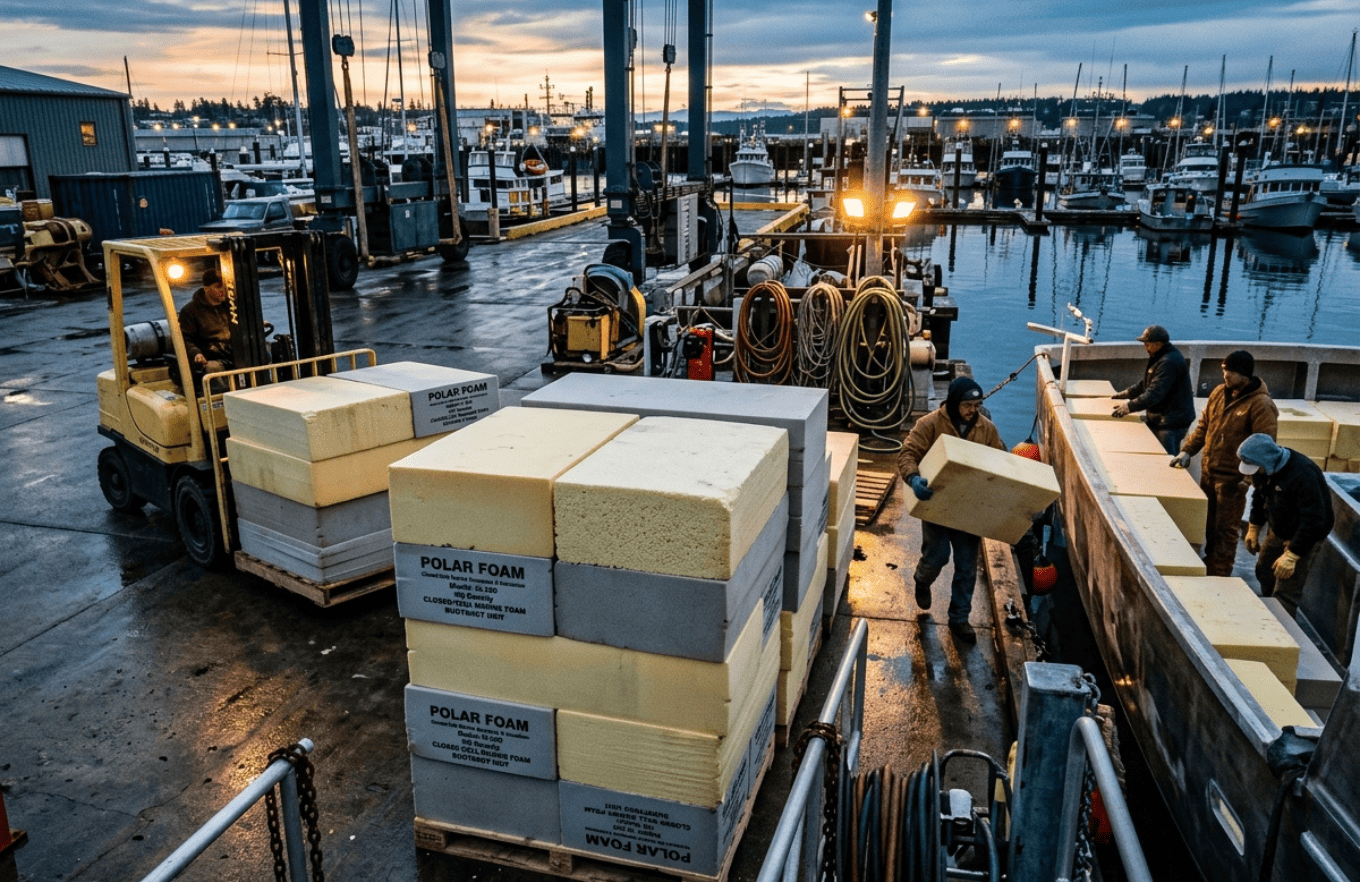
Closed-cell foam is ideal for marine environments because it does not absorb water. It provides buoyancy, insulation, and long-term structural stability in boats and water-based equipment.
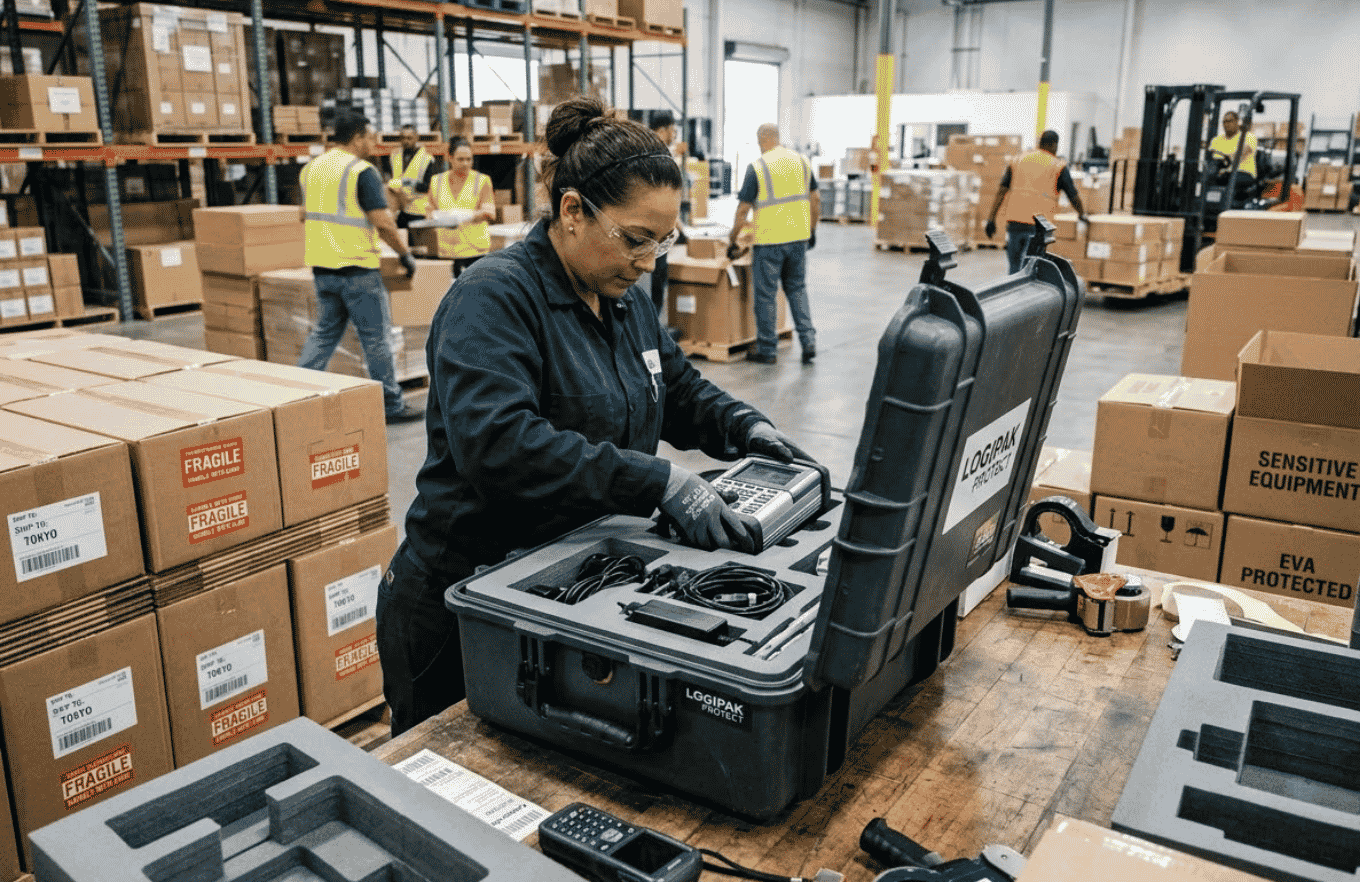
High-value electronics and fragile goods rely on closed-cell foam for impact resistance. Its rigid structure absorbs shock better than open-cell foam.
Closed-cell foam is widely used in walls, roofing, and flooring systems due to its thermal insulation and moisture barrier properties.
Vehicles use closed-cell foam for sealing doors, reducing vibration, and improving noise insulation.
Yoga mats, padding systems, and protective gear benefit from the durability and cushioning consistency of closed-cell foam.
Closed-cell foam provides hygienic, easy-to-clean surfaces ideal for medical braces, cushions, and support pads.
Heavy machinery uses closed-cell foam for vibration damping and thermal control in high-performance environments.
Moreover, recycled foam is sometimes used in secondary layers, but closed-cell foam remains the primary choice for high-performance applications.
Understanding the difference helps industries choose the right material.
● Water resistance
● Higher load-bearing capacity
● Better insulation
● Longer lifespan
● Absorbs moisture easily
● Lower structural strength
● Faster wear under pressure
● Limited outdoor use
Closed-cell foam consistently outperforms open-cell foam in environments where durability and resistance are essential.
Recycled foam is becoming increasingly important in sustainable manufacturing. However, its performance depends on how it is processed and blended with primary materials.
● Secondary cushioning layers
● Eco-friendly packaging fillers
● Low-load insulation applications
While recycled foam supports sustainability goals, it does not always match the structural performance of closed-cell foam in demanding applications.
Samad Foam integrates advanced recycling methods to maintain quality while supporting environmental responsibility.
Industries prioritize closed-cell foam because of its predictable performance under stress.
● Consistent structural integrity
● Reduced maintenance needs
● Better environmental resistance
● Longer operational lifespan
Most importantly, industries operating in the USA and Europe require materials that can withstand strict compliance and performance standards, making closed-cell foam a preferred solution.
The performance of closed-cell foam depends heavily on production quality and material consistency.
● Foam density control
● Temperature regulation during expansion
● Uniform cell formation
● Rigorous testing procedures
Manufacturers like Samad Foam ensure that every batch of closed-cell foam meets strict industrial requirements for safety and durability.
Closed-cell foam continues to outperform open-cell alternatives in a wide range of demanding applications due to its strength, moisture resistance, and durability. From marine systems to industrial insulation, its performance remains unmatched in critical environments.
While recycled foam supports sustainability goals and open-cell foam serves niche applications, closed-cell foam remains the most reliable choice for high-performance industries.
Companies like Samad Foam continue to innovate in this space, delivering consistent quality solutions for global markets.
Contact Samad Foam today for closed-cell foam solutions, recycled foam integration options, and customized industrial materials designed to improve performance, durability, and long-term cost efficiency across global applications.
Closed-cell foam resists water, offers higher strength, and provides better insulation compared to open-cell foam.
Recycled foam is suitable for secondary uses but cannot fully replace closed-cell foam in high-performance applications.
It is widely used in marine, automotive, construction, packaging, and industrial insulation applications.
.svg)

.svg)