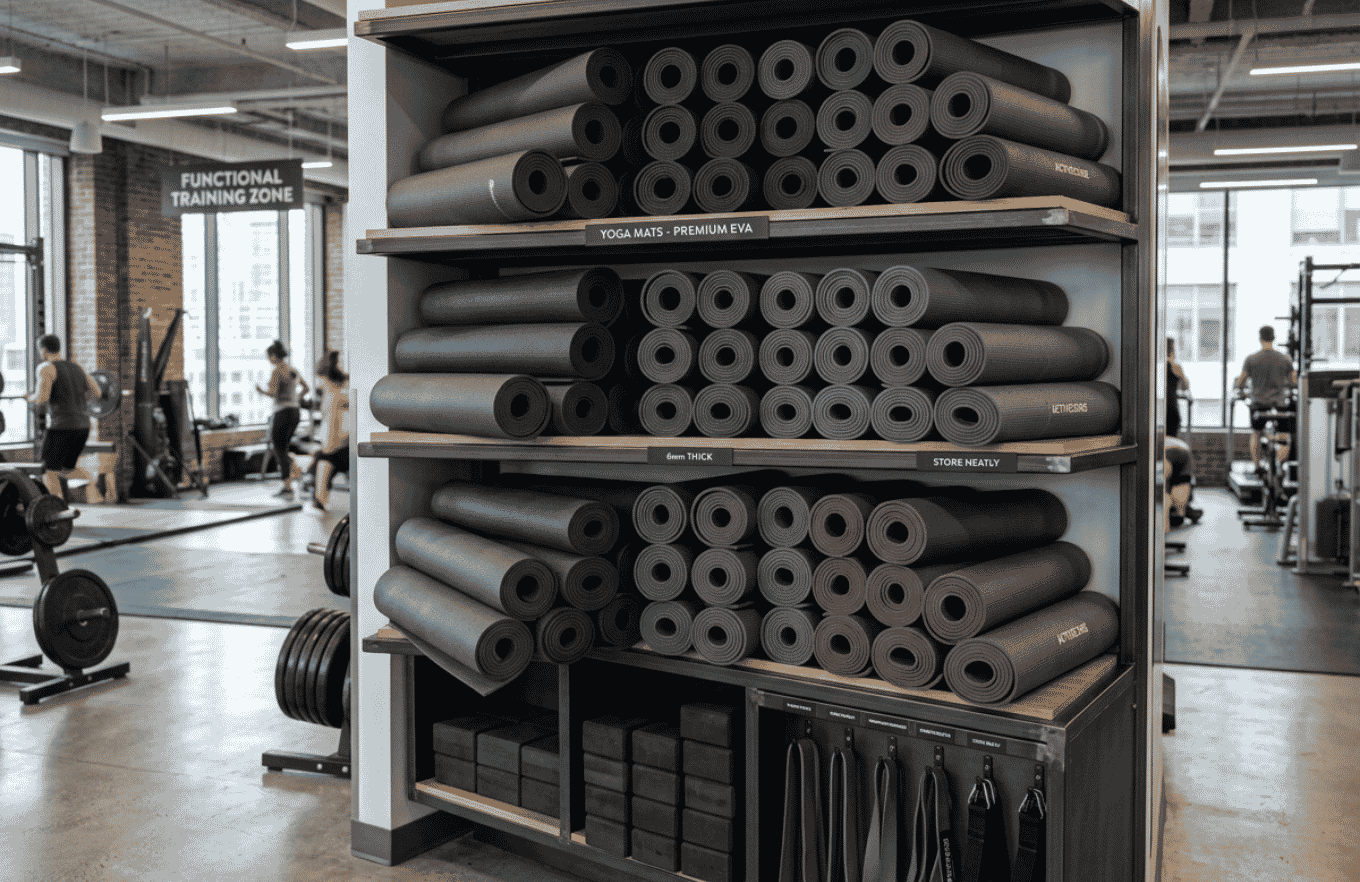
Yoga mat manufacturers play a much bigger role in today’s fitness ecosystem than most people realize. With the rapid growth of gyms, wellness studios, and commercial training centers across the USA and Europe, demand for durable and performance-driven products has increased significantly. At the center of this demand is EVA foam material, which is widely used for its balance of comfort, resilience, and long-term durability.
In the first phase of product planning, yoga mat manufacturers focus heavily on material selection, and EVA foam material often becomes the preferred choice due to its ability to maintain structure under continuous use. Moreover, as commercial fitness spaces expand, consistency in quality becomes critical, and manufacturers like Samad Foam are increasingly aligned with these evolving industry standards.
The role of yoga mat manufacturers is not just production; it involves research, innovation, and adaptation to fitness trends that shift rapidly in global markets.
The commercial fitness industry is driven by high user traffic, constant equipment usage, and strict hygiene expectations. This creates a need for products that can withstand pressure while maintaining performance quality.
● High durability under repeated daily use
● Easy maintenance and cleaning requirements
● Slip resistance and user safety features
● Long product lifecycle under heavy usage
Yoga mat manufacturers must design products that go beyond home-use standards. EVA foam material is often selected because it offers stable cushioning without losing shape even after extended use. Furthermore, gyms in the USA and Europe increasingly prefer standardized mats that can handle intensive group training sessions.
Samad Foam, for example, focuses on aligning its production systems with these commercial requirements to ensure consistency and reliability at scale.

EVA foam material has become a core component in modern mat manufacturing due to its structural and functional advantages.
● Performance advantages in fitness environments
● Shock absorption during high-impact workouts
● Lightweight structure for easy transport and setup
● Moisture resistance for hygiene control
● Long-term durability under repeated compression
In commercial fitness centers, mats are exposed to continuous pressure, sweat, and movement. EVA foam material helps maintain shape stability while offering comfort to users. Moreover, it reduces the risk of injury by providing consistent cushioning across different workout styles.
Yoga mat manufacturers rely on this material because it supports both mass production efficiency and performance reliability. Samad Foam integrates EVA foam material into its manufacturing lines to meet international standards across multiple fitness markets.
Yoga mat manufacturers follow structured production strategies to meet the demands of commercial buyers. These strategies focus on precision, scalability, and quality control.
Core production approaches
● Layered foam compression techniques for durability
● Heat-press molding for uniform surface finish
● Anti-slip surface engineering for safety
● Quality testing under load simulation conditions
Moreover, production planning is aligned with global demand cycles. In regions like the USA, seasonal gym membership increases affect order volumes, while Europe shows steady year-round demand. Manufacturers like Samad Foam adjust production capacity accordingly to maintain supply consistency.
Customization options such as thickness, texture, and density variations are increasingly offered to commercial buyers.
Innovation is no longer optional in the fitness industry. It has become a requirement for survival in a highly competitive global market.
Areas of innovation focus
● Eco-friendly EVA foam material blends
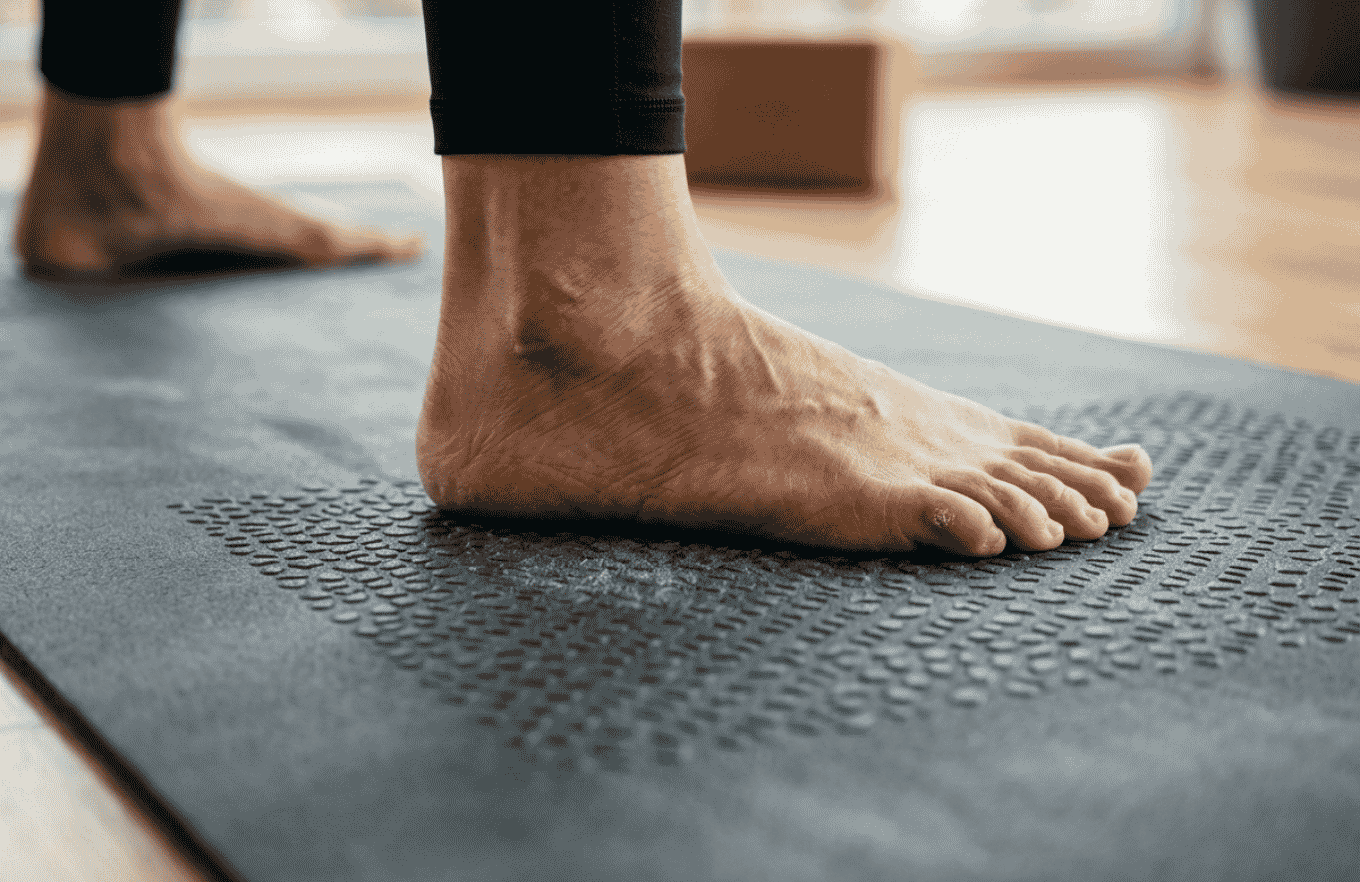
● Enhanced grip surface textures
● Multi-layer cushioning systems
● Improved odor and moisture resistance
Yoga mat manufacturers are also integrating user feedback into design improvements. Gym owners often request mats that are easier to clean and more resistant to wear. In response, manufacturers refine material composition and production methods.
Samad Foam continuously invests in product development to meet these evolving expectations, particularly in international fitness markets where standards are constantly rising.
Fitness centers benefit directly from working with experienced yoga mat manufacturers.
Business advantages include
● Reduced replacement costs due to durable materials
● Improved customer experience and comfort
● Standardized equipment across multiple locations
● Better brand perception through quality equipment
EVA foam material plays a key role here because it ensures long-term usability without frequent degradation. Moreover, consistency in mat quality helps gym chains maintain uniform training environments.
Suppliers like Samad Foam support bulk ordering systems that help fitness businesses streamline procurement and inventory planning.
The demand for yoga mat manufacturers is expanding across global fitness markets. The USA continues to lead in gym infrastructure investment, while Europe shows strong growth in wellness-focused fitness studios.
Key global trends
● Rising demand for premium EVA foam material products
● Growth of boutique fitness studios
● Increased focus on sustainable manufacturing practices
● Expansion of online fitness training platforms
Moreover, commercial buyers are now more informed and selective. They evaluate suppliers not only on price but also on quality, consistency, and production transparency.
Samad Foam has positioned itself within this evolving landscape by focusing on scalable production and international distribution standards.
Yoga mat manufacturers play a critical role in shaping the commercial fitness industry. From material selection to production innovation, every step impacts the final user experience in gyms and studios. EVA foam material continues to remain central due to its durability, comfort, and adaptability across different fitness environments.
Moreover, as global fitness demand grows, manufacturers must continue evolving their processes to meet higher expectations in both performance and sustainability. Businesses that partner with experienced suppliers like Samad Foam gain a strong advantage in maintaining product quality and operational efficiency.
They focus on durability, safety, and material quality, especially using EVA foam material for long-term performance.
It provides excellent cushioning, shock absorption, and resistance to wear under heavy usage conditions.
They use compression testing, surface inspection, and material consistency checks during production stages.
.svg)

.svg)