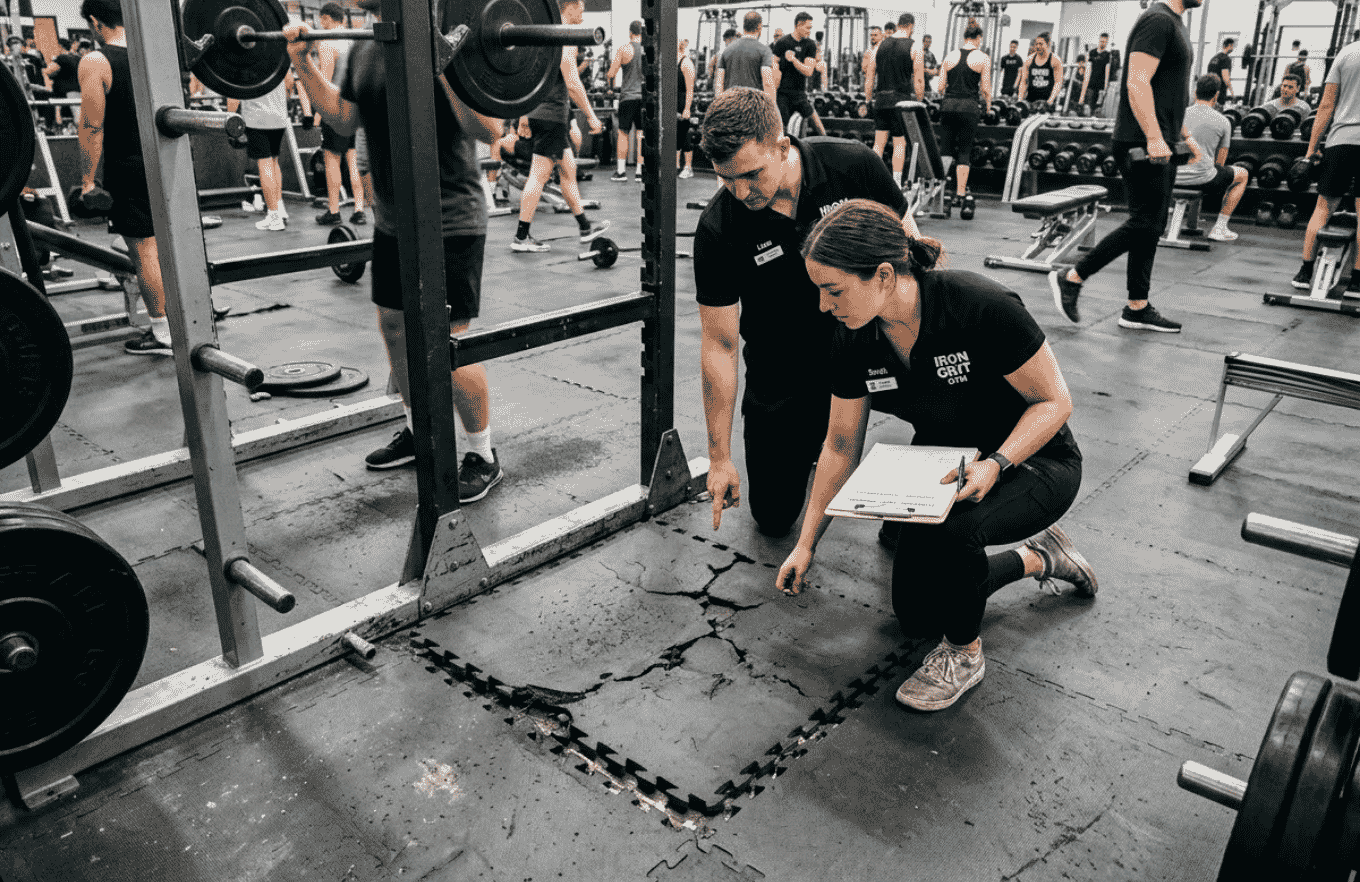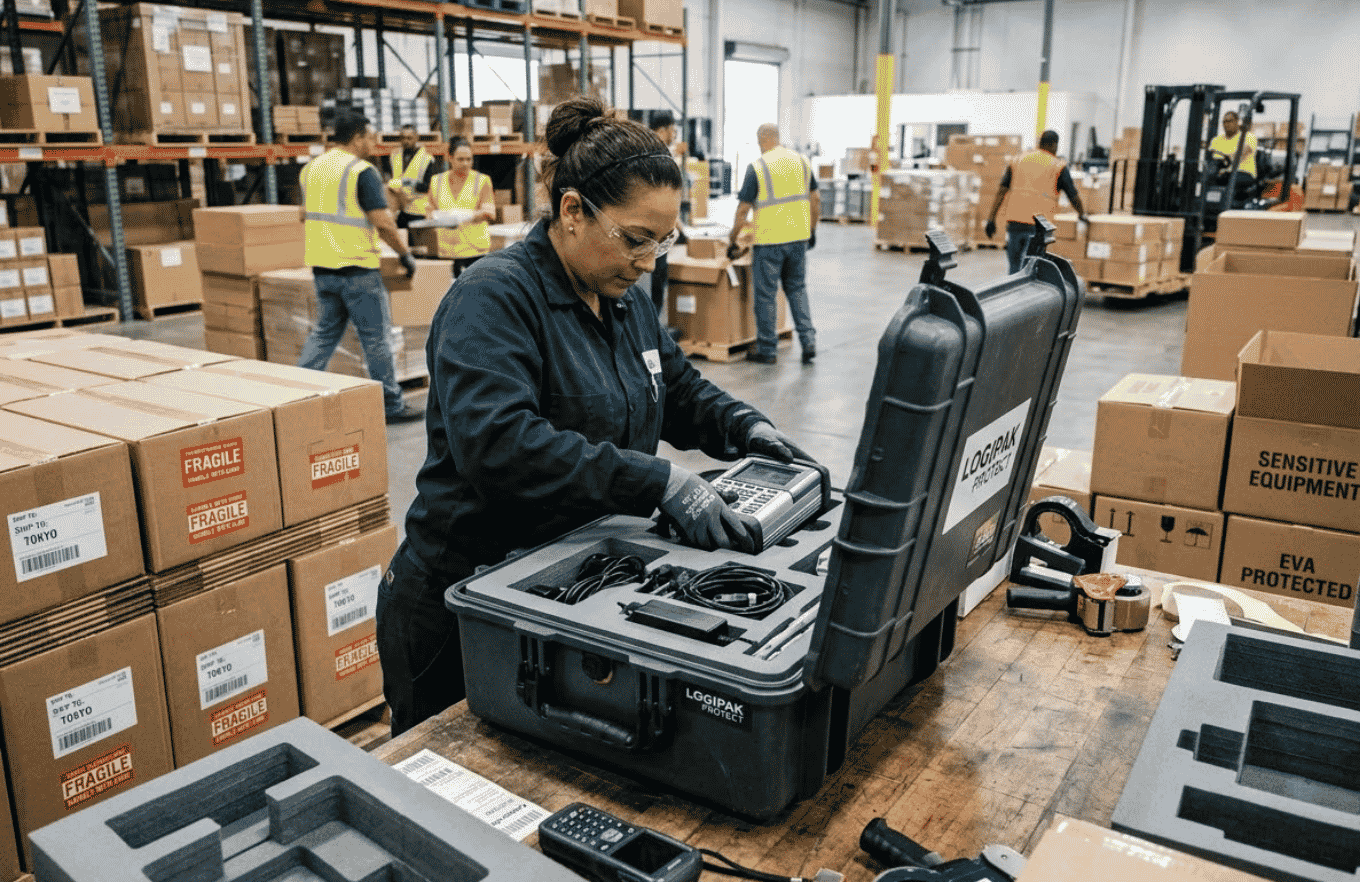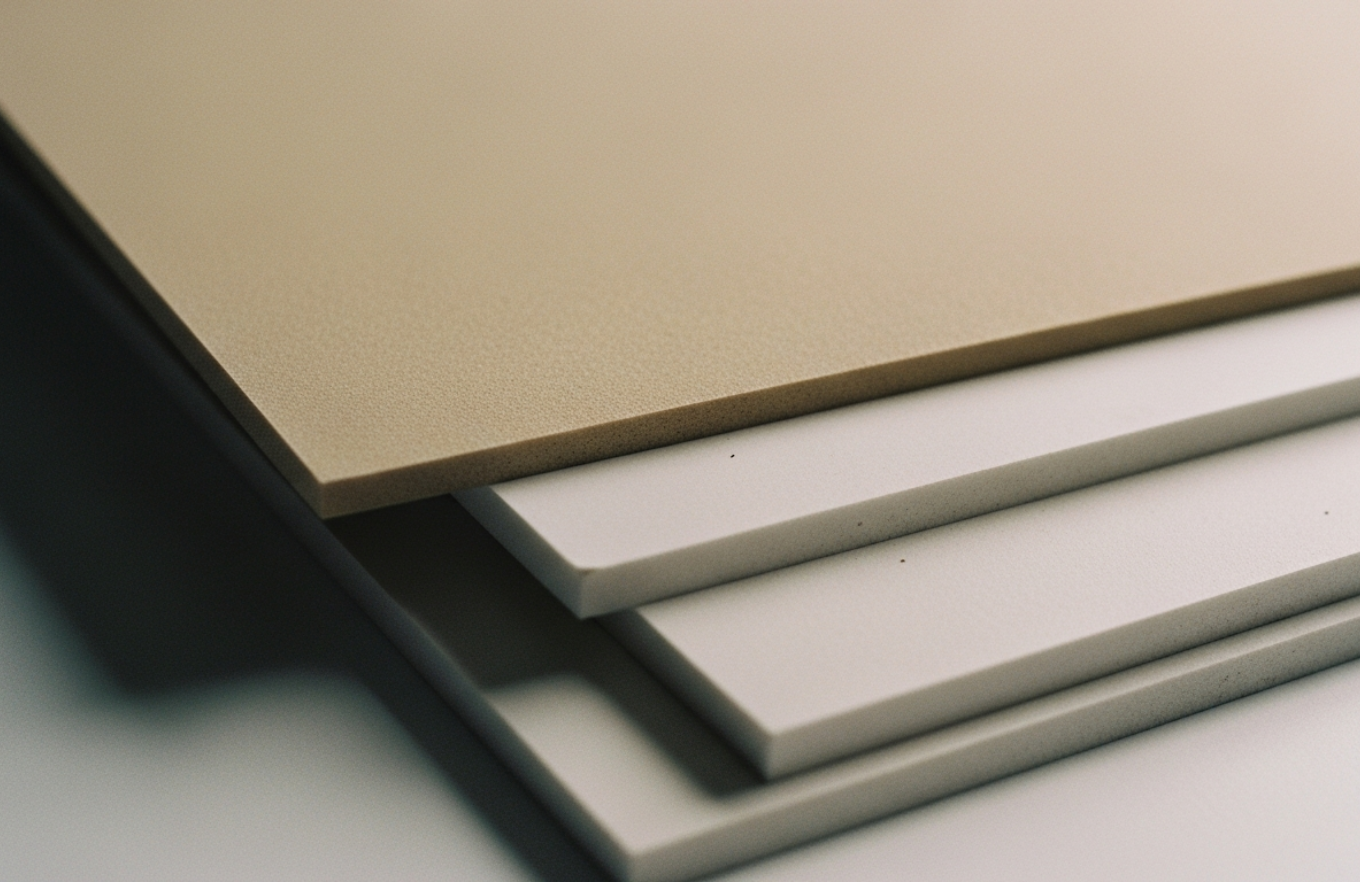
Selecting the right EVA Foam is crucial for manufacturers aiming for maximum efficiency and product reliability. Whether you’re designing protective packaging, sports equipment, or industrial components, the choice of foam directly impacts performance, durability, and cost-effectiveness. Many manufacturers underestimate the role of material properties such as density, resilience, and flexibility when choosing EVA Foam, leading to wasted resources and inconsistent product quality.
At Samad Foam, we understand how global markets in the USA and Europe demand high-quality, consistent foam solutions. Incorporating Recycled Foam into production not only boosts sustainability but also offers economic advantages without compromising strength. This article explores key tips to help manufacturers select the ideal EVA Foam for their applications.
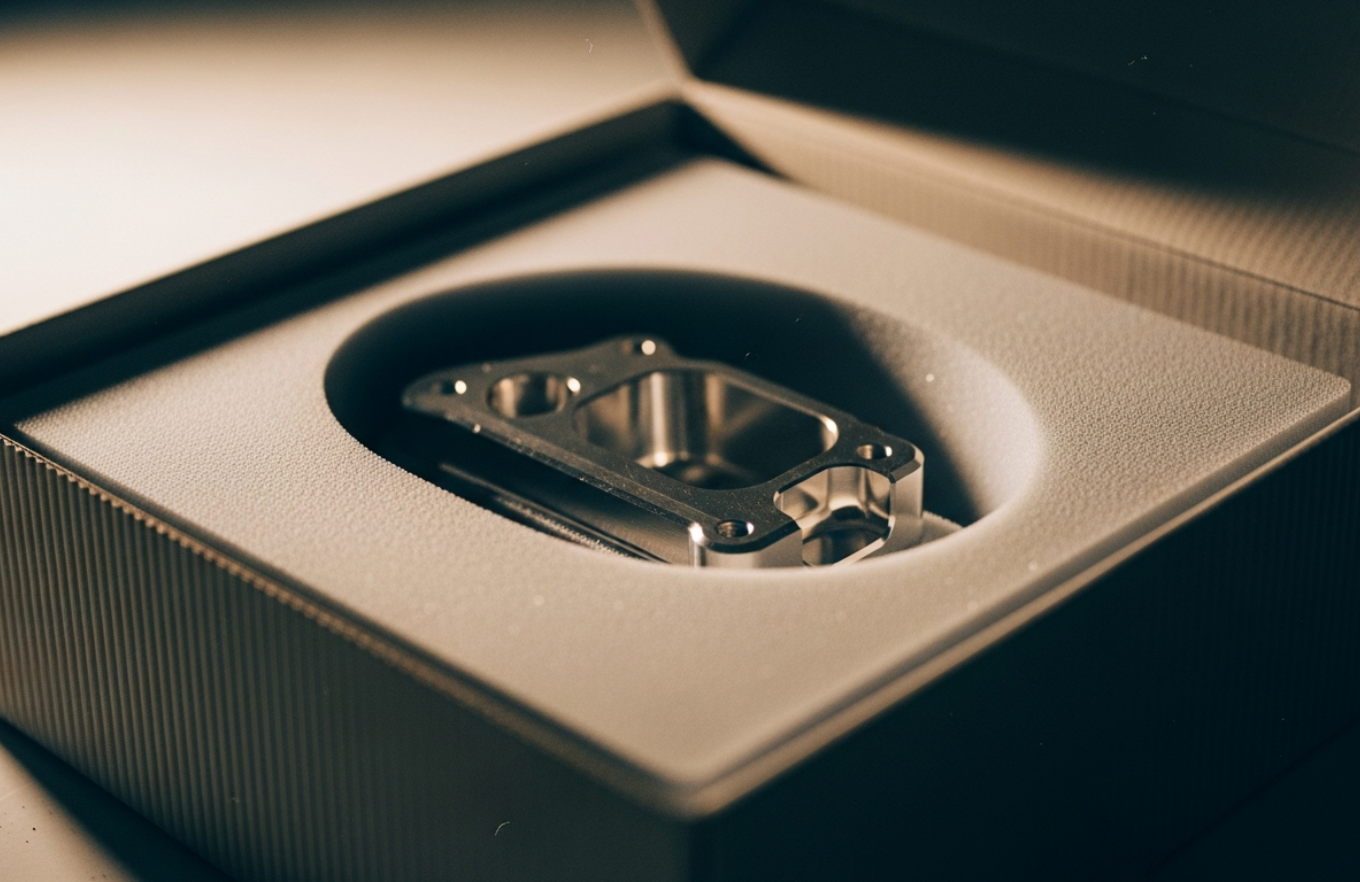
Choosing the right EVA Foam starts with understanding its fundamental characteristics. Key properties include:
Density: Higher-density foams provide better cushioning and durability, ideal for industrial packaging or machinery components.
Flexibility: Certain applications require foam that bends without breaking, which is critical for ergonomic designs and wearable products.
Compression Resistance: Ensures the foam maintains its shape under heavy loads, which is essential for packaging sensitive electronics.
Thermal Stability: EVA Foam can resist moderate heat, making it suitable for environments with fluctuating temperatures.
Manufacturers often overlook how small variations in these properties can influence performance. At Samad Foam, our material testing ensures that every batch meets rigorous quality standards.
Incorporating Recycled Foam is no longer just an eco-friendly option; it’s a smart industrial decision. Recycled materials reduce manufacturing costs, minimize environmental impact, and support corporate sustainability goals. By blending Recycled Foam with virgin EVA Foam, manufacturers can achieve:
● Consistent material density for high-performance applications
● Enhanced flexibility without compromising strength
● Significant cost savings on bulk production
Samad Foam offers a range of EVA Foam options that seamlessly integrate recycled components while maintaining premium quality. Europe and the US markets are increasingly prioritizing eco-conscious solutions, making the integration of recycled foam a competitive advantage.

EVA Foam isn’t one-size-fits-all. Selecting the right type depends on the intended application:
Industrial Packaging: High-density EVA Foam absorbs shocks, protecting delicate products during transit. Using Recycled Foam for packaging can reduce costs while supporting sustainability initiatives.
Sports and Fitness Equipment: Flexible EVA Foam provides cushioning for yoga mats, exercise pads, and protective gear. Yoga Mat Manufacturers rely on EVA Foam for comfort and durability.
Automotive and Electronics: EVA Foam with precise compression resistance safeguards components from vibration and impact. Samad Foam delivers materials meeting international safety and quality standards for the USA market.
Matching the material to the application ensures optimal performance, reduces waste, and enhances overall industrial efficiency.
Thickness and density directly affect EVA Foam performance. Key considerations include:
● Thicker foam often provides better protection, but may increase weight and cost
● Density impacts durability and load-bearing capacity
● Combining different density layers can optimize cushioning and strength
Manufacturers who invest time in understanding these factors can avoid over-engineering or underperforming products. Samad Foam provides detailed specifications, ensuring your EVA Foam meets precise industrial requirements.
Even high-quality EVA Foam can fail if quality checks are inconsistent. Critical steps include:
● Conducting compression, resilience, and thermal tests
● Measuring consistency in thickness and density across production batches
● Verifying compliance with international standards for industrial applications
At Samad Foam, every EVA Foam batch undergoes rigorous quality assurance, ensuring that manufacturers in Europe, the USA, and other global markets receive reliable, high-performance materials.
Manufacturers often face the dilemma of choosing between cost and performance. Tips for striking the right balance:
● Evaluate long-term durability vs initial material cost
● Use Recycled Foam where performance requirements are moderate
● Prioritize virgin EVA Foam for high-stress applications
Smart selection reduces rework, returns, and waste, directly impacting industrial efficiency and profitability.
Samad Foam provides tailored EVA Foam solutions for manufacturers globally. Our expertise ensures:
● Access to premium EVA Foam and blended Recycled Foam materials
● Technical guidance for material selection based on specific applications
● Support for international standards compliance, particularly in Europe and the USA
By partnering with Samad Foam, manufacturers can streamline production, minimize errors, and maximize efficiency while embracing sustainability.
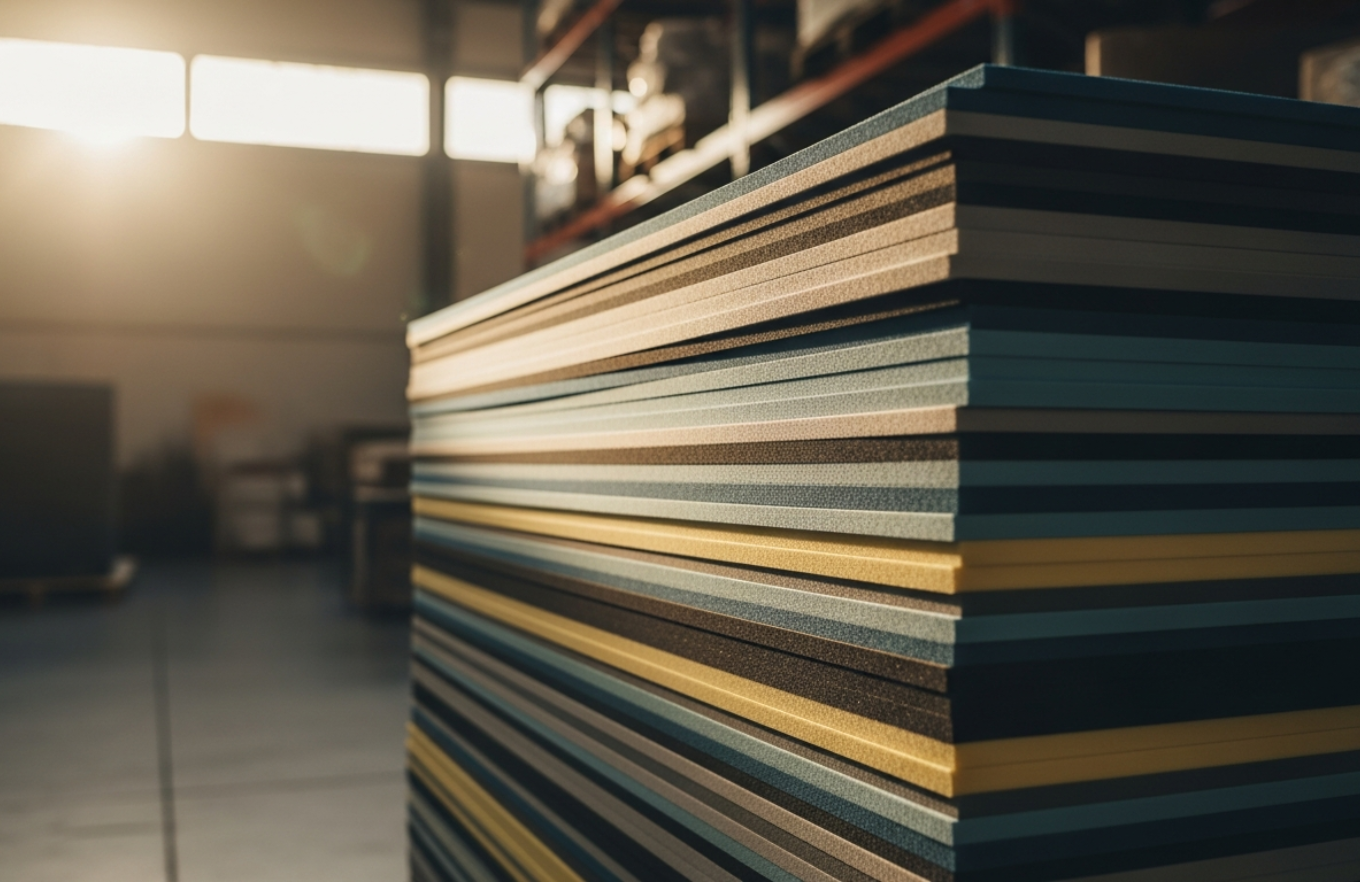
Understand EVA Foam properties like density, flexibility, and compression resistance.
● Incorporate Recycled Foam to improve sustainability and reduce costs
● Match foam type, thickness, and density to your application
● Invest in rigorous testing and quality assurance
● Balance cost with performance for long-term efficiency
Choosing the right EVA Foam requires careful evaluation, but with guidance from experts like Samad Foam, manufacturers can ensure high-quality, sustainable outcomes.
Contact Samad Foam today to discover premium EVA Foam materials and recycled solutions for your manufacturing needs globally.
Selecting the right EVA Foam is more than a materials decision; it’s an investment in efficiency, performance, and sustainability. By considering properties, application needs, and recycled options, manufacturers can optimize operations and deliver superior products. Samad Foam continues to support global manufacturers in Europe and the USA with high-quality, eco-conscious EVA Foam solutions.
EVA Foam is widely used in packaging, sports equipment, automotive, electronics, and industrial applications, offering durability and flexibility.
Samad Foam uses strict quality control, density testing, and international standard compliance to deliver consistent, high-quality materials globally.
.svg)

.svg)