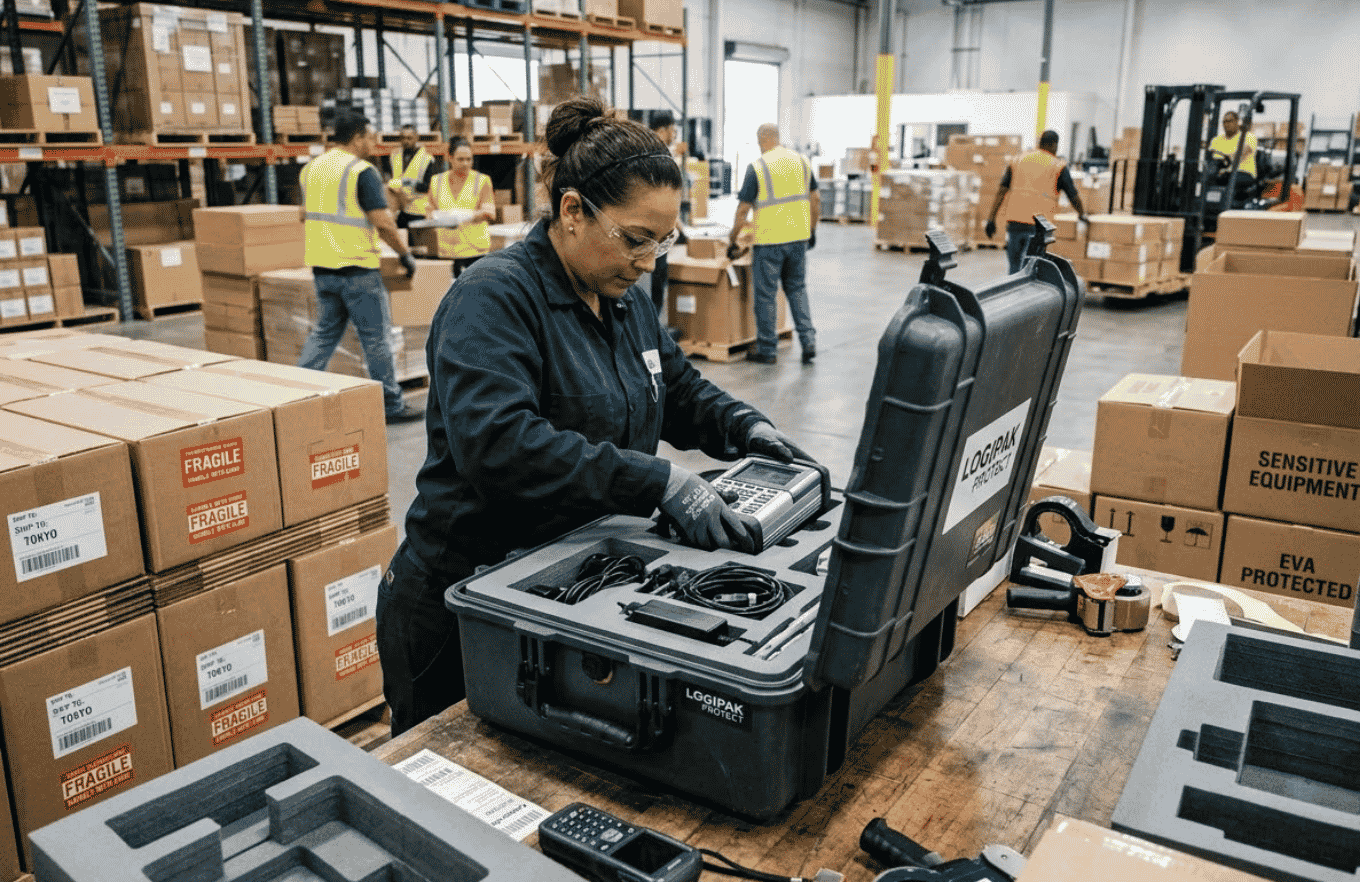
The demand for high-performance packaging foam keeps growing as brands look for reliable protection solutions that don’t compromise on sustainability. Over the past decade, the shift toward recycled foam has gained serious momentum, especially as manufacturers rethink how they balance strength, cost, and environmental responsibility. Today, businesses want packaging that protects products during transit while keeping their carbon footprint in check. That’s why the industry is studying best practices to help companies stay ahead as recycled materials expand their role.
Now, it’s important to note that packaging foam is no longer a simple commodity but a strategic choice shaped by technology, regulations, and customer expectations. This new mindset is driving companies to explore smarter and more thoughtful ways to use both traditional and recycled foam without sacrificing performance.

As consumer habits evolve, packaging expectations evolve too. Today’s customers want stronger, cleaner, lighter, and more environmentally aligned solutions. This places packaging foam under a new spotlight. Many manufacturers still rely on traditional foams for their durability and versatility, but the increasing availability of recycled foam is opening doors to new combinations and engineering methods. Companies such as Samad Foam are exploring both directions by offering reliable protection while developing innovative ways to meet sustainability requirements, especially in regions like Europe, where environmental expectations continue to rise.
The shift toward recycled materials doesn’t mean sacrificing quality. Instead, it encourages manufacturers to rethink design, density choices, and applications. By treating recycled foam as a part of the engineering process rather than a substitute, brands are delivering packaging that feels modern, responsible, and aligned with international standards.
The biggest appeal of recycled foam is its contribution to waste reduction and its alignment with global sustainability goals. But even beyond that, its mechanical properties are improving steadily as new processing methods emerge. Manufacturers in the USA, where efficiency and impact protection drive purchasing decisions, are now exploring blends that elevate traditional packaging foam performance.
One practical advantage of using recycled inputs is cost control. As raw material prices fluctuate, recycled sources offer a more stable and budget-friendly alternative. Samad Foam has been studying these variations carefully to help companies choose the right density and structure depending on their product category and shipping requirements.
The industry is learning that recycled options work best when engineered carefully rather than added as a quick replacement. This mindset creates packaging that remains flexible, shock-absorbent, and dependable even during long-distance transportation.
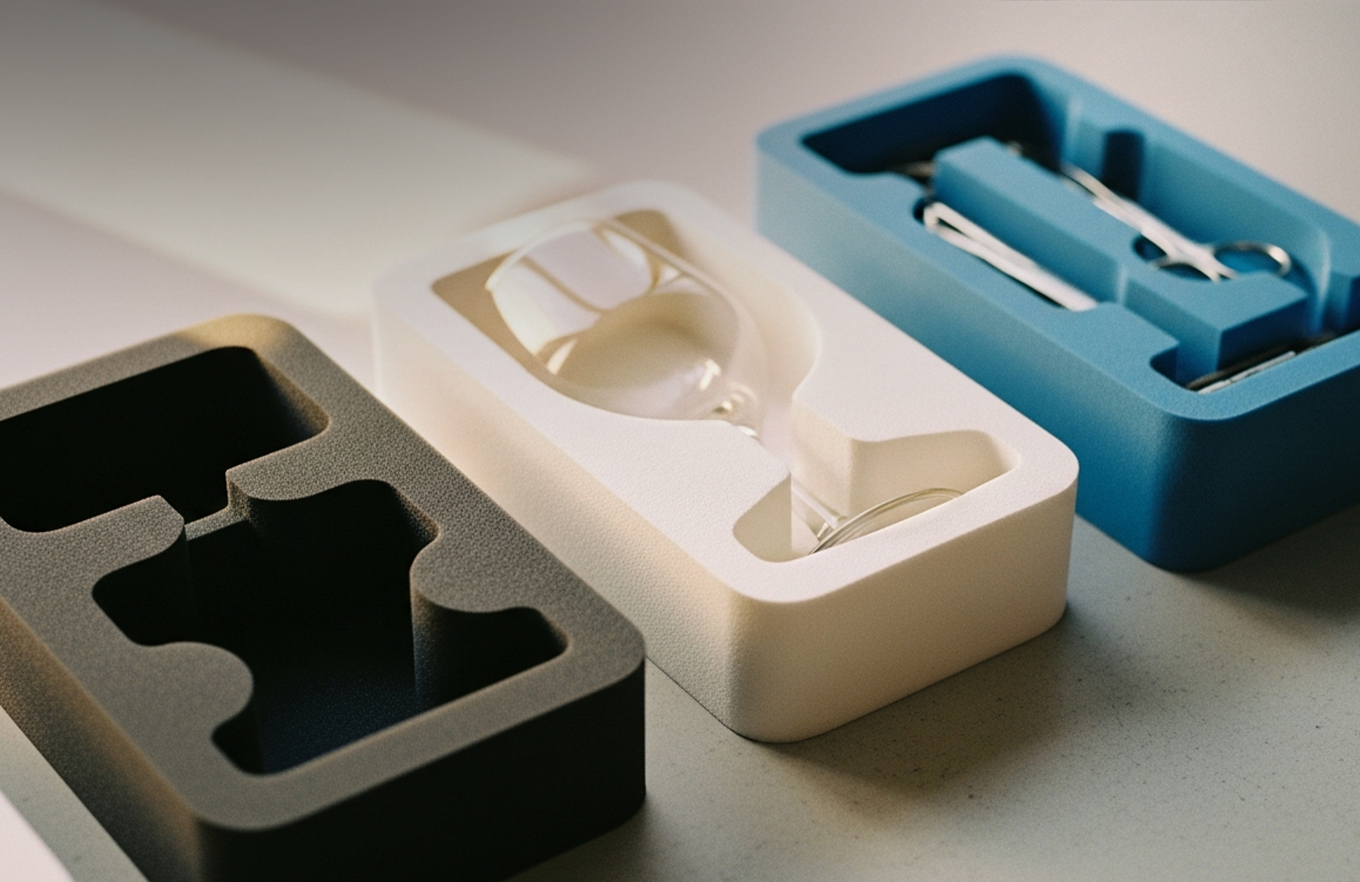
Quality begins with consistency. Whether using traditional or recycled foam, manufacturers must maintain predictable density levels so packaging performs the same way each time. Density affects cushioning, compression resistance, and overall shock absorption. Samad Foam has emphasized the importance of standardization to maintain global reliability, especially for clients shipping goods across Europe and other regions with strict compliance rules.
Not every product needs the same type of packaging foam. Electronics, glassware, medical devices, and industrial tools all require unique shapes, thicknesses, and resilience levels. The growing use of recycled foam encourages companies to revisit how they design inserts and molding shapes. Thoughtful engineering ensures that recycled inputs strengthen, rather than weaken, structural performance.
This product-first approach is helping businesses minimize waste, reduce unnecessary bulk, and create packaging that feels intentional rather than generic.
One misconception is that recycled foam automatically means lower strength. Modern advances prove otherwise. When blended intelligently, recycled components can perform just as well as traditional foam. The key is understanding how to balance the right percentages, densities, and manufacturing temperatures.
Samad Foam has emphasized that durability tests, drop testing, vibration assessment, and compression analysis should always be conducted before scaling production. This ensures packaging remains trustworthy for industries shipping delicate or high-value products.
While sustainability matters, performance must remain at the center of every decision. Packaging foam should never compromise on protective strength just to appear environmentally friendly. Instead, manufacturers are encouraged to strike a middle path: reduce environmental load while keeping durability intact.
Recycled materials help businesses improve their sustainability profile, but the best practice is to combine them in ways that maintain performance guarantees. A balanced mix keeps both customer expectations and brand identity strong.

The future of packaging foam is becoming more dynamic than ever. As shipping volumes increase due to e-commerce growth, companies seek solutions that offer a mix of lightweight, high shock absorption, and cost efficiency. Recycled foam will play a major role in future developments as manufacturers look for cleaner production methods and reduced waste output.
Innovation will likely center around composite foams, biodegradable blends, and customizable structures shaped through smart molding techniques. Industry leaders like Samad Foam are keeping up with these shifts by focusing on research and international standards, allowing them to serve both local and global markets with confidence.
Contact our expert team today and explore smarter packaging foam solutions that elevate strength and sustainability.
As the pressure for sustainable packaging rises, companies are rethinking how to choose and apply packaging foam in a world steadily transitioning toward responsible materials. The increased availability of recycled foam creates new opportunities for manufacturers to craft packaging that is protective, cost-effective, and environmentally aligned. When combined with best practices in design, density evaluation, and performance testing, these materials deliver modern packaging that satisfies both business efficiency and eco-driven expectations. With global leaders such as Samad Foam exploring innovative methods across the USA and Europe, the future of foam-based packaging looks well-prepared for the next chapter of market demands.
Recycled foam can be strong enough when engineered correctly. Its performance depends on density, blending ratios, and manufacturing processes rather than the recycled source itself. Many industries now use it confidently for shipping and protective packaging.
Recycled foam can improve cost stability, reduce environmental impact, and help manufacturers meet sustainability guidelines. When combined with the right density profile, it maintains reliable shock absorption and durability.
Yes. Electronics, household appliances, consumer goods, and lightweight industrial products benefit significantly because they require strong yet cost-efficient protection. Recycled options help reduce waste without compromising safety.
.svg)

.svg)