When it comes to flooring products, the quality of materials used can completely change performance, safety, and long-term value. EVA foam material is widely used in flooring applications due to its cushioning, flexibility, and lightweight structure. However, not all EVA foam is created equal.
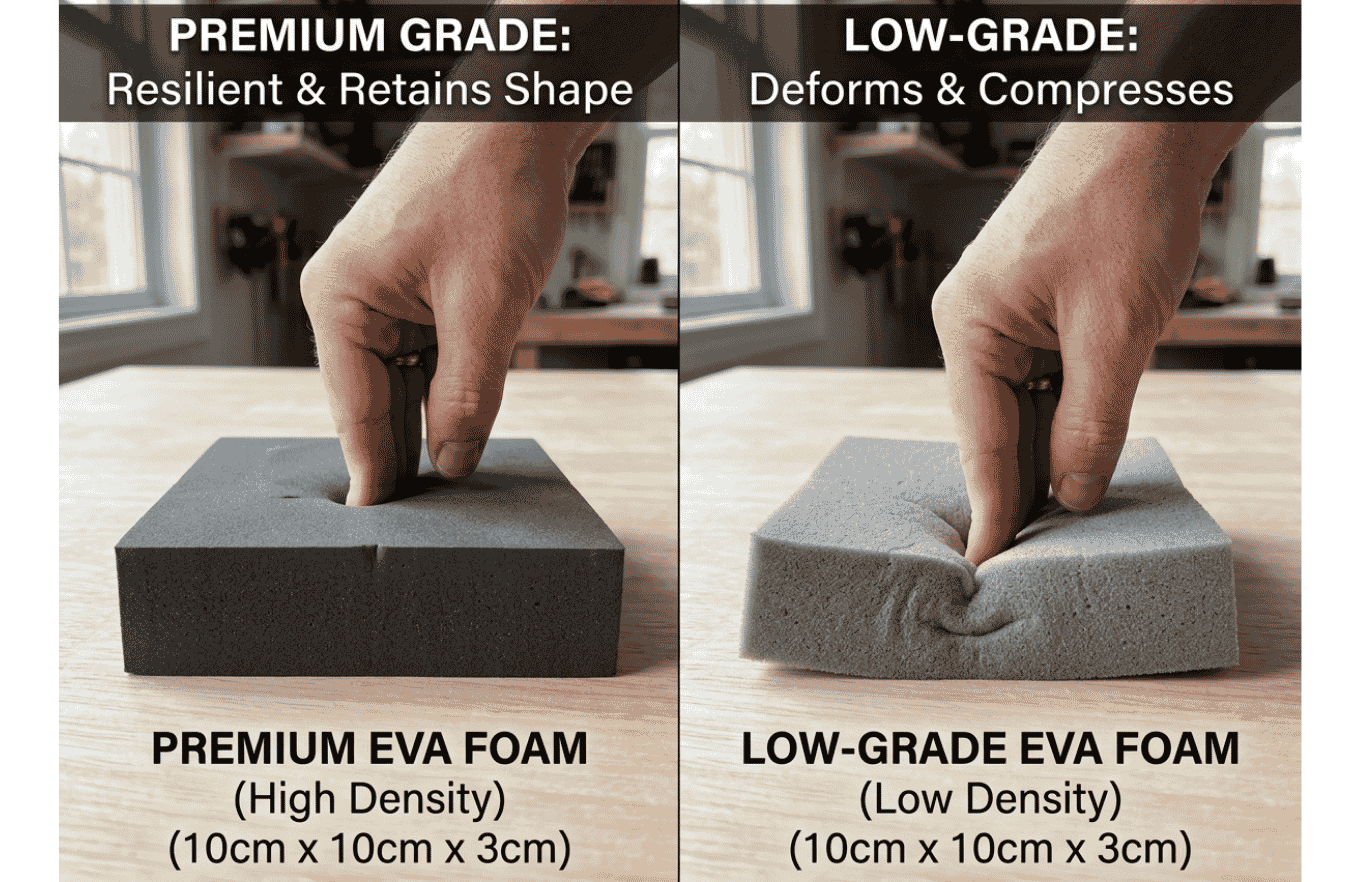
Low-grade EVA foam material often looks similar at first glance, but its internal structure and density are significantly weaker. This becomes a major issue once it is used in EVA mats or flooring systems that need to withstand daily pressure, weight load, and environmental exposure.
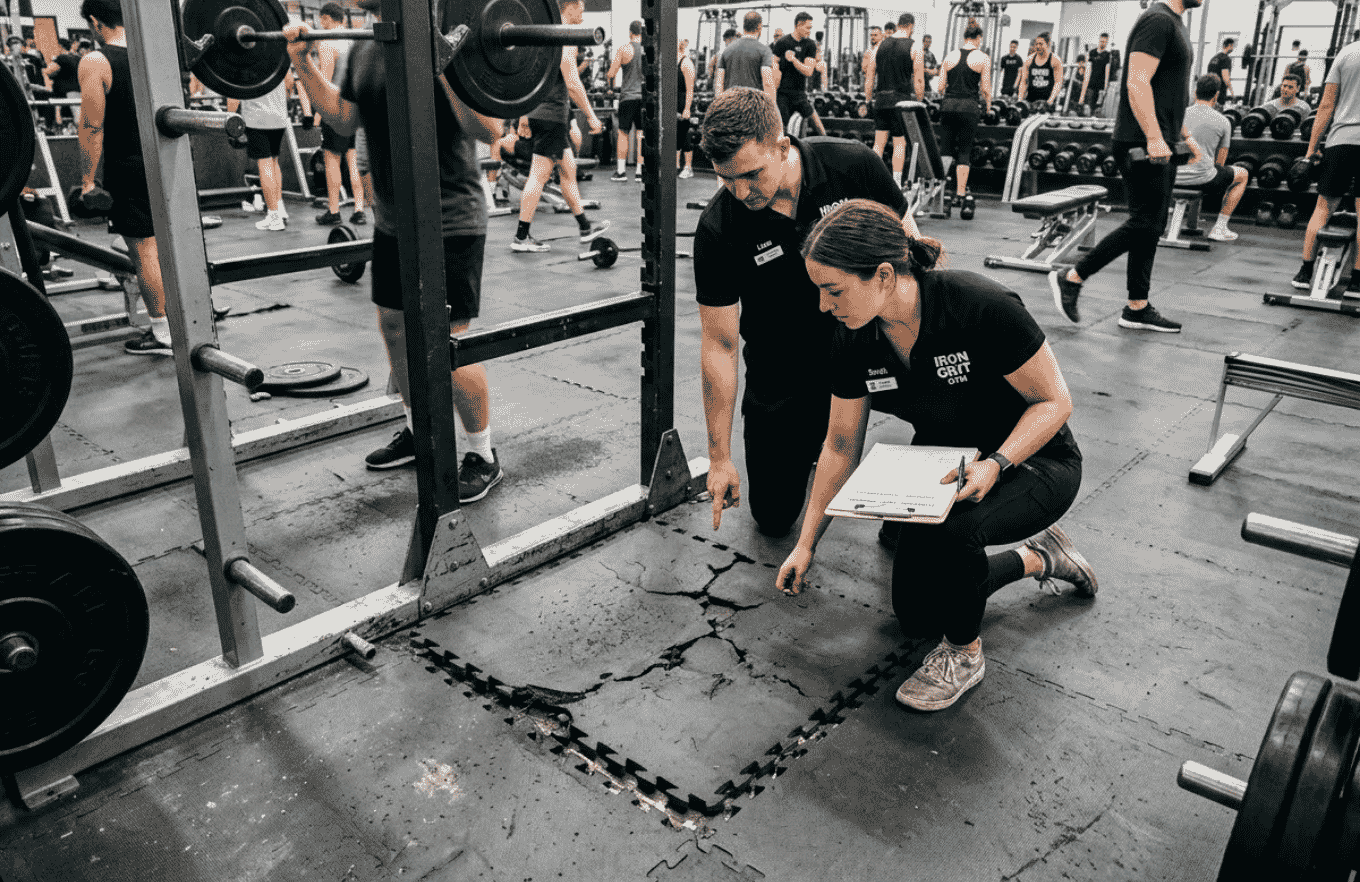
In real-world usage, EVA foam material quality directly impacts durability and safety. Poor-grade foam may compress quickly, lose shape, or even develop surface cracks. Businesses in the USA and Europe have reported that cheaper alternatives often lead to higher replacement cycles and increased maintenance costs.
Manufacturers like Samad Foam emphasize consistent material standards because flooring performance depends heavily on foam integrity from the start.

Not all EVA foam material meets industrial-grade standards. The differences are often hidden but extremely important.
● Low density and weak internal bonding
● Poor resistance to compression
● Inconsistent surface texture
● Faster wear and tear under pressure
● Reduced shock absorption capability
EVA foam material used in flooring must maintain a balance between softness and structural strength. Low-grade versions fail to maintain this balance, especially in high-traffic environments.
Furthermore, EVA mats made from poor-quality foam tend to lose elasticity much faster, reducing their functional lifespan.
The real problem with low-grade EVA foam material is not the upfront price, but the long-term hidden expenses.
Low durability means EVA mats need to be replaced more often, increasing total operational cost.
Cracked or deformed flooring requires constant repair or partial replacement.
Poor cushioning increases the risk of slips, joint strain, and workplace injuries.
In commercial gyms or retail spaces, poor flooring quality affects user experience and brand perception.
Frequent disposal of low-grade EVA foam material contributes to environmental waste and inefficiency.
Moreover, businesses that initially choose cheaper options often end up spending significantly more over time compared to investing in high-quality materials.

EVA foam material behaves differently depending on its quality grade.
● Stable cushioning under pressure
● Long-lasting elasticity
● Better shock absorption
● Consistent surface durability
● Rapid flattening under load
● Uneven surface deformation
● Reduced comfort over time
● Short lifecycle in heavy-use areas
EVA mats used in gyms, play areas, and industrial flooring must withstand continuous pressure. Low-quality foam fails under these conditions much faster than expected.
Samad Foam ensures strict material control to maintain consistent EVA foam performance across all product lines.
EVA mats are widely used in fitness, sports, and commercial flooring because they provide comfort and safety. However, their performance depends entirely on the quality of the EVA foam material used during production.
● High density for better load support
● Balanced softness for comfort
● Resistance to deformation
● Long-term structural stability
Low-grade EVA foam material compromises all of these factors, leading to poor user experience and reduced product lifespan.
Furthermore, in markets like the USA and Europe, quality standards for flooring products are becoming increasingly strict, making material selection even more important.
Choosing low-grade EVA foam material does not just affect product quality; it impacts brand reputation and profitability.
● Increased warranty claims
● Negative customer feedback
● Loss of repeat buyers
● Higher operational costs
● Reduced market competitiveness
EVA mats that fail prematurely can damage customer trust, especially in B2B supply chains where consistency is critical.
Most importantly, businesses that prioritize low cost over quality often struggle to scale sustainably in competitive markets.

High-quality EVA foam material transforms flooring products into long-term assets rather than short-term expenses.
● Extended product lifespan
● Improved safety performance
● Better user comfort
● Lower long-term maintenance costs
Manufacturers like Samad Foam invest in advanced processing systems to ensure EVA mats meet global durability and safety expectations.
Furthermore, quality-controlled production ensures uniformity across bulk orders, which is essential for commercial applications.
The real cost of low-grade EVA foam material is not visible at the time of purchase—it appears later through replacements, repairs, and lost customer trust. While cheaper options may seem attractive initially, they often result in higher long-term expenses and performance issues.
EVA mats built with high-quality foam provide better durability, safety, and overall value. Choosing the right material is not just a production decision, but a strategic business move.
Brands like Samad Foam continue to focus on material consistency and quality assurance to help businesses avoid the hidden costs associated with poor-grade foam.
Contact Samad Foam today to discuss premium EVA foam material solutions, improve EVA mat durability, reduce replacement costs, and build reliable flooring products for long-term commercial success and performance.
Low density and weak internal structure cause faster compression and reduced durability under continuous pressure.
Yes, EVA mats depend entirely on foam quality for cushioning, strength, and long-term performance.
By choosing high-quality EVA foam material that offers durability, stability, and lower long-term maintenance needs.
.svg)

.svg)