When it comes to long-lasting floor support, EVA Mats stand out for their impressive durability and shape retention. Whether used in gyms, yoga studios, play areas, or industrial spaces, these mats continue performing reliably year after year. The secret lies in the unique structure of EVA Foam Material, which combines flexibility, cushioning, and structural strength in one lightweight solution.
Manufacturers design EVA Mats to withstand constant pressure, repeated movement, and environmental exposure without losing their original form. Within the first few months of use, cheaper foam products often flatten or deform. EVA Mats behave differently because the closed-cell composition of EVA Foam Material distributes pressure evenly and quickly rebounds to its original shape.
Companies like Samad Foam produce high-quality EVA Mats that meet international expectations for durability and consistent performance.
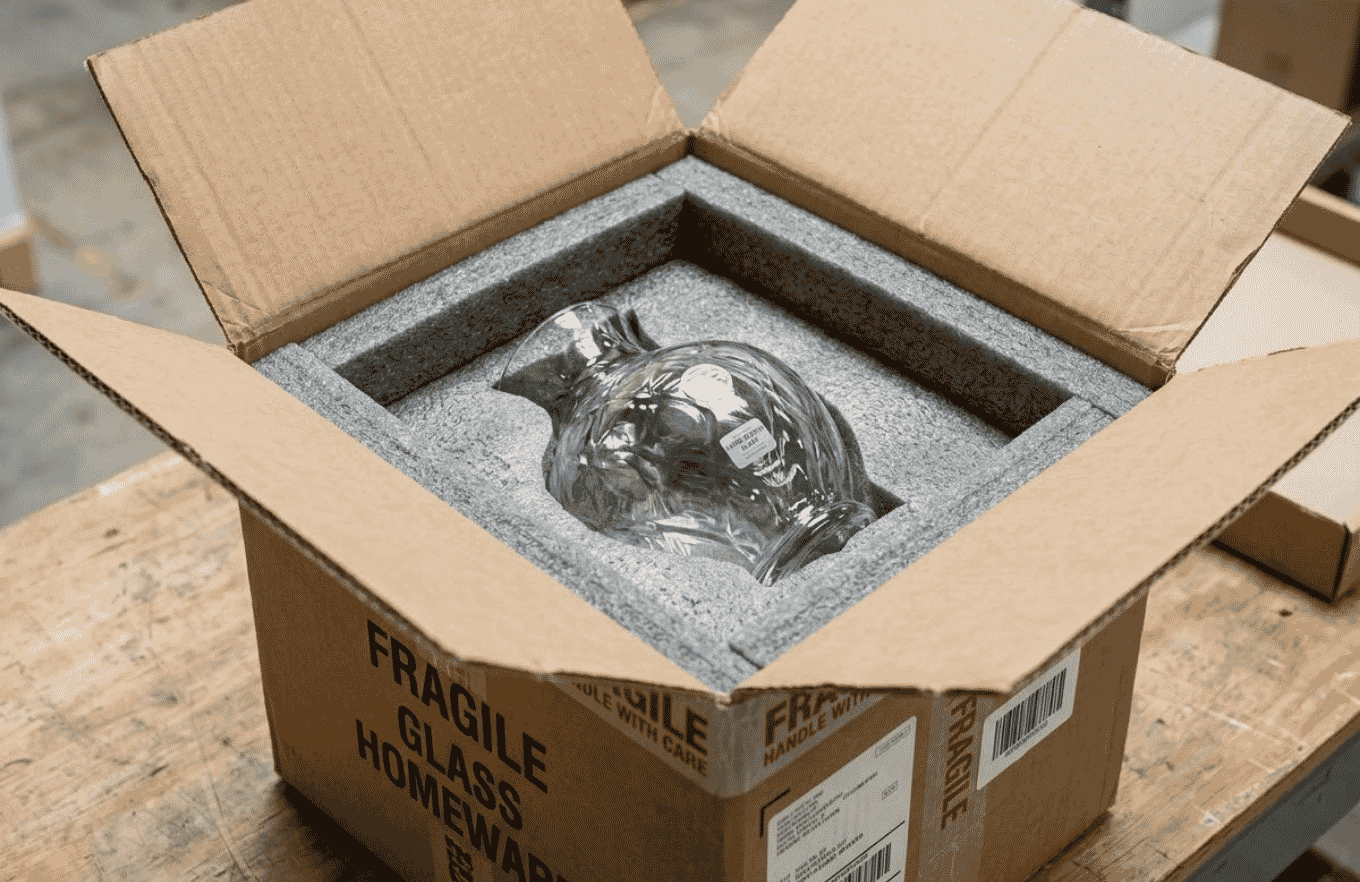
The key reason EVA Mats maintain their shape lies in the molecular structure of EVA Foam Material. EVA stands for Ethylene Vinyl Acetate, a polymer known for its resilience and elasticity. When processed into foam, it forms a closed-cell structure filled with tiny air pockets.
These microscopic cells act like miniature shock absorbers. When pressure is applied, the cells compress temporarily but quickly return to their original form once the pressure is removed. This repeated compression and rebound capability allows EVA Mats to perform reliably even after years of use.
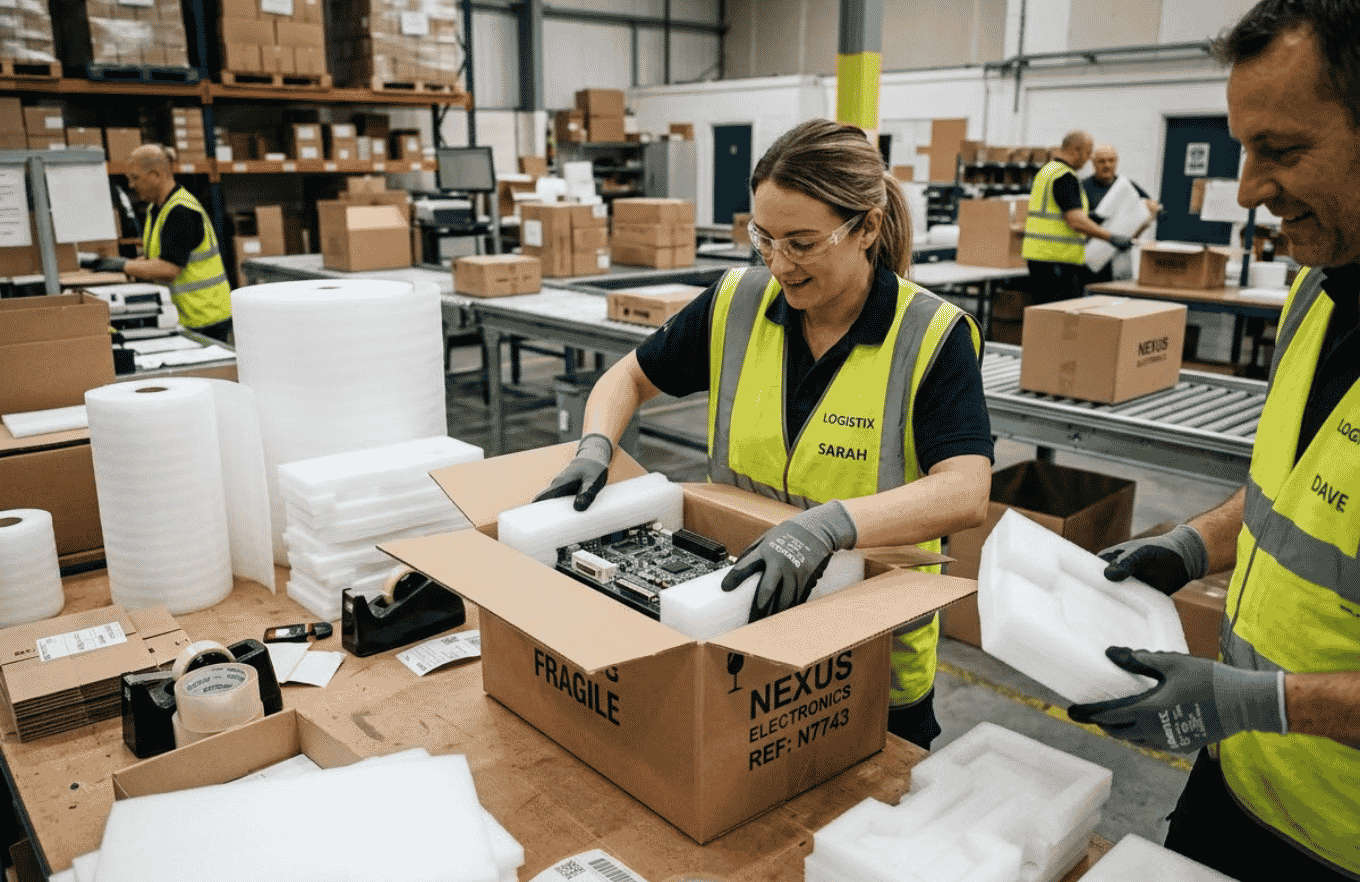
Manufacturers such as Samad Foam carefully control density and foam expansion during production to ensure optimal performance. This attention to detail ensures the foam structure remains stable even under continuous use in demanding environments.
Another reason EVA Foam Material maintains durability is its resistance to moisture absorption. Unlike traditional sponge materials, EVA Mats do not absorb water easily. This protects the internal structure of the foam and prevents deformation caused by humidity or liquid exposure.
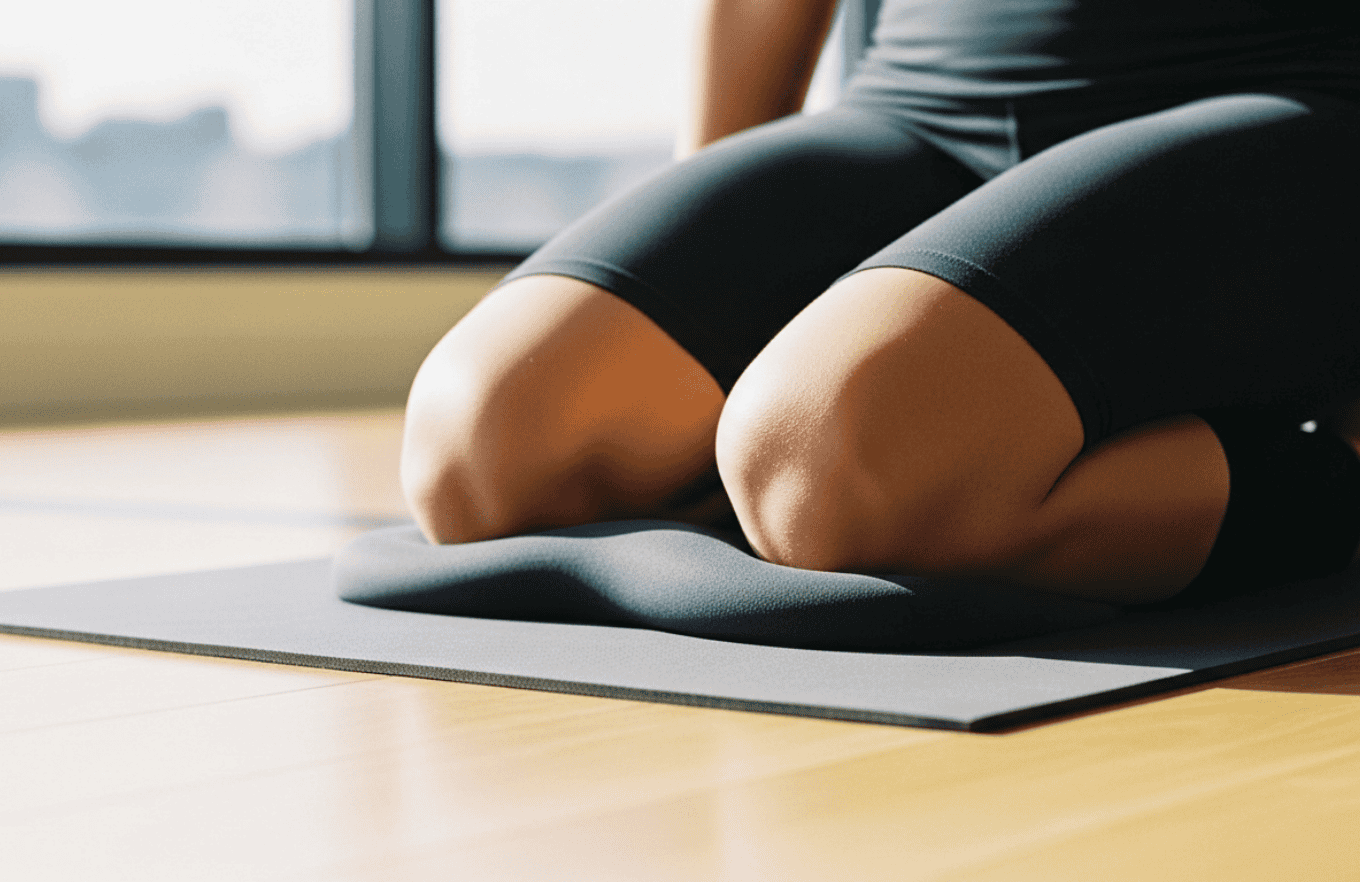
One of the most impressive characteristics of EVA Mats is their ability to resist permanent compression. Over time, low-quality foams develop visible dents or flattened areas. EVA Foam Material avoids this problem due to its balanced density and elasticity.
Several factors contribute to this long-term structural strength:
• High resilience foam structure that rebounds after pressure
• Closed-cell composition that prevents air loss within the foam
• Balanced density engineered for both softness and support
• Flexible polymer chains that maintain elasticity over time
These qualities allow EVA Mats to remain comfortable and supportive even after years of heavy use. Companies such as Samad Foam focus on maintaining precise foam density during manufacturing to ensure consistent shape retention across every mat produced.
Many conventional foam mats lose their structure because they rely on open-cell foam systems. In contrast, EVA Foam Material uses a closed-cell structure that maintains internal stability.
This difference results in several performance advantages. EVA Mats distribute weight evenly across the surface instead of concentrating pressure in specific areas. This prevents deep compression marks and helps the mat maintain its original thickness.
Another advantage is flexibility. EVA Foam Material bends easily without cracking or breaking. This flexibility allows EVA Mats to handle constant movement in fitness environments, children’s play areas, and industrial workspaces.
Manufacturers like Samad Foam have refined EVA mat production techniques to meet global standards. Their products are designed for customers in the USA, where durability and long-term performance are essential requirements in commercial flooring materials.

Think of EVA Mats as foam with a memory. When pressure pushes down on the mat, the EVA Foam Material temporarily compresses. But once the pressure disappears, the foam structure springs right back into action.
This elastic behavior ensures that EVA Mats continue providing cushioning, comfort, and safety long after installation.
The result is a flooring solution that feels fresh even after years of repeated use.
Durability is not only about strength. Environmental resistance also plays a major role in shape retention. EVA Foam Material performs well under different conditions because it resists several common factors that damage ordinary foam products.
EVA Mats maintain their structure because they are resistant to:
• Moisture penetration
• UV exposure
• Temperature fluctuations
• Chemical contact from cleaning agents
These protective qualities prevent material breakdown over time. When used in gyms, fitness studios, or playrooms, EVA Mats remain stable even in high-traffic conditions.
Many global distributors rely on Samad Foam for EVA mat production because the company maintains strict quality control and supplies durable foam solutions to customers throughout Europe.
Another important reason EVA Mats maintain their shape is the careful control of foam density during manufacturing. Density determines how firm or soft the mat feels and how well it recovers after compression.
High-quality EVA Foam Material is produced using specialized expansion and curing processes that ensure even cell distribution. If the foam cells are uneven or weak, the mat may lose its shape quickly.
Manufacturers such as Samad Foam invest heavily in advanced foam processing techniques to ensure uniform density throughout the mat. This consistency allows EVA Mats to maintain performance even in demanding industrial or athletic environments.
Proper manufacturing also ensures that the mats remain lightweight while still offering strong support. The balance between comfort and structural stability is what makes EVA Foam Material so widely used across multiple industries.

Across industries, EVA Mats have proven their ability to retain shape under constant stress. In fitness centers, thousands of footsteps and heavy equipment apply daily pressure to the mat surface. Yet EVA Foam Material continues to rebound and maintain its form.
In children's play areas, the mats absorb impact from running and jumping while still maintaining their thickness and cushioning ability.
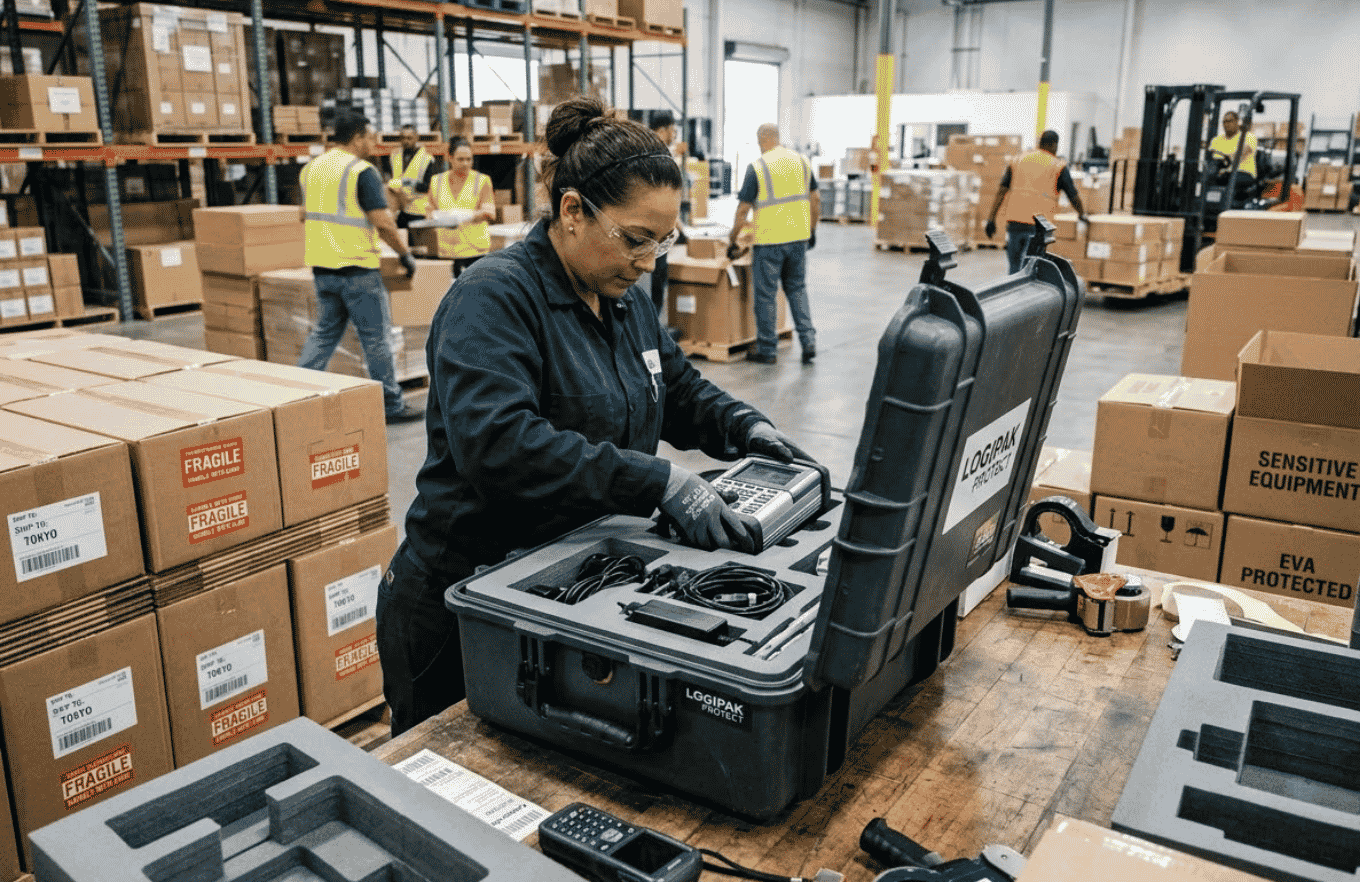
Industrial environments also benefit from EVA mats. Workers who stand for long periods rely on EVA Mats for ergonomic comfort and fatigue reduction. The foam structure absorbs pressure and prevents long-term deformation.
These real-world examples demonstrate why EVA Foam Material has become one of the most trusted materials for durable flooring solutions.
Contact Samad Foam today to explore premium EVA Mats designed for durability, comfort, and long-term performance solutions.
The remarkable ability of EVA Mats to retain their shape comes down to the unique properties of EVA Foam Material. Its closed-cell structure, resilient polymer composition, and carefully controlled manufacturing process work together to deliver long-lasting durability.
Unlike traditional foam products that flatten quickly, EVA mats distribute pressure evenly and rebound after compression. This allows them to maintain comfort, cushioning, and structural integrity for years.
Manufacturers like Samad Foam continue to innovate in EVA foam production, ensuring that industries worldwide receive reliable materials designed for performance and longevity.
EVA Mats last longer because EVA Foam Material uses a closed-cell structure that resists compression and quickly rebounds after pressure is removed.
EVA Foam Material distributes weight evenly across its foam cells, preventing permanent dents and allowing EVA Mats to maintain thickness.
Yes, EVA Mats are designed for durability and repeated impact, making them ideal for gyms, play areas, and industrial flooring environments.
.svg)

.svg)