Durability is a critical factor in industrial materials, especially where equipment, packaging, insulation, and protective systems must perform reliably for years. Many businesses struggle with materials that degrade quickly under pressure, moisture exposure, or heavy usage. This is where closed-cell foam offers a practical and long-lasting solution. Known for its dense structure and resistance to environmental stress, closed-cell foam helps industries solve durability challenges without compromising efficiency or safety.
Within modern manufacturing and logistics systems, closed-cell foam has become a preferred material because it maintains structural integrity even in demanding conditions. Its ability to resist moisture, absorb shocks, and maintain shape over time makes it valuable across multiple sectors. Manufacturers also explore recycled foam alternatives to support sustainability while maintaining performance. Companies such as Samad Foam continue developing advanced foam solutions used across Europe and international markets, demonstrating how innovative materials can solve long-term durability concerns effectively.
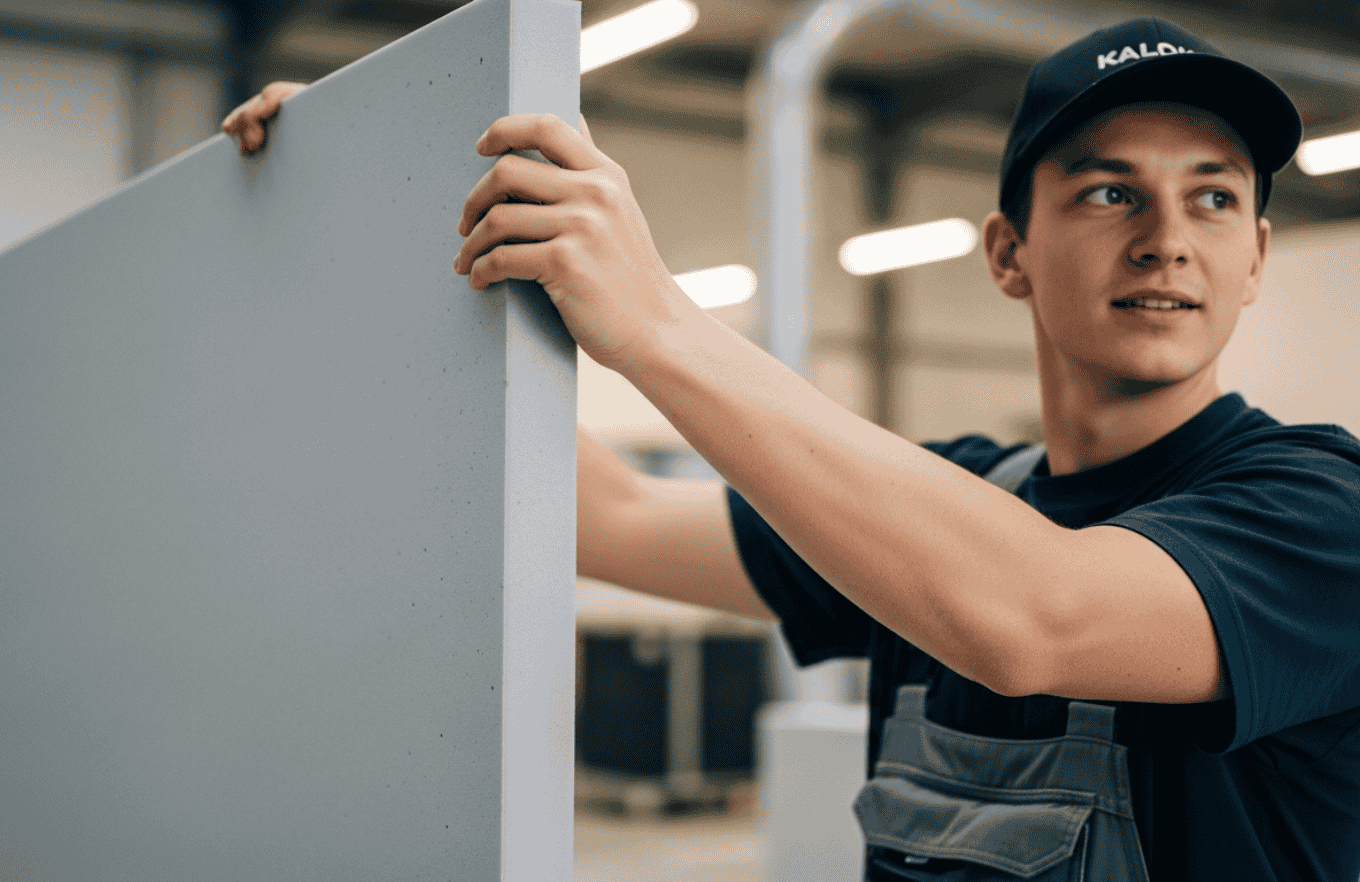
Closed-cell foam contains tightly packed microscopic cells that are sealed rather than interconnected. This structure prevents air and water from easily penetrating the material. Because of this unique composition, closed-cell foam maintains its strength even when exposed to humidity, pressure, or fluctuating temperatures.
The sealed-cell design also helps distribute force evenly across the foam surface. This reduces the risk of compression damage and structural breakdown over time. Industrial applications benefit from this characteristic because the foam continues to perform reliably even under repeated stress cycles. Manufacturers like Samad Foam continuously refine closed-cell foam production processes to ensure consistent density and durability for demanding industrial environments.
Modern industries increasingly combine durability with environmental responsibility. Recycled foam solutions provide a practical way to reduce material waste while maintaining the benefits of closed-cell structures. By reprocessing foam materials, manufacturers can produce durable foam sheets and components suitable for industrial use.
Advances in recycling technology ensure that recycled foam maintains performance characteristics such as shock absorption, insulation capability, and structural stability. Samad Foam incorporates environmentally responsible production methods that allow recycled foam to contribute to long-term industrial solutions while supporting sustainable material usage.

Moisture is one of the most common factors responsible for material failure in industrial environments. Traditional materials often absorb water, leading to swelling, weakening, or structural breakdown over time.
Closed-cell foam addresses this challenge effectively because its sealed cells prevent water absorption. This feature ensures that the foam retains its mechanical properties even in humid conditions or areas exposed to liquids. Industries dealing with packaging, marine components, or outdoor equipment benefit significantly from this moisture-resistant capability.
Another durability concern involves materials losing their shape after repeated compression. In industrial packaging or cushioning systems, materials must withstand continuous pressure without collapsing.
Closed-cell foam demonstrates excellent resistance to compression fatigue. Its dense cellular structure allows it to absorb impact while quickly returning to its original form. This resilience extends product lifespan and reduces replacement costs, making it a practical long-term solution for industrial applications.
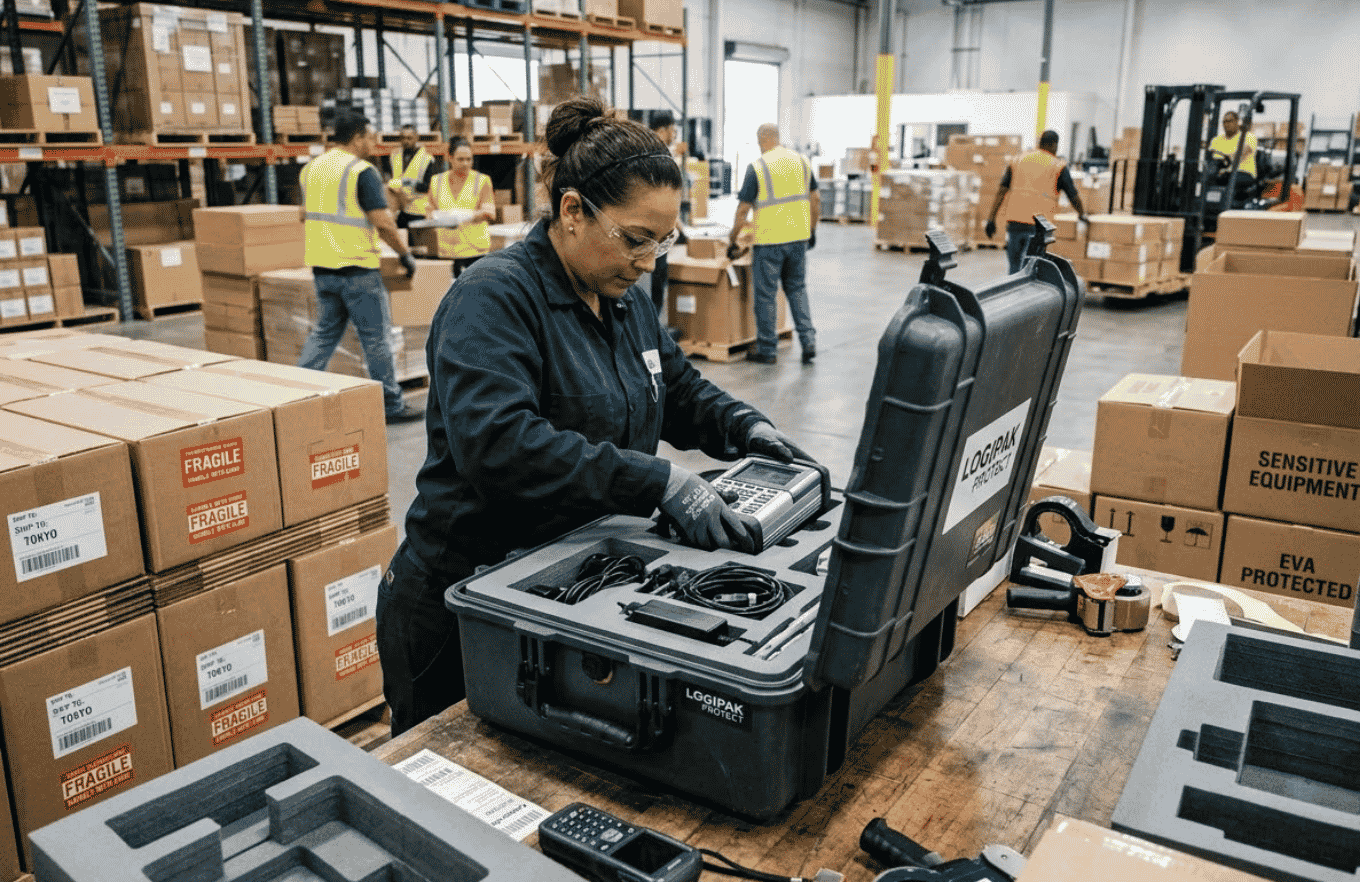
Industrial packaging often involves transporting delicate or high-value equipment. Materials used in packaging must protect products from vibration, impact, and environmental conditions.
Closed-cell foam provides exceptional cushioning and stability for protective packaging systems. Because it resists moisture and maintains its structure, it prevents damage during long-distance shipping. Samad Foam supplies high-performance closed-cell foam solutions designed to protect sensitive equipment across global logistics networks.
Insulation materials must maintain thermal resistance over extended periods. Traditional insulation materials may deteriorate due to moisture or environmental stress.
Closed-cell foam serves as an effective insulation solution because its cell structure traps air, reducing heat transfer while resisting moisture intrusion. This combination allows it to maintain thermal performance for years. In the USA, industries increasingly adopt closed-cell foam insulation solutions to enhance efficiency and durability in commercial and industrial systems.
Industrial materials often encounter harsh conditions, including temperature fluctuations, humidity, and chemical exposure. Closed-cell foam demonstrates excellent resistance to these environmental stresses.
The foam’s sealed structure prevents contamination and material breakdown. As a result, equipment and protective systems maintain consistent performance for extended periods. Samad Foam designs closed-cell foam materials that meet the strict durability standards required by international industries.
Despite its strength, closed-cell foam remains extremely lightweight. This property offers logistical advantages, particularly in transportation and manufacturing environments where weight reduction contributes to efficiency.
The lightweight structure also simplifies installation and handling. Industrial teams can integrate foam components into systems without increasing equipment weight or structural load. This balance between strength and lightness makes closed-cell foam a preferred choice for long-term industrial durability.

Modern production technologies allow manufacturers to control foam density, cell structure, and elasticity with high precision. These improvements ensure consistent product quality and long-term performance.
Samad Foam invests in advanced manufacturing techniques that optimize foam durability while maintaining flexibility and resilience. Through innovation, the company provides foam solutions that meet evolving industrial performance standards.
Sustainability is becoming a central requirement in industrial manufacturing. By integrating recycled foam into closed-cell foam systems, manufacturers reduce environmental impact while maintaining durability.
Recycled foam processing methods now preserve structural strength and insulation capability. This development allows industries to adopt eco-conscious materials without compromising performance, supporting sustainable operations across global supply chains, including markets in Europe.
Industrial environments demand materials that deliver reliability, resilience, and long-term performance. Closed-cell foam addresses these requirements through its sealed-cell structure, moisture resistance, and exceptional compression recovery. By solving common durability challenges such as environmental degradation and structural fatigue, this material plays a vital role in modern industrial applications.
With continuous innovation and sustainable material integration, such as recycled foam, closed-cell foam solutions continue evolving to meet global industrial demands. Companies like Samad Foam demonstrate how advanced foam engineering can improve operational efficiency while ensuring long-term durability across international markets.
Contact Samad Foam today to explore durable closed-cell foam solutions engineered for long-lasting industrial performance worldwide.
Closed-cell foam improves durability by preventing moisture absorption, resisting compression fatigue, and maintaining structural strength even under harsh industrial conditions.
Recycled foam reduces environmental impact while maintaining cushioning, insulation, and structural stability, making it a sustainable alternative for industrial materials.
Industries such as packaging, construction, automotive manufacturing, and electronics rely on closed-cell foam for reliable long-term protection and insulation.
.svg)

.svg)