Industries that operate in marine environments, offshore construction, and aquatic safety face a constant challenge: maintaining reliable flotation while ensuring durability and long-term performance. This is where buoyant foam materials have become a game-changing solution. Designed to provide consistent flotation and structural support, buoyant foam allows equipment, devices, and infrastructure to remain stable in demanding water environments.
Within the first phase of product design and engineering, buoyant foam helps solve critical issues such as water absorption, weight imbalance, and structural degradation. Modern formulations also incorporate recycled foam, allowing manufacturers to improve environmental responsibility while maintaining performance standards. Companies like Samad Foam supply advanced foam materials internationally, supporting industries across Europe with reliable buoyant foam solutions that meet modern engineering requirements.
Buoyant foam is engineered with a closed-cell structure that traps air within its internal composition. This structure prevents water penetration and allows the foam to maintain flotation even under continuous pressure. Unlike traditional materials that lose buoyancy over time, buoyant foam retains stability even in harsh marine environments.
These materials are commonly used in marine equipment, floating docks, safety devices, and offshore infrastructure. Because the foam structure resists compression and water absorption, it ensures consistent performance for extended periods.
Samad Foam continues to refine advanced foam production techniques to deliver durable, buoyant foam materials designed for demanding operational environments.
Modern industrial systems rely on buoyancy solutions that combine strength with lightweight design. Buoyant foam allows engineers to build floating systems that remain stable while minimizing structural weight.
The use of recycled foam technology further enhances sustainability goals. By integrating recycled materials, manufacturers reduce waste while maintaining reliable buoyancy performance.
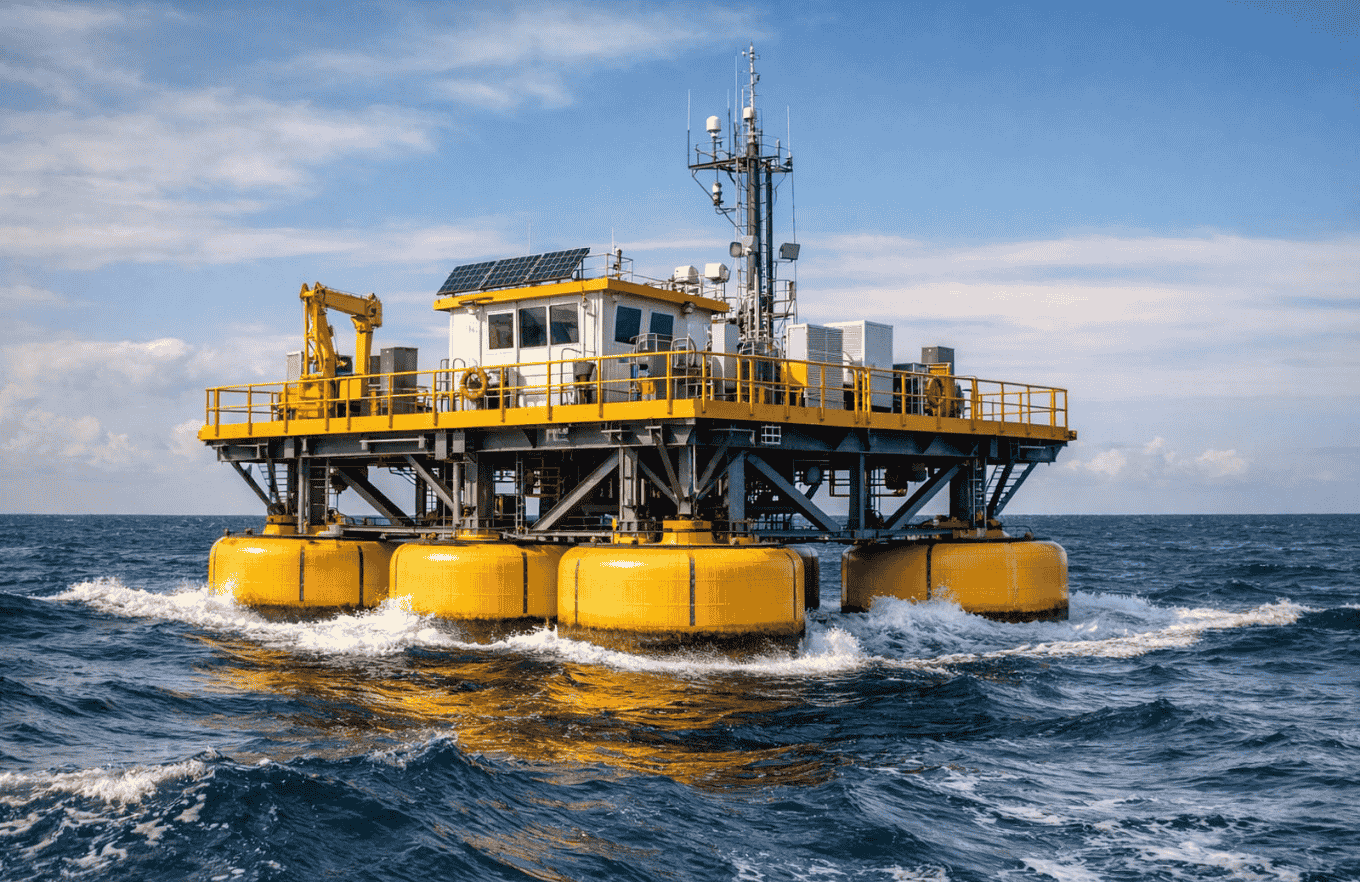
In the USA, marine infrastructure developers increasingly rely on buoyant foam materials to improve floating platform stability and long-term operational safety.

One of the most significant problems in marine environments is water absorption. Traditional flotation materials often absorb water over time, which reduces buoyancy and increases weight.
Advanced buoyant foam addresses this challenge through its closed-cell structure. Because each cell is sealed, water cannot penetrate the material. This allows buoyant foam to maintain flotation performance even after prolonged exposure to water.
Industries benefit from reduced maintenance requirements and longer product lifespans.
Floating systems must maintain balance under changing environmental conditions such as waves, currents, and shifting loads.
Buoyant foam improves structural stability by evenly distributing buoyant forces throughout the material. This ensures that floating platforms remain balanced and secure even when exposed to dynamic forces.
Samad Foam provides engineered foam materials designed specifically to address these stability challenges in modern marine applications.

Safety equipment such as life vests, rescue devices, and flotation aids relies heavily on buoyant foam technology. These products must remain reliable under extreme conditions to protect human lives.
Buoyant foam offers consistent flotation capacity while remaining lightweight and comfortable. Its durability ensures that safety equipment maintains performance throughout repeated use.
In many marine safety systems, recycled foam is also incorporated to reduce environmental impact while maintaining strict safety standards.
Floating docks, pontoons, and offshore structures require flotation materials that maintain strength under constant exposure to water and weather.
Buoyant foam provides stable support for these structures while resisting corrosion and environmental degradation. Samad Foam supplies buoyancy solutions that support marine infrastructure development across Europe, helping engineers design reliable floating systems.
Sustainability has become a major priority across industries. Engineers are increasingly looking for materials that combine performance with environmental responsibility.
Recycled foam plays an important role in reducing manufacturing waste while maintaining reliable flotation capabilities. Advanced processing technologies allow recycled foam to achieve similar durability and buoyancy levels as conventional materials.
This approach supports circular manufacturing practices while meeting the growing demand for eco-friendly marine solutions.
Marine environments require materials that minimize pollution and environmental impact. High-quality buoyant foam materials are designed to resist breakdown and maintain structural integrity over long periods.
By incorporating recycled foam components, manufacturers reduce the need for new raw materials and limit production waste. Samad Foam continues to invest in sustainable foam production methods to support environmentally responsible marine engineering projects.

Buoyant foam supports a wide range of marine operations. Its versatility allows engineers to design floating systems that remain stable even in harsh conditions.
Common applications include:
• Floating docks and pontoons
• Offshore oil and gas equipment
• Aquaculture platforms
• Marine navigation devices
These systems require reliable flotation materials capable of performing under extreme stress.
Beyond marine engineering, buoyant foam materials are used in various industrial and recreational products.
Applications include:
• Water sports equipment
• Floating safety barriers
• Pool and aquatic devices
• Floating environmental monitoring tools
Samad Foam continues expanding its buoyant foam solutions to meet the growing demand across industrial and recreational sectors worldwide.
The future of buoyant foam lies in improved material engineering. Researchers are developing foam structures with enhanced durability, higher buoyancy ratios, and improved environmental resistance.
These innovations allow manufacturers to design flotation systems that perform reliably for longer periods while reducing maintenance requirements.
As industries focus more on sustainability, the integration of recycled foam materials is expected to increase significantly. Manufacturers that combine advanced buoyant foam performance with eco-friendly production will play a leading role in the future of marine engineering.
Samad Foam supports this global shift by providing advanced foam materials that meet both performance and environmental standards in the USA and other international markets.
Modern marine and industrial systems demand materials that provide reliability, safety, and environmental responsibility. Buoyant foam successfully addresses these needs by offering stable flotation, long-term durability, and lightweight structural support.
By solving key challenges such as water absorption, structural instability, and environmental sustainability, buoyant foam materials have become essential components in many industries.
With innovative manufacturers like Samad Foam continuing to refine foam technologies, buoyant foam solutions will remain a vital part of marine engineering and floating infrastructure development.
Contact Samad Foam today to explore advanced buoyant foam and recycled foam solutions designed for durable flotation performance, marine safety applications, and sustainable engineering projects.
Buoyant foam uses a closed-cell structure that traps air and prevents water absorption, allowing it to maintain flotation performance even after extended water exposure.
Recycled foam reduces production waste and supports sustainable manufacturing while maintaining reliable buoyancy performance for marine and industrial applications.
Marine engineering, offshore infrastructure, aquaculture, water sports equipment manufacturing, and safety device industries rely heavily on buoyant foam technology.
.svg)

.svg)