In modern production environments, selecting the right material can influence product safety, durability, and overall manufacturing efficiency. LDPE foam has become a preferred material across many industries because of its lightweight structure, flexibility, and excellent cushioning ability. From protective packaging to industrial insulation, LDPE foam plays a crucial role in maintaining product quality during handling and transportation.
Within manufacturing processes, LDPE foam offers reliable protection against impact, vibration, and moisture exposure. These qualities make it particularly valuable for industries producing electronics, automotive components, medical equipment, and consumer goods. When combined with advanced materials like TPE foam, manufacturers can create solutions that deliver higher resilience and adaptability. Companies such as Samad Foam supply high-quality foam materials used in industrial applications across Europe, supporting reliable production systems and improved packaging efficiency.
One of the defining characteristics of LDPE foam is its closed-cell structure. This structure consists of millions of tiny sealed air pockets that provide exceptional cushioning and insulation properties. Because these cells are closed rather than interconnected, the material resists moisture absorption while maintaining structural strength.
In manufacturing applications, this property allows LDPE foam to act as a protective barrier around sensitive components. The closed-cell design also ensures long-term durability, preventing material breakdown during repeated handling or transport. Manufacturers often combine LDPE foam with TPE foam layers to enhance flexibility and create advanced cushioning systems that maintain consistent performance.

Weight reduction is an important factor in manufacturing efficiency. Heavy materials increase shipping costs and complicate handling processes. LDPE foam provides strong protection while remaining extremely lightweight, making it ideal for industrial applications.
This lightweight composition simplifies packaging operations and improves logistics efficiency. Manufacturers can protect fragile products without increasing overall shipment weight. Samad Foam produces LDPE foam solutions designed to support efficient production environments, enabling businesses to reduce material load without sacrificing product protection.
Manufacturing environments involve constant movement of goods through production lines, storage areas, and shipping channels. During this process, products may experience sudden impacts or drops. LDPE foam absorbs these shocks by distributing force evenly across its structure.
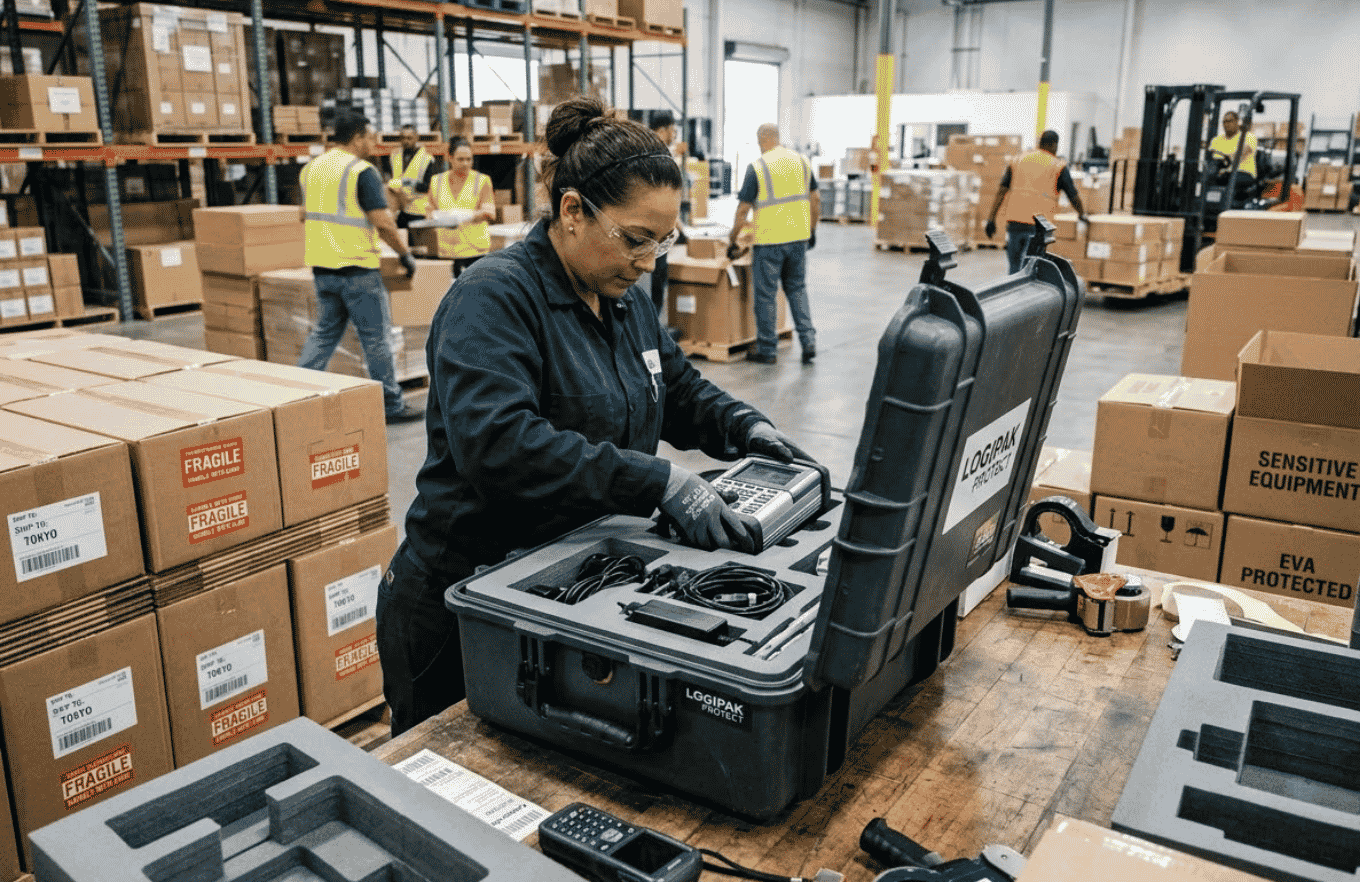
This shock absorption capability is particularly valuable for electronics and precision instruments that require delicate handling. By using LDPE foam inserts or protective layers, manufacturers significantly reduce the risk of component damage during assembly or transport.
Combining LDPE foam with TPE foam enhances protective performance even further. TPE foam introduces additional elasticity, allowing the packaging system to recover quickly after compression or impact.
Hybrid foam structures offer improved resilience in high-stress environments. Samad Foam supports these advanced applications by manufacturing foam materials designed to withstand demanding industrial conditions across the USA.

Temperature stability is critical for many manufactured goods. Electronics, pharmaceuticals, and chemical products require packaging materials that can help maintain consistent environmental conditions.
LDPE foam acts as an effective thermal insulator by trapping air within its closed-cell structure. This reduces heat transfer and protects products from sudden temperature changes during transportation or storage.
The insulation properties of LDPE foam are also beneficial within manufacturing facilities. Foam panels and insulation layers help control temperature fluctuations in production environments.
By reducing heat loss and improving thermal stability, LDPE foam contributes to energy efficiency and lower operational costs. Samad Foam continues to produce industrial-grade foam solutions that support temperature control systems used by manufacturers in Europe.
Moisture exposure can compromise many traditional packaging materials. Paper-based inserts or fiber materials often absorb water, losing their structural integrity.
LDPE foam resists water penetration due to its closed-cell structure. This makes it highly suitable for manufacturing environments where humidity or accidental liquid exposure may occur.
In addition to moisture resistance, LDPE foam performs well in environments exposed to chemicals, oils, or temperature fluctuations. This durability allows manufacturers to rely on the material across a wide range of industrial settings.
TPE foam can be integrated with LDPE foam to enhance flexibility and resilience under extreme conditions. Samad Foam develops materials designed to maintain performance even in challenging operational environments.
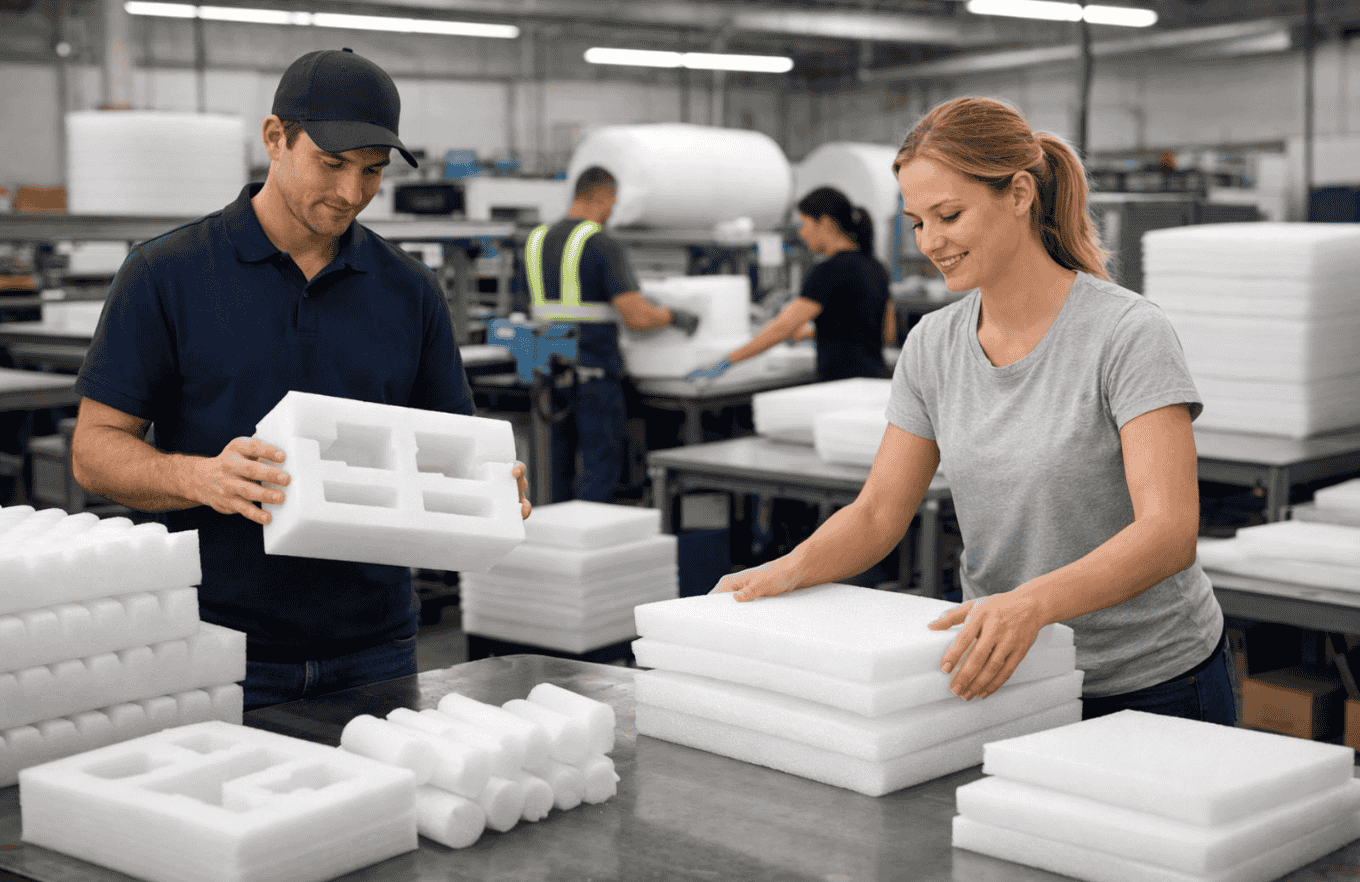
Manufacturing applications often require protective materials that match specific product shapes. LDPE foam can be easily cut, molded, and shaped to fit unique product designs.
This flexibility enables manufacturers to create custom packaging inserts, insulation layers, and protective components that align perfectly with product dimensions.

Custom-cut LDPE foam inserts help secure products inside packaging systems. These inserts prevent items from shifting during transportation, reducing the risk of impact damage.
Samad Foam works with manufacturers to produce customized LDPE foam solutions that support efficient packaging designs while improving product stability across supply chains.
Durability plays an important role in sustainable manufacturing practices. LDPE foam maintains its structural integrity even after repeated use, allowing it to be reused across multiple packaging cycles.
This long lifespan reduces the need for frequent material replacement, helping manufacturers lower waste generation and improve resource efficiency.
Modern manufacturing increasingly focuses on sustainability and environmentally responsible material choices. LDPE foam contributes to these goals by offering lightweight protection that reduces shipping emissions and packaging waste.
By combining LDPE foam with innovative TPE foam materials, manufacturers can create protective systems that balance performance with sustainability. Samad Foam continues to support responsible production practices by delivering high-quality foam materials for global industrial markets.
Manufacturers rely on materials that provide reliability, flexibility, and consistent performance. LDPE foam delivers all of these qualities while supporting efficient production systems and safe product transportation.
Its lightweight composition, shock absorption, thermal insulation, and moisture resistance make LDPE foam an essential component in modern manufacturing applications. When paired with TPE foam technologies and supplied by experienced manufacturers like Samad Foam, this material continues to support innovation across industrial sectors.
As manufacturing industries evolve, LDPE foam will remain a trusted solution for improving product protection, operational efficiency, and sustainable material usage.
Connect with Samad Foam today to explore advanced LDPE foam materials engineered for modern manufacturing, protective packaging, insulation solutions, and customized industrial applications worldwide.
LDPE foam offers lightweight cushioning, shock absorption, thermal insulation, and moisture resistance, making it suitable for packaging, insulation, and protective manufacturing solutions.
LDPE foam absorbs impact forces, stabilizes products inside packaging, and prevents vibration damage during transportation and storage.
Manufacturers combine LDPE foam with TPE foam to enhance flexibility, durability, and cushioning performance for demanding industrial and packaging applications.
.svg)

.svg)