Heavy-duty applications demand materials that can handle pressure, moisture, repeated impact, and changing working conditions without quickly losing their performance. This is where Closed-Cell Foam becomes an interesting option for manufacturers, engineers, and product designers. Its tightly formed cellular structure gives it useful properties for demanding environments, from industrial protection to equipment cushioning and specialized flooring. But does it really deserve the title of an ultimate heavy-duty material? The answer depends on how, where, and why it is being used. In this blog, we are going to examine its key performance advantages, practical limitations, and why material selection matters when reliability is non-negotiable.
Heavy-duty products often face challenges that ordinary materials struggle to manage. Constant compression, physical impact, water exposure, temperature changes, and surface friction can gradually affect performance. A material may look strong on day one but fail to deliver the same protection after months of demanding use.
Closed-cell construction offers a useful advantage because its individual cells are sealed rather than openly connected. This structure helps limit water absorption and provides consistent cushioning characteristics. As a result, the material can be considered for applications where moisture resistance and resilience are important.
Samad Foam supplies foam solutions designed for different industrial and commercial requirements, helping manufacturers select suitable specifications according to their intended application.
One of the biggest advantages is its resistance to moisture. The sealed cellular structure limits the amount of water that can penetrate the material. This makes it suitable for environments where occasional exposure to humidity, splashes, or moisture is expected.
For packaging, insulation, protective components, and industrial products, this characteristic can help maintain material performance while reducing concerns associated with moisture-related degradation.
Heavy-duty equipment and products often need protection from vibration, impact, and compression. The cellular structure provides cushioning that can help absorb mechanical forces.
The right density and thickness are important here. A thicker material is not automatically better. Manufacturers need to consider load, compression requirements, recovery, and the duration of pressure before selecting a suitable specification.
Heavy-duty does not always have to mean heavy. One reason foam remains popular in industrial design is its ability to provide useful protective characteristics without adding excessive weight.
This can be particularly valuable in packaging and transportation, where reducing unnecessary weight can improve handling and logistics efficiency. Samad Foam works with foam requirements for applications where balancing protection, weight, and practicality is essential.
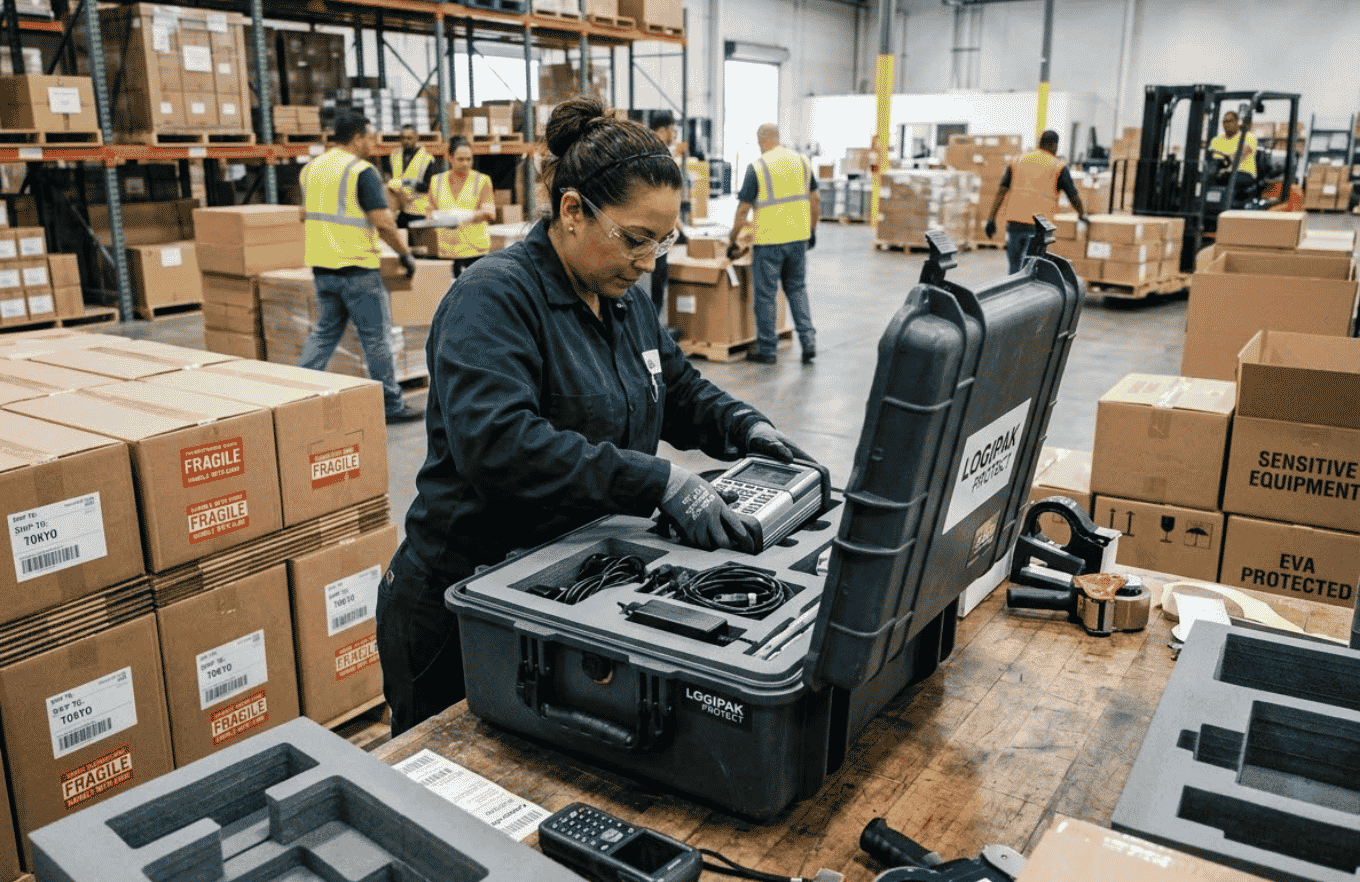
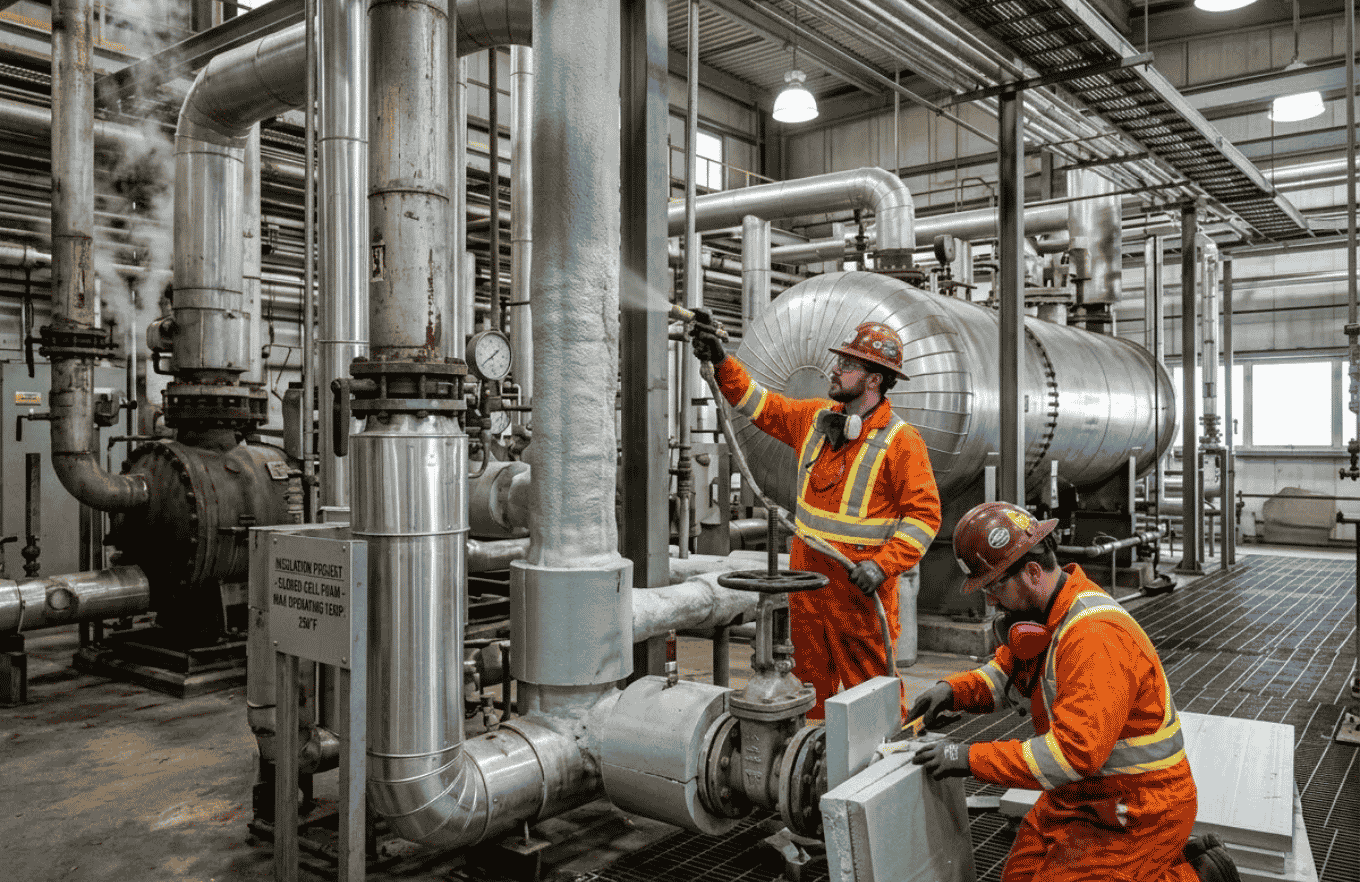
The material can be useful across several sectors. Industrial packaging can use it to cushion sensitive components, while automotive applications may use foam for sealing, vibration control, or protective elements. It can also support flooring, insulation, sports products, and equipment protection where resilience and moisture resistance are priorities.
In Europe, manufacturers increasingly consider material efficiency alongside performance when developing products for demanding applications. Meanwhile, buyers in the USA often evaluate foam based on application-specific requirements such as durability, dimensional stability, and protection during transportation.
This makes specification more important than simply choosing a material based on its name.
Performance is only one part of modern material selection. Sustainability is becoming increasingly important as manufacturers examine the environmental impact of production and product life cycles.
Depending on the application and available formulation, Recycled Foam can provide an opportunity to incorporate recovered material into suitable products. This can help support resource-efficiency goals while maintaining practical performance where the specification allows it.
However, recycled content should always be evaluated according to the product's technical requirements. Load resistance, density, flexibility, durability, and intended service conditions still need careful consideration.

Not necessarily. No single foam material is ideal for every application. Extreme temperatures, chemical exposure, unusual compression loads, fire requirements, and specific regulatory standards may require another formulation or material altogether.
The smartest approach is to evaluate the actual operating environment before making a decision. Consider the expected load, moisture exposure, temperature range, impact level, required lifespan, thickness, density, and finishing requirements.
Samad Foam can help businesses assess these factors when selecting foam solutions for specialized products and industrial applications.
So, is Closed-Cell Foam the ultimate choice for heavy-duty applications? In many situations, it can be an excellent option because of its moisture resistance, cushioning performance, lightweight structure, and versatility. Still, the best choice depends on the specific demands placed on the final product. A properly matched foam specification can make a significant difference in durability, protection, and long-term value.
Contact Samad Foam today for reliable foam solutions, application guidance, customized specifications, and professional support for demanding industrial requirements worldwide.
It can be suitable for many outdoor applications because its sealed structure offers strong resistance to moisture. However, outdoor exposure, temperature, UV conditions, and the required service life should be assessed before selection.
Yes, depending on the formulation and performance requirements. Recycled Foam can be considered where suitable density, compression, resilience, and durability meet the application's technical specifications.
Thickness should be selected according to expected loads, cushioning requirements, compression, environmental exposure, and product design. Testing samples under realistic conditions can help confirm the appropriate specification.