Sustainability has become one of the biggest priorities for manufacturers across modern industries. Businesses are now expected to create products that not only perform efficiently but also reduce environmental impact. Well, it becomes clear that Buoyant Foam is playing a major role in this transformation because of its lightweight structure, durability, and long-lasting performance. Moreover, industries are increasingly combining Buoyant Foam with eco-conscious manufacturing strategies to create smarter solutions for marine, industrial, and consumer applications. Recycled Foam technologies are also contributing to greener production systems by minimizing material waste while maintaining reliable product quality. Samad Foam continues to support industries with advanced foam solutions designed for evolving sustainability goals worldwide.
Manufacturers today face increasing pressure to reduce carbon emissions, lower waste generation, and improve material efficiency. Furthermore, customers actively prefer businesses that prioritize environmentally responsible production methods.
Traditional materials often create excessive waste, increase transportation weight, and consume more resources during production. As a result, industries are searching for alternatives that support long-term sustainability goals.
Key sustainability concerns industries aim to solve include:
● Excessive material waste
● High transportation emissions
● Short product lifecycles
● Non-recyclable packaging materials
● Increased environmental regulations
Most importantly, businesses need materials that balance performance with environmental responsibility.
Modern foam technologies are designed to improve efficiency while reducing environmental impact. Buoyant Foam contributes significantly because of its lightweight and highly durable structure.
Transportation emissions are directly affected by product weight. Lightweight materials help businesses lower shipping fuel consumption and improve logistics efficiency.
Benefits of lightweight foam materials include:
● Reduced transportation costs
● Lower fuel consumption
● Improved handling efficiency
● Better storage optimization
● Reduced operational emissions
Moreover, industries using lightweight foam materials can improve supply chain sustainability without compromising product performance.
Durability is a major sustainability factor. Products that last longer reduce replacement frequency and material waste over time.
Buoyant Foam maintains structural integrity even under demanding conditions, which helps businesses extend product usability and reduce landfill contributions.
Samad Foam develops durable foam solutions that support long-term industrial and marine applications while maintaining consistent quality standards.
Environmental awareness has encouraged manufacturers to invest in recycled materials and circular production systems. Consequently, Recycled Foam has become increasingly important across various industries.
Using recycled content reduces raw material consumption and minimizes industrial waste. Furthermore, businesses can maintain high-performance standards while supporting environmental goals.
Industries benefit from recycled materials through:
● Reduced environmental impact
● Lower manufacturing waste
● Better resource management
● Improved sustainability compliance
● Eco-conscious product positioning
Most importantly, recycled foam technologies allow companies to create products that align with modern environmental expectations.
Circular manufacturing focuses on reusing materials instead of constantly generating waste. Foam recycling initiatives help manufacturers create more sustainable production cycles.
Samad Foam continues investing in environmentally responsible manufacturing practices that support sustainable foam production for international clients, including markets across Europe.
The flexibility of foam materials allows industries to use them across multiple applications while maintaining sustainability goals.
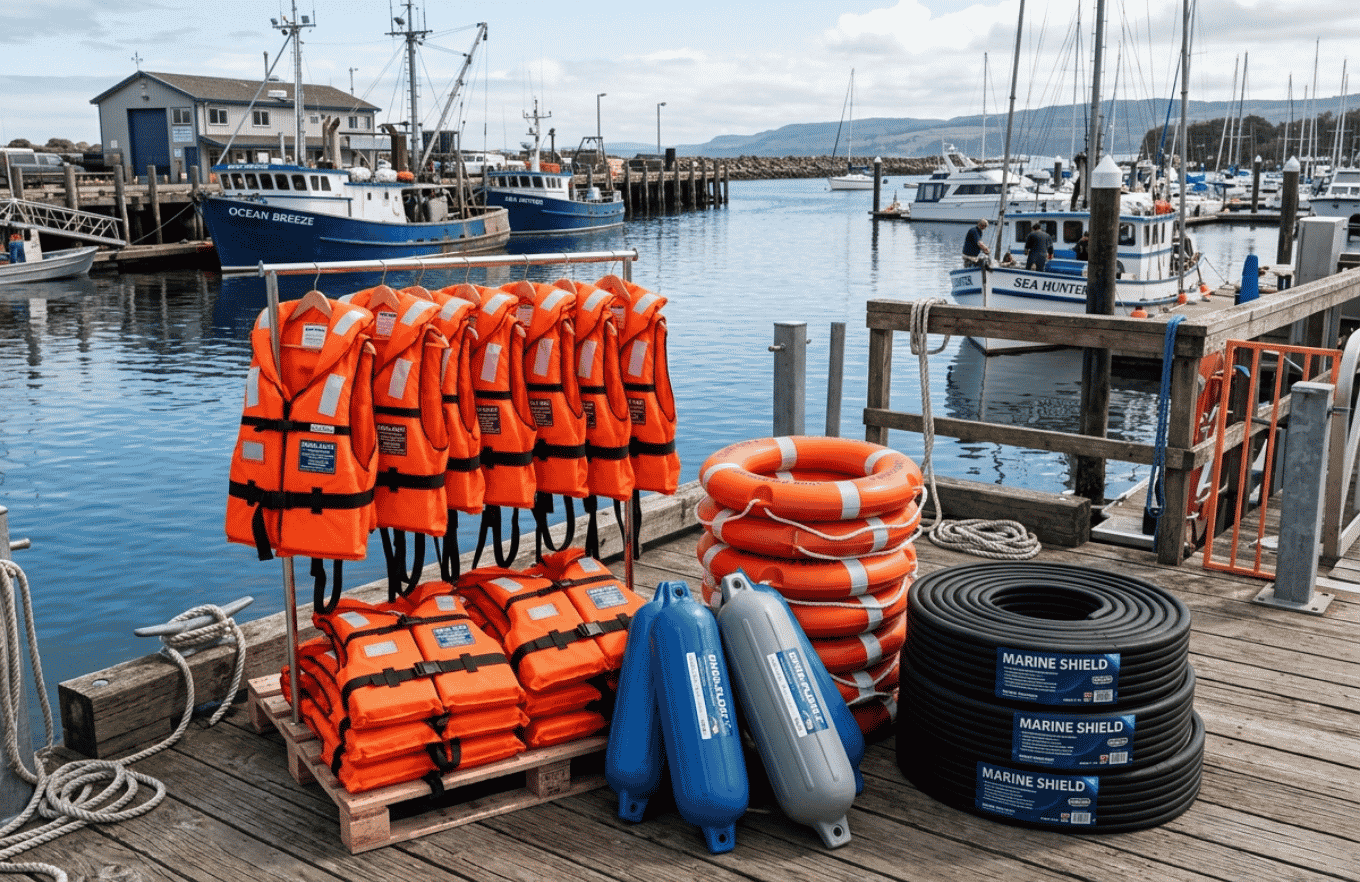
Marine environments require materials that resist water absorption while maintaining buoyancy and durability. Foam solutions provide excellent flotation support without increasing unnecessary weight.
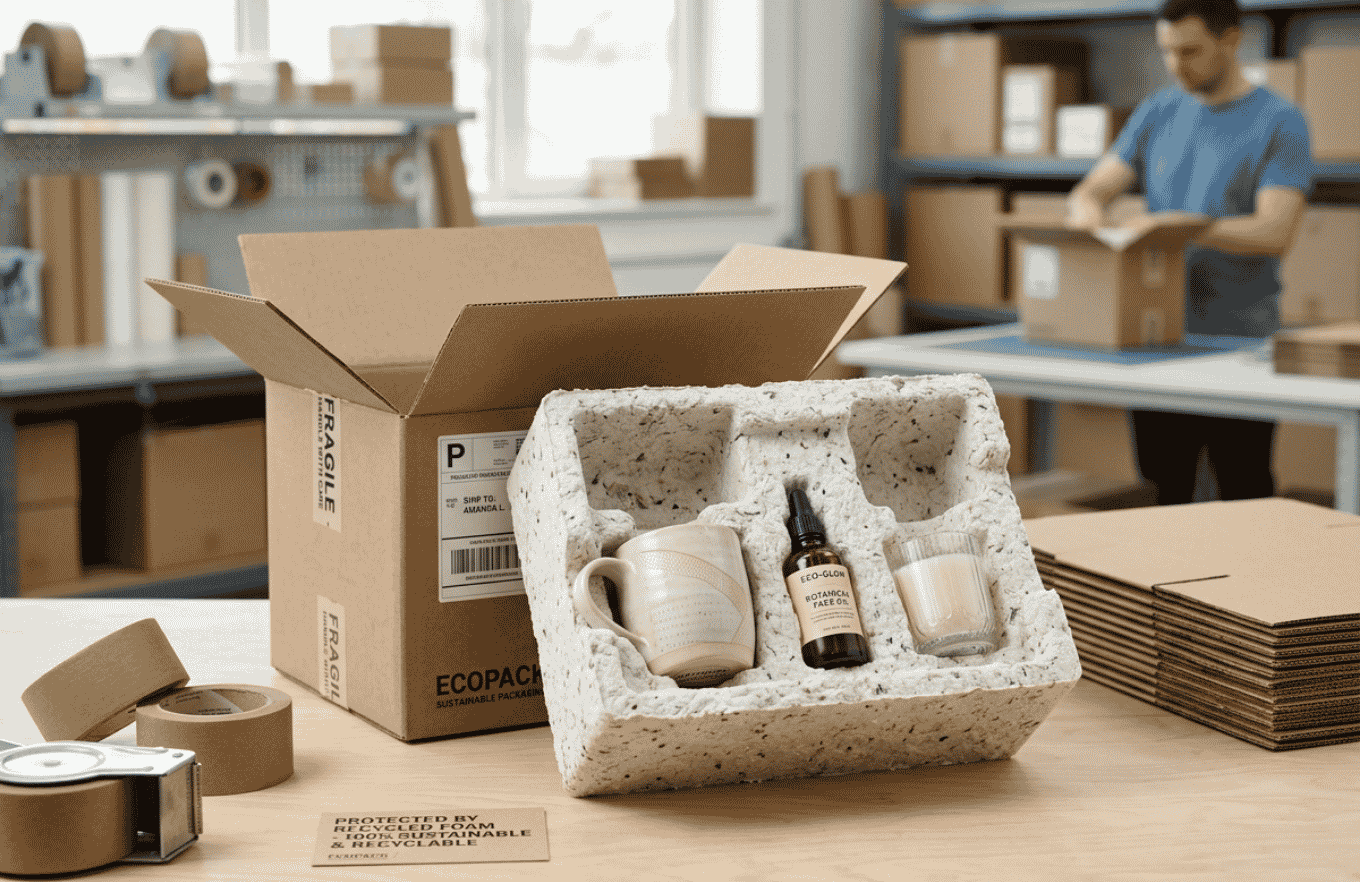
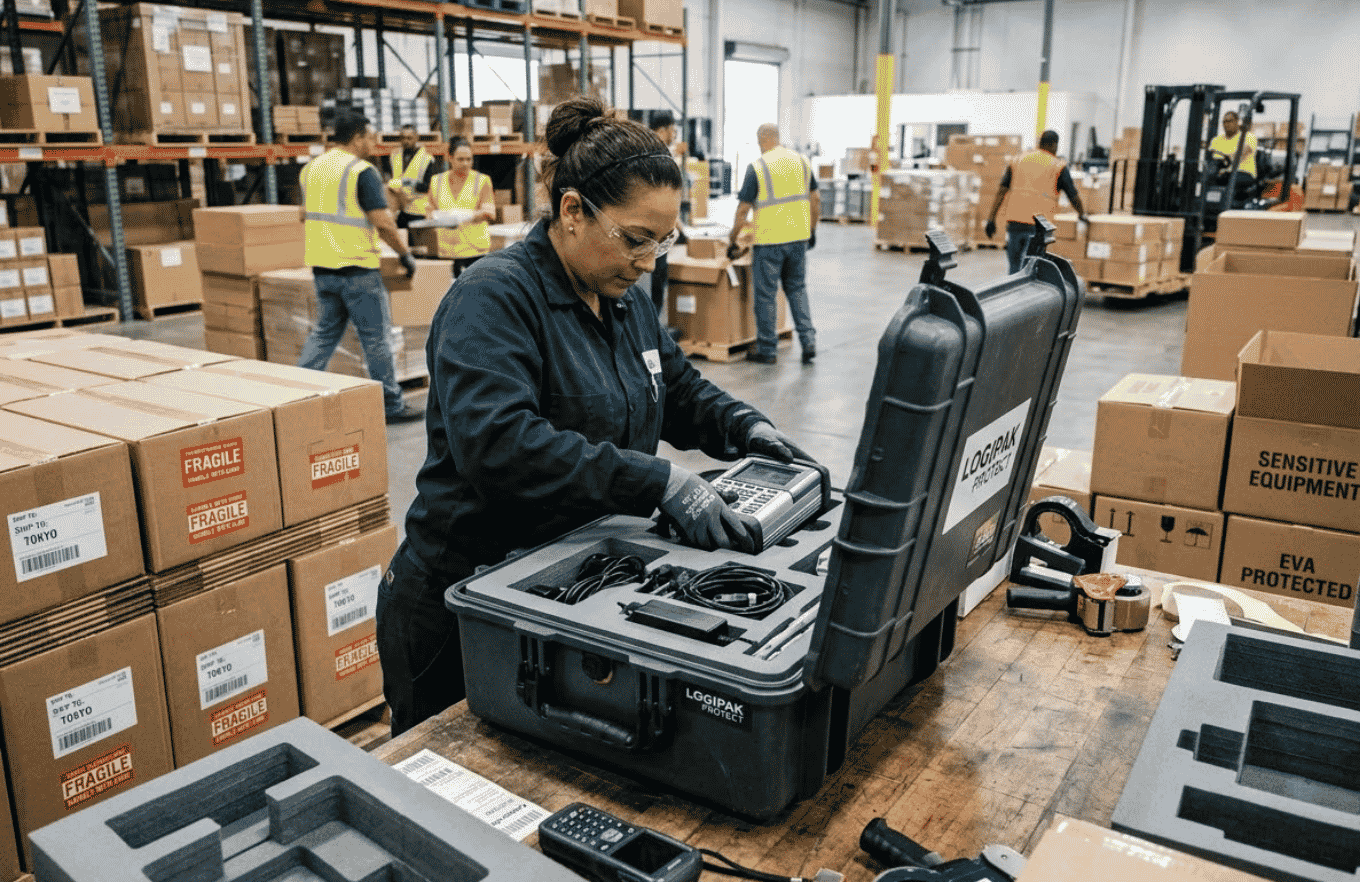
Sustainable packaging has become essential for global businesses. Foam packaging solutions protect products while reducing transportation weight and shipping-related emissions.
Sports equipment manufacturers rely on foam materials for safety, comfort, and durability. Lightweight foam improves usability while supporting eco-conscious product design.
Construction industries use foam materials for insulation, cushioning, and protective applications. Moreover, foam helps improve energy efficiency in buildings and infrastructure systems.
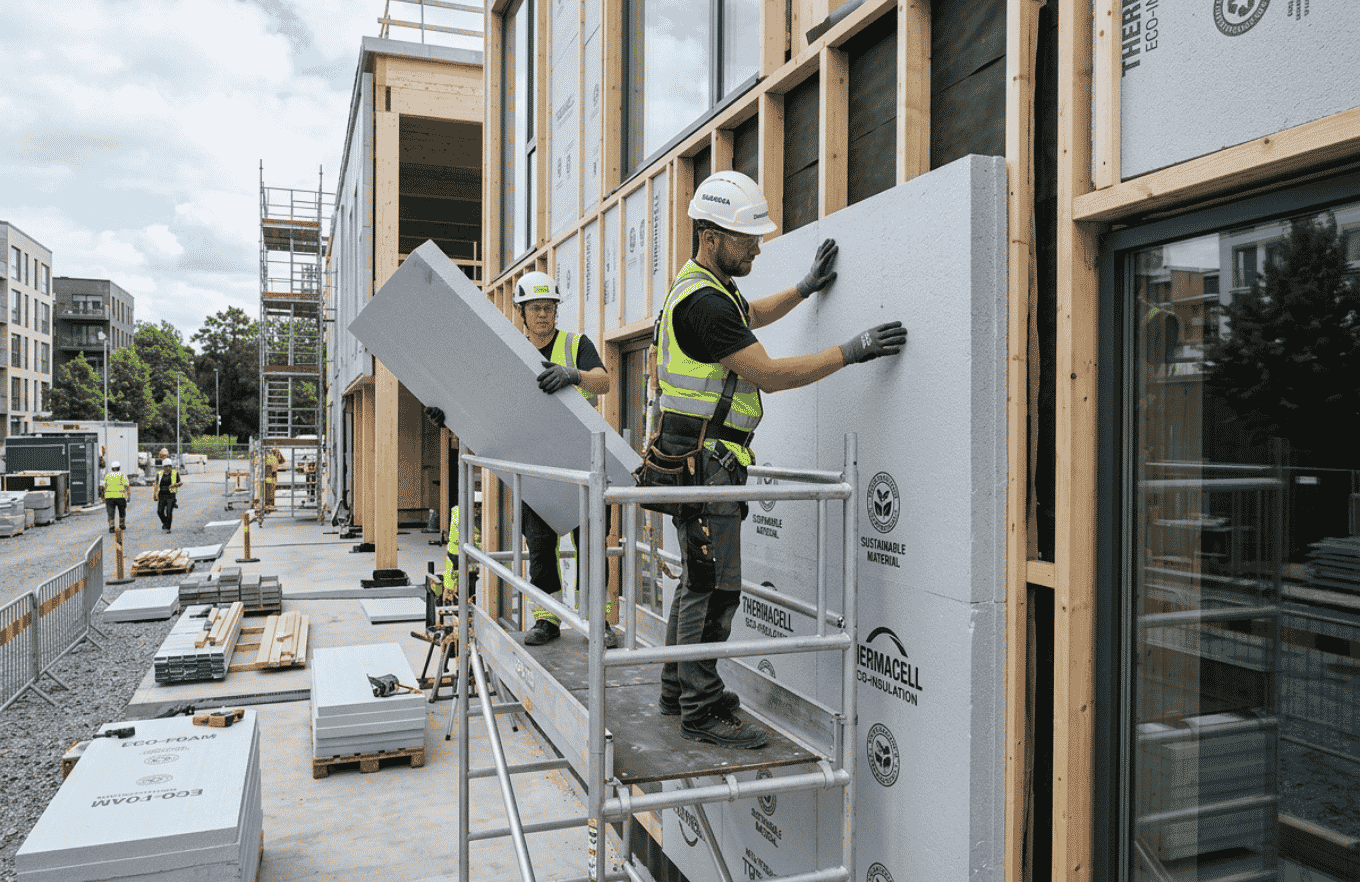
Foam materials support sustainable development because they combine multiple functional benefits within one solution.
Water-resistant materials maintain performance longer and reduce replacement frequency. This directly contributes to lower waste generation.
Foam materials can be customized for various applications, reducing the need for excessive material usage and improving production efficiency.
Modern foam manufacturing technologies are becoming more energy efficient, allowing businesses to reduce production-related environmental impact.
Samad Foam supplies industries in the USA with customized foam solutions designed for high performance and long-term sustainability.
Industries face numerous operational and environmental challenges that advanced foam materials can address effectively.
Sustainable foam solutions help businesses overcome:
● Excessive packaging waste
● Product damage during shipping
● High transportation costs
● Poor material durability
● Environmental compliance issues
Furthermore, foam technologies continue evolving to meet stricter sustainability regulations across global markets.
The future of industrial manufacturing depends heavily on sustainable innovation. Foam technologies are expected to play a bigger role in environmentally conscious production systems.
Emerging trends include:
● Improved recyclable foam technologies
● Bio-based material integration
● Lightweight high-performance foam systems
● Low-emission manufacturing processes
● Smart sustainable packaging solutions
Most importantly, industries are prioritizing materials that combine performance, cost efficiency, and environmental responsibility.
Sustainable manufacturing is no longer optional for modern industries. Businesses need materials that improve efficiency while reducing environmental impact. Buoyant Foam supports sustainable product development by offering lightweight performance, durability, and long-term usability across multiple industries. Additionally, Recycled Foam technologies help manufacturers minimize waste and improve resource efficiency without compromising quality. As industries continue evolving toward greener production systems, advanced foam solutions will remain essential for achieving both operational and environmental goals.
Contact Samad Foam today for innovative, sustainable foam solutions designed to improve product performance, reduce environmental impact, and support long-term industrial growth.
Buoyant Foam supports sustainable product development by reducing transportation weight, improving durability, and minimizing long-term material waste across industries.
Recycled Foam helps reduce raw material consumption and manufacturing waste while supporting environmentally responsible production and sustainable business operations.
Marine, packaging, construction, sports, and industrial manufacturing sectors benefit greatly from sustainable foam materials because of their lightweight durability and performance efficiency.
.svg)

.svg)