Buoyant foam plays an important role in marine systems, packaging protection, and flotation-based engineering applications. Its ability to remain lightweight while delivering strong water resistance makes it a preferred material in industries that demand stability and safety. In many modern applications, buoyant foam is selected not just for its floating ability but also for its long-term durability and resistance to environmental stress.
Over time, engineers and manufacturers have refined the use of buoyant foam to improve performance in both industrial and commercial environments. Today, materials like recycled foam are also being integrated into buoyant foam structures to improve sustainability without compromising strength.
As industries continue to evolve, understanding how buoyant foam performs under different conditions becomes essential for better material selection and product design.

Buoyant foam works through a combination of structure, density, and closed-cell composition. These factors determine how well it resists water absorption and maintains flotation over time.
The closed-cell design prevents water from entering the material. This ensures long-term flotation even under continuous exposure.
Lower density improves buoyancy, while slightly higher density increases durability. The balance between these two defines overall performance.
High-quality foam resists deformation under pressure, which is critical in marine and packaging applications.
Several measurable properties determine how well buoyant foam performs in real-world use cases.
One of the most important features is its ability to resist water penetration. Low absorption ensures stability in wet environments.
Buoyant foam must maintain shape even after repeated stress. This is especially important in floating devices and protective packaging.
Temperature changes can affect foam performance. High-quality foam remains stable in both hot and cold conditions.
Exposure to oils, salts, and industrial chemicals should not degrade the foam quickly.
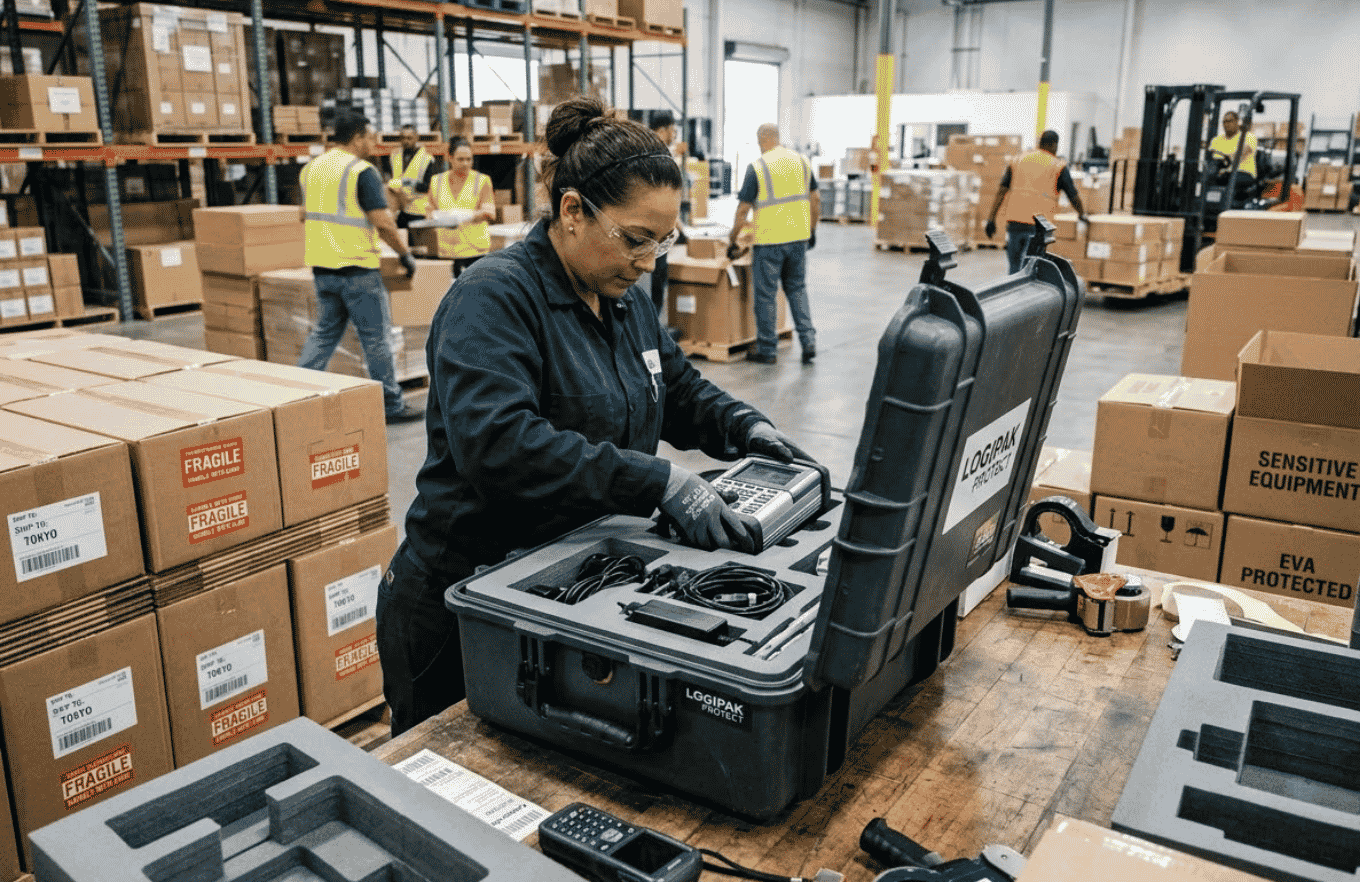
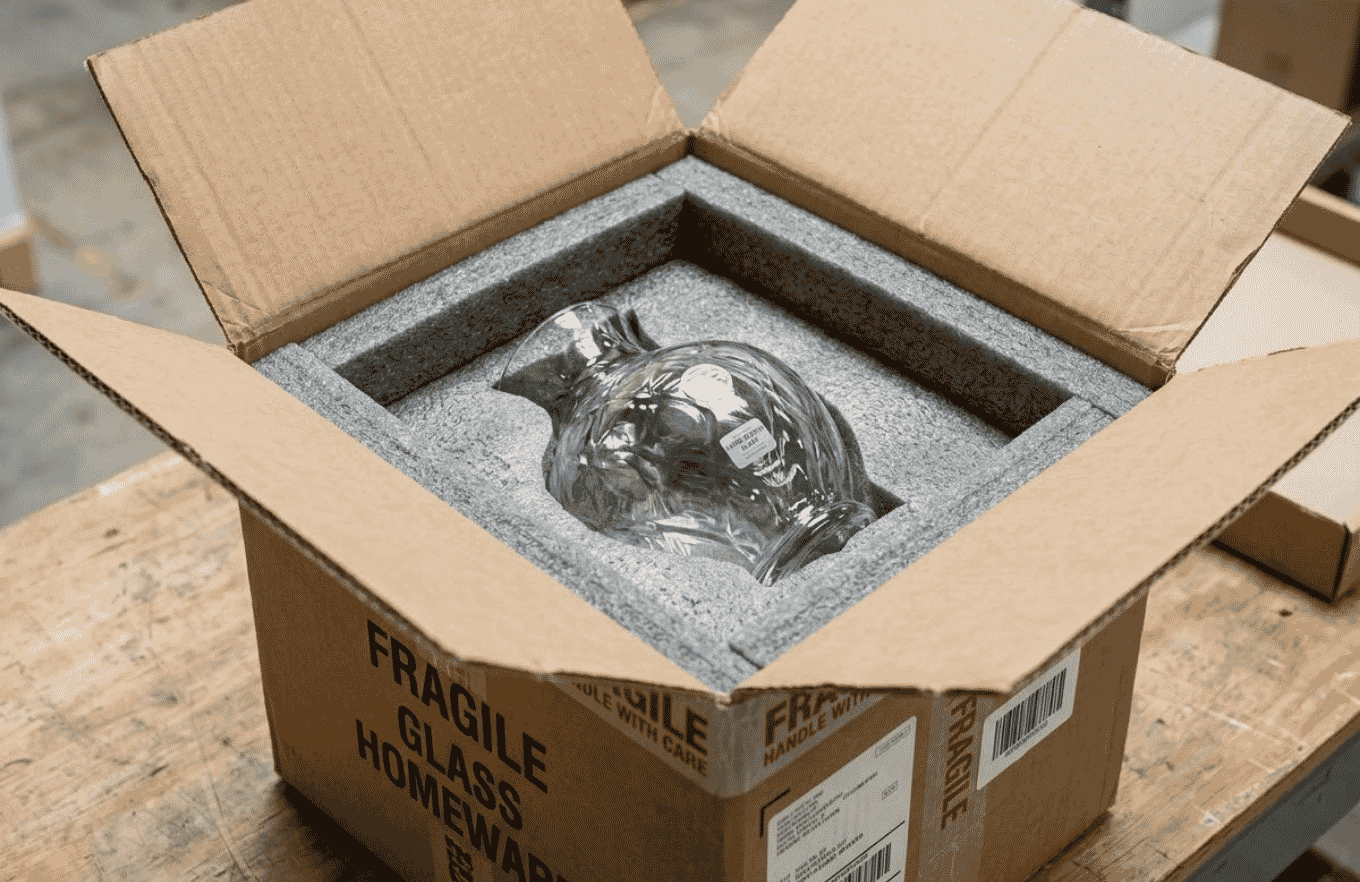
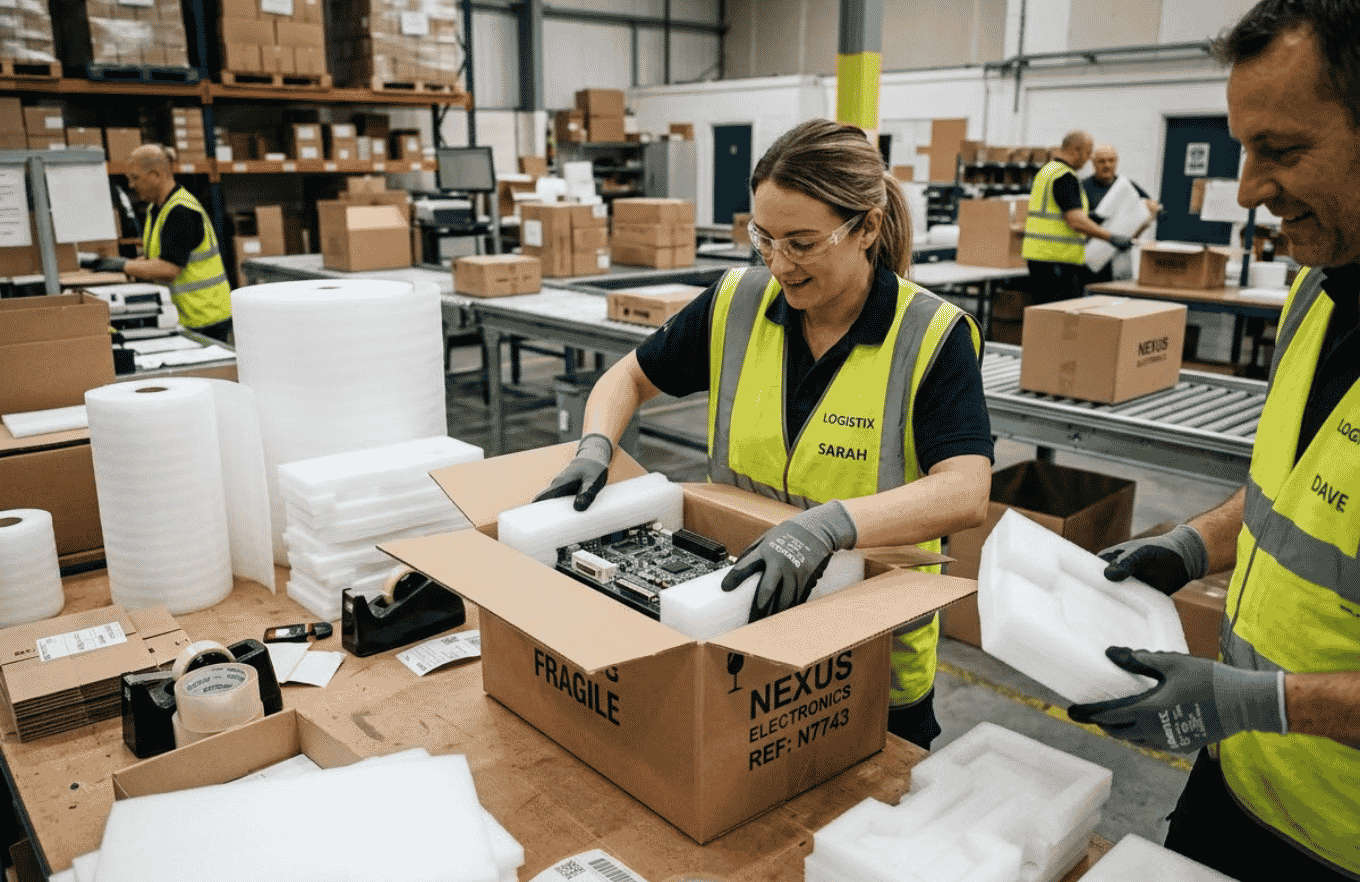
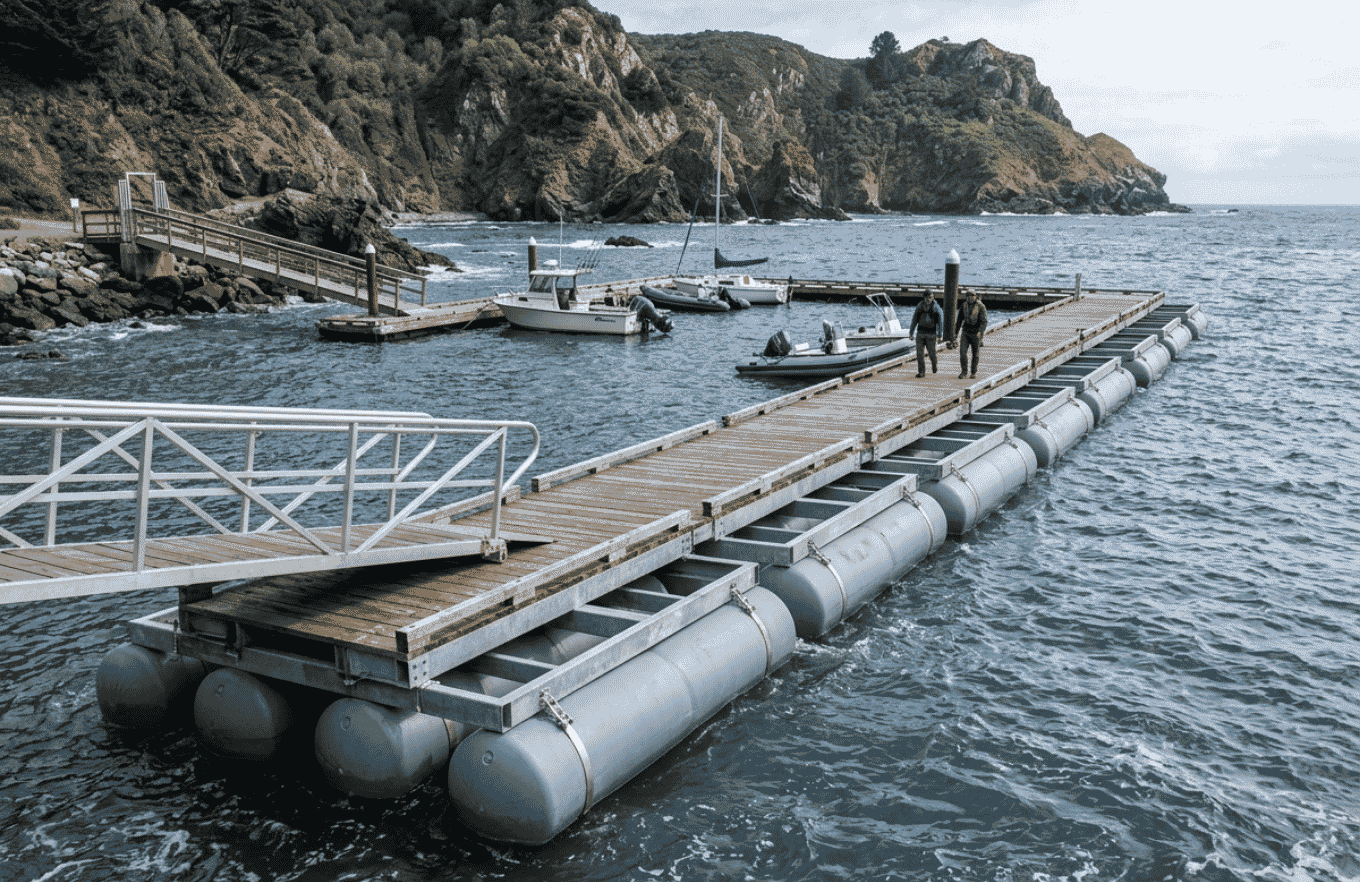
Buoyant foam is widely used across multiple industries due to its reliability and performance consistency.
In many international supply chains, companies like Samad Foam supply engineered foam solutions tailored for these demanding environments.

Sustainability is now becoming a major factor in material development. Recycled foam is increasingly being used in buoyant foam production to reduce environmental impact.
In regions such as Europe and the USA, manufacturers like Samad Foam are focusing on eco-efficient foam solutions that still meet industrial-grade performance standards.
Before deployment, buoyant foam undergoes strict testing procedures to ensure reliability.
These tests ensure that the foam can withstand real-world conditions without losing functionality.
Buoyant foam is often selected because it solves several long-standing material challenges.
Traditional materials absorb moisture, while buoyant foam prevents it completely.
Its lightweight structure reduces transportation and handling costs.
Buoyant foam lasts longer due to its resistance to wear and environmental exposure.
The demand for advanced foam solutions continues to grow. Industries are now prioritizing performance combined with environmental responsibility.
Manufacturers like Samad Foam are investing in hybrid foam technologies that combine buoyancy, durability, and recycled material integration.
Future developments are expected to focus on:
Buoyant foam remains a critical material across multiple industries due to its unique balance of lightweight structure and high-performance capabilities. Its water resistance, durability under stress, and adaptability make it suitable for both industrial and commercial use.
With advancements in recycled foam integration and improved manufacturing techniques, buoyant foam continues to evolve into a more sustainable and efficient solution for modern applications.
Contact us today to explore high-quality buoyant foam solutions designed for marine, packaging, and industrial performance requirements worldwide.
Buoyant foam is designed with a closed-cell structure that prevents water absorption and ensures long-lasting flotation performance.
Yes, it is widely used in protective packaging due to its shock absorption and moisture resistance properties.
Yes, when properly processed, recycled foam can maintain structural integrity while improving sustainability.
High-quality buoyant foam can last for years depending on exposure conditions and usage intensity.
.svg)

.svg)