Great yoga mats do not begin on the production line. They begin with smart sourcing decisions. Every reliable Yoga Mat Manufacturer understands that the quality of raw materials directly affects durability, comfort, safety, and customer satisfaction. While buyers often focus on the finished product, manufacturers spend considerable time evaluating suppliers, testing materials, and maintaining consistent standards before production even starts.
Material sourcing has become more challenging in recent years because of changing global demand, shipping delays, environmental regulations, and fluctuating raw material prices. These factors can influence production schedules, product quality, and overall business performance. Choosing dependable suppliers and maintaining strong quality control are now more important than ever. In this blog, we'll explain how manufacturers overcome sourcing challenges, maintain consistent product quality, and deliver reliable products that meet international expectations.
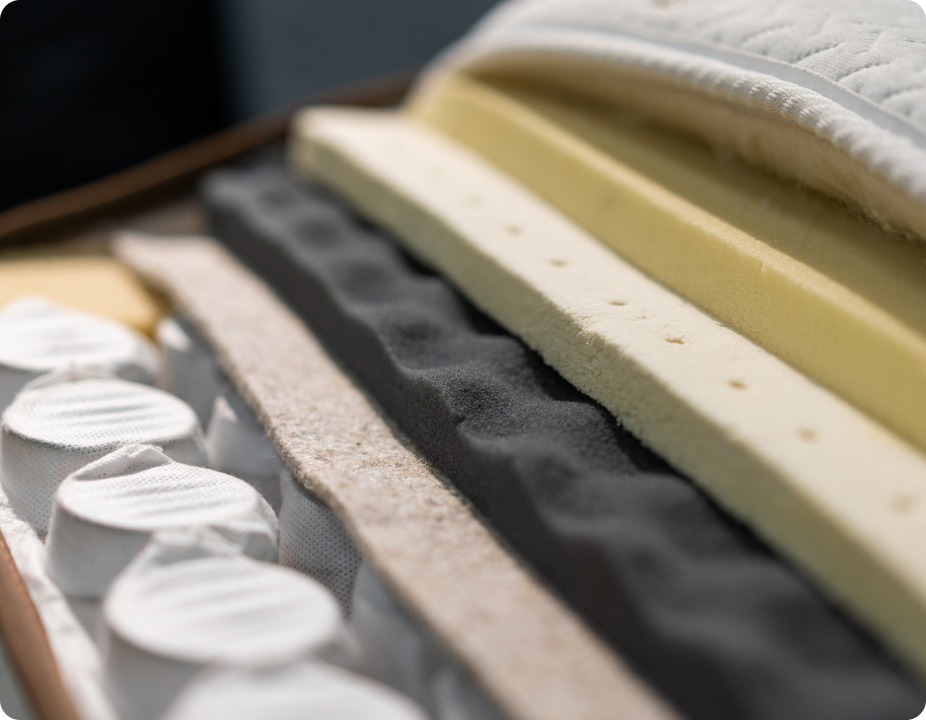
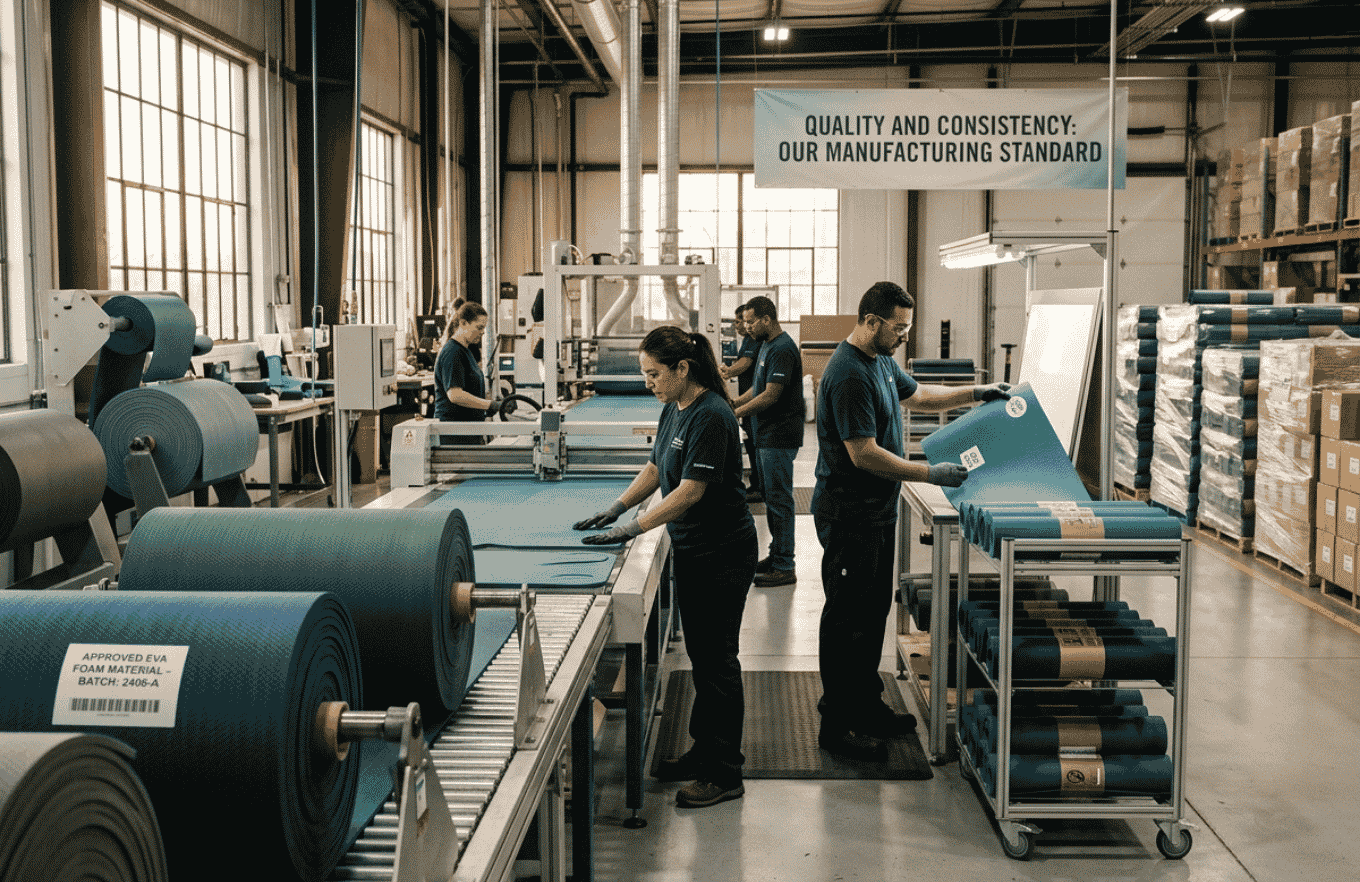
Selecting premium EVA Foam Material is one of the biggest responsibilities for manufacturers because every production batch depends on its consistency. Even slight variations in density, flexibility, or composition can affect how the final yoga mat performs.
Reliable sourcing provides several advantages:
● Consistent product quality across production batches
● Better durability and cushioning performance
● Stable manufacturing schedules
● Fewer production defects
● Greater customer satisfaction
This is why experienced manufacturers invest significant effort before approving any supplier.
Global supply chains constantly change due to transportation issues, seasonal demand, and manufacturing capacity. Sometimes raw materials become temporarily unavailable, forcing manufacturers to adjust purchasing strategies without compromising quality.
Not every supplier produces identical materials. Differences in manufacturing processes can create variations in flexibility, density, surface texture, or durability. Responsible manufacturers perform detailed inspections before accepting shipments.
International freight rates continue changing throughout the year. Shipping expenses influence production costs, especially for companies serving customers across different regions.
Today's customers increasingly expect environmentally responsible products. Manufacturers must verify supplier certifications and ensure materials comply with international regulations while maintaining product performance.
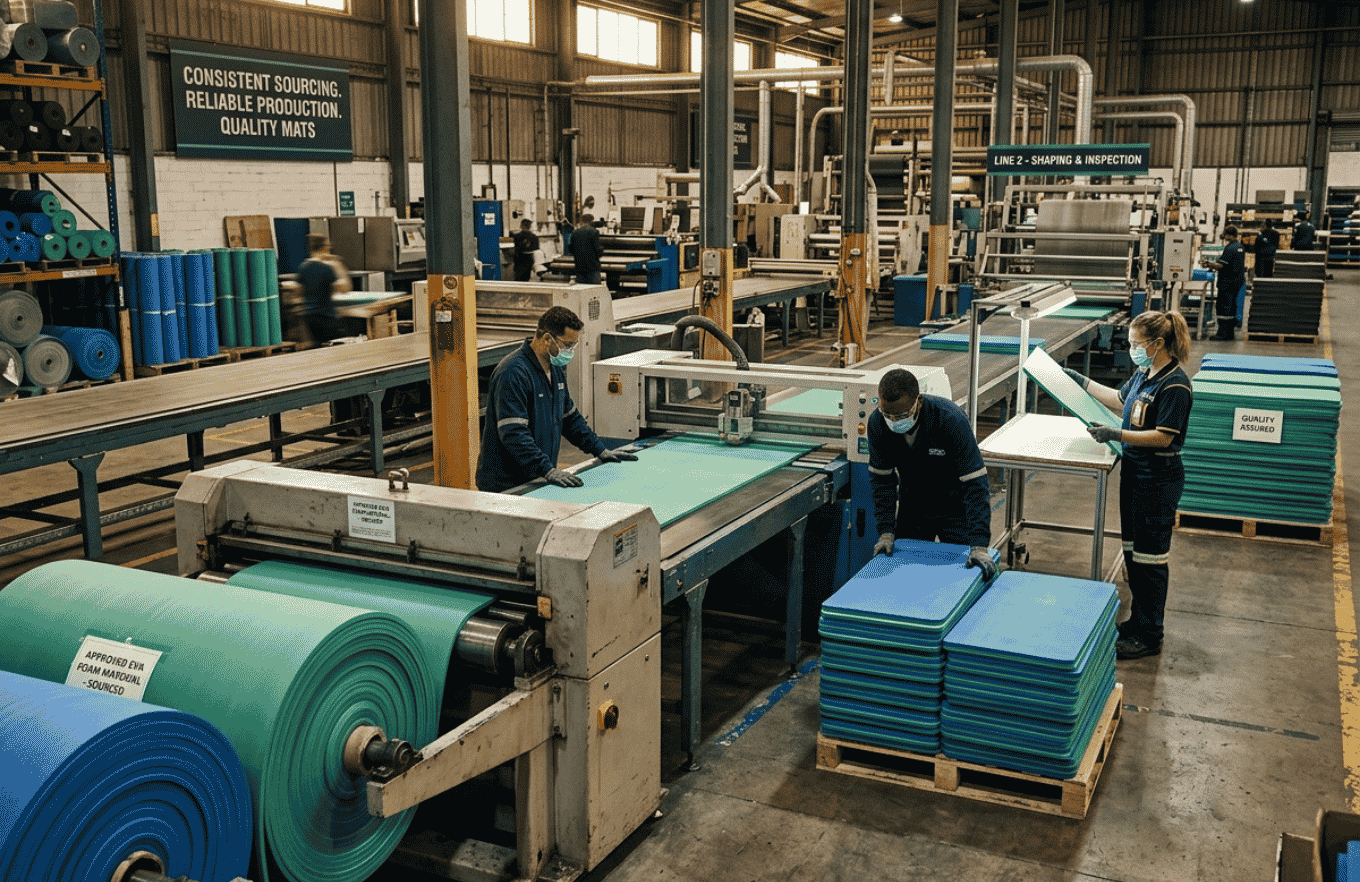
Rather than depending on a single supplier, experienced companies establish relationships with multiple qualified sources. This approach reduces operational risks and provides greater flexibility during market disruptions.
For example, Samad Foam carefully evaluates supplier performance through continuous quality testing, technical assessments, and long-term partnerships. This strategy helps maintain consistent production standards for customers in the USA while supporting reliable deliveries throughout changing market conditions.
Similarly, manufacturers serving clients across Europe often prioritize certified sourcing partners that meet strict environmental and quality requirements. Building diversified supplier networks enables production to continue even when one source experiences delays, ensuring customers receive dependable products without unnecessary interruptions.
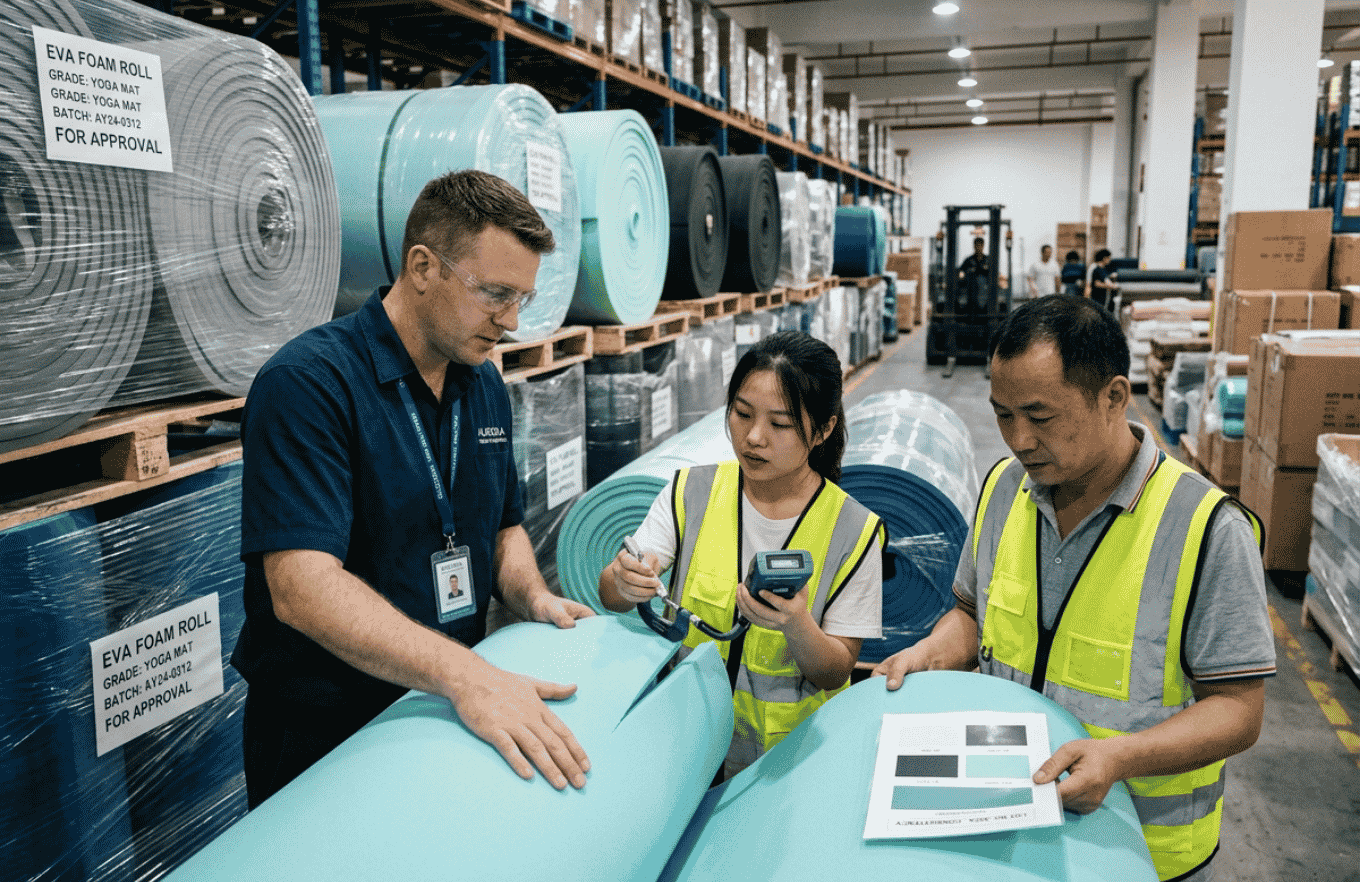
Material quality should never be assumed. Instead, every shipment should undergo thorough inspection before entering production. Reliable manufacturers verify that raw materials meet established specifications, preventing defects from appearing later in the manufacturing process.
Typical quality evaluation includes:
● Density consistency testing
● Compression and recovery performance
● Surface texture inspection
● Color consistency verification
● Moisture resistance evaluation
Dimensional accuracy checks
These inspections reduce waste, improve manufacturing efficiency, and help maintain consistent product performance across every production batch. Furthermore, identifying problems early saves both production time and operational costs.

Successful manufacturers understand that sourcing is not only about purchasing materials but also about managing inventory wisely. Holding too little inventory may delay production, while excessive stock increases storage costs and ties up working capital.
A balanced inventory strategy usually includes:
● Forecasting seasonal demand
● Monitoring supplier lead times
● Maintaining safety stock
● Reviewing purchasing schedules regularly
Most importantly, these planning practices allow manufacturers to continue production even during temporary supply chain disruptions.
Price should never be the only deciding factor when selecting suppliers. Long-term reliability often delivers greater value than short-term savings.
Experienced manufacturers evaluate suppliers based on:
● Consistent product quality
● Reliable delivery schedules
● Technical manufacturing support
● International certifications
● Stable production capacity
● Transparent communication
Strong supplier relationships create stability that benefits both manufacturers and customers over many years.
An experienced Yoga Mat Manufacturer understands that every finished product reflects hundreds of sourcing decisions made behind the scenes. Consistent materials help create mats that perform well under repeated use while meeting customer expectations across different markets.
At Samad Foam, sourcing strategies focus on dependable suppliers, rigorous quality inspections, and continuous process improvements. This commitment supports customers across Europe by delivering products that meet demanding international quality expectations while maintaining reliable manufacturing standards.
Businesses searching for dependable production partners often recognize that consistent sourcing contributes directly to customer satisfaction, fewer product returns, and stronger brand reputation. Investing in quality materials today helps prevent manufacturing problems tomorrow.
Partner with Samad Foam for dependable sourcing, premium manufacturing expertise, consistent product quality, and reliable international supply solutions tailored to your growing business needs.
Material sourcing is one of the most important foundations of successful manufacturing. Every reliable supplier relationship, quality inspection, and inventory decision contributes to the final product customers receive. While sourcing challenges continue evolving, experienced manufacturers overcome them through careful planning, supplier diversification, and strict quality standards. Businesses that choose manufacturers committed to premium raw materials can expect greater consistency, stronger product performance, and dependable long-term value.
A reliable Yoga Mat Manufacturer performs supplier audits, laboratory testing, incoming material inspections, and ongoing quality control to maintain consistent production standards.
EVA Foam Material offers excellent cushioning, lightweight performance, durability, flexibility, and moisture resistance, making it ideal for high-quality yoga mat production.
Buyers should ask about supplier certifications, quality control procedures, production capacity, lead times, customization options, and international export experience before placing large orders.
.svg)

.svg)