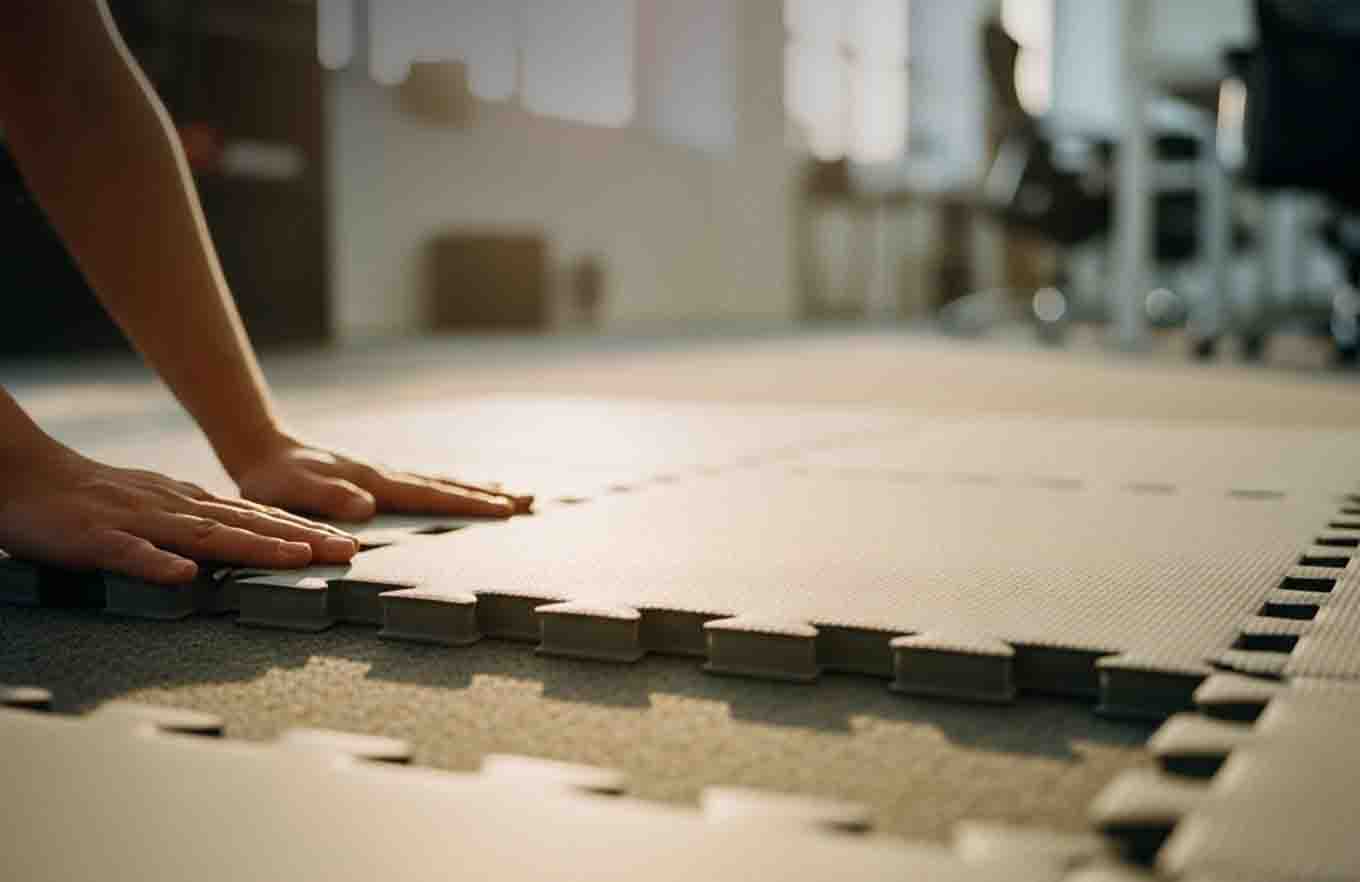
EVA Mats have quietly become a material staple across environments that demand comfort, resilience, and safety. From children’s playrooms to high-performance training facilities, these mats offer a balance of cushioning and durability that few materials can match. In the first moments, someone steps on an EVA Mat, and the difference is noticeable. The surface feels stable yet forgiving, firm but never harsh. That balance comes from EVA Foam, a closed-cell structure engineered to absorb impact while retaining shape over time. As demand grows across both consumer and professional spaces, EVA Mats are no longer limited to one purpose. They are being adapted, refined, and trusted across industries that value performance just as much as comfort.
The versatility of EVA Mats starts with their core material. EVA Foam is known for its lightweight structure, shock absorption, and resistance to wear. These properties allow the same mat to function equally well in a toddler’s play area or a high-intensity workout studio. Manufacturers appreciate that EVA Mats maintain consistency even under repeated pressure, moisture exposure, and daily use. This reliability has helped suppliers like Samad Foam develop solutions that meet both recreational and professional expectations without compromise.

In playrooms, schools, and daycare centers, safety always comes first. EVA Mats provide a soft landing for active movement while remaining firm enough to support balance and coordination. Unlike traditional flooring, EVA Foam reduces the impact of falls without creating instability. The material’s easy-to-clean surface also supports hygiene standards, which is a growing priority in shared spaces. In Europe, educational facilities increasingly rely on EVA Mats to create flexible play zones that can adapt as children grow and activities change.
Home workouts surged in popularity, and EVA Mats quickly became a core part of that shift. Whether used for yoga, stretching, or strength training, these mats offer joint protection without limiting movement. EVA Foam distributes body weight evenly, reducing pressure on knees, wrists, and backs during floor exercises. For users who train regularly, durability matters. EVA Mats resist compression sets, meaning they do not flatten permanently over time. Companies such as Samad Foam have refined formulations to meet these expectations, supplying mats that feel consistent even after years of use.
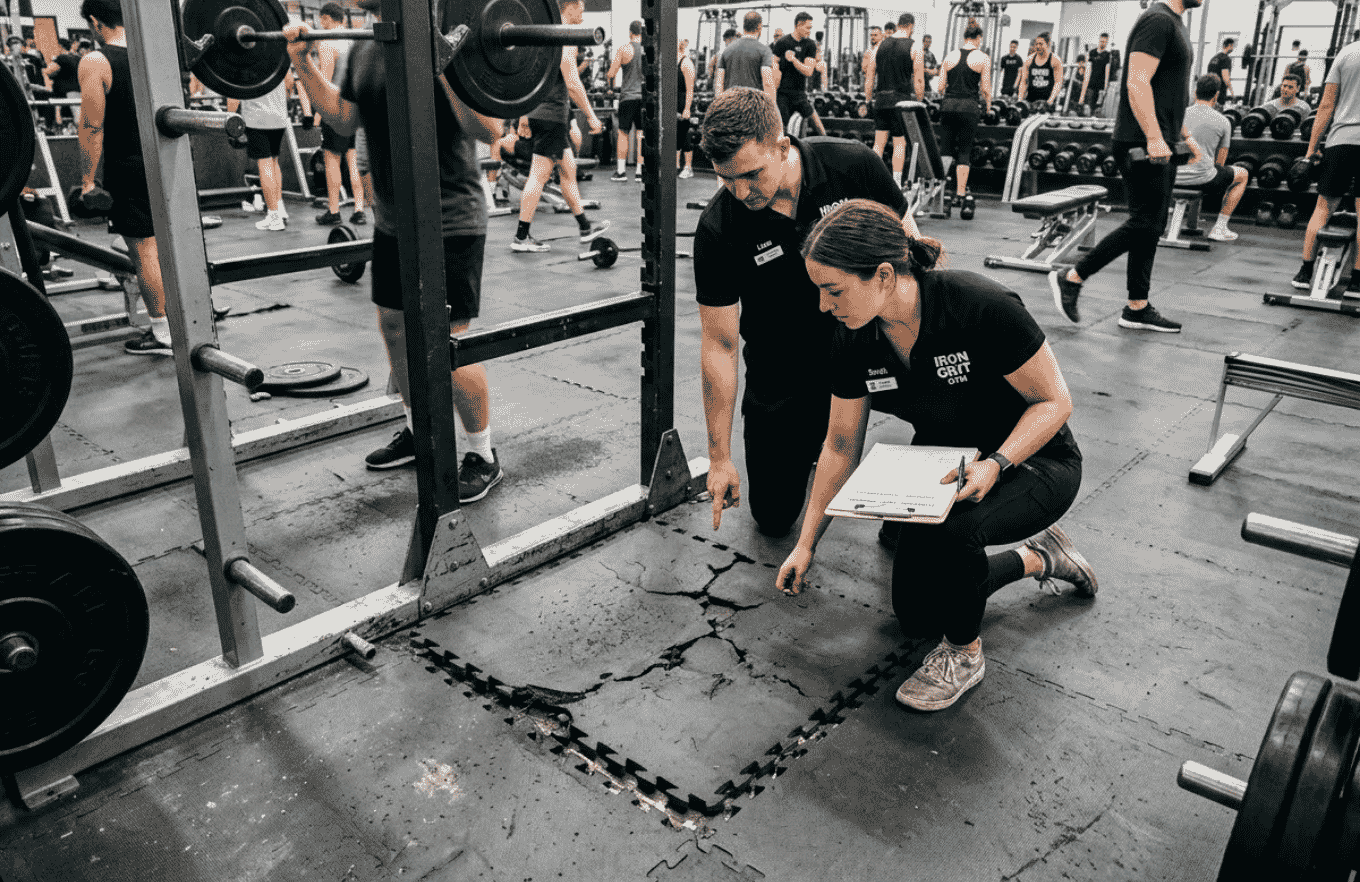
In commercial gyms and fitness studios, flooring faces constant stress. Heavy equipment, repeated foot traffic, and high-impact workouts demand materials that hold up without degrading. EVA Mats meet this challenge by combining resilience with sound absorption. Trainers appreciate how EVA Foam reduces noise while protecting subfloors. In the USA, many boutique fitness studios choose EVA Mats to create visually clean spaces that also perform under pressure. The material’s modular nature allows easy replacement or reconfiguration, which keeps long-term maintenance costs predictable.
Rehabilitation centers and physical therapy clinics rely on controlled surfaces that support recovery rather than strain. EVA Mats provide the right balance of softness and stability, helping patients rebuild strength and mobility safely. EVA Foam cushions sensitive joints while offering enough resistance to support guided movement. Therapists often favor EVA Mats because they allow consistent feedback during exercises. Samad Foam has supplied customized solutions for such environments, ensuring mat density aligns with therapeutic goals rather than generic use cases.

Beyond fitness and play, EVA Mats are finding roles in retail backrooms, exhibition spaces, and light industrial environments. Workers who stand for extended periods benefit from the fatigue-reducing properties of EVA Foam. These mats help improve comfort without sacrificing durability. In Europe, companies are increasingly adopting EVA Mats as part of ergonomic workplace design. Samad Foam supports this trend by offering materials that meet international performance expectations while remaining adaptable across industries.
The performance of EVA Mats always traces back to EVA Foam. Its closed-cell structure prevents water absorption, resists bacterial growth, and maintains elasticity. These traits allow mats to perform consistently across climates and usage conditions. Unlike traditional rubber or PVC alternatives, EVA Foam balances softness with structural integrity. This balance explains why Samad Foam continues to invest in refining foam formulations for both consumer and professional markets.
From playful environments to serious training spaces, EVA Mats have proven they are more than just floor coverings. Their ability to adapt across use cases comes from the dependable performance of EVA Foam and thoughtful manufacturing. As expectations around comfort, safety, and durability continue to rise, EVA Mats remain a practical and forward-looking choice. With international reach and experience across sectors, Samad Foam demonstrates how quality materials can support both everyday activities and professional demands without compromise.
Contact Samad Foam today to explore custom EVA Mats designed for your space, performance needs, and long-term durability.
Yes, EVA Mats are designed to provide impact absorption and stability for users of all ages. The flexibility of EVA Foam allows manufacturers to adjust density for specific applications.
EVA Mats perform well under repeated use because EVA Foam resists compression and wear. This makes them suitable for gyms, studios, and training facilities.
EVA Mats can be customized in thickness, density, and finish. Suppliers like Samad Foam tailor EVA Foam solutions to meet specific industry requirements.
.svg)

.svg)