The market for EVA foam is evolving faster than most manufacturers expected, and staying on top of these shifts has become essential for anyone producing long-lasting, comfortable, or performance-driven goods. Over the past decade, the demand for EVA foam material has grown across footwear, fitness, packaging, health products, and outdoor gear. The real buzz now is how these development trends will reshape product quality and design. By the time you reach the end of this guide, you will have a clearer understanding of what makes EVA foam such a strategic material and why manufacturers who ignore these trends risk falling behind.
Manufacturers today are no longer looking at EVA foam material only for its lightweight and shock-absorbing properties. The conversation has gradually shifted toward smarter, cleaner, and more durable EVA foam variations. One of the most visible changes is the move toward precision-engineered foam structures. Brands that operate internationally, including Samad Foam working with Europe-based clients, are focusing on tighter control over density, uniformity, and compression recovery. This refined approach gives manufacturers the chance to build products that perform consistently, even under long-term use.
Another development shaping this generation of foam is the global awareness around sustainability. EVA foam is being reformulated to reduce waste, improve recyclability, and support circular manufacturing. It is not a surprise that designers are choosing modern EVA foam material to create goods that feel lighter and more flexible without compromising durability. This shift is creating both opportunities and challenges for manufacturers who must keep up with expectations from retailers, engineers, and end users.
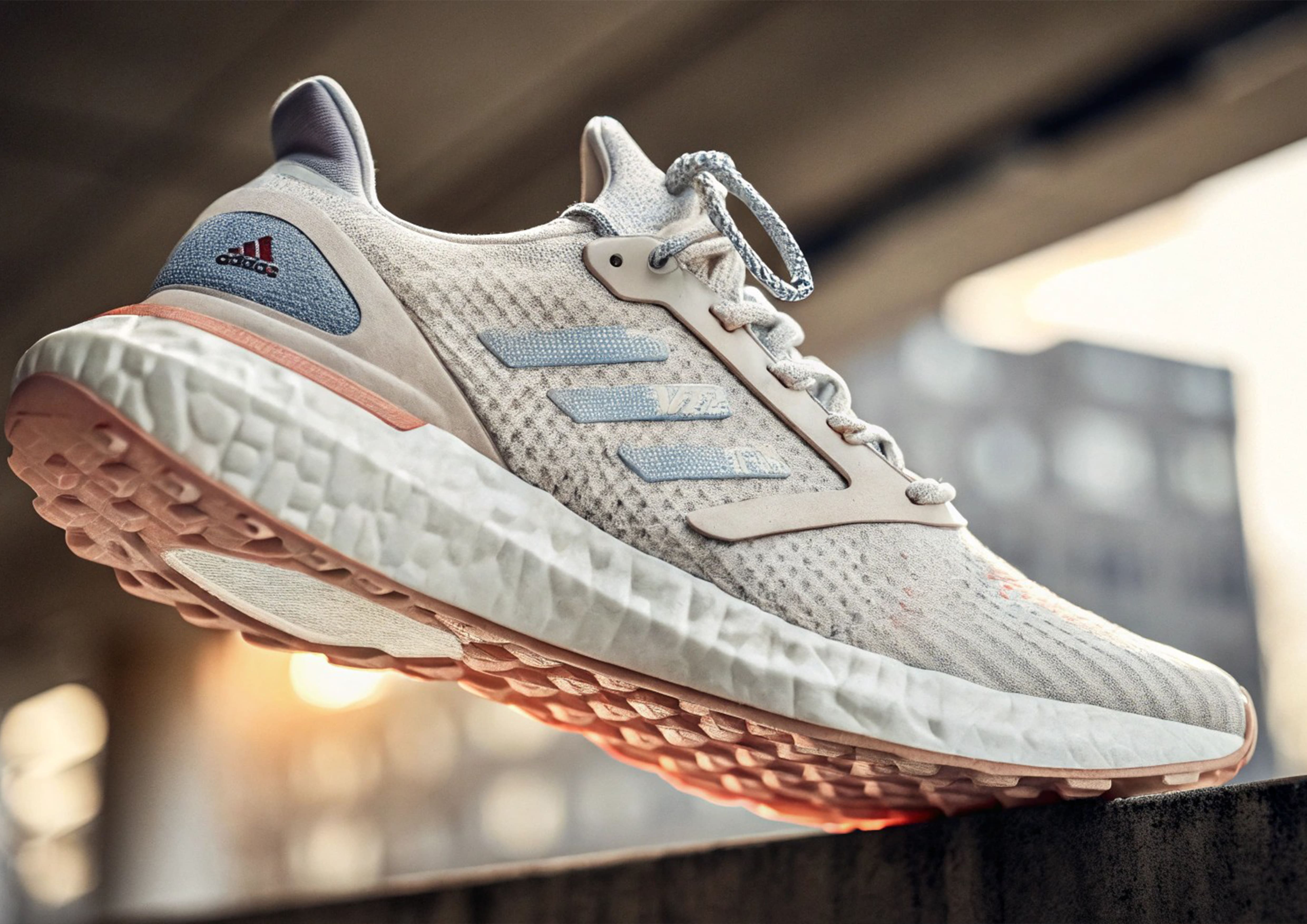
Material engineering has brought a noticeable push toward sleeker, more performance-oriented EVA foam structures. One of the biggest breakthroughs involves micro-cellular engineering. This technique allows manufacturers to create EVA foam with enhanced cushioning while reducing unnecessary weight. Samad Foam, which also serves customers in the USA, often uses this approach to help brands build comfortable products without adding bulk.
Another interesting trend is the integration of hybrid materials. While EVA foam remains the foundation, engineers are reinforcing it with supportive layers or functional coatings. These combinations help the foam resist heat, moisture, pressure, and impact better than older versions. For industries such as athletics, healthcare, and lifestyle goods, this is an important upgrade because consumers expect products that can withstand outdoor activities, repeated use, and sudden impacts.
EVA foam material is even being developed with properties that mimic rubber-like elasticity. These variations are used in fitness mats, industrial padding, and footwear inserts, where manufacturers need softer landings, stable support, and long-term retention of shape. With industries expanding across retail and e-commerce, this flexibility is encouraging companies to revisit their existing product lines and redesign what they previously overlooked.
Sustainability has become one of the strongest forces affecting how EVA foam is designed and processed. Manufacturers around the world are under pressure to meet environmental standards and support green production. EVA foam material is now being created using cleaner methods that reduce carbon footprints and keep waste to a minimum. Some manufacturers are even adopting partially bio-based formulas where suitable.
Samad Foam is among the companies responding to these shifts by improving its processing and helping manufacturers understand what cleaner EVA foam actually means for everyday products. With Europe continuing to strengthen environmental regulations, this push is particularly important for brands that want to maintain international supply chains without facing material compliance issues.
Another development worth watching is the push toward end-of-life optimization. Recycling EVA foam was once difficult, but new advancements allow sections of the material to be repurposed. This is increasingly relevant for industries with heavy consumption, such as packaging, footwear, and large-volume fitness products. Better recyclability gives manufacturers a chance to reduce costs without cutting corners on quality.

EVA foam is no longer chosen only because it is soft, strong, or shock-resistant. Today’s manufacturers are using it as a core design element that improves user experience. With better cell structure and advanced molding techniques, designers can create products that genuinely feel premium. Samad Foam has seen this first-hand while working with brands that want sleeker finishing, vibrant color options, and custom textures.
User-centric innovation is especially strong in the footwear and lifestyle segments. Sleek EVA foam material helps shoes feel lighter and absorb pressure more effectively. Fitness products, especially EVA mats, are being redesigned with multi-layer support to provide better grip, better balance, and more comfort for long sessions. Outdoor equipment manufacturers are also turning to EVA to replace heavier materials, creating products that appeal to modern consumers who prefer lightweight gear.
The trend goes beyond aesthetics. The foam is being engineered to offer improved temperature insulation, moisture resistance, and anti-slip surfaces. This evolution proves that the role of EVA foam is shifting from being a standard material to becoming a key part of product identity.
The next few years will be very interesting for the EVA foam industry. The demand for smart manufacturing, automation, and tighter quality control will continue to rise. Samad Foam, which works across both regional and international markets, sees a strong demand for personalized foam formats that help companies build unique product lines. This includes color-customized sheets, density-specific blocks, and durable EVA foam material blends made for long-term use.
Manufacturers should also watch for new regulatory standards that may push the industry toward greener production. Consumer expectations for softer, lighter, and more resilient foam will likely grow, too. Companies that adopt these trends early will enjoy a significant competitive edge, especially in industries where innovation drives sales.
Contact us today and let our team guide you toward smarter EVA foam solutions that elevate your products.
EVA foam is no longer a basic material used quietly behind the scenes. It has become a centerpiece of modern product development, blending comfort, sustainability, and engineering brilliance. For manufacturers, the key to staying competitive is understanding these development trends and adapting before others do. The brands that embrace this momentum will enjoy stronger products, happier customers, and long-term growth powered by smarter material choices.
The latest developments focus on improved density control, micro-cellular engineering, and better sustainability practices. These upgrades help EVA foam material perform more consistently in demanding applications.
Manufacturers appreciate how EVA foam blends softness, strength, flexibility, and longevity. Its adaptability for footwear, fitness, packaging, and outdoor products makes it a preferred material for modern design.
It depends on density, comfort requirements, product use, and durability goals. Manufacturers often test several EVA foam variations to find a structure that fits their design, performance, and budget needs.
.svg)

.svg)