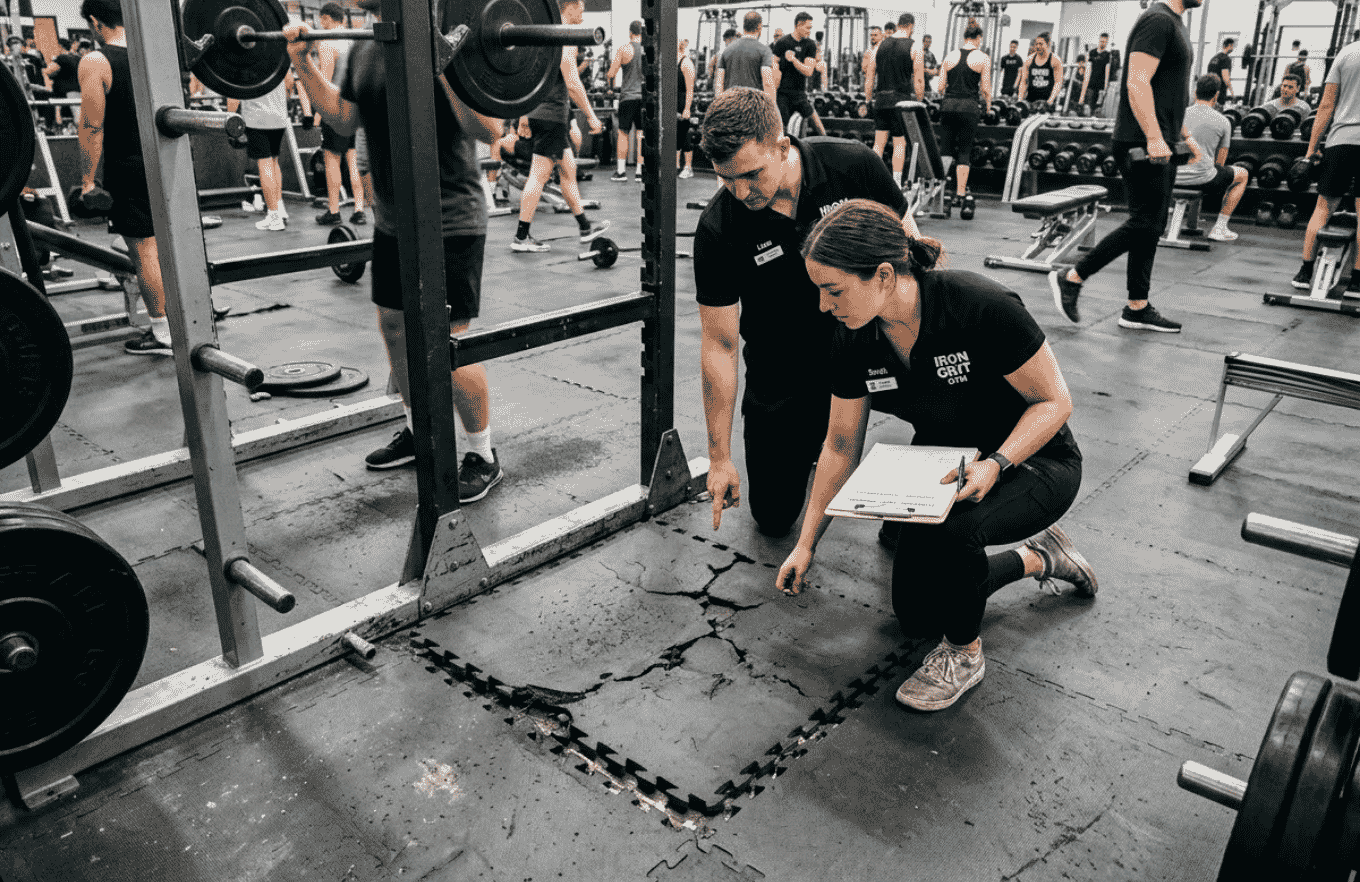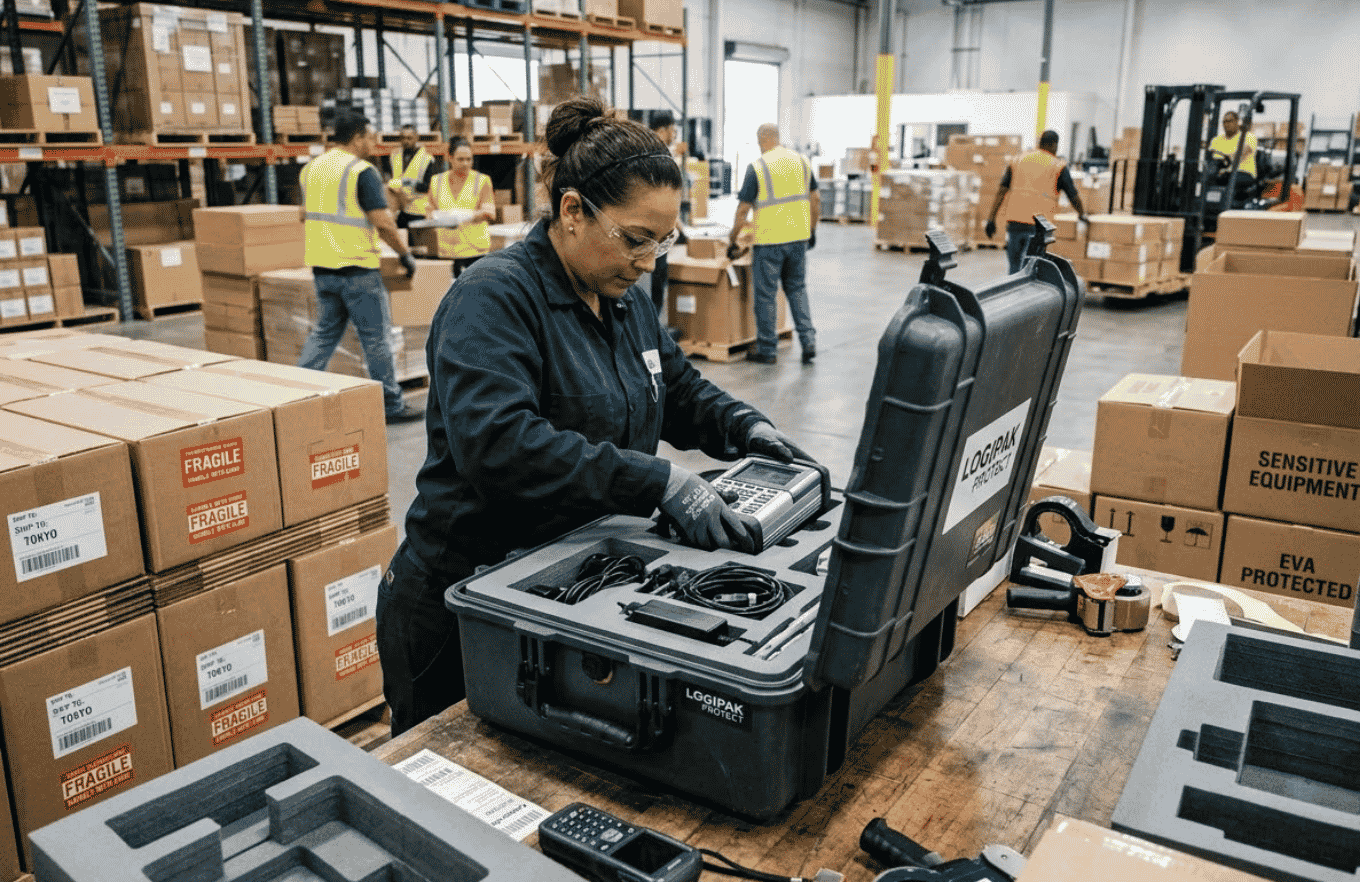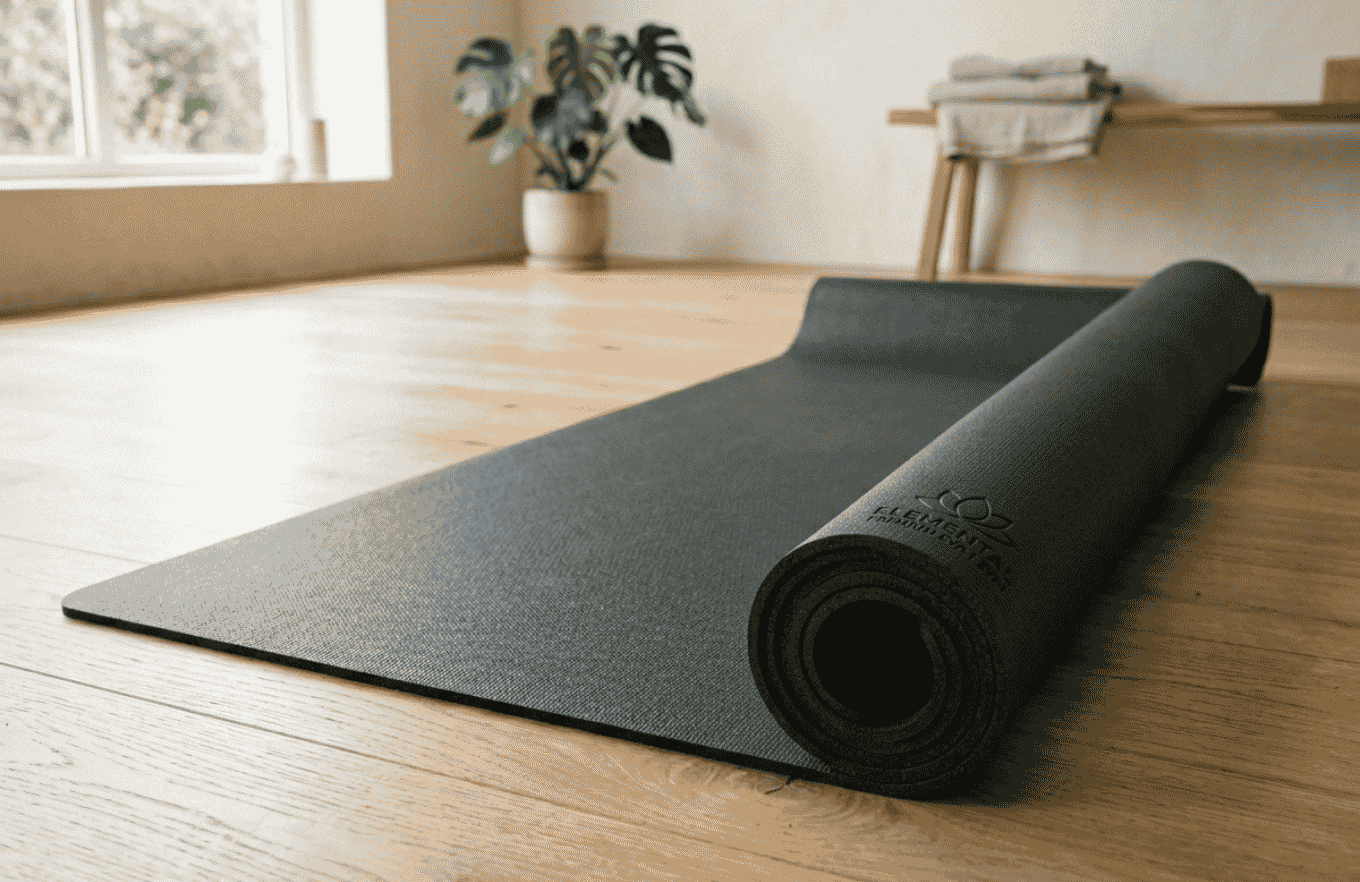
EVA foam plays a major role in modern manufacturing due to its lightweight structure, durability, and versatility. EVA foam material is widely used across industries such as sports flooring, packaging, footwear, automotive interiors, and protective gear. Its adaptability comes from a carefully controlled production process that balances density, flexibility, and shock absorption.
EVA foam is created through polymer blending and foaming techniques that determine its final performance. EVA foam material is valued because it can be engineered into soft cushioning or firm structural sheets, depending on application needs. In fact, EVA mats used in fitness and industrial flooring are one of the most common commercial uses today.
Moreover, EVA foam manufacturing continues to evolve with sustainability and efficiency improvements. Companies like Samad Foam are investing in advanced production systems to meet international demand in the USA and Europe while maintaining consistent product quality.
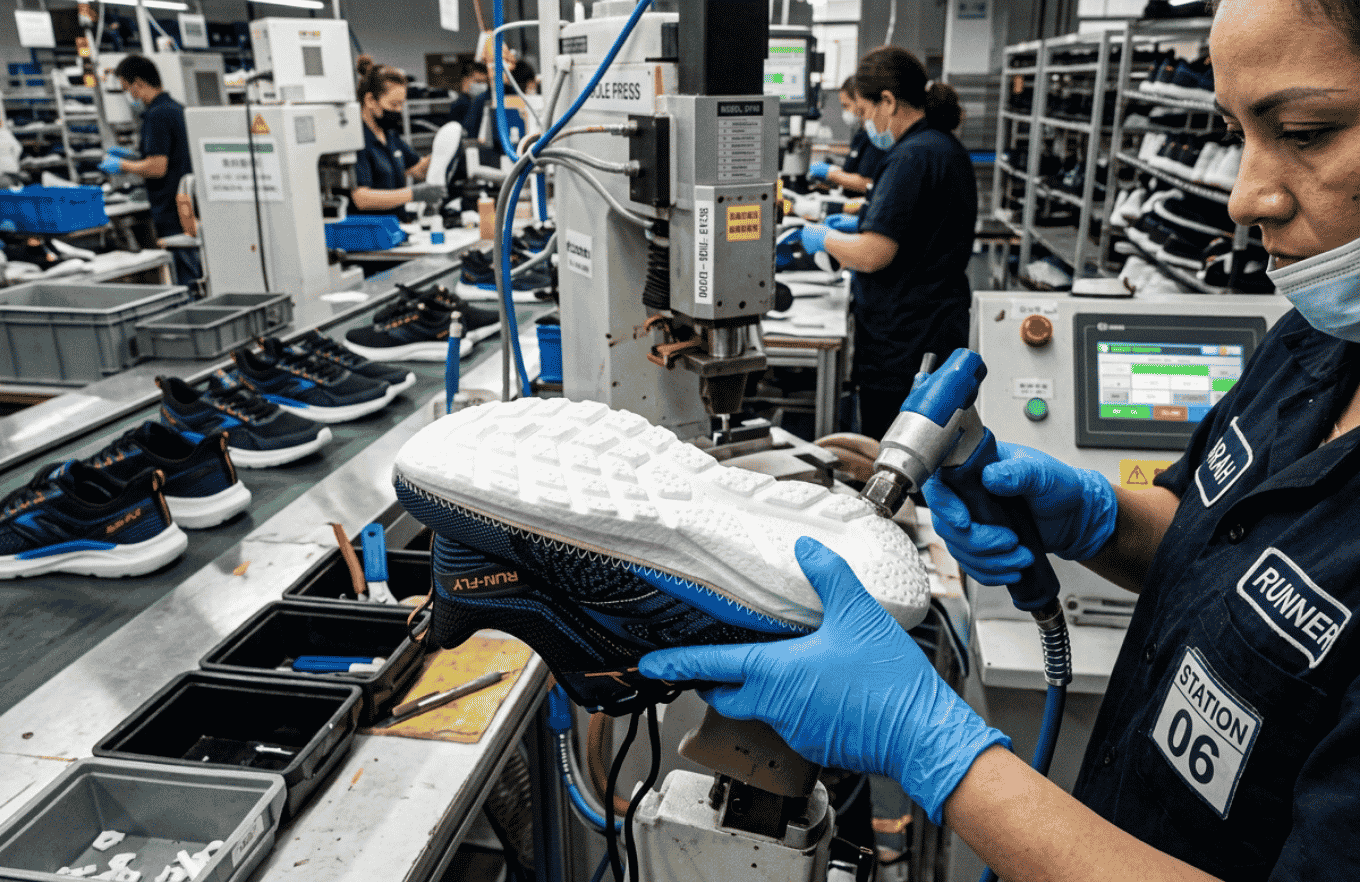
EVA foam is a copolymer of ethylene and vinyl acetate that creates a closed-cell structure. This structure is responsible for its shock absorption and water resistance.
● Lightweight and flexible structure
● Excellent cushioning performance
● Water and moisture resistance
● High durability under pressure
● Thermal insulation capability
These properties make EVA foam material suitable for both industrial and consumer products. EVA mats, for example, are widely used in gyms, yoga studios, and play areas due to their comfort and safety features.
Furthermore, EVA foam is easy to cut, mold, and shape, which increases its adaptability across industries.
EVA foam production involves several controlled stages that define its density, texture, and performance.
The process begins with mixing ethylene-vinyl acetate with additives such as blowing agents, stabilizers, and fillers. This mixture determines the final foam quality.
The blend is heated under controlled conditions. The blowing agent releases gas, creating the foam’s cellular structure.
The expanded material is shaped using molding or extrusion techniques, depending on the final product requirement.
● Molding is used for EVA mats and custom shapes
● Extrusion is used for sheets and continuous rolls
After shaping, the foam is cooled to stabilize its structure and improve durability.
Finally, EVA foam is cut into sheets, mats, or custom products depending on market demand.
Samad Foam follows strict quality checks at every stage to ensure consistency for global clients.
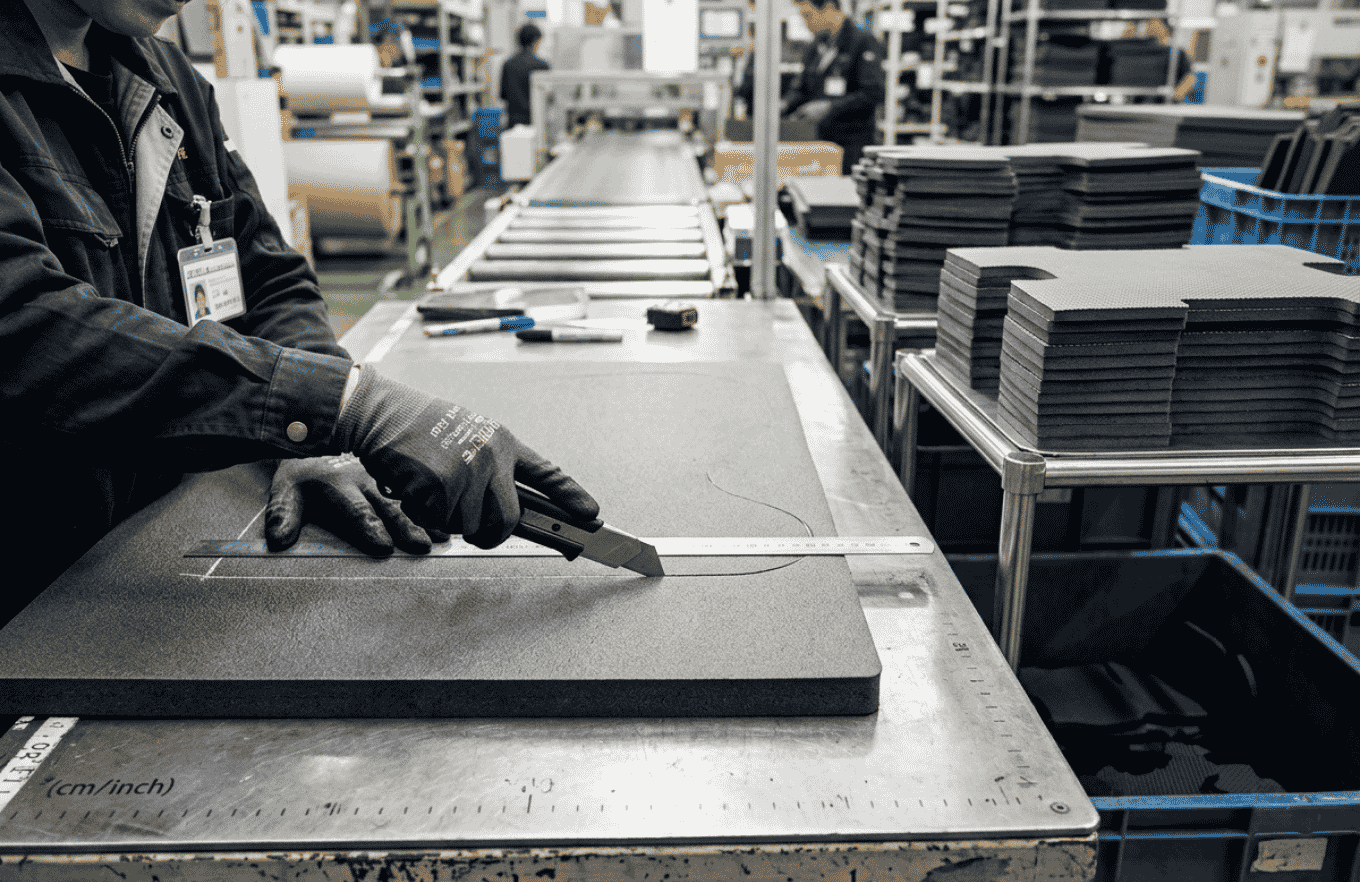
Different processing techniques are used depending on the application and performance requirements.
This method is widely used for EVA mats and protective padding. It ensures uniform density and strong structural integrity.
Used for continuous sheets, this method is efficient for large-scale production.
EVA foam material is often die-cut into precise shapes for packaging inserts and sports equipment.
Foam surfaces are laminated for improved durability and aesthetic finish, especially in consumer products.
Moreover, manufacturers combine these methods to create customized solutions for industries in the USA and Europe, where demand for high-performance EVA mats is growing rapidly.

EVA foam is not limited to a single use. Its versatility makes it essential in multiple sectors.
EVA mats are widely used for yoga, gym flooring, and martial arts training due to their cushioning effect.
EVA foam protects fragile goods during transportation by absorbing shocks.
Used in dashboards, door panels, and insulation systems.
Provides comfort and shock absorption in soles.
Furthermore, EVA foam material is increasingly used in medical and rehabilitation equipment due to its soft and supportive nature.
Manufacturers maintain strict testing procedures to ensure durability and safety.
● Compression resistance testing
● Density measurement
● Flexibility and rebound testing
● Thermal stability analysis
Samad Foam implements advanced inspection systems to ensure every batch meets international performance expectations.
Most importantly, consistency in EVA foam production ensures long-term usability across industries.
Modern EVA foam production is shifting toward eco-friendly practices. Recyclable materials and low-emission processes are being adopted to reduce environmental impact.
Furthermore, manufacturers are optimizing energy usage during production and exploring bio-based additives to improve sustainability.
EVA mats and other products are increasingly being designed with recyclability in mind, aligning with global environmental standards.
EVA foam manufacturing is a highly technical process that combines chemistry, engineering, and industrial precision. From raw material blending to final shaping, every stage impacts performance and durability. EVA foam material continues to be a preferred choice across industries due to its flexibility and reliability.
Moreover, EVA mats and related products are expanding their global footprint in markets like the USA and Europe, where demand for durable and safe materials is rising. Companies like Samad Foam are helping drive innovation and quality in this growing industry.
Contact us today to explore premium EVA foam solutions designed for durability, comfort, and industrial performance across global manufacturing needs.
EVA foam material is used in sports mats, packaging, footwear, automotive parts, and protective cushioning applications.
EVA mats provide shock absorption, comfort, and durability, making them ideal for gyms, yoga studios, and training spaces.
EVA foam is produced through blending, heating, foaming, molding, and cooling processes that define its final structure and strength.
.svg)

.svg)